
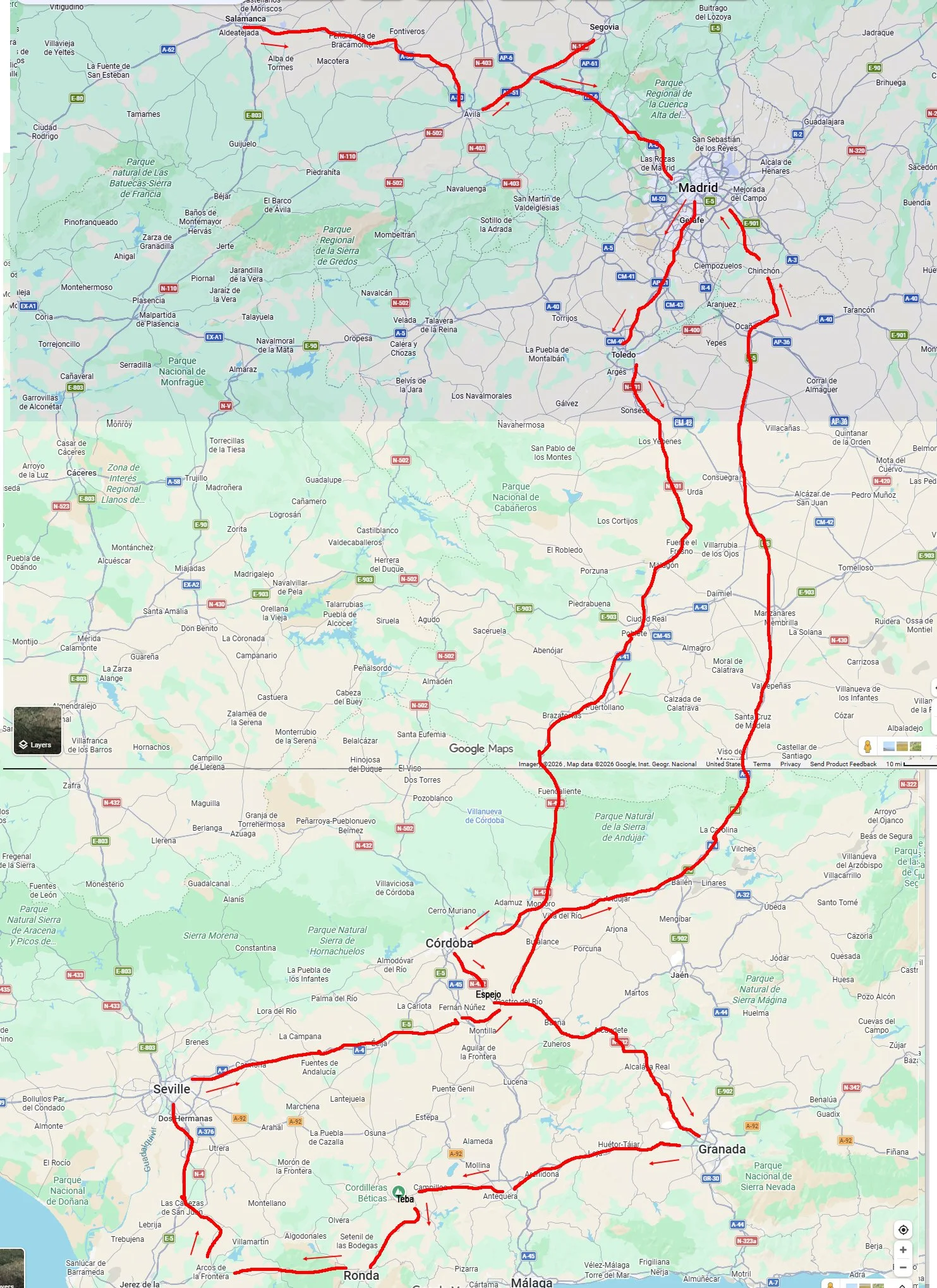
Andalucia, southern Spain
In 2001 Lil and I went on a road trip to Andalucia, in southern Spain. I attended an academic meeting in Salamanca on auditory physiology and she came after the meeting concluded. We rented a car and drove to visit the Moorish southern Spanish countryside with stops in Madrid, Toledo, Cordoba, Antequera, Teba, Ronda, Arcos de la Frontera and Seville. During the meeting we also had a day trip to Avila and Segovia.
Salamanca
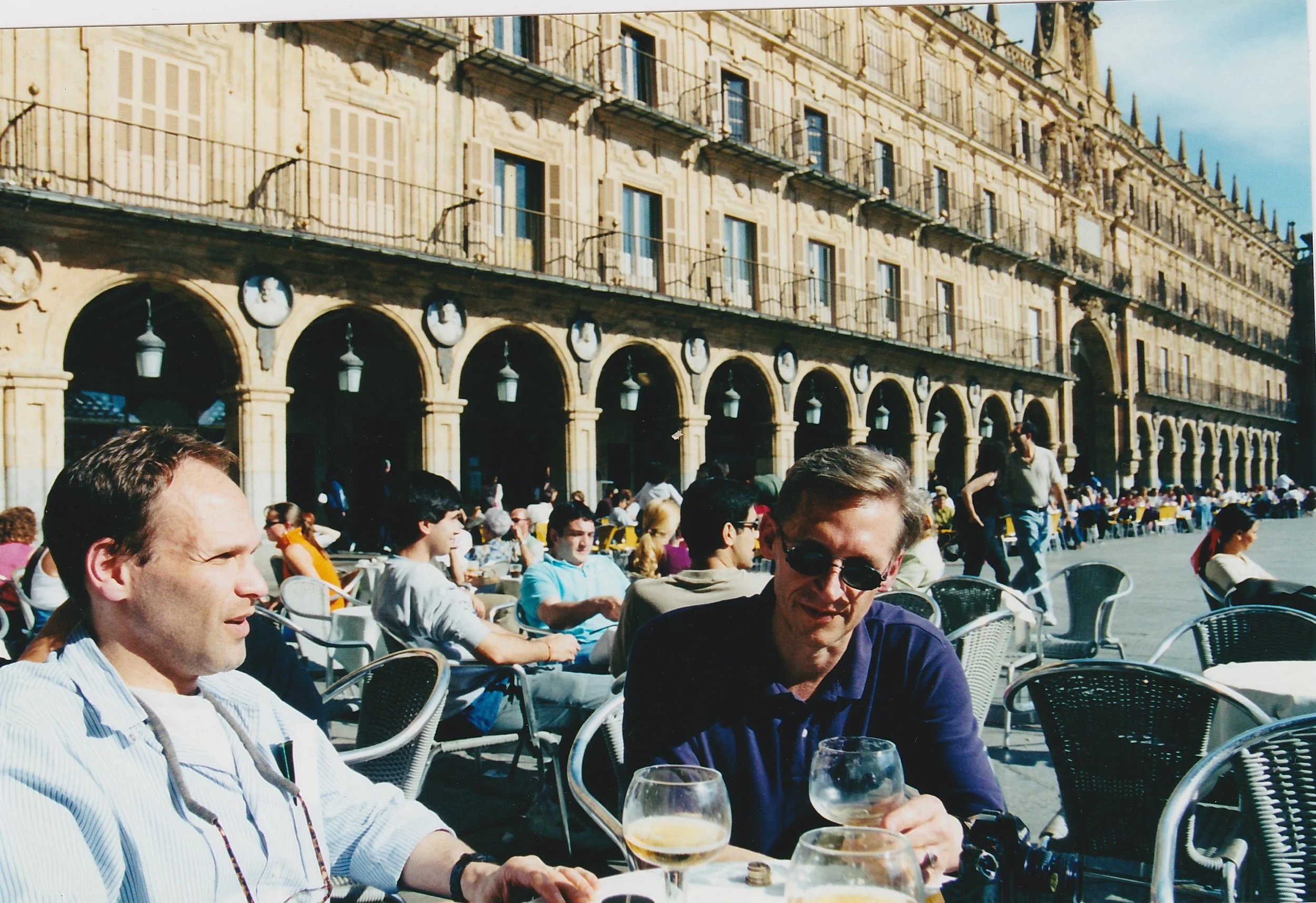
Salamanca is home to the University of Salamanca, founded in 1218 and the third or fourth oldest university in the World in continuous operation and the first in Spain. It has a beautiful campus and the Plaza Mayor is considered one of the most picturesque.
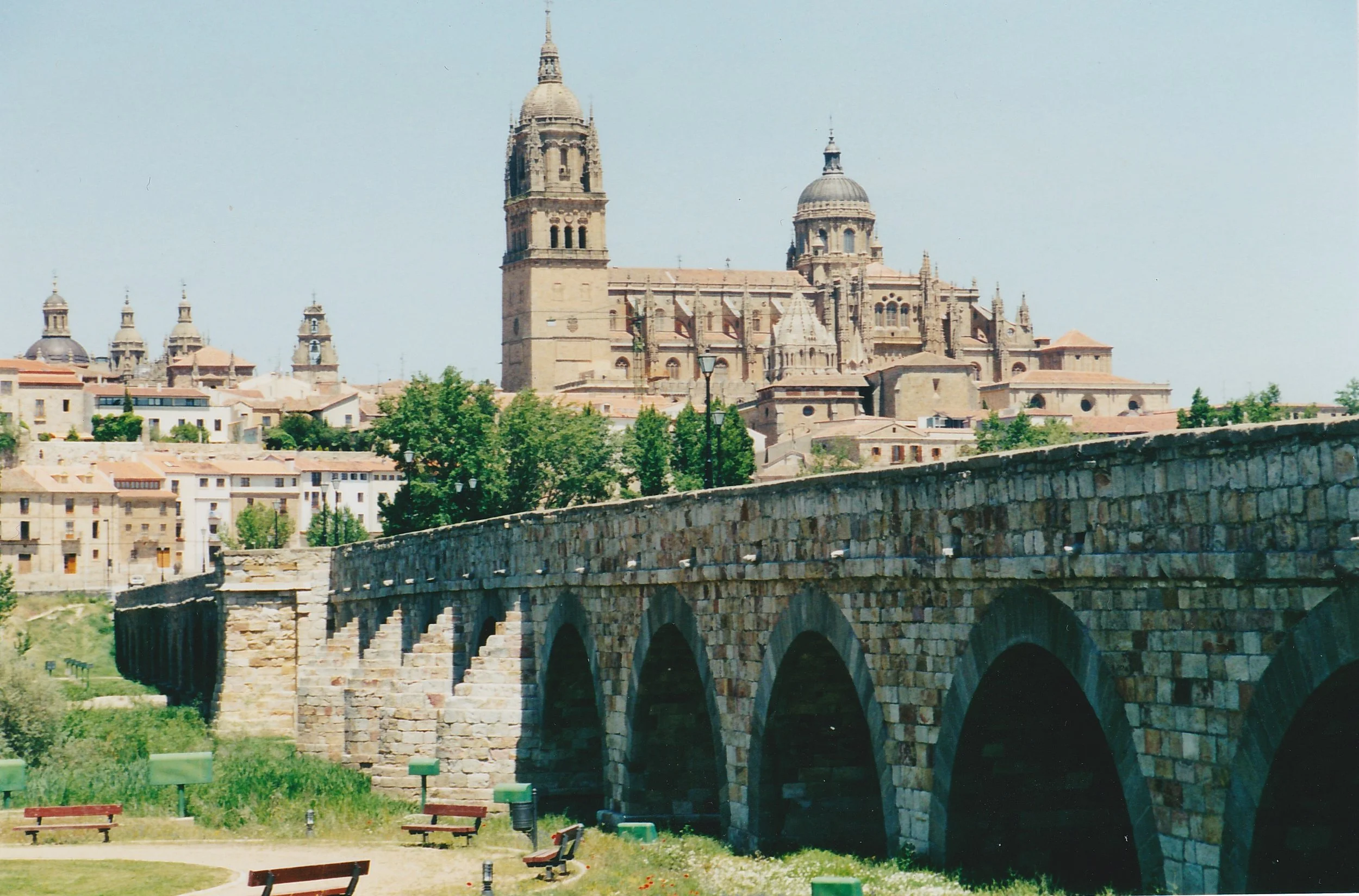
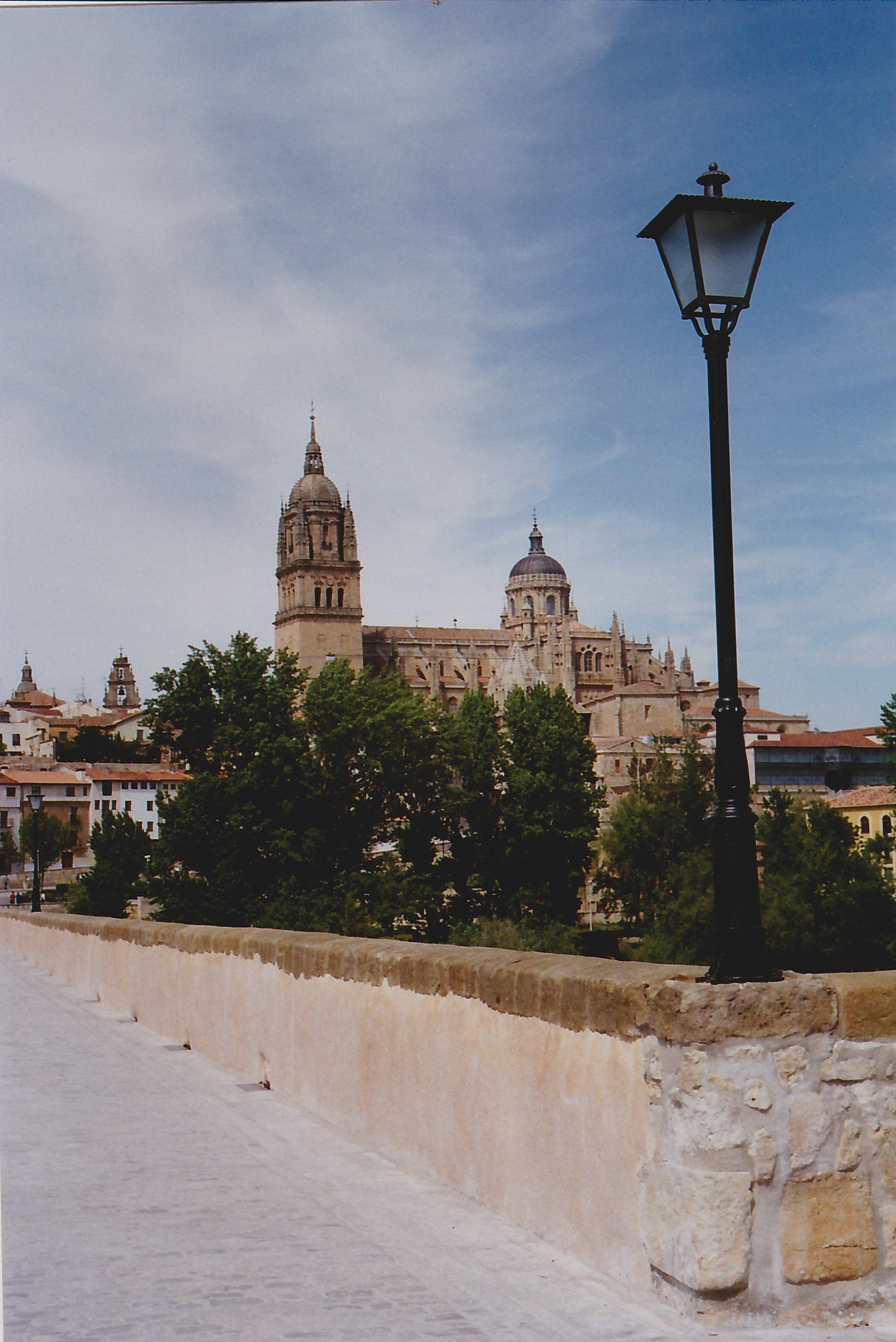
Old, first century, Roman bridge over the Tormes River with the Cathedral in the background
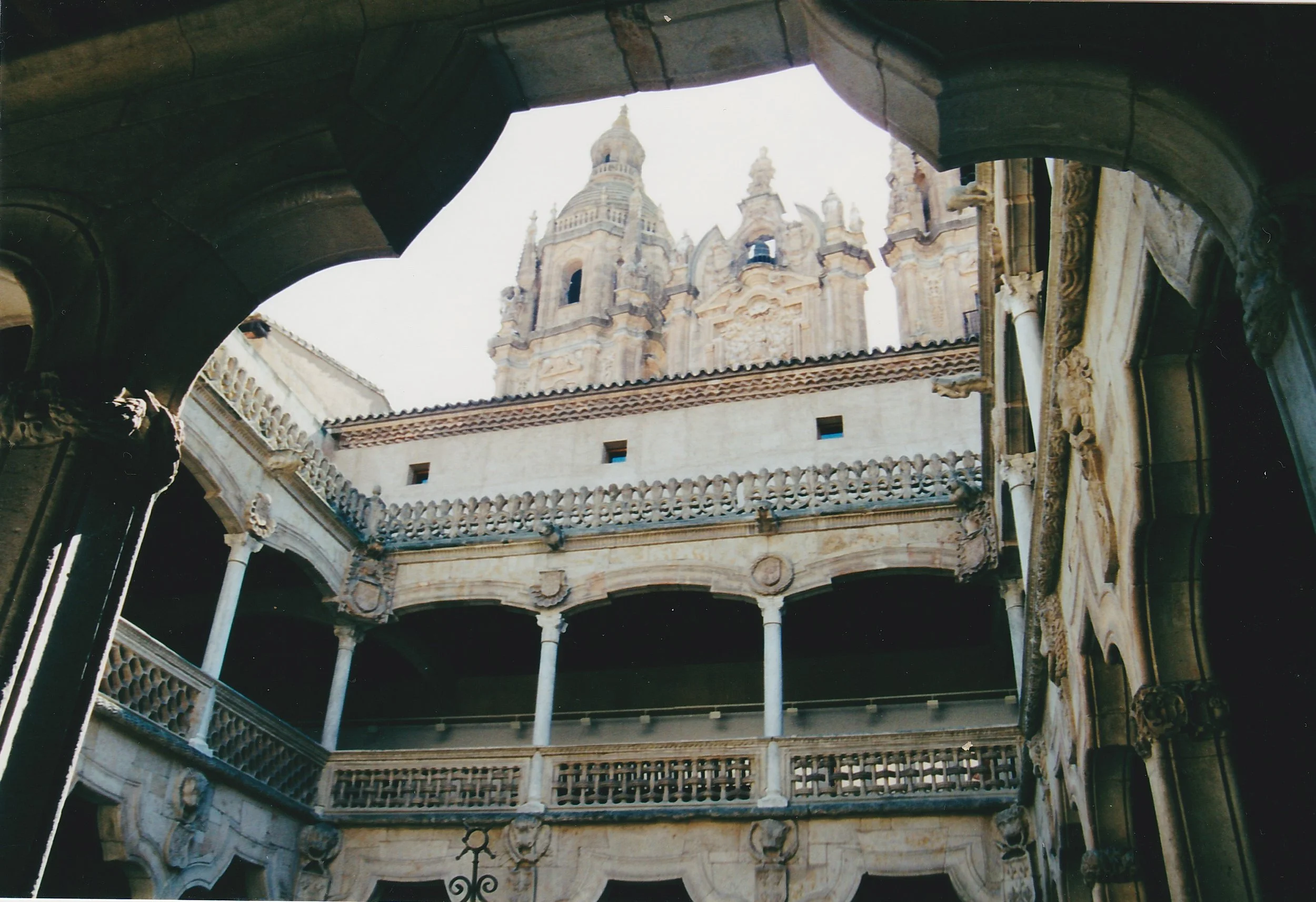
Casa de la Conchas (House of Shells) at the University of Salamanca
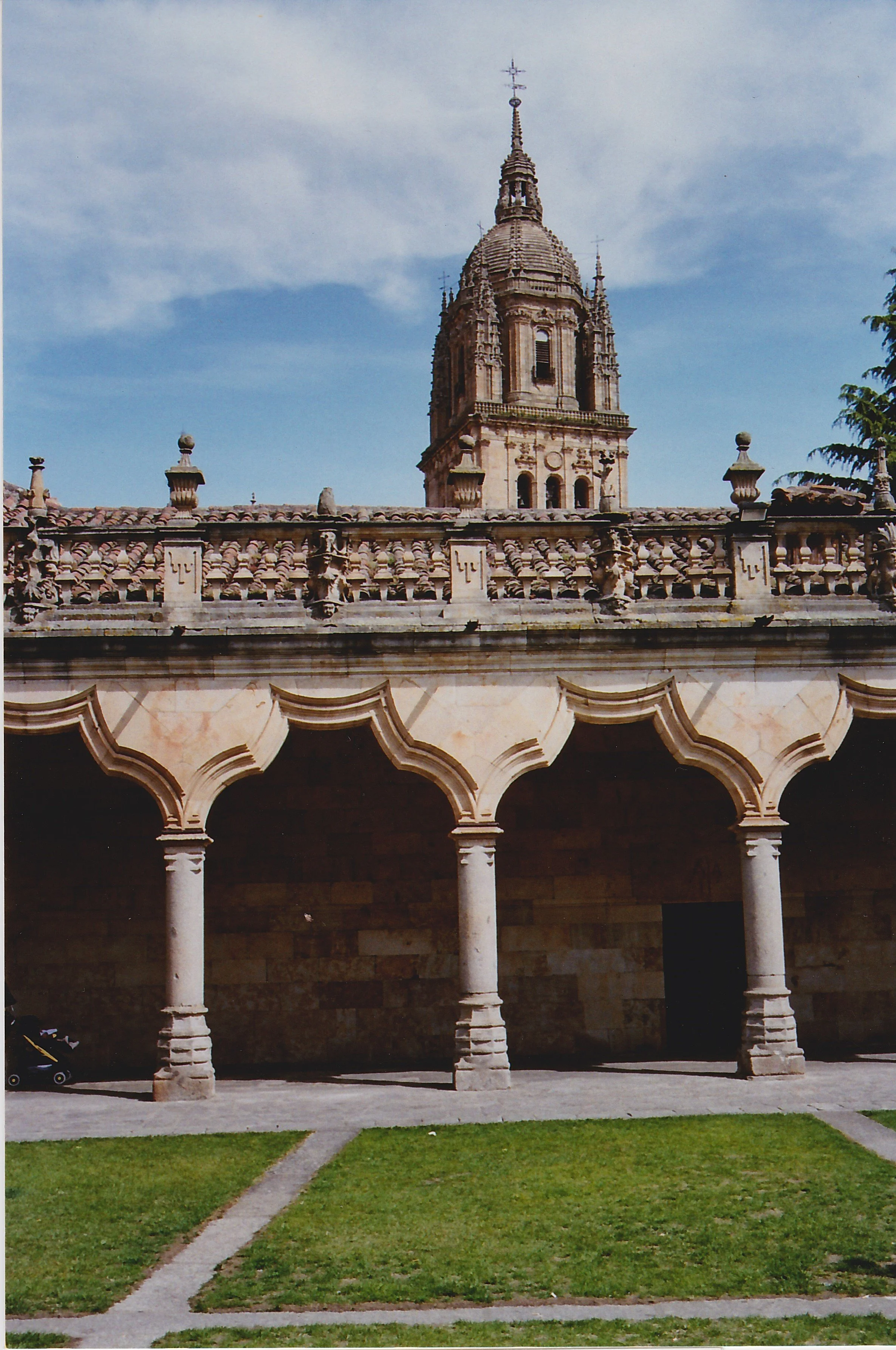
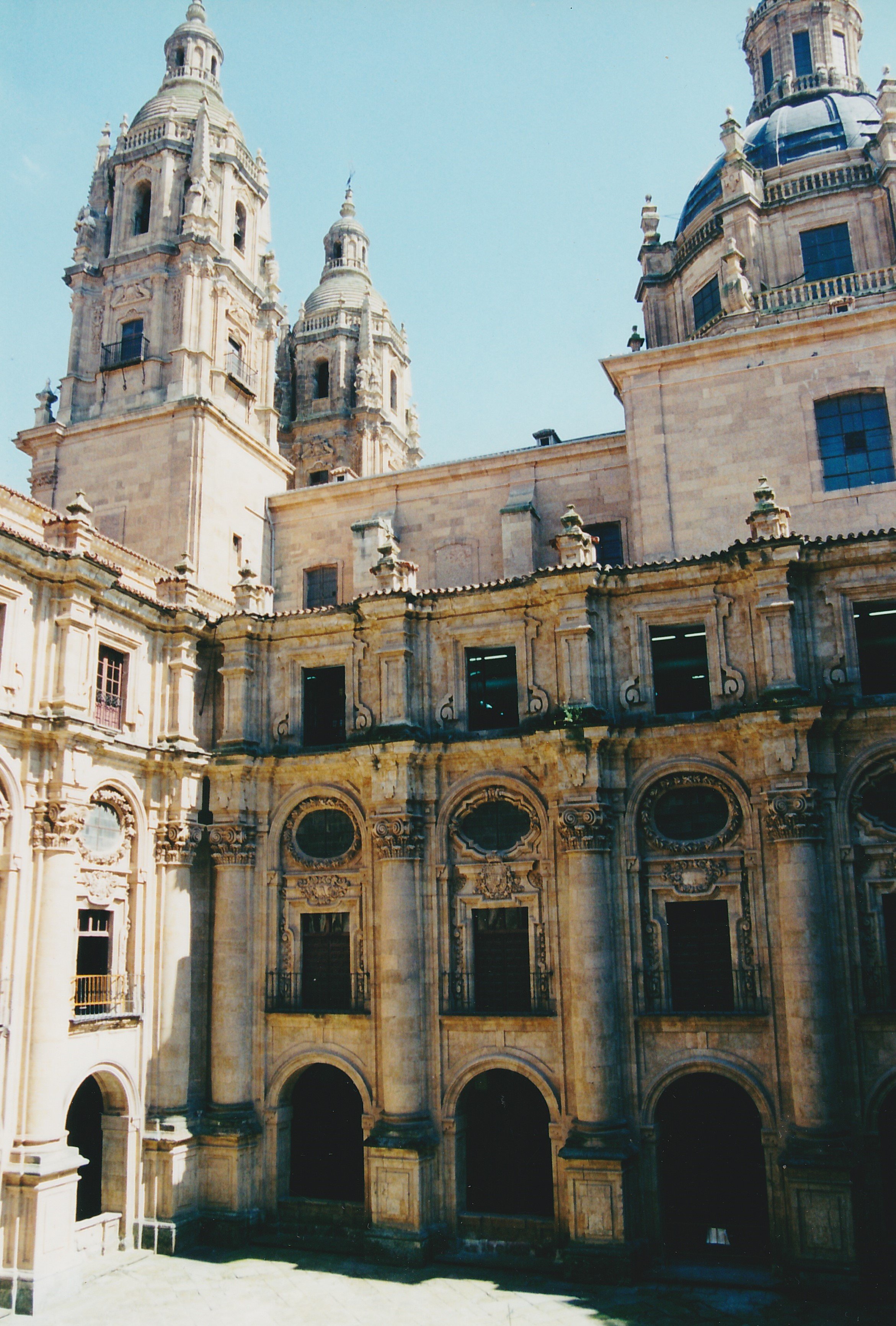
Courtyard of the School of Architecture in Salamanca

The facade of the university with a statue of the famous poet Luis de Leon.
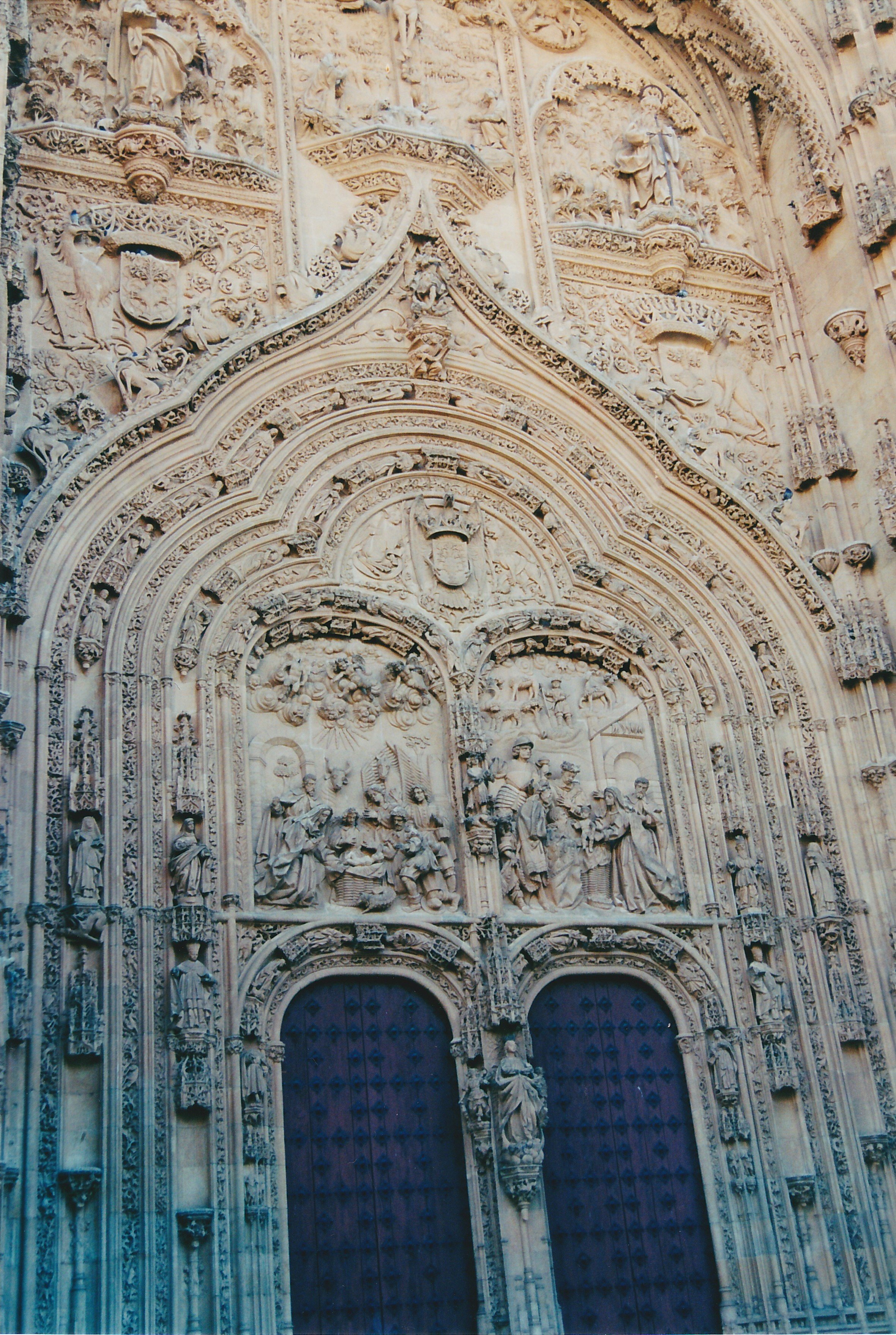
The Salamanca Cathedral with its ornate carved figurines
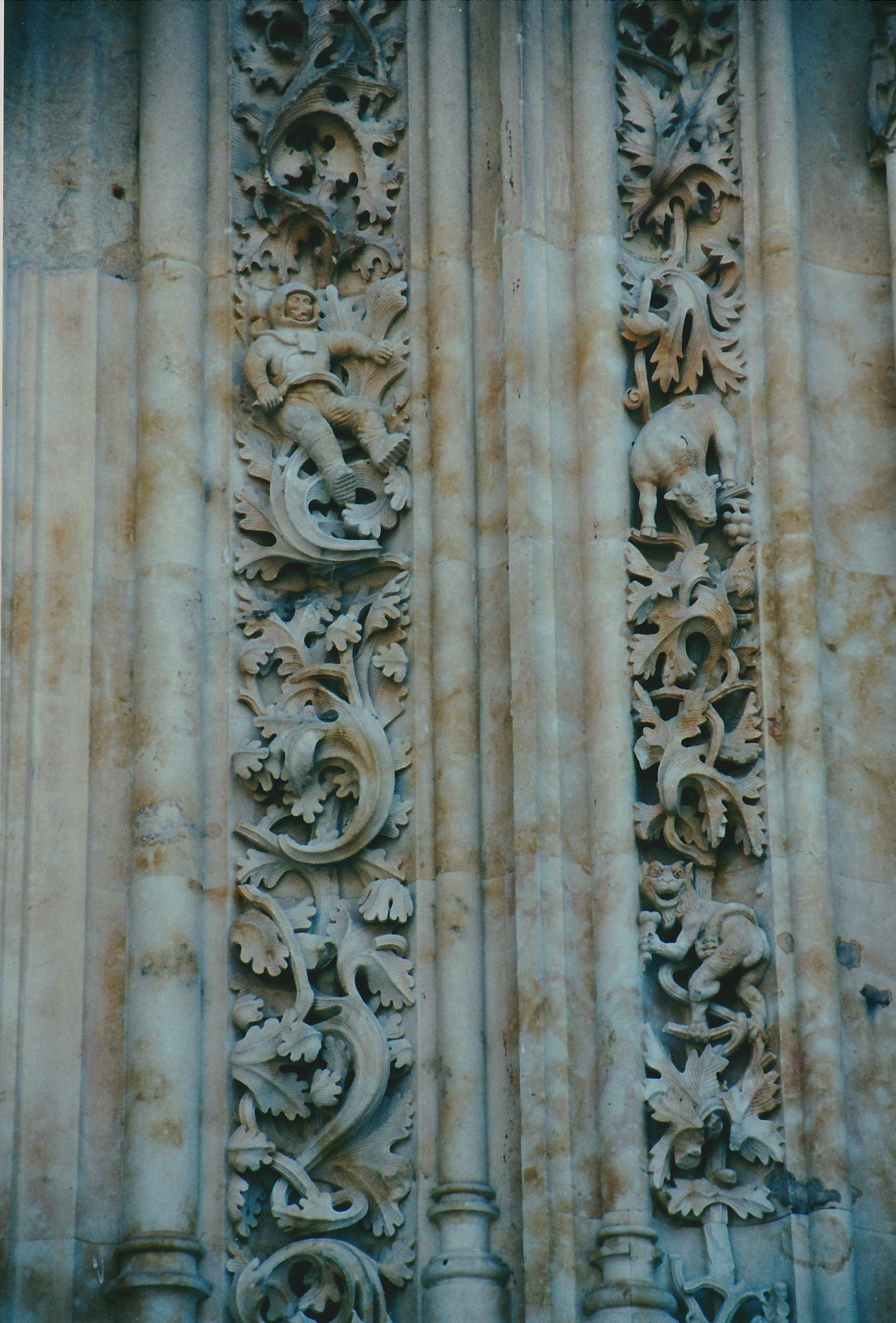
One of its figurines is rather modern, an astronaut.
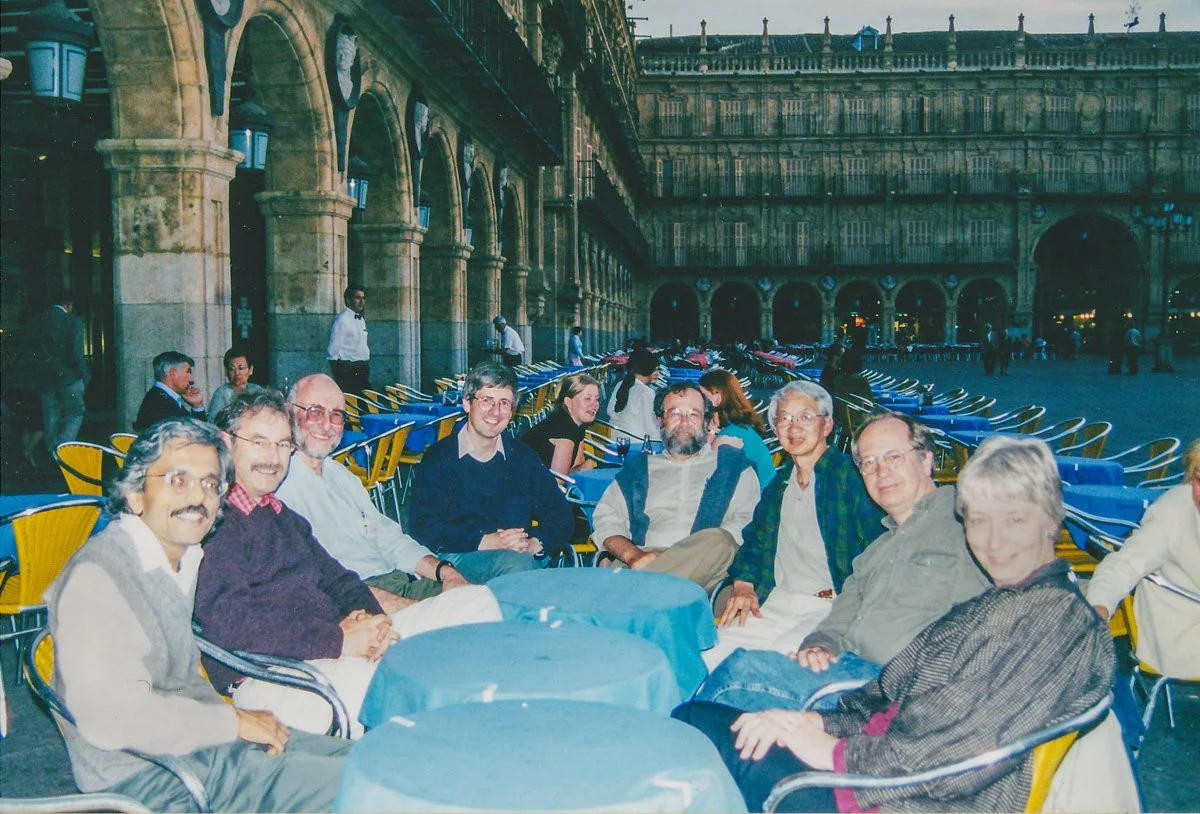
In the Plaza Mayor of Salamanca
Segovia
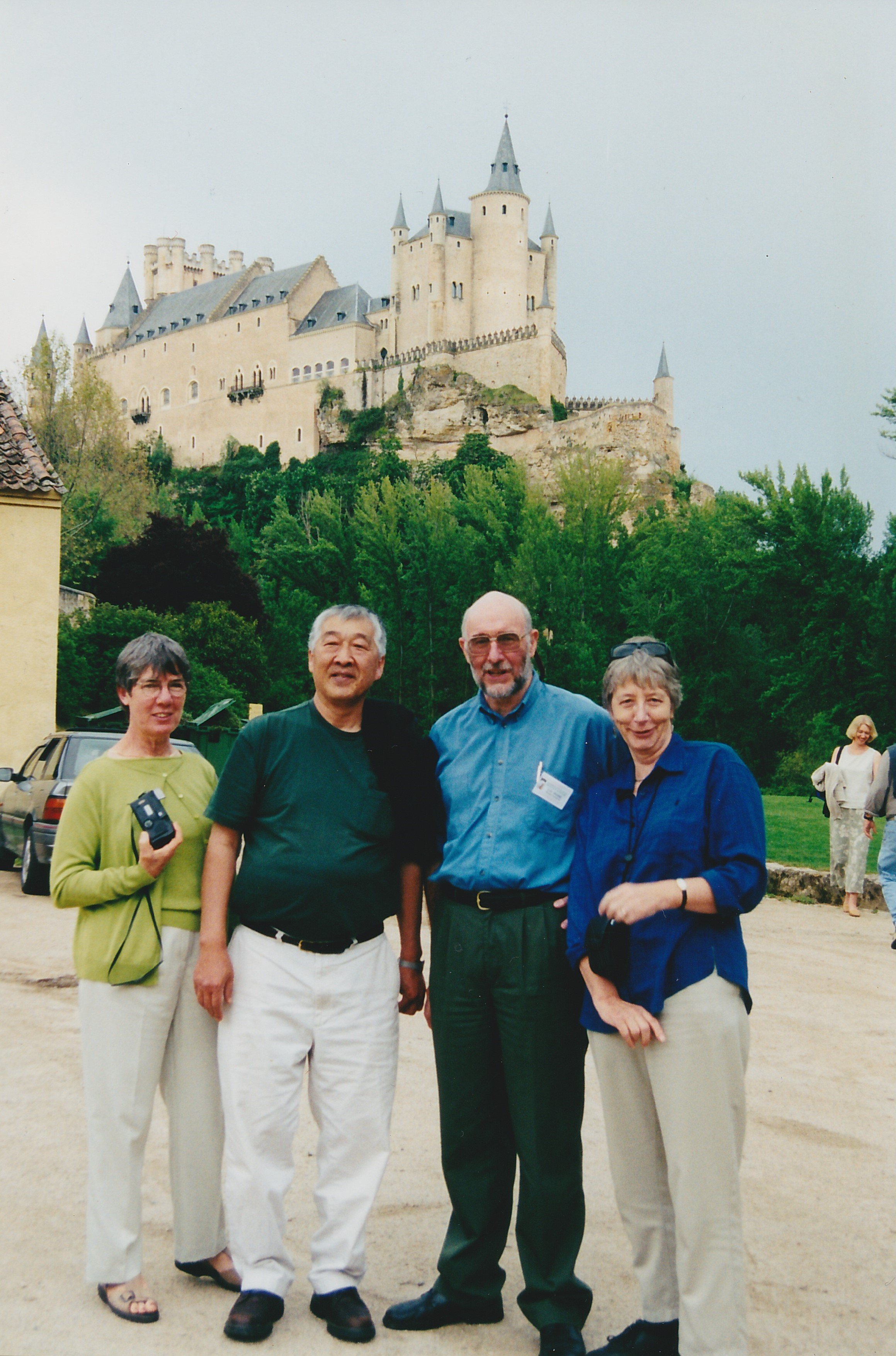
Segovia is a located approximately between Salamanca and Madrid. It is known for three outstanding architectural highlights: ancient Roman aqueduct, an Alcazar and Cathedral.
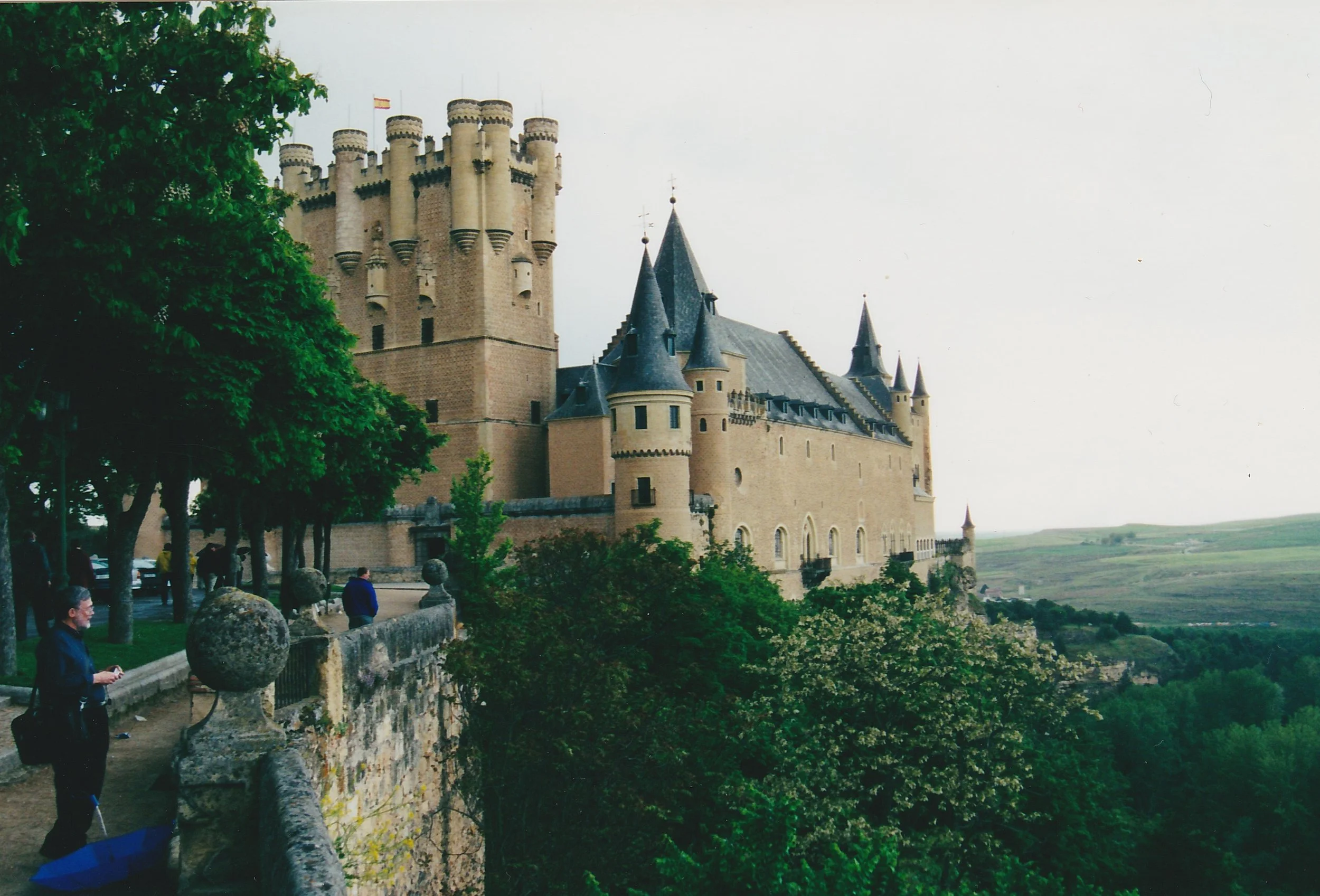
Alcazar of Segovia
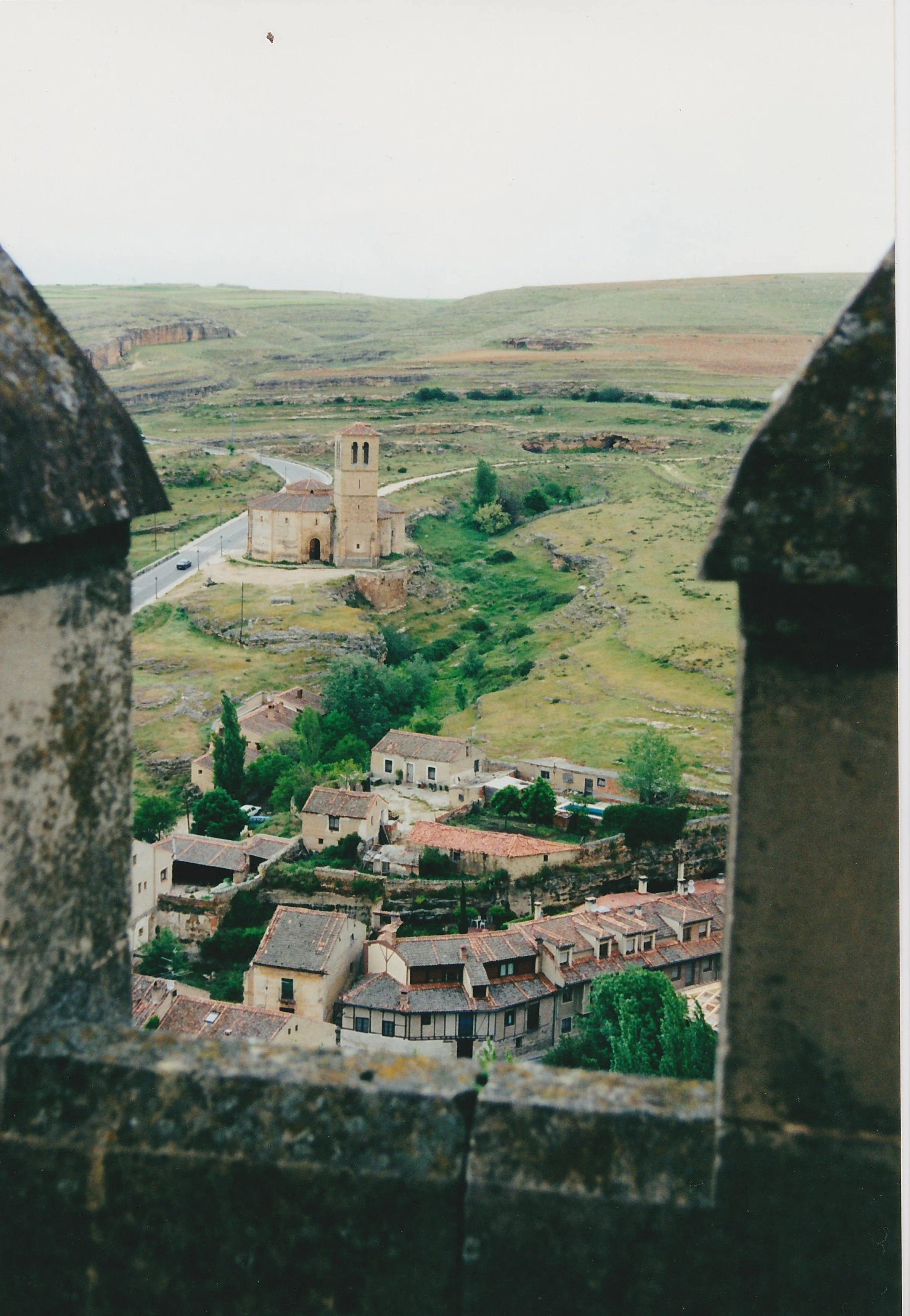
View from the Alcazar
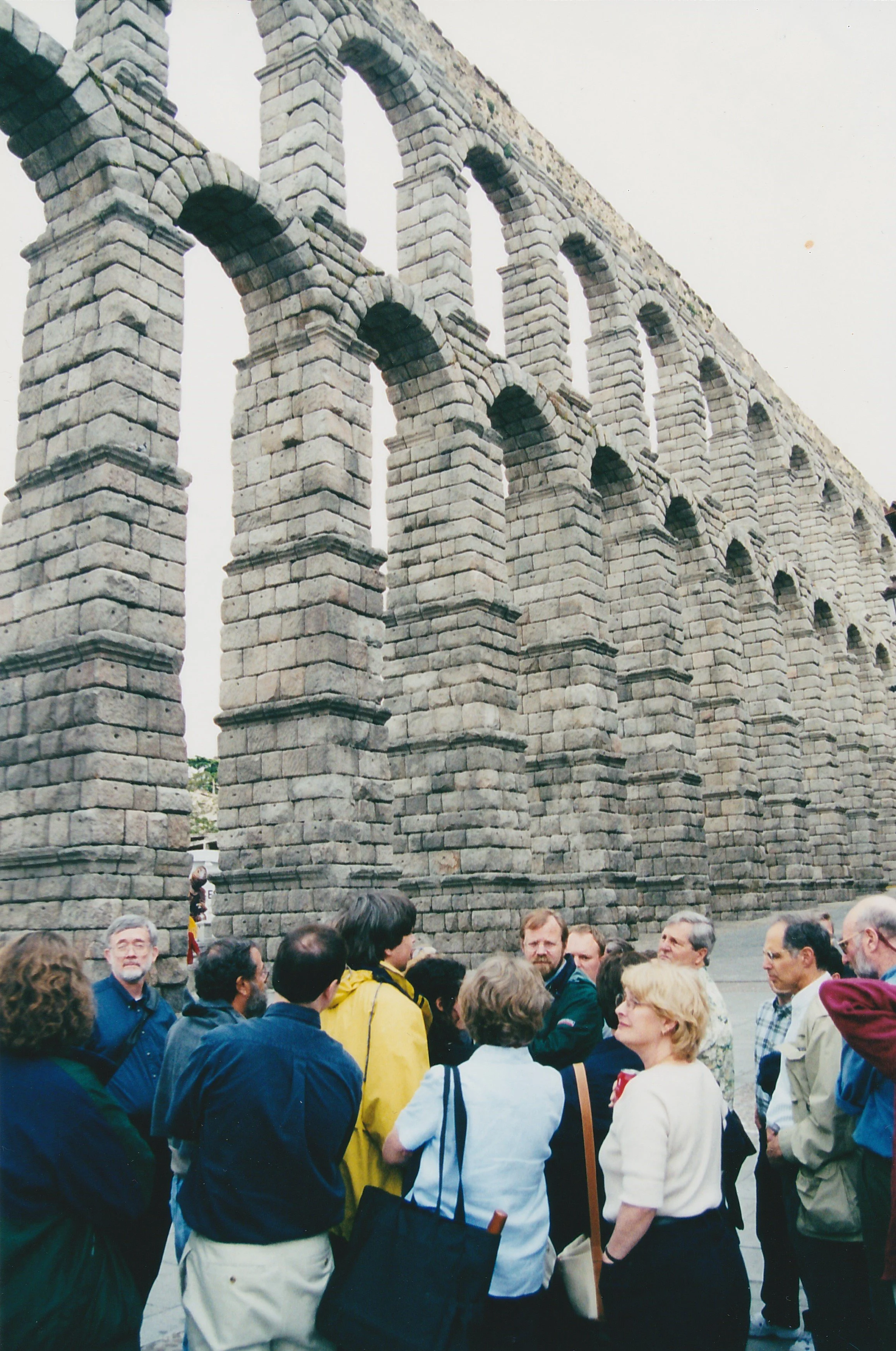
Old Roman aqueduct in Segovia
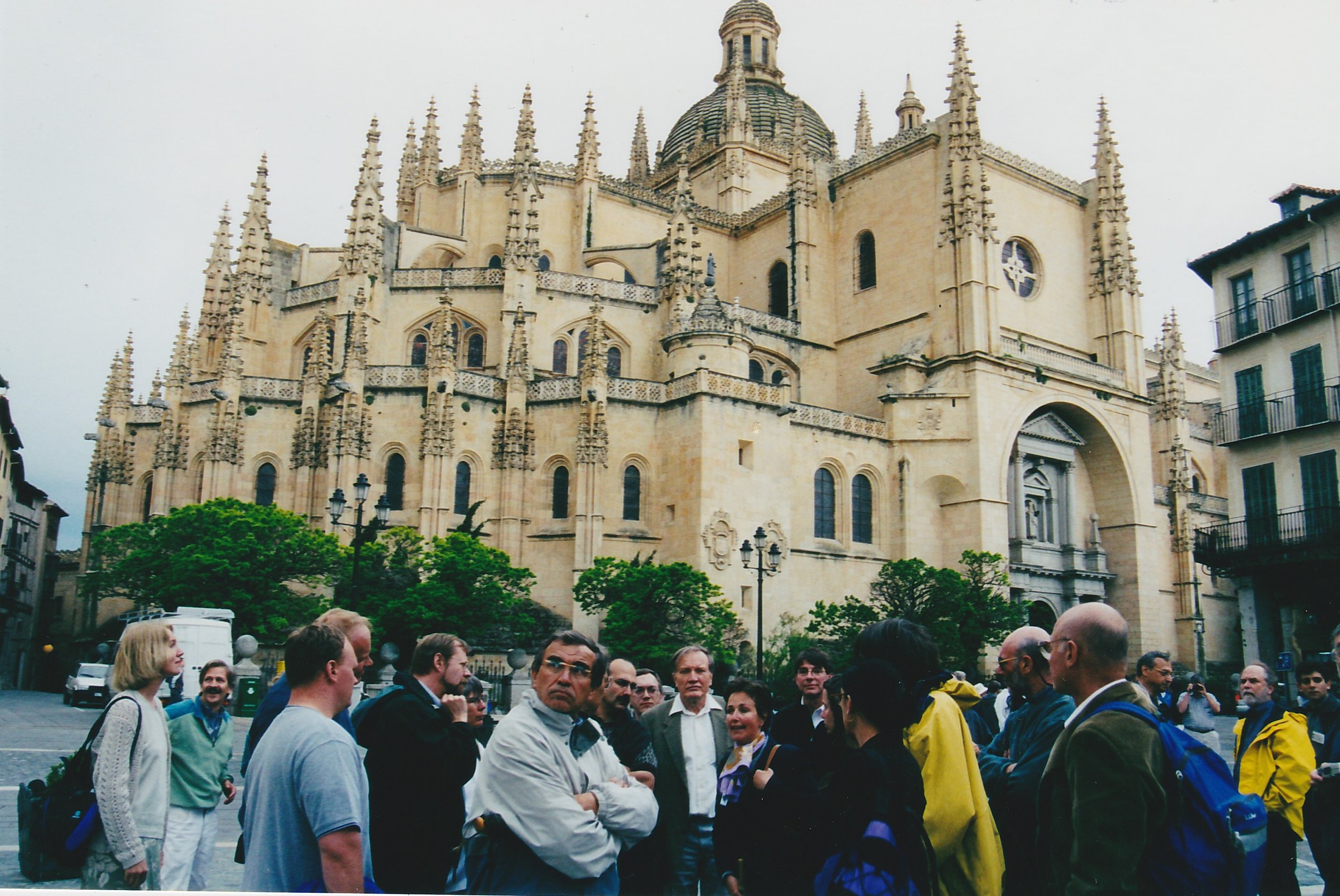
Gothic Cathedral
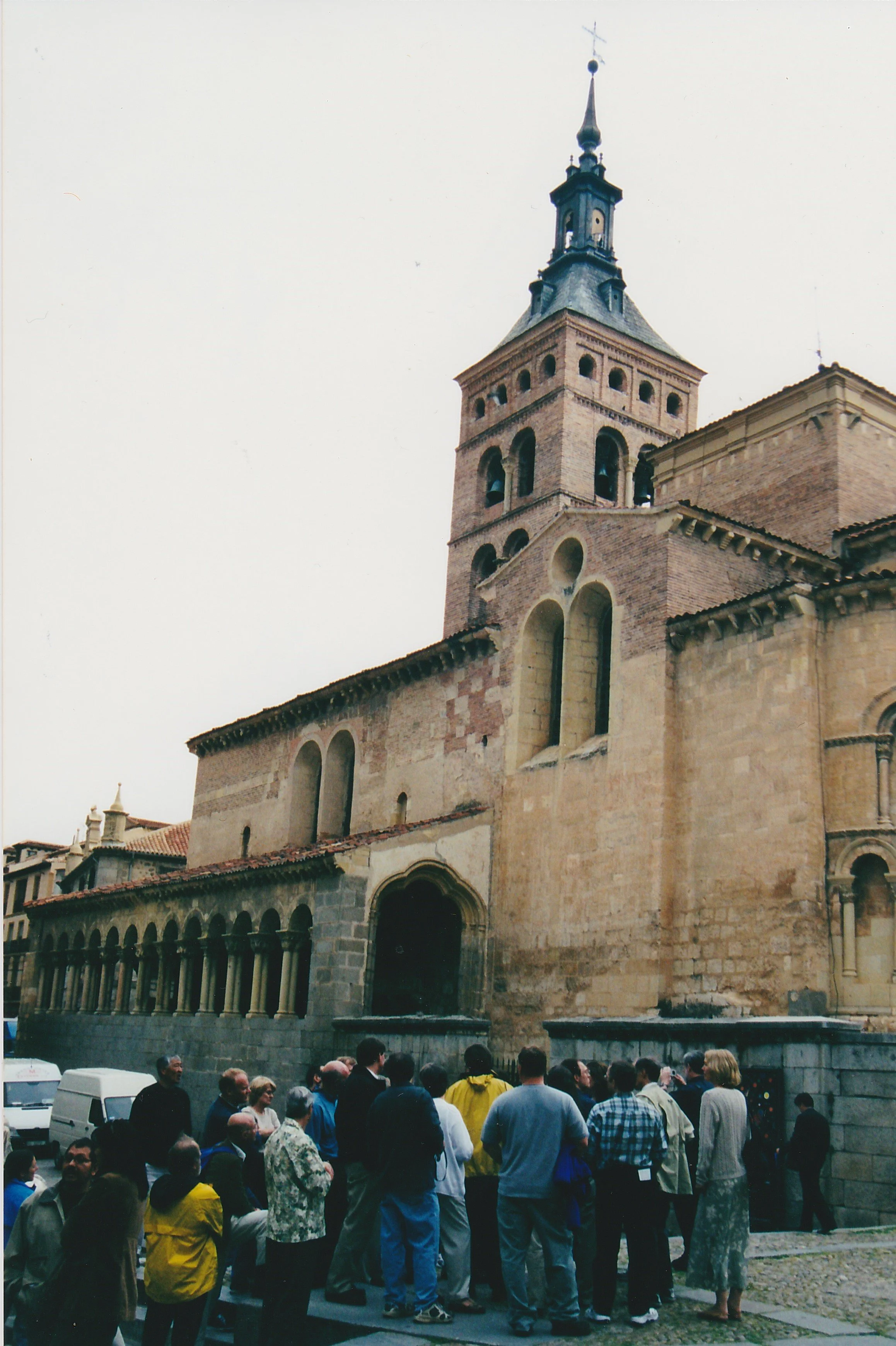
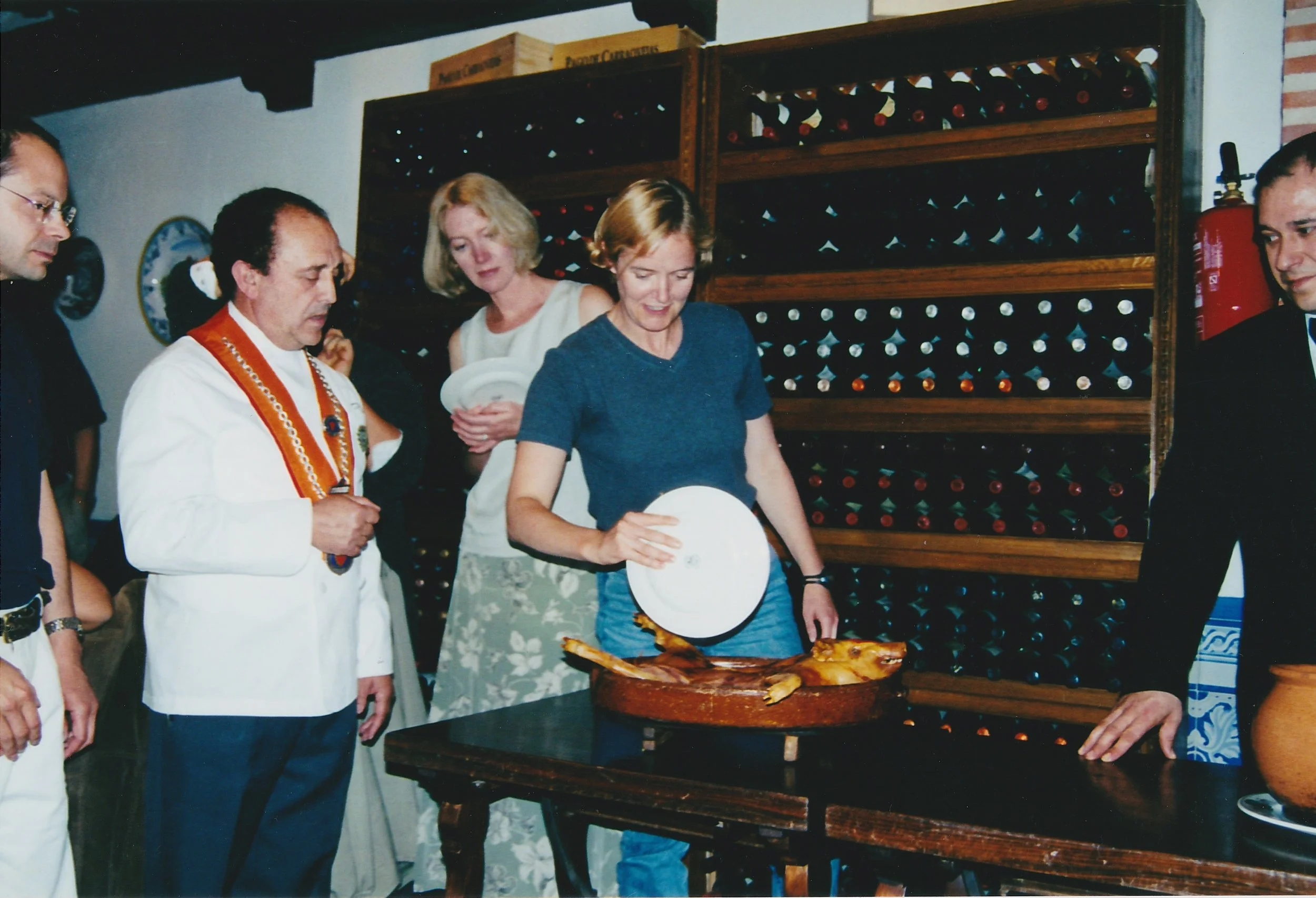
Segovia is famous for roast baby pig which is so tender you can cut it with a dinner plate
Madrid
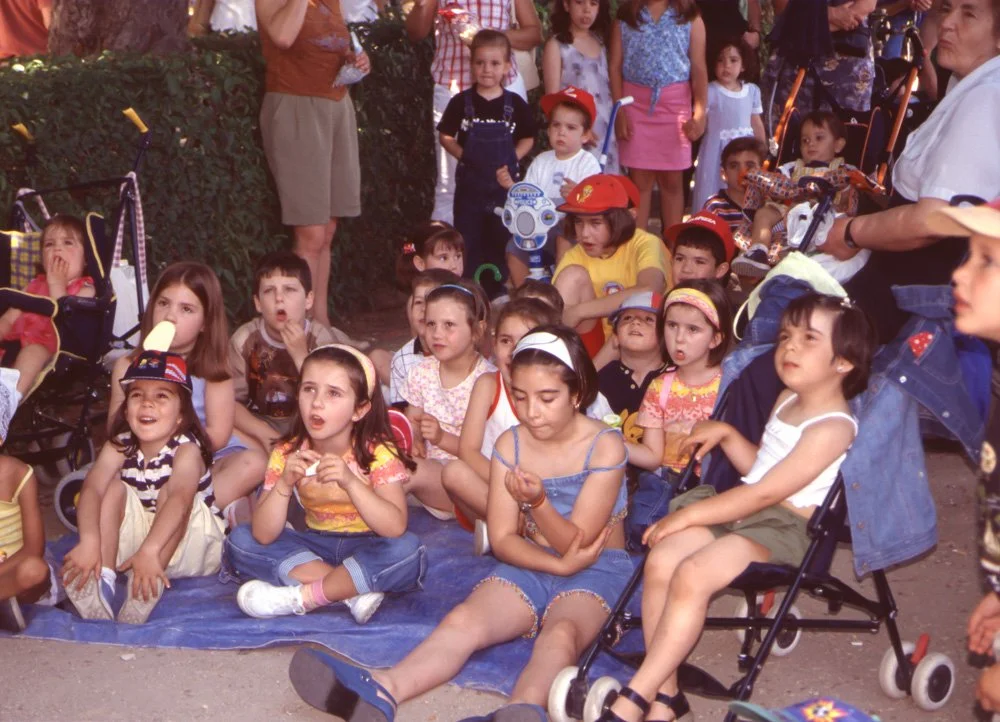
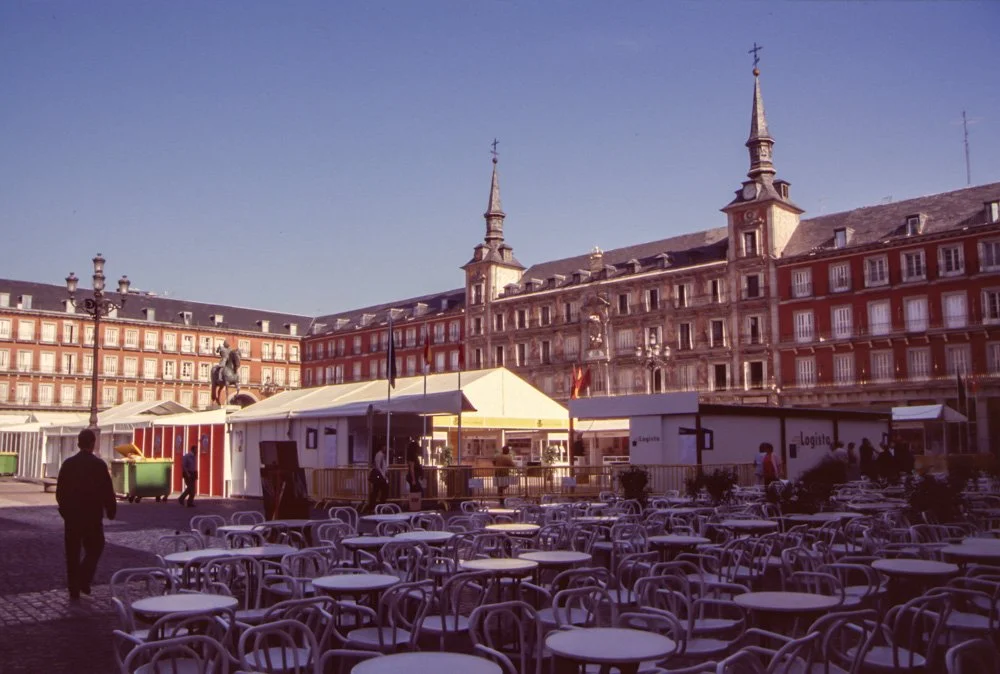
Plaza Major in Madrid
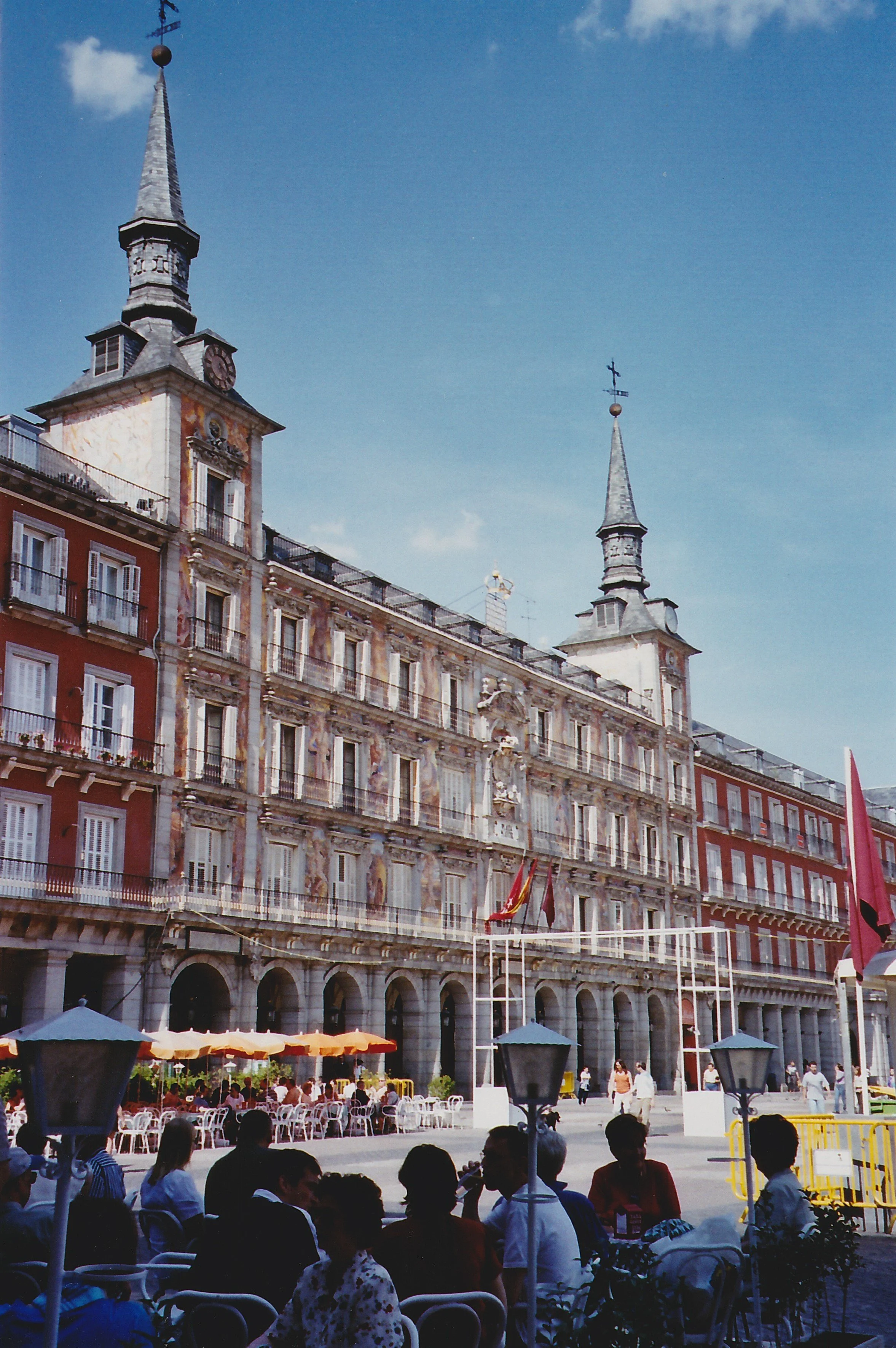
Plaza Major in Madrid
Toledo
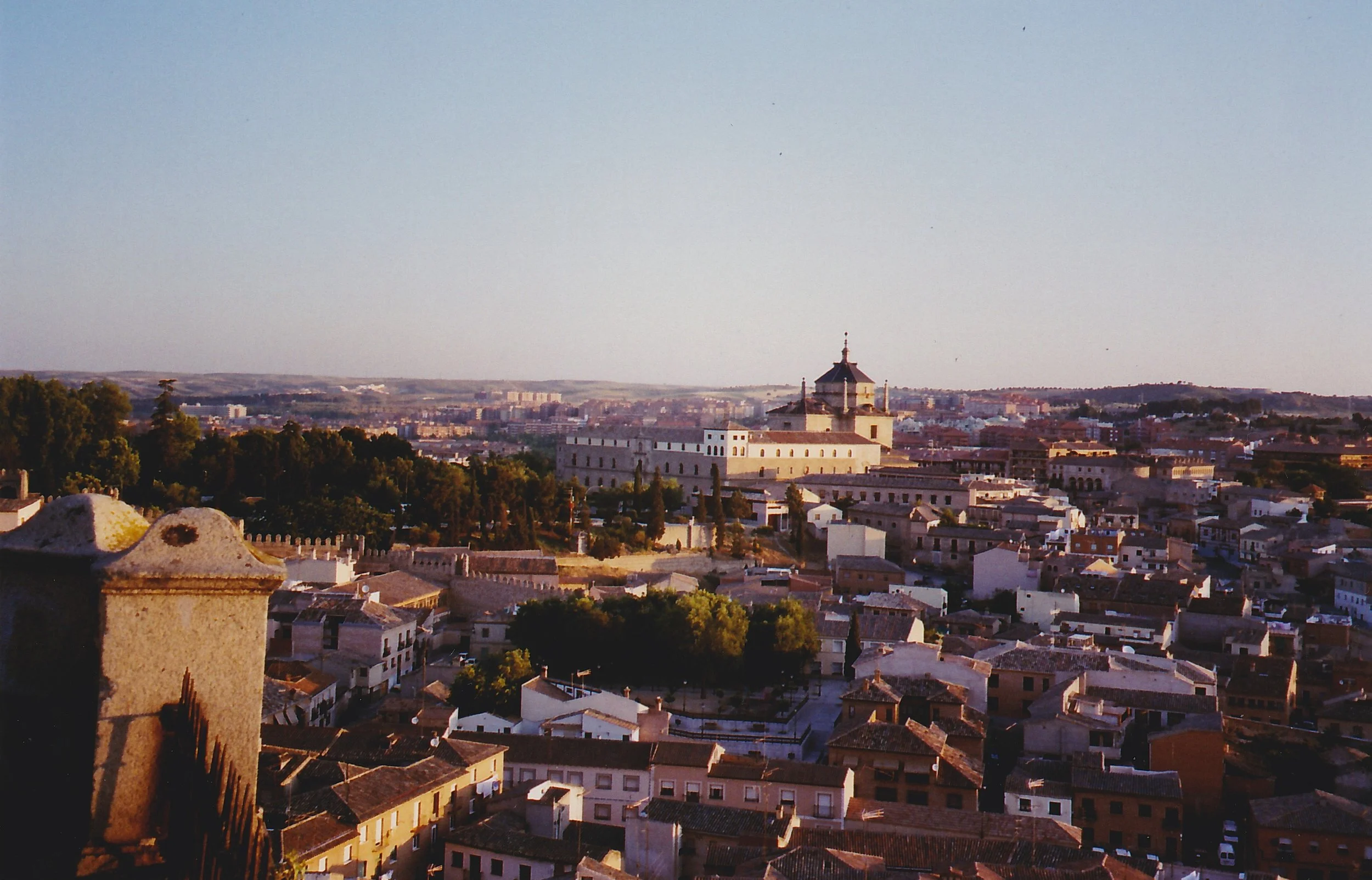
A historic and important old city that is famous for its sword-making industry. It was also the home of El Greco and houses some of his most famous works.
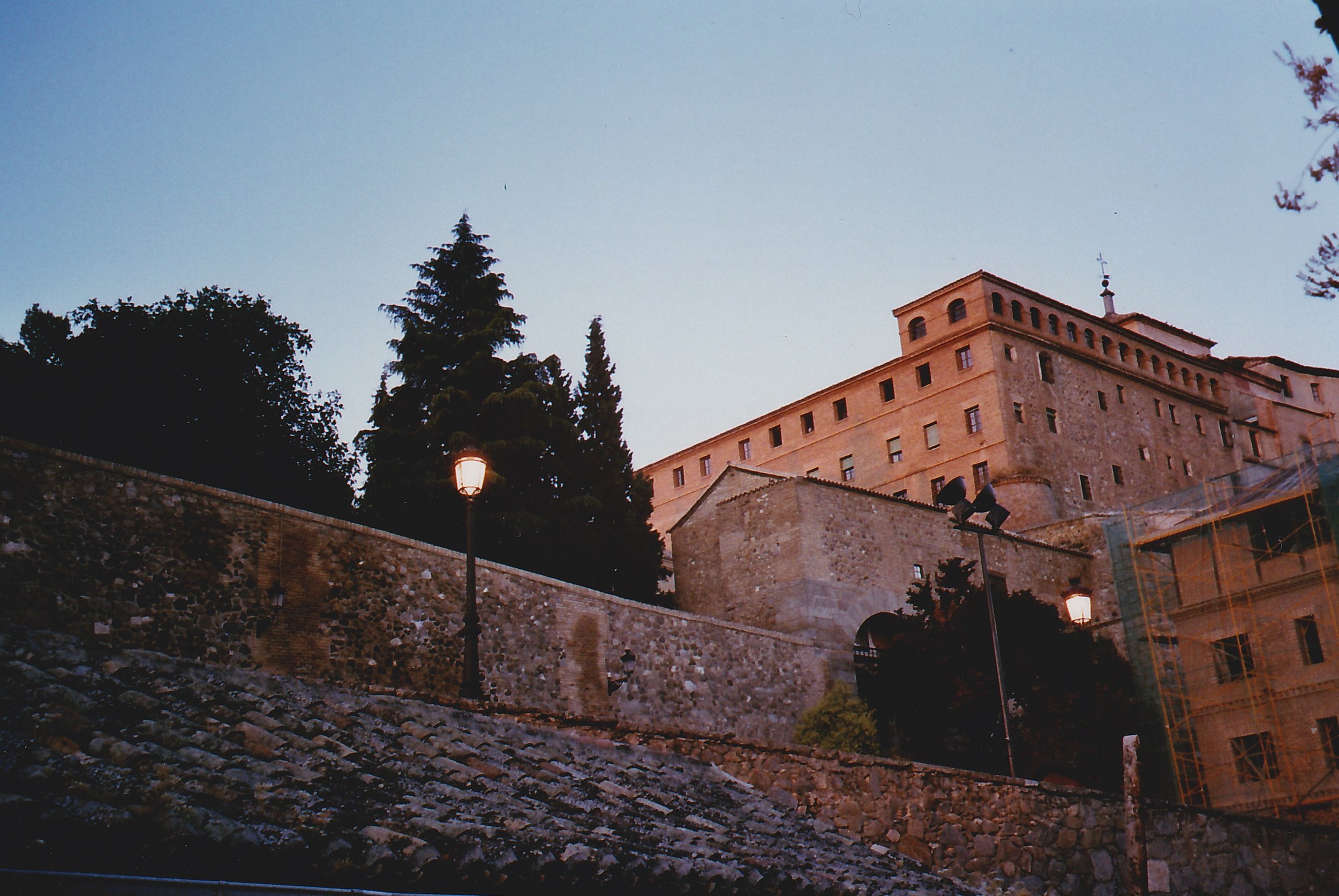
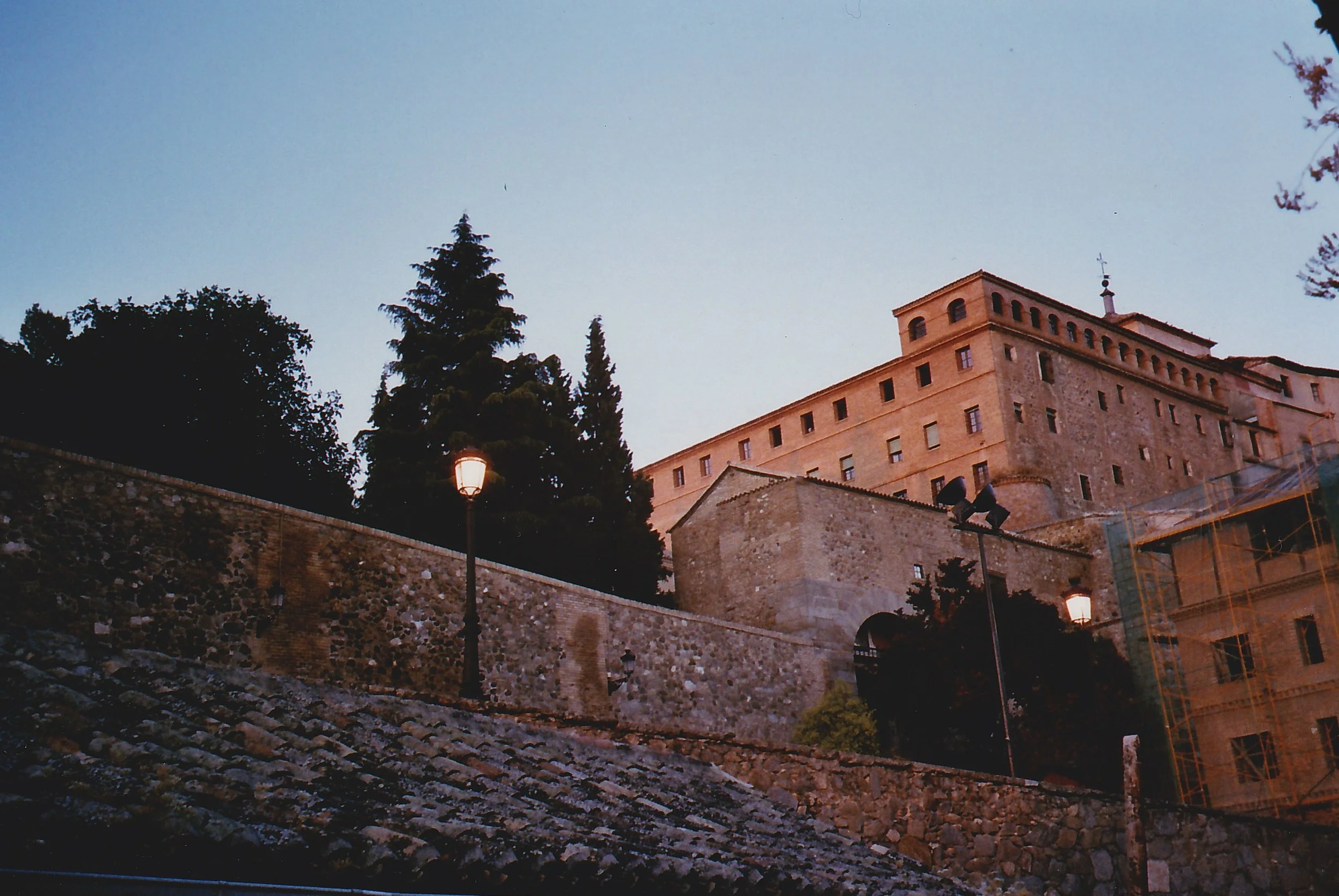
On an early morning walk
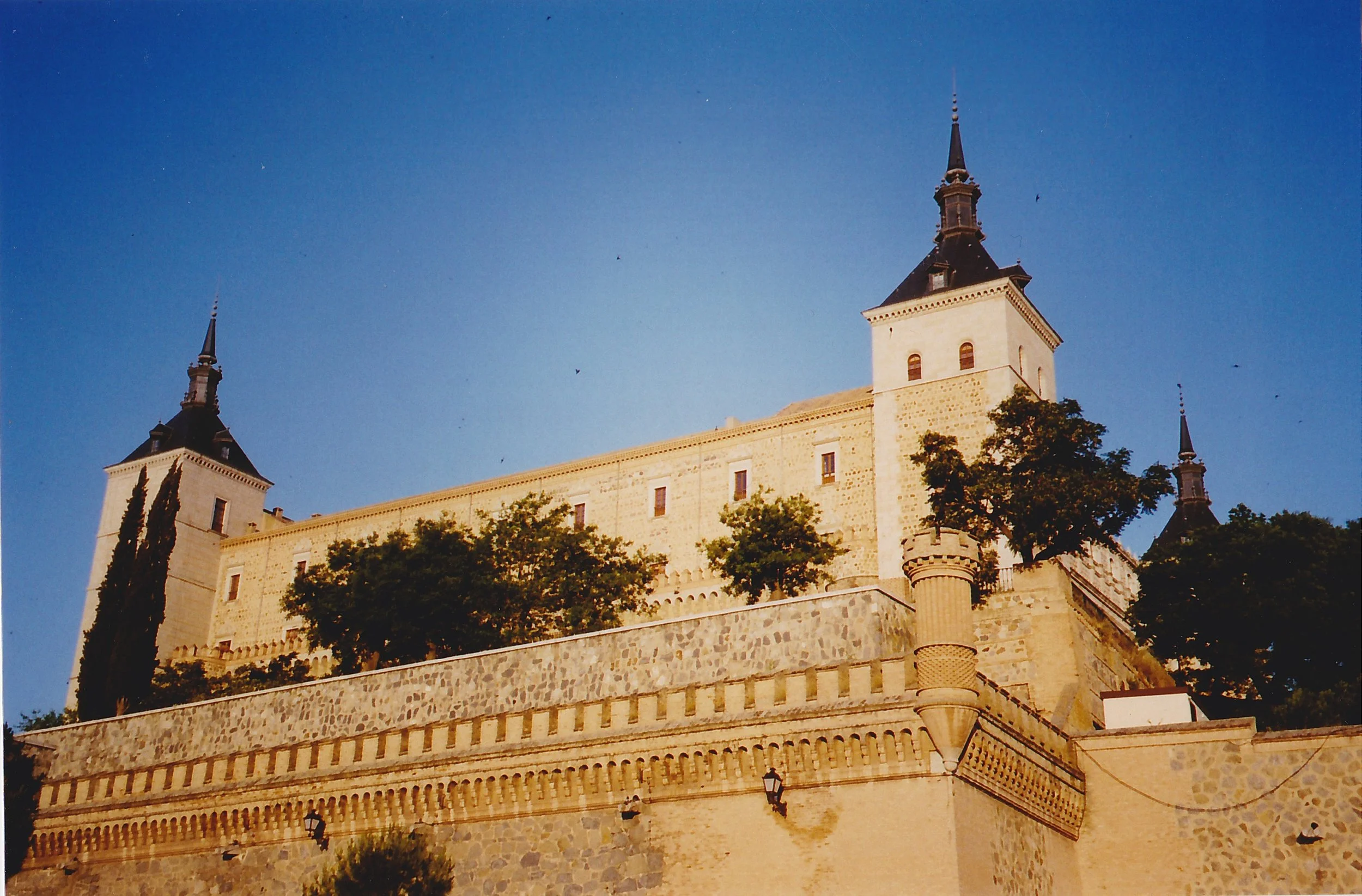
Toledo Alcazar in early morning
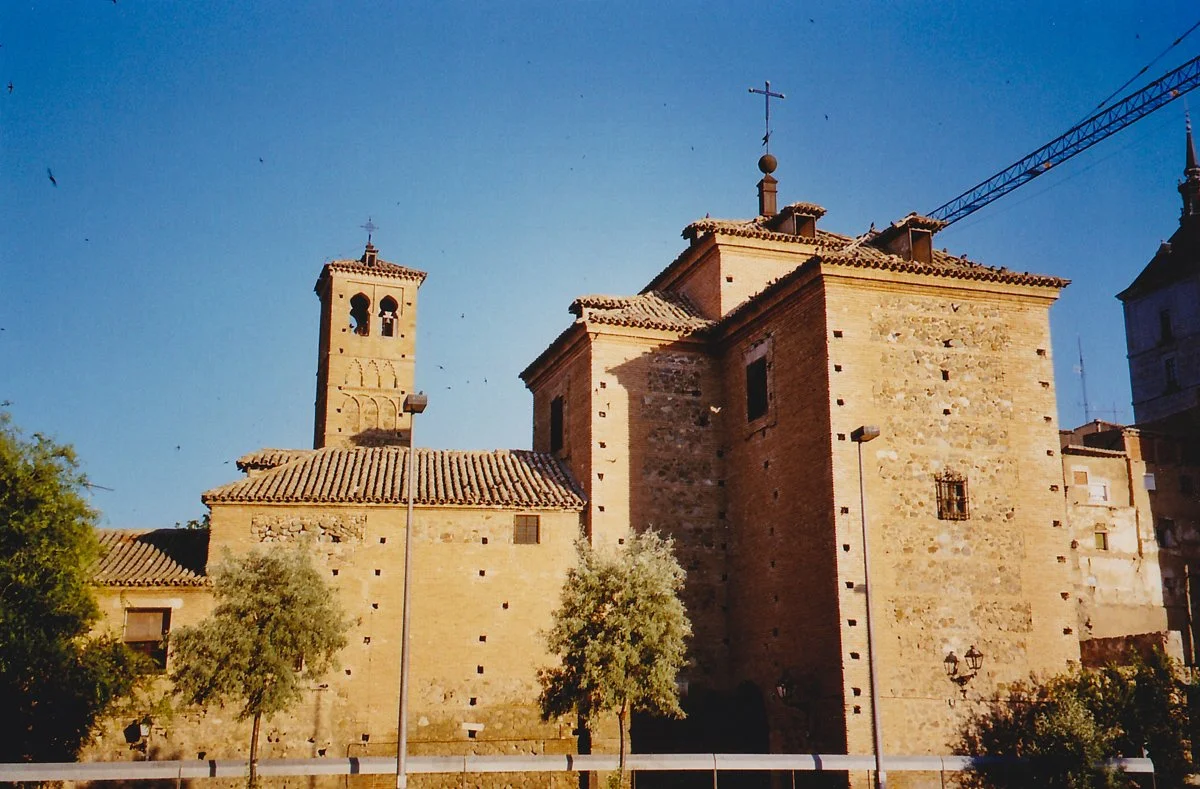
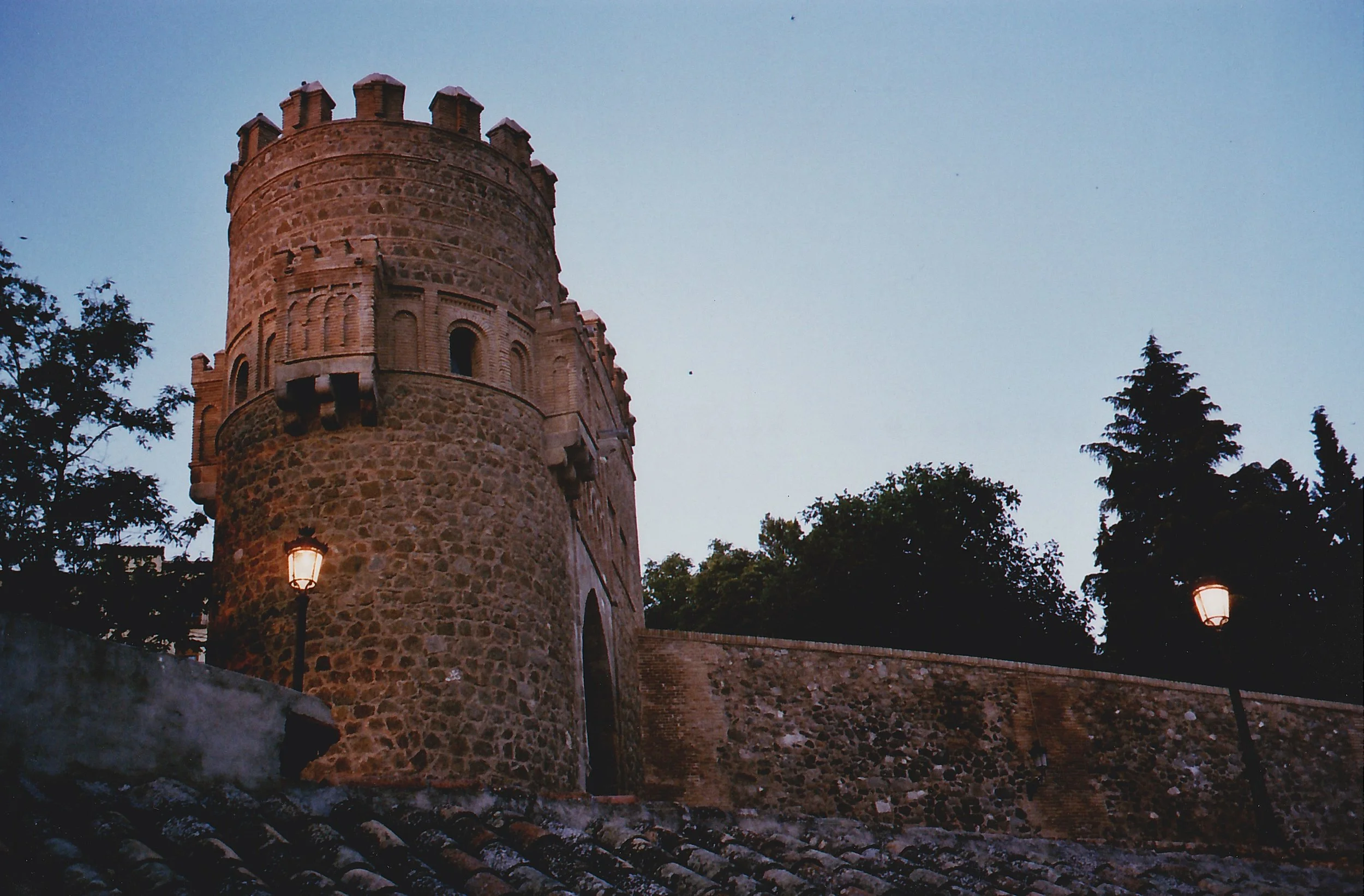
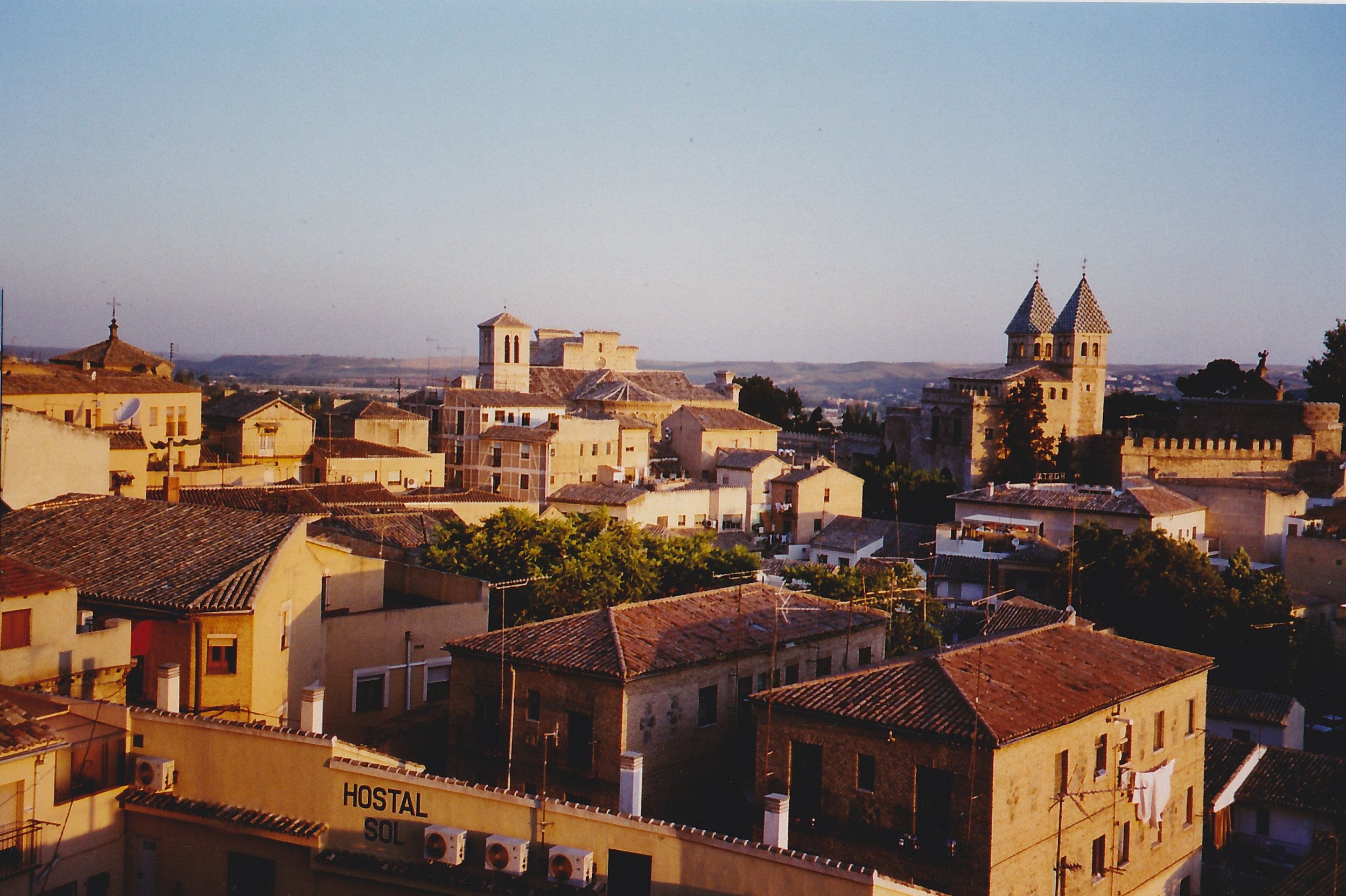
Alcazar from Hotel Sol
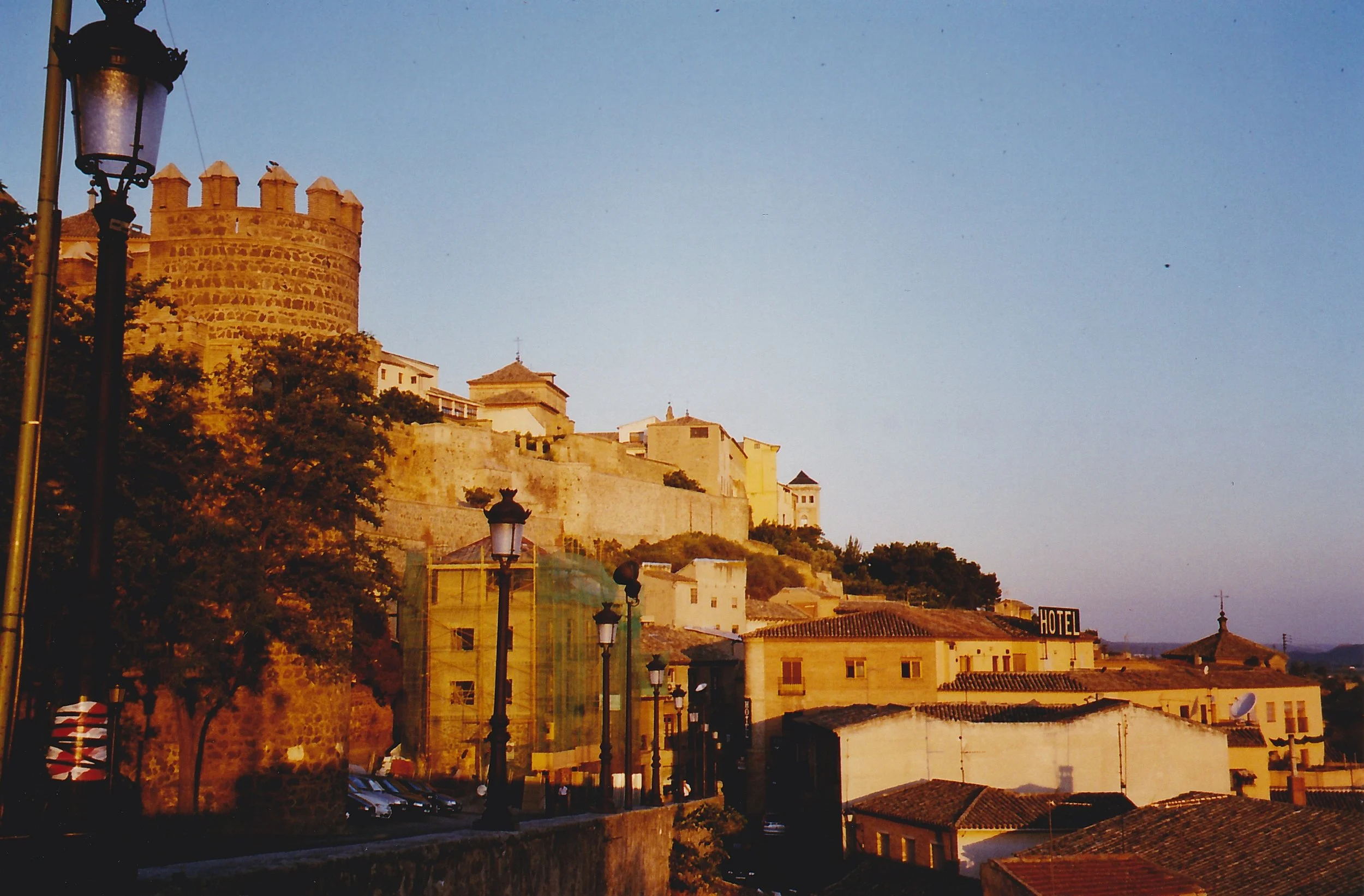
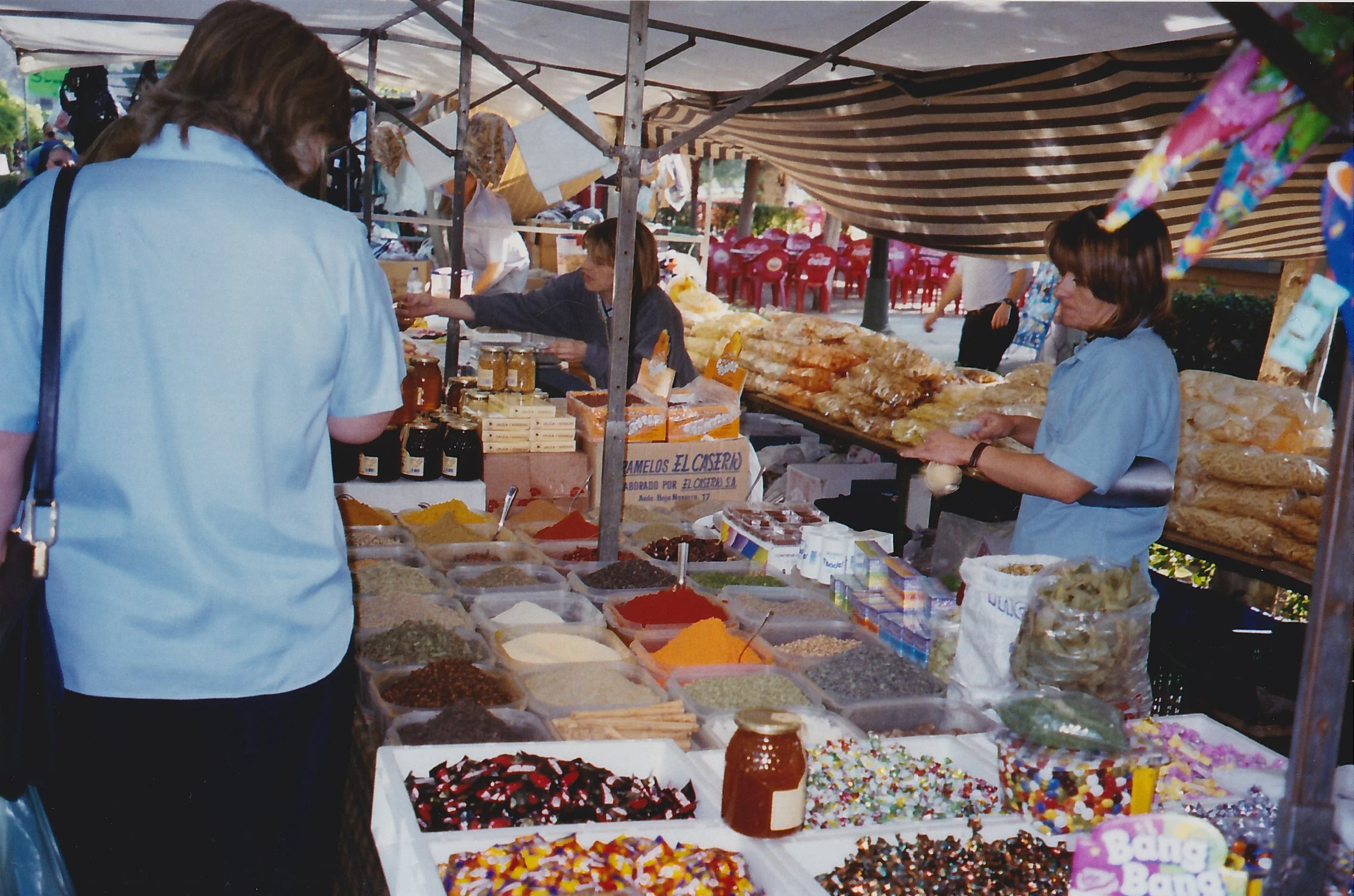
Flea market near Puerto Bisagra
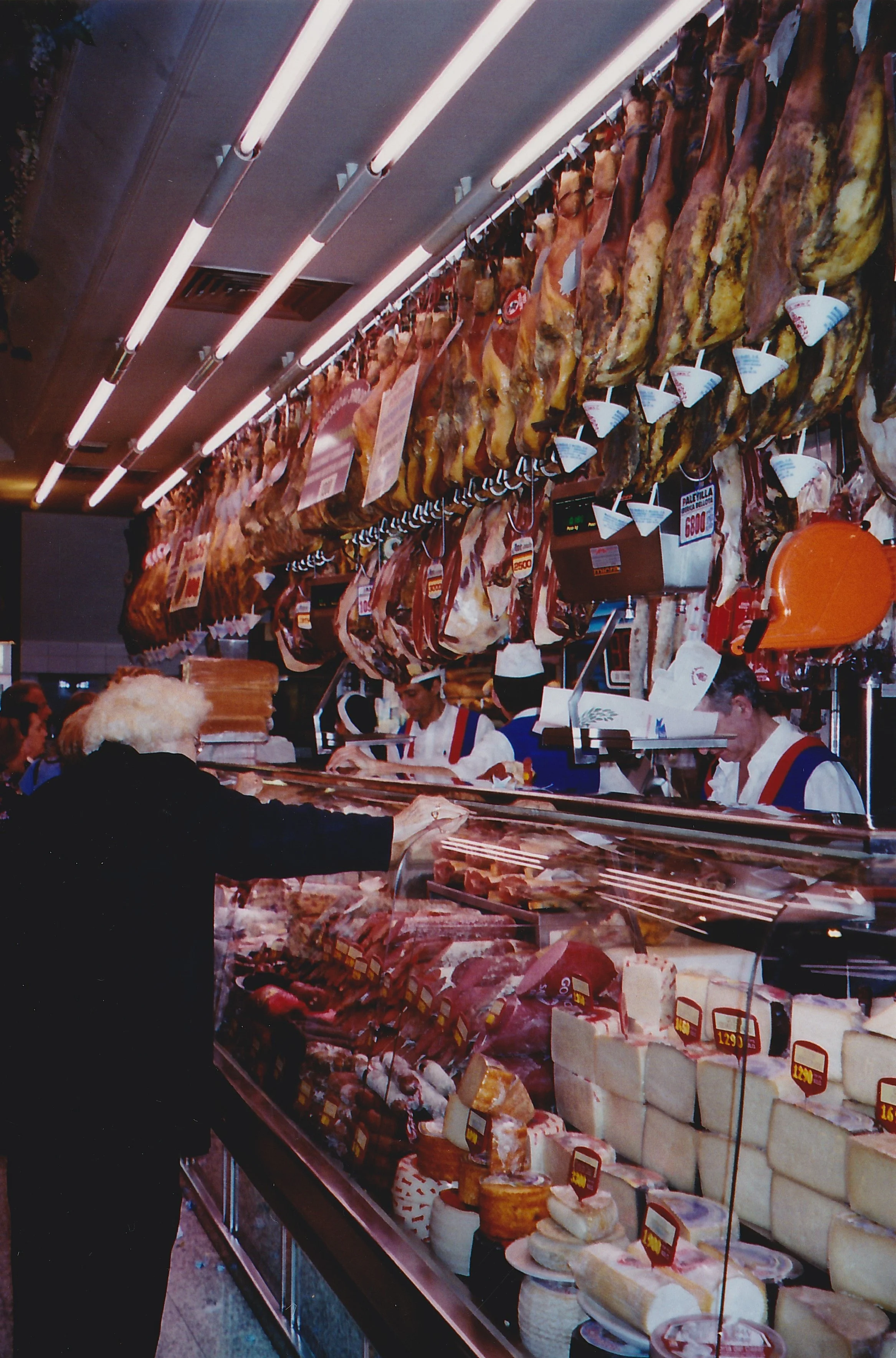
A typical butcher’s shop in Spain with an array of hams for purchase on the wall
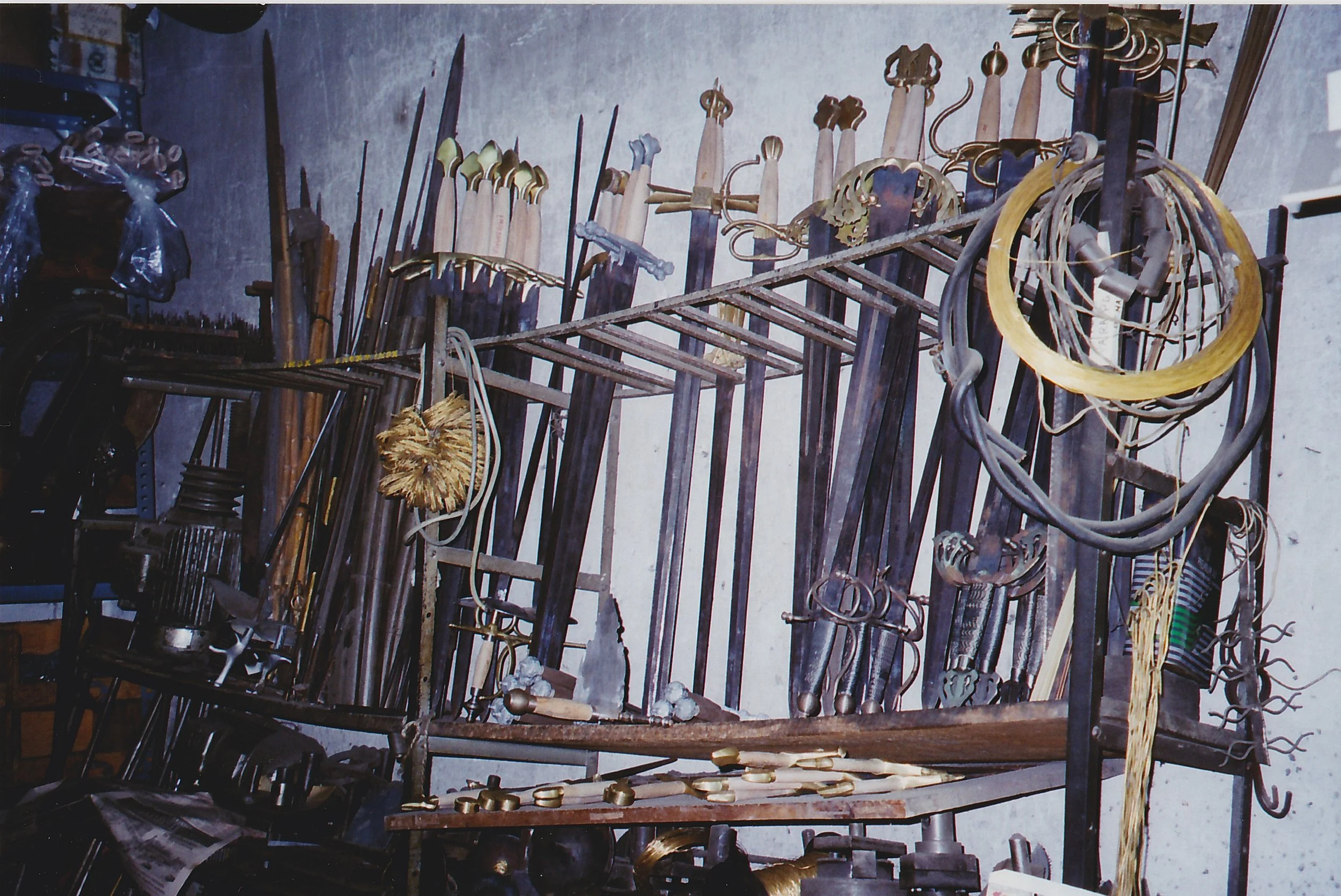
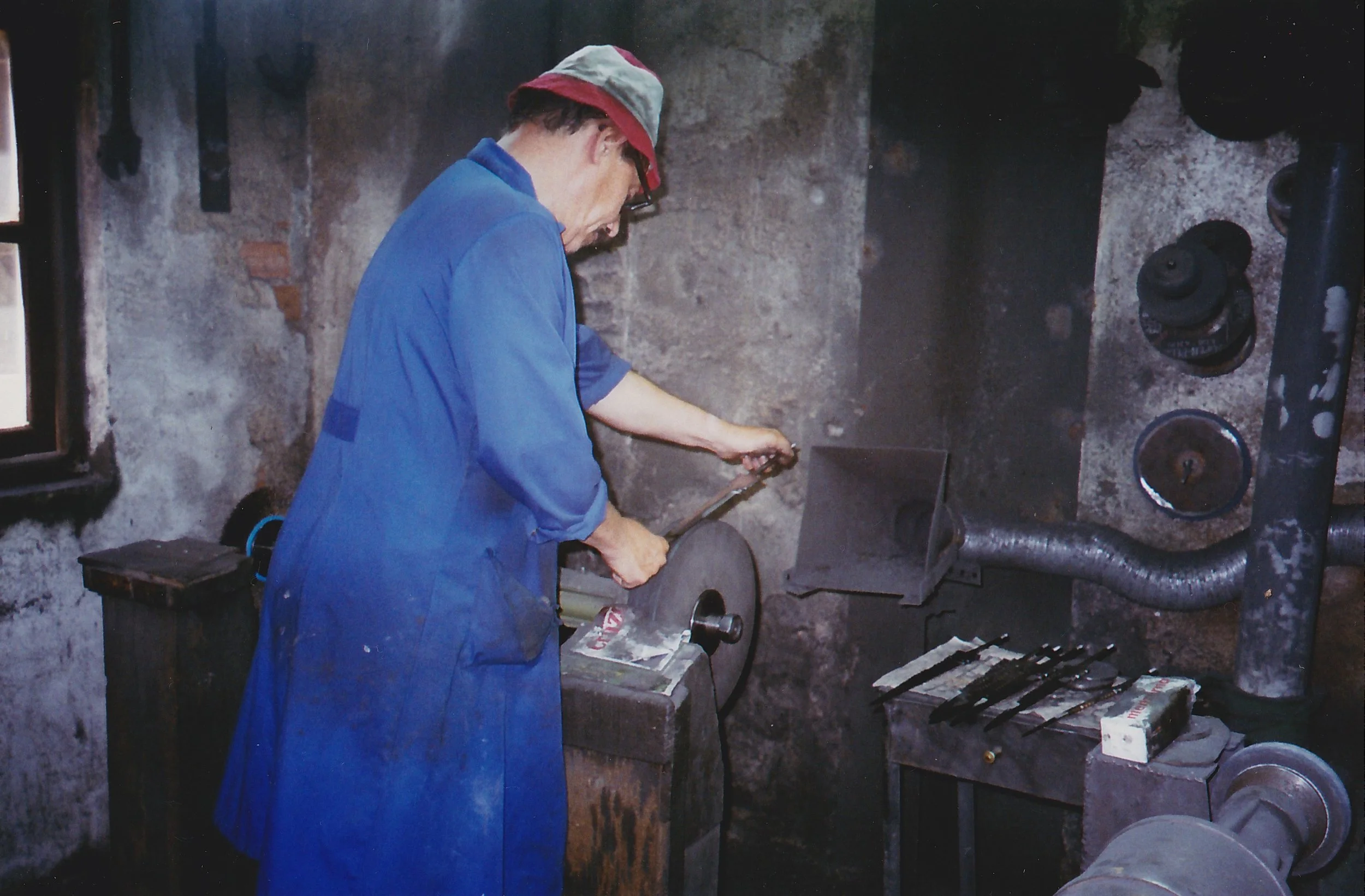
Toledo is famous for its sword making
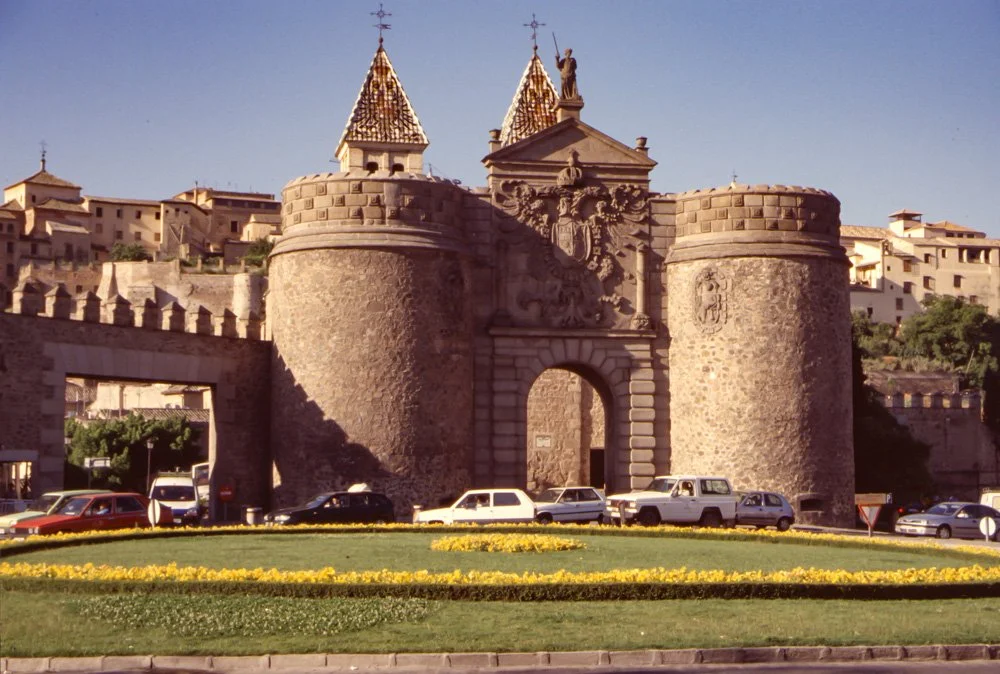
The Puerta de Bisagra Nueva (New Bisagra Gate), in Toledo
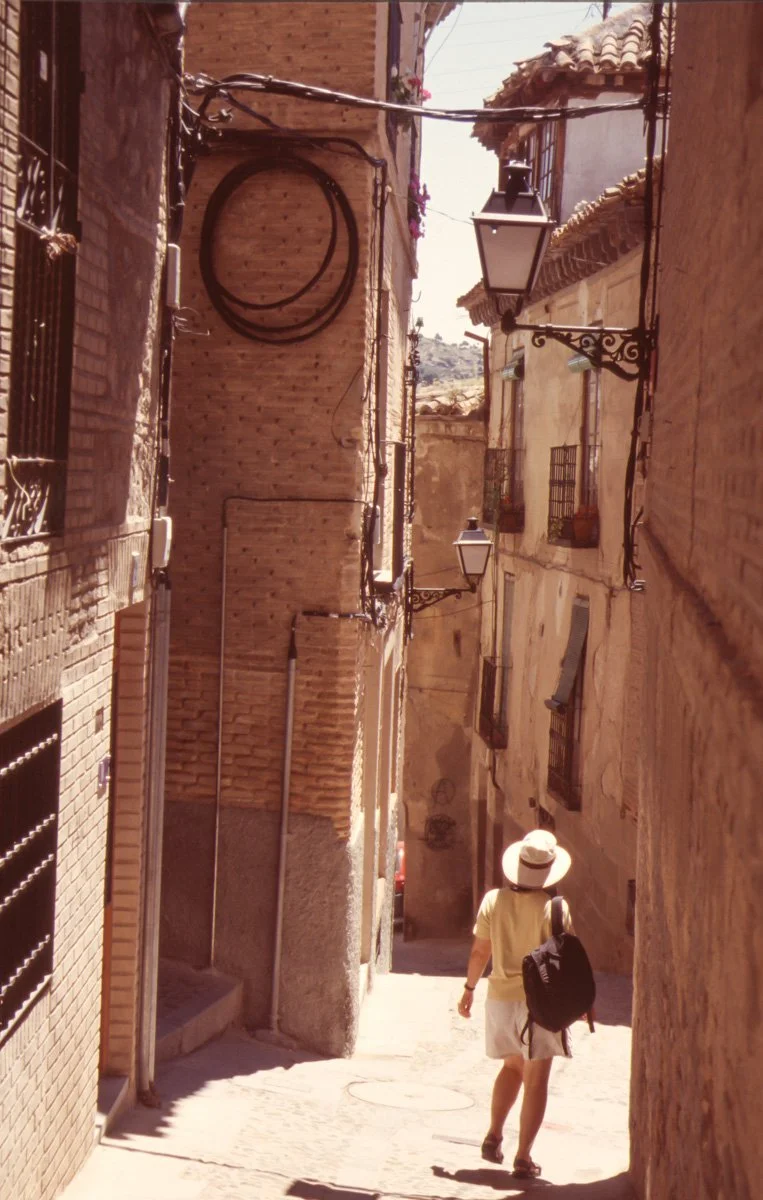
Toledo is very hilly with narrow winding streets
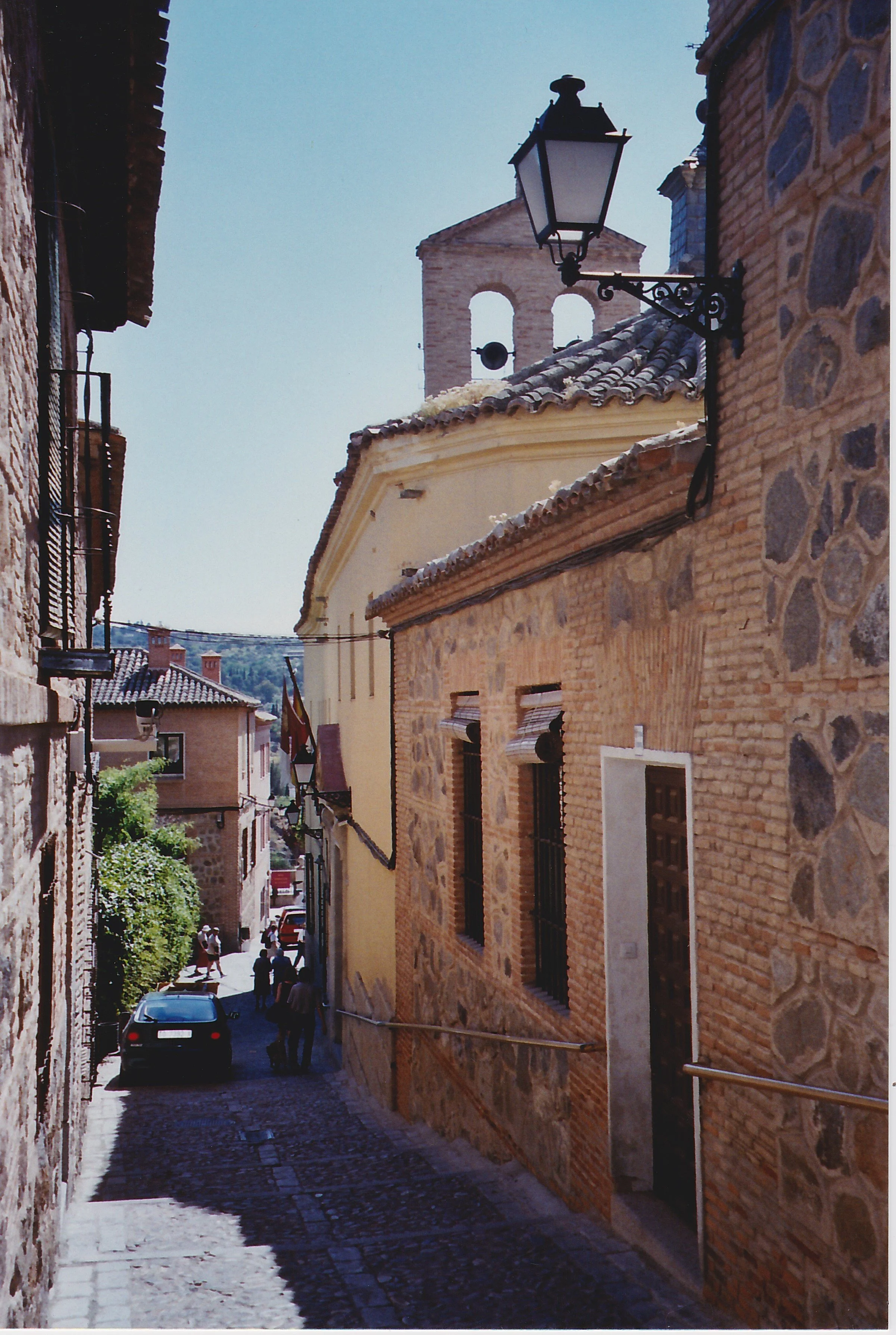
A challenging city to take a rental car
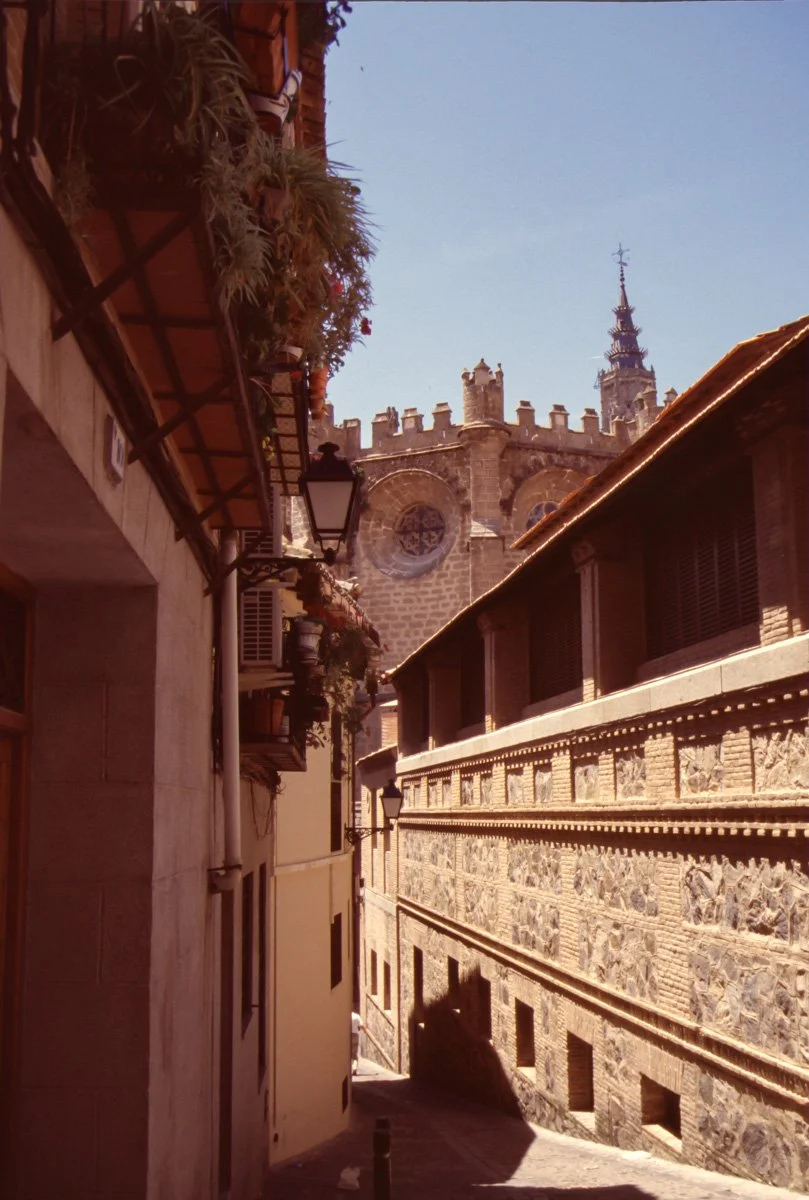
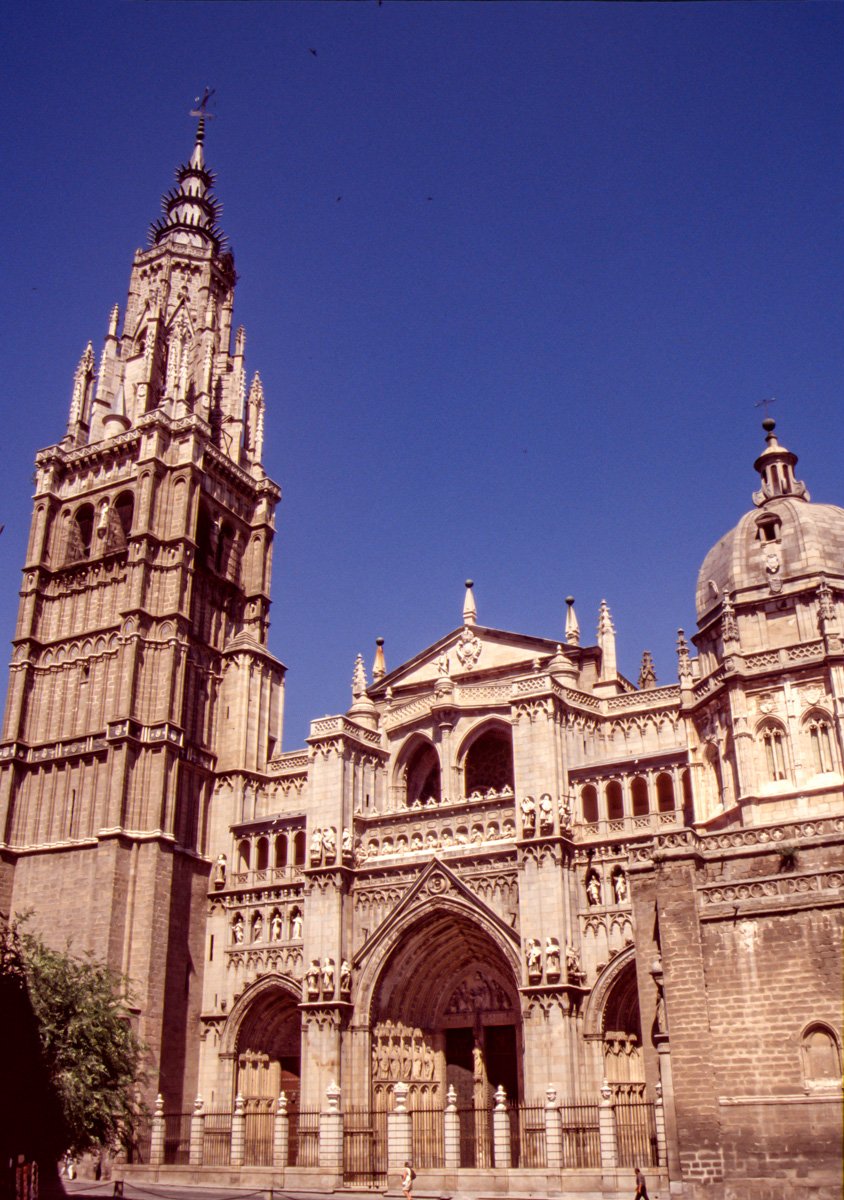
Toledo Cathedral
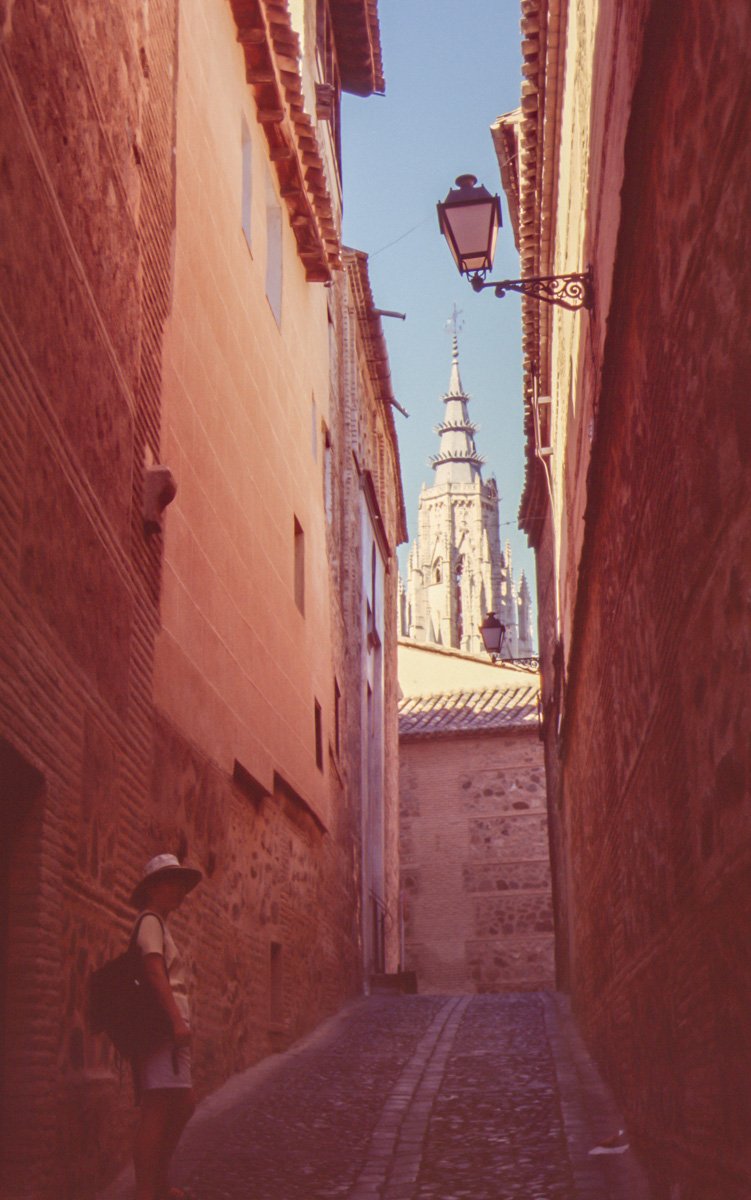
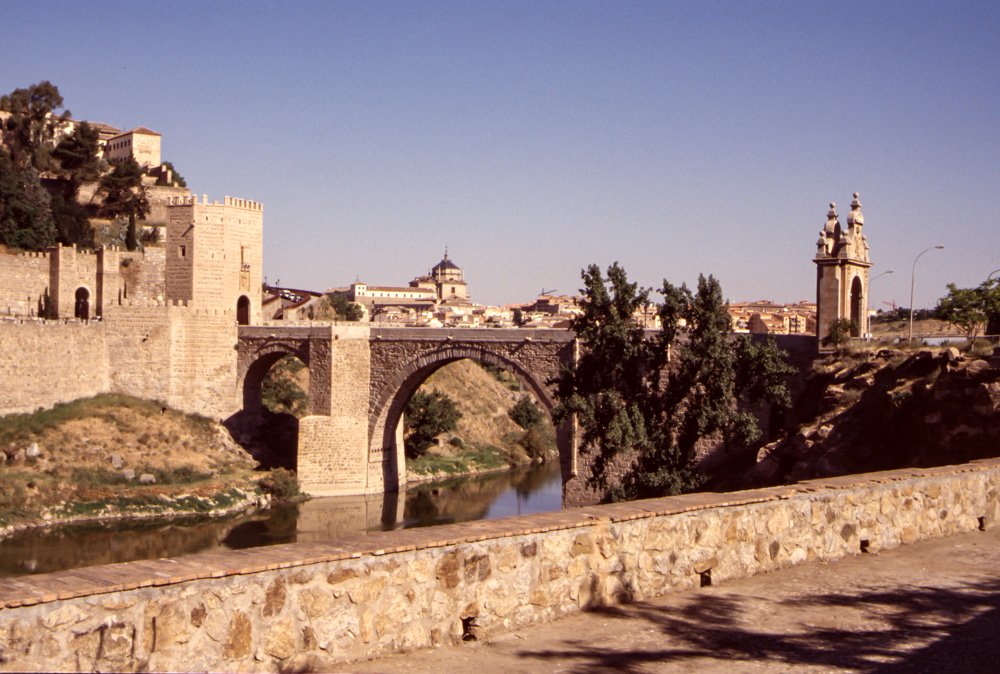
The historic Alcántara Bridges panning the Tagus River in Toledo
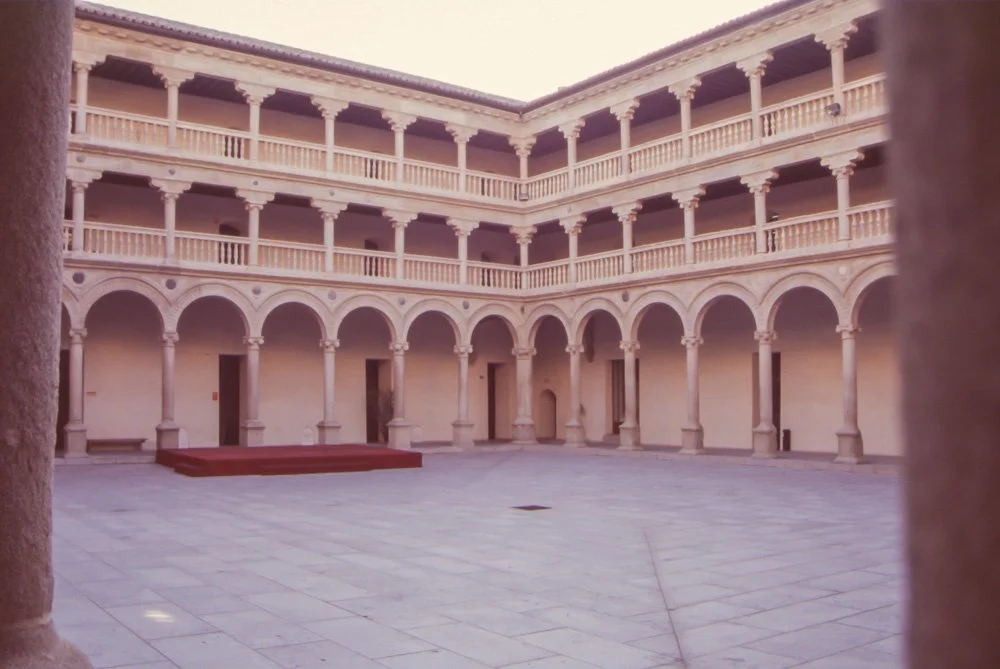
The Renaissance cloister of the Convento de San Pedro Mártir
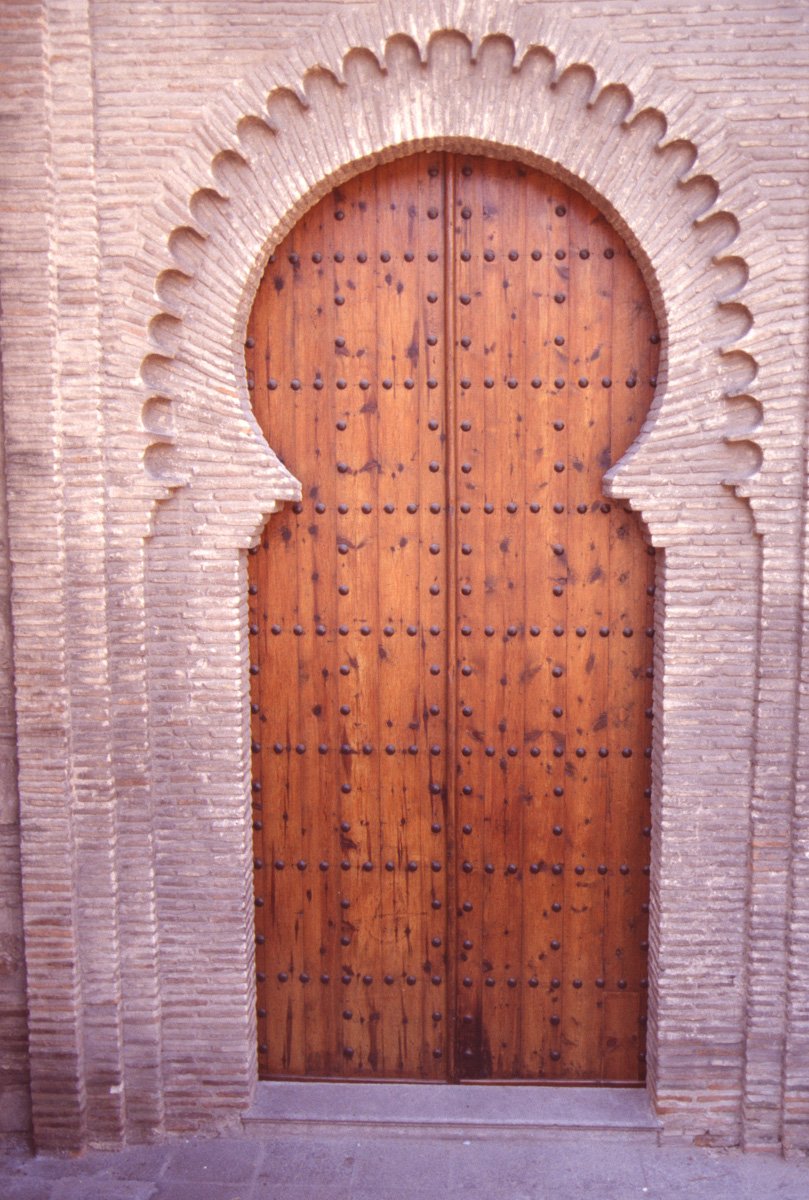
An old Moorish doorway in Toledo
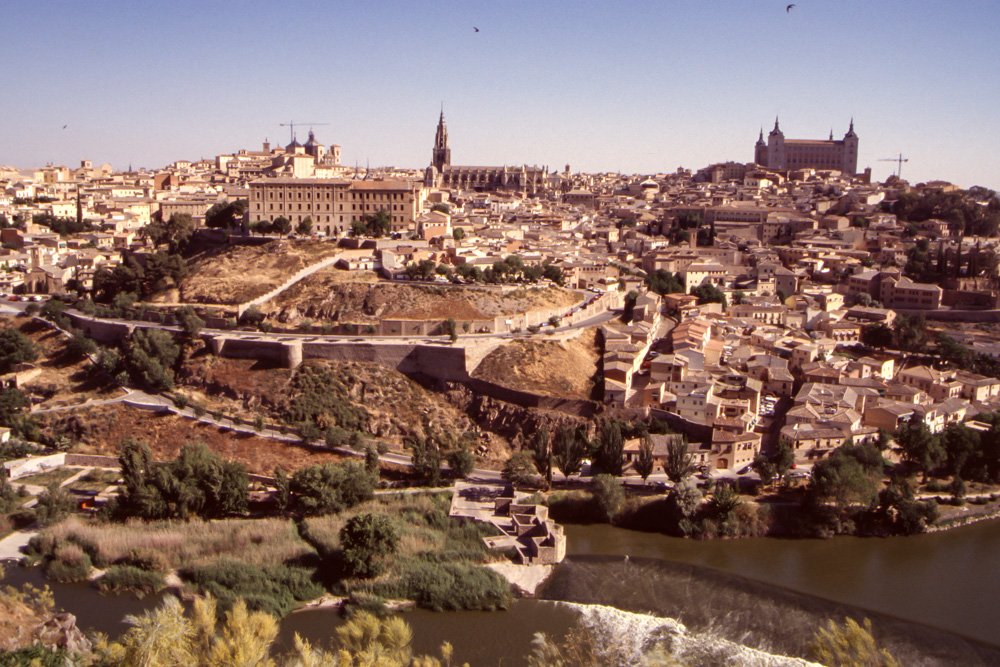
An attempt to replicate El Greco’s famous painting “View of Toledo”
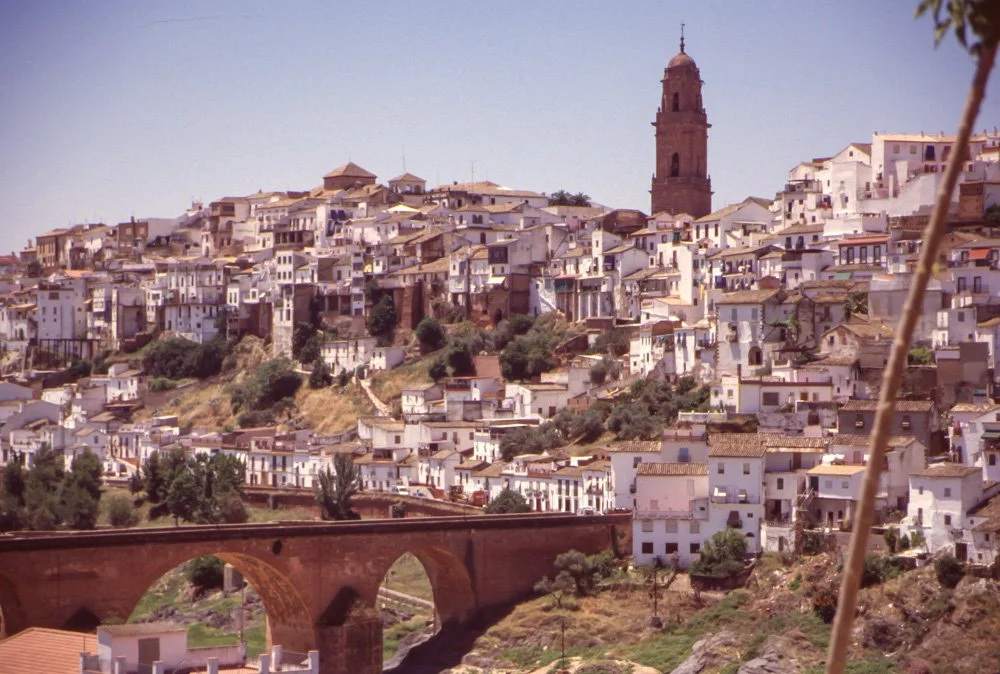
View of Montoro
Cordoba
A city with a long and rich historical heritage of Roman and Islamic architecture, the jewel of which is the large Mesquita Mosque Cathedral. The city has four separate World Heritage sites.
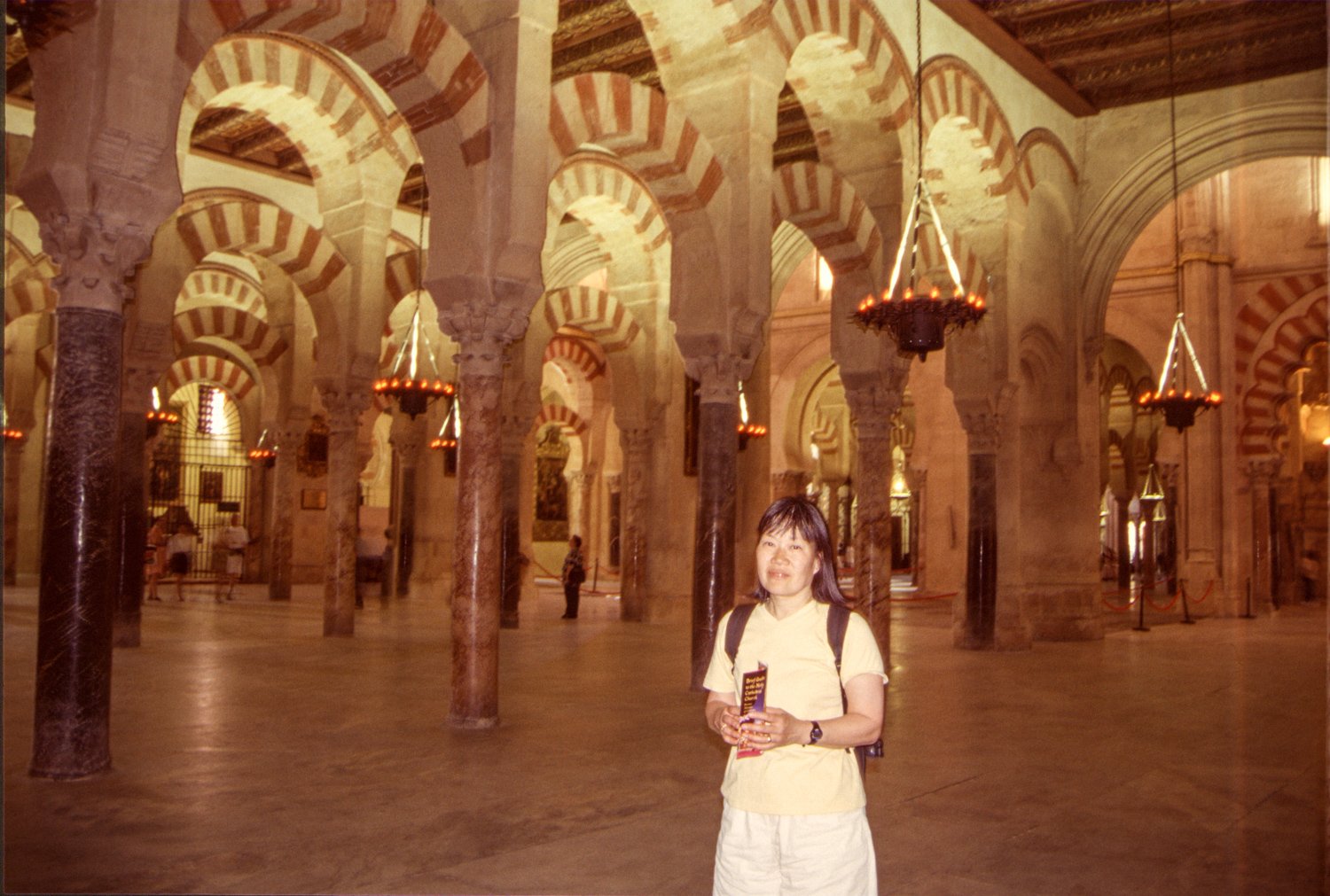
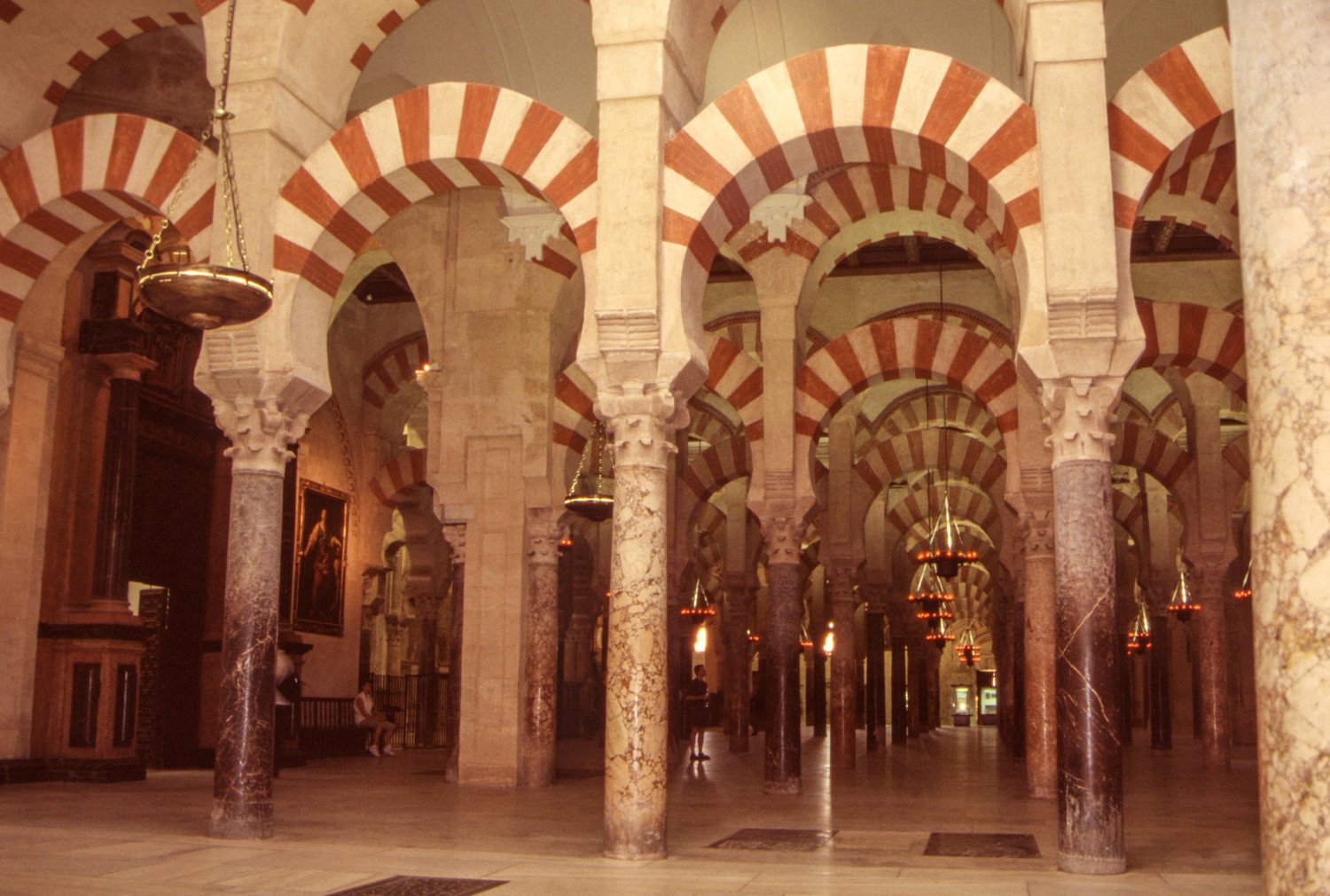
Inside the famous Mezquita, or Great Mosque of Cordoba, which is large enough that there is a Christian church inside.
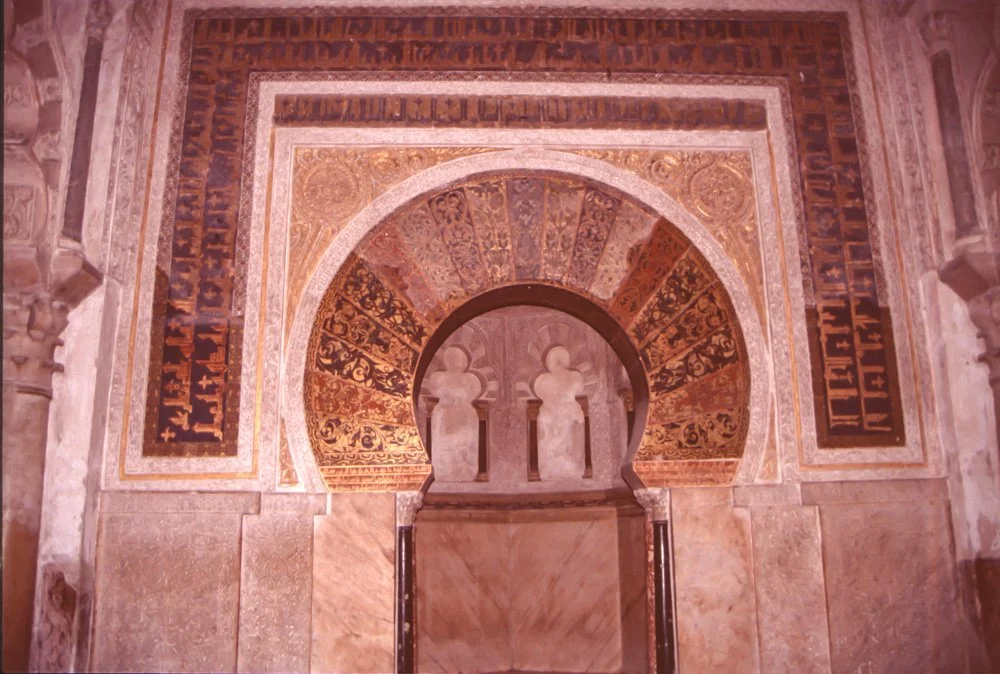
The mihrab of the Mosque-Cathedral of Cordoba
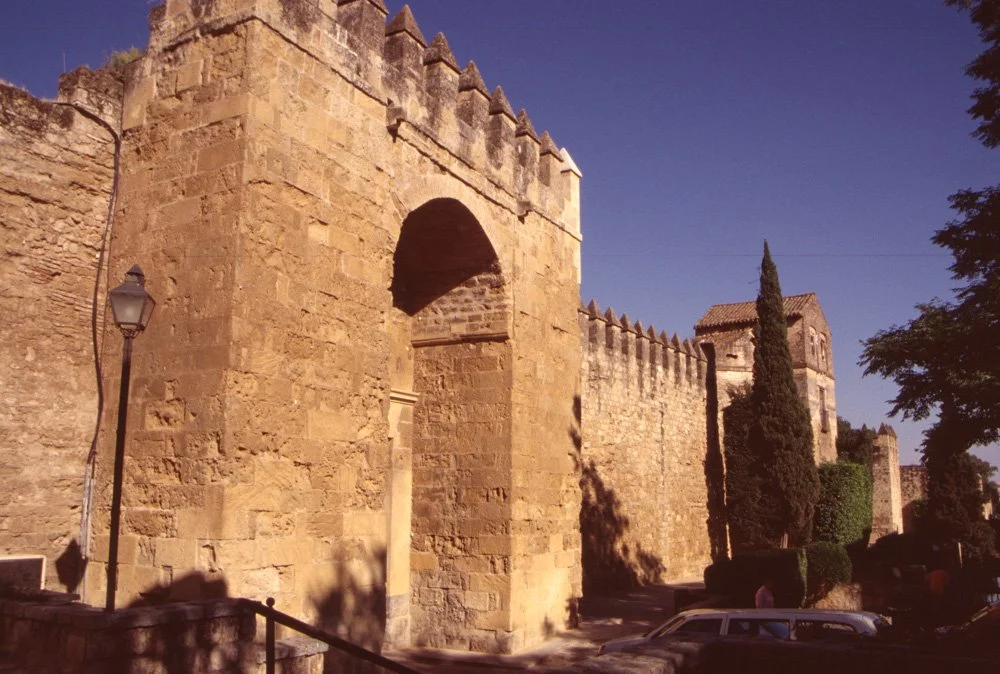
Puerta de Almodóvar (Almodóvar Gate)
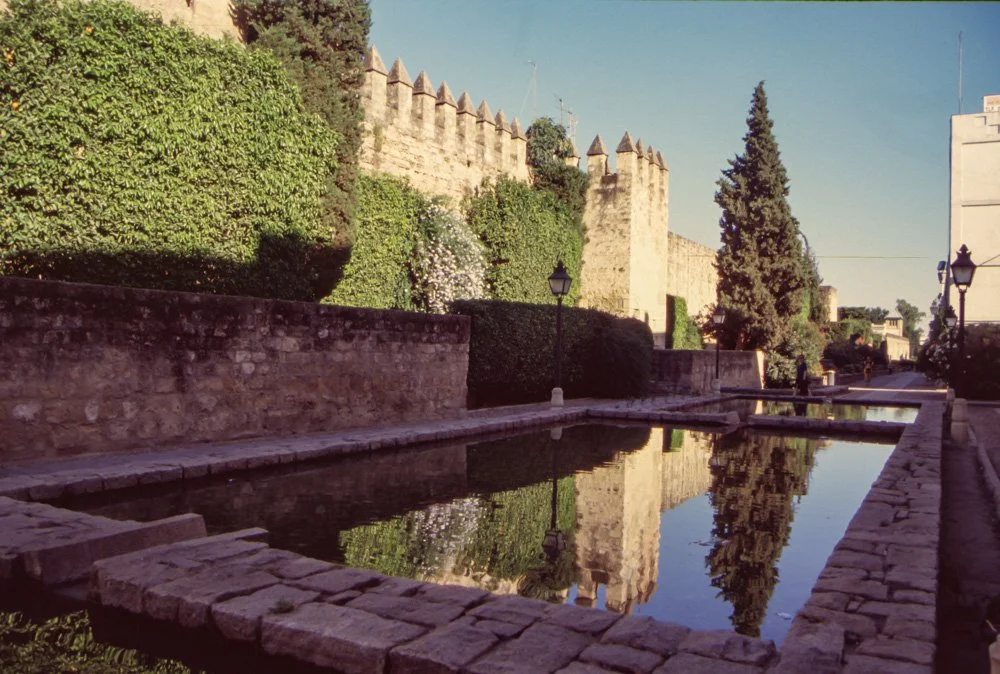
Alcázar de los Reyes Cristianos (Castle of the Christian Monarchs)

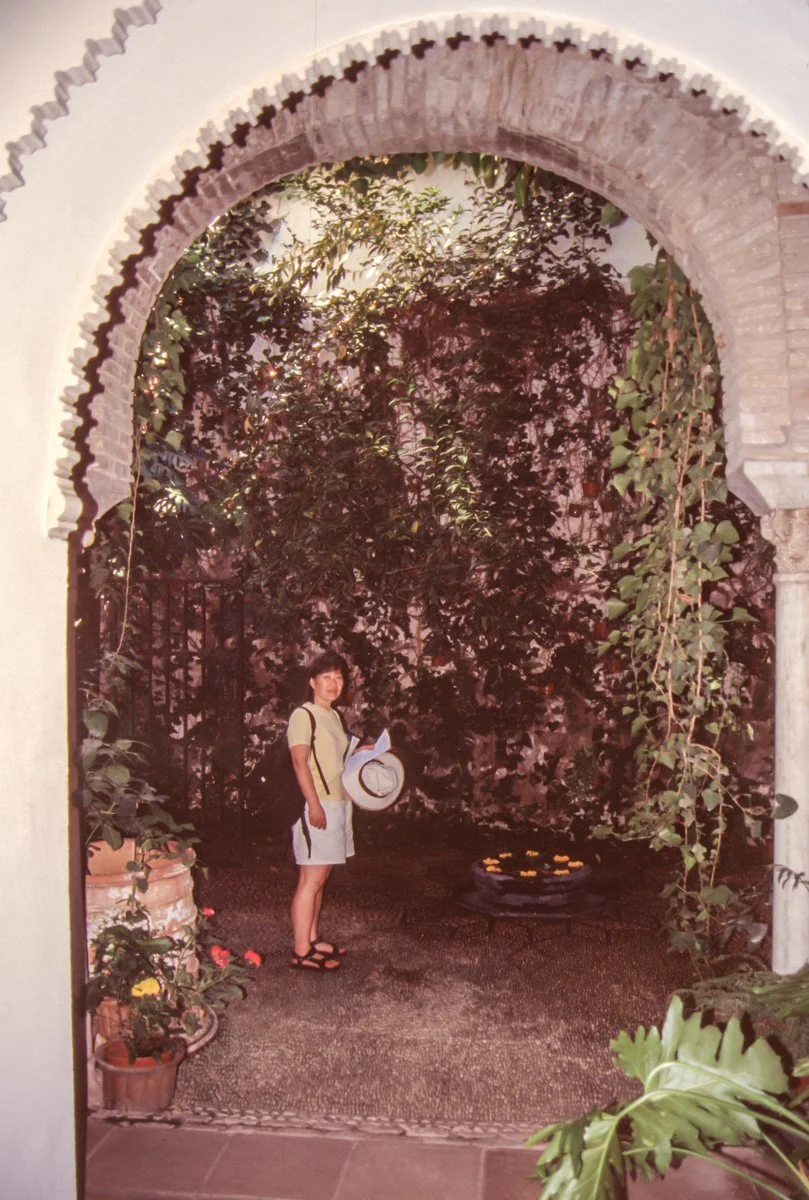
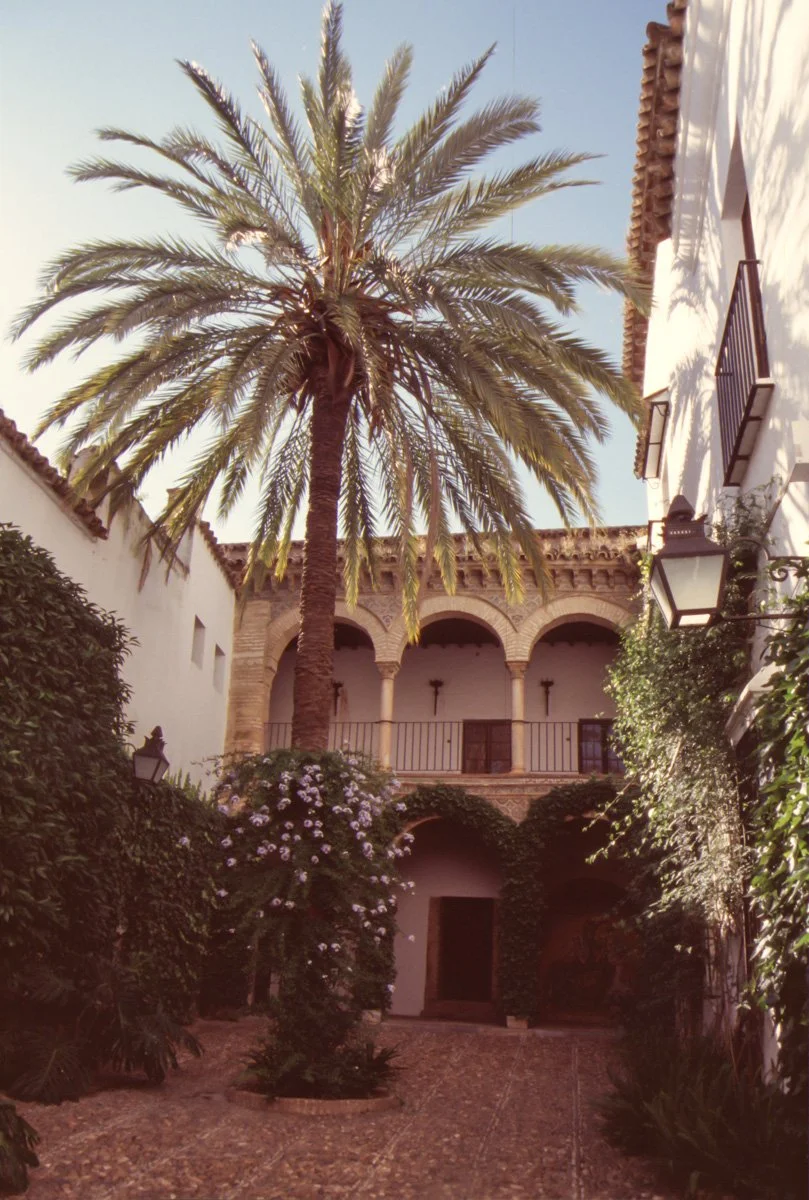
Courtyard of our Hostal La Fuente
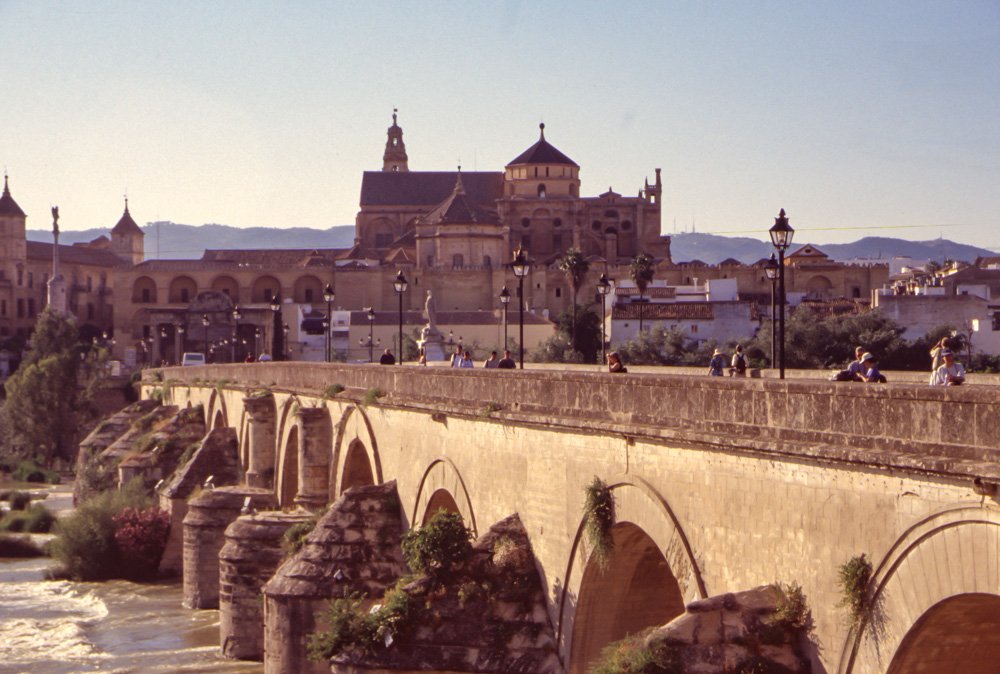
The Roman Bridge of Córdoba spanning the Guadalquivir River, with the historic Mezquita Mosque of Cordoba behind it.
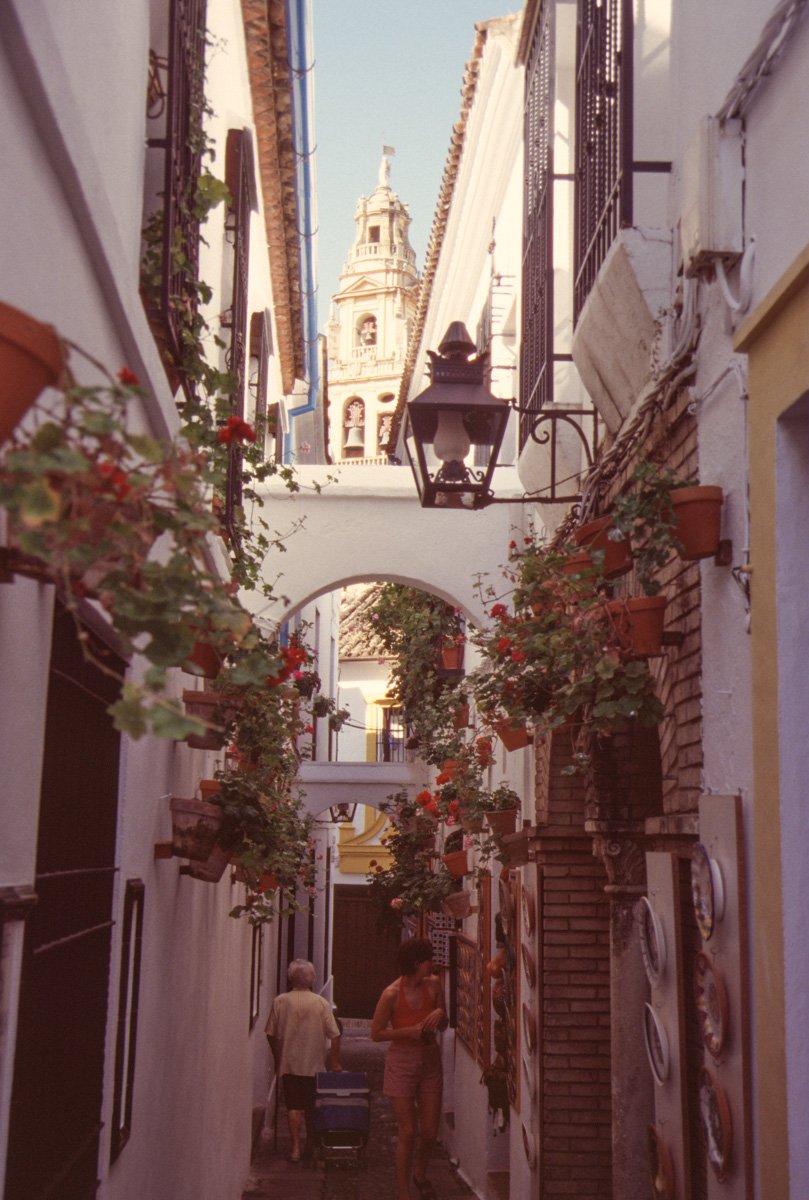
The Calleja de las Flores (Flower Street) in Córdoba, a famous narrow alleyway in the historic Jewish quarter with the Torre Campanario bell tower in the back
Espejo
A small town with a gorgeous view of the countryside filled with olive trees
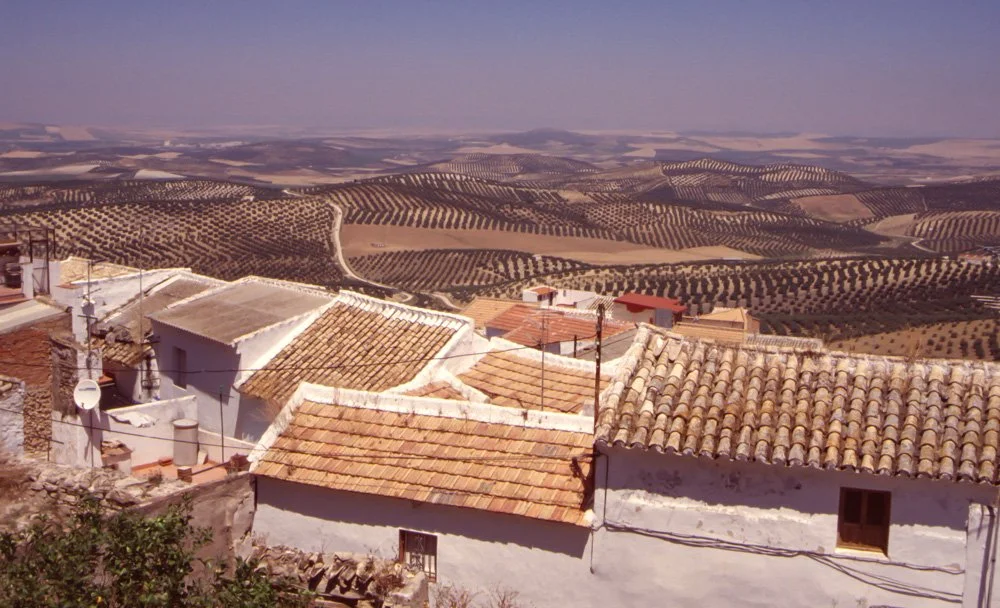
The countryside has olive trees stretching to the horizon
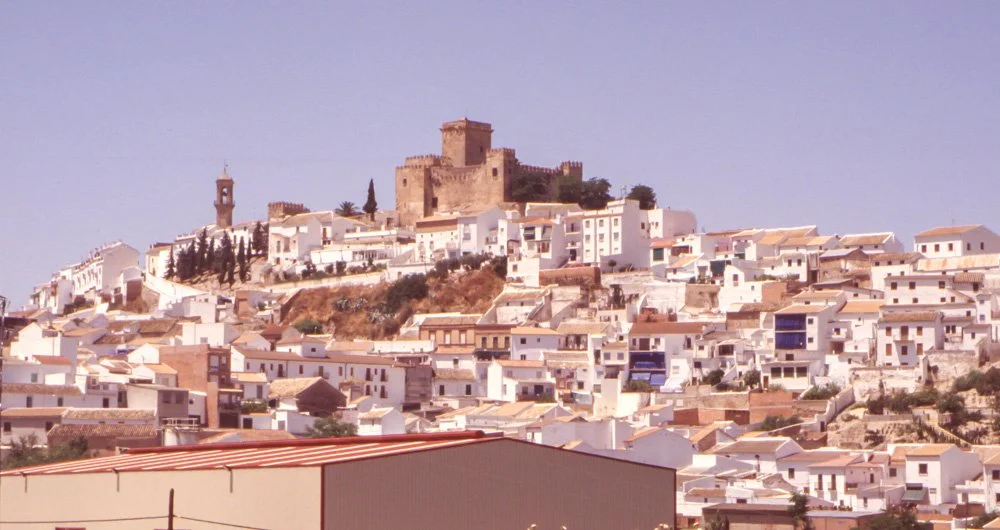
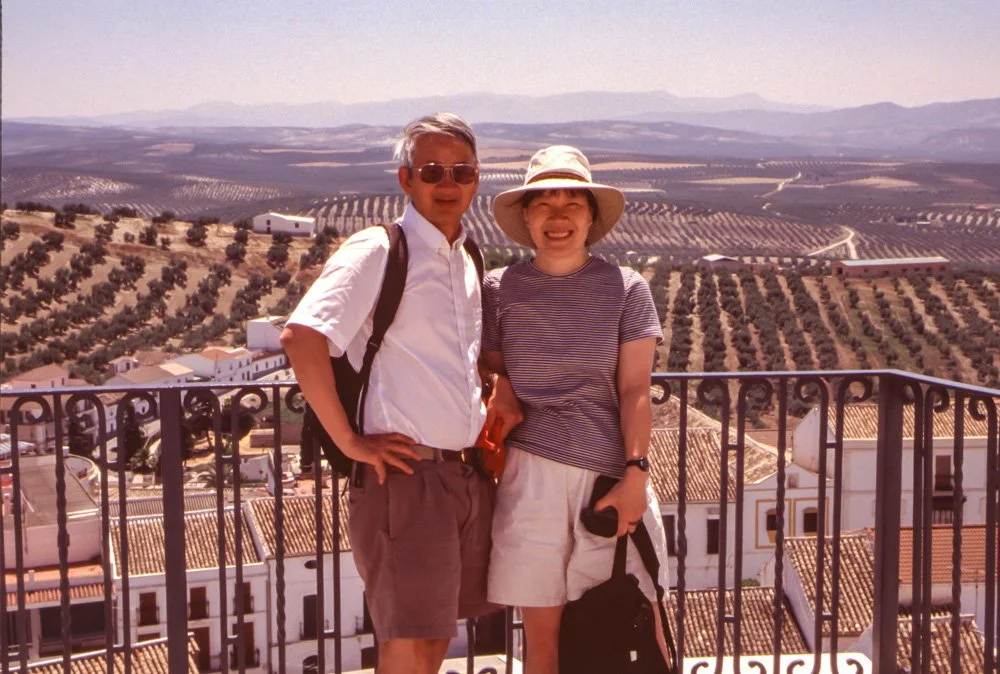
Man of LaMancha country
Granada
Granada is the largest city in Andalucia and is the site of the monumental palace of Islamic architecture, the Alhambra.

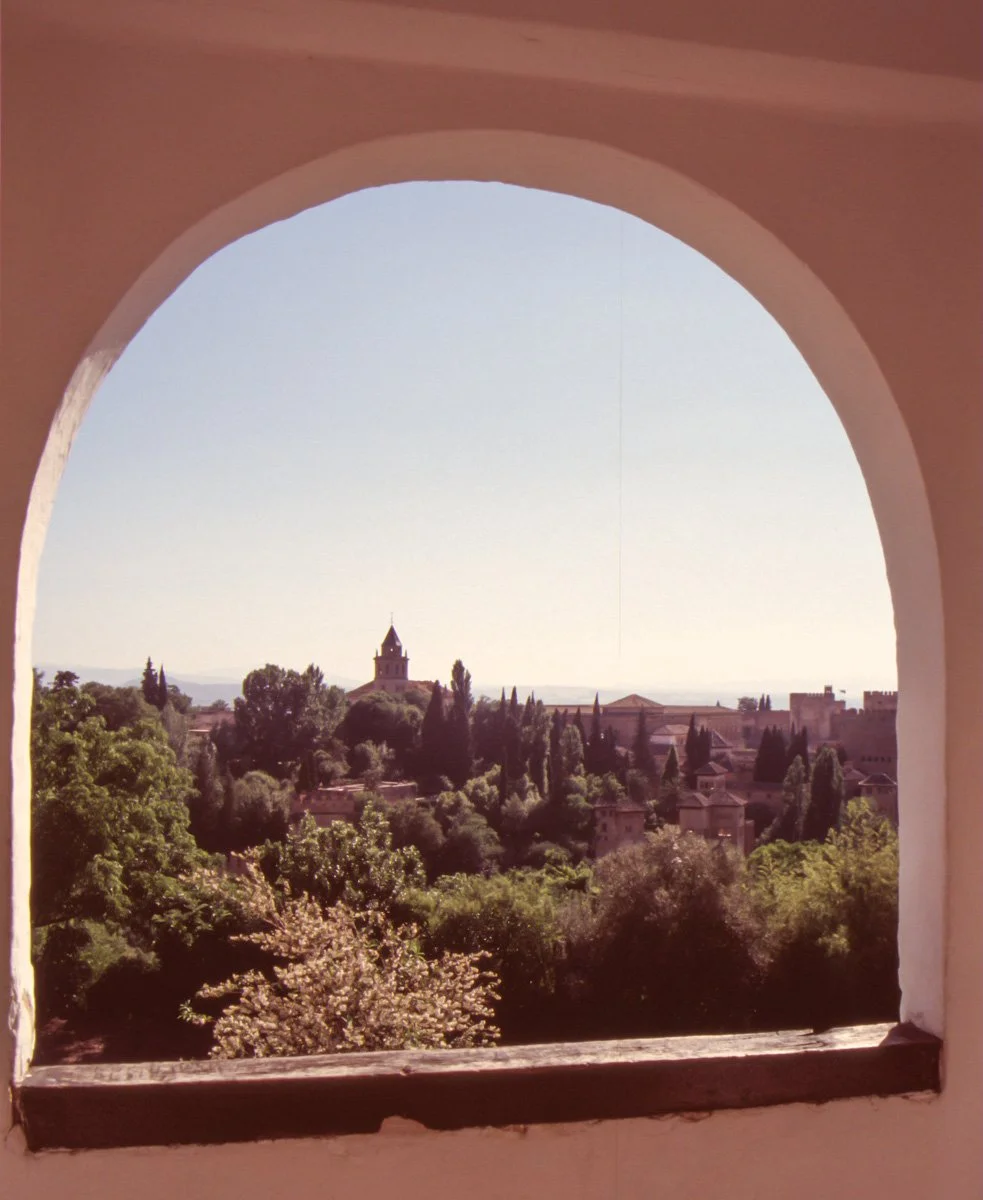
View of Alhambra from Albaicin neighborhood St Nicolas Church
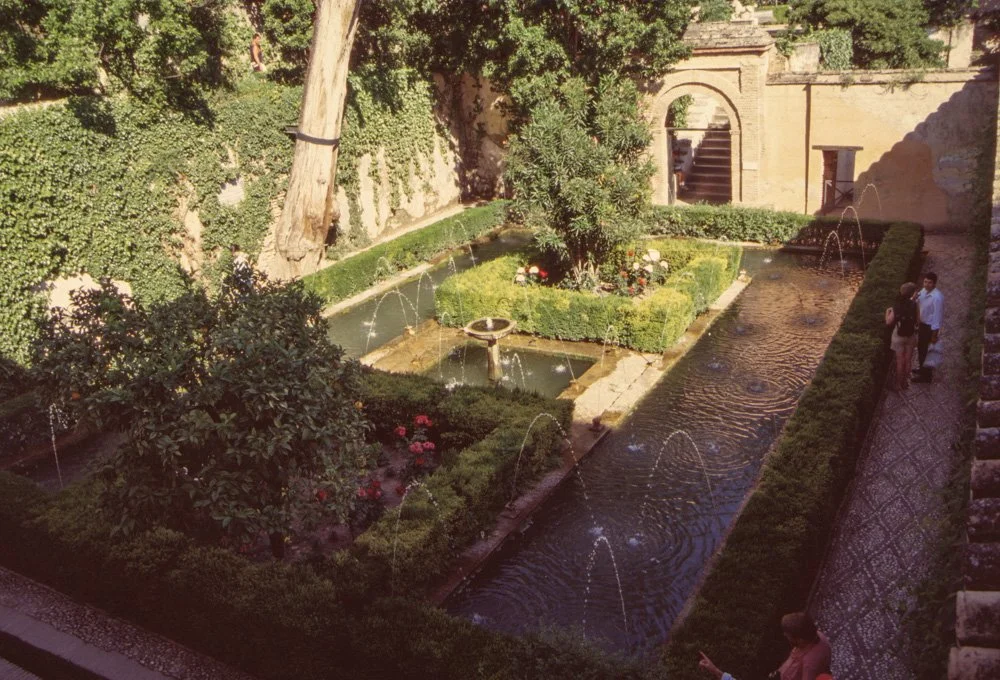
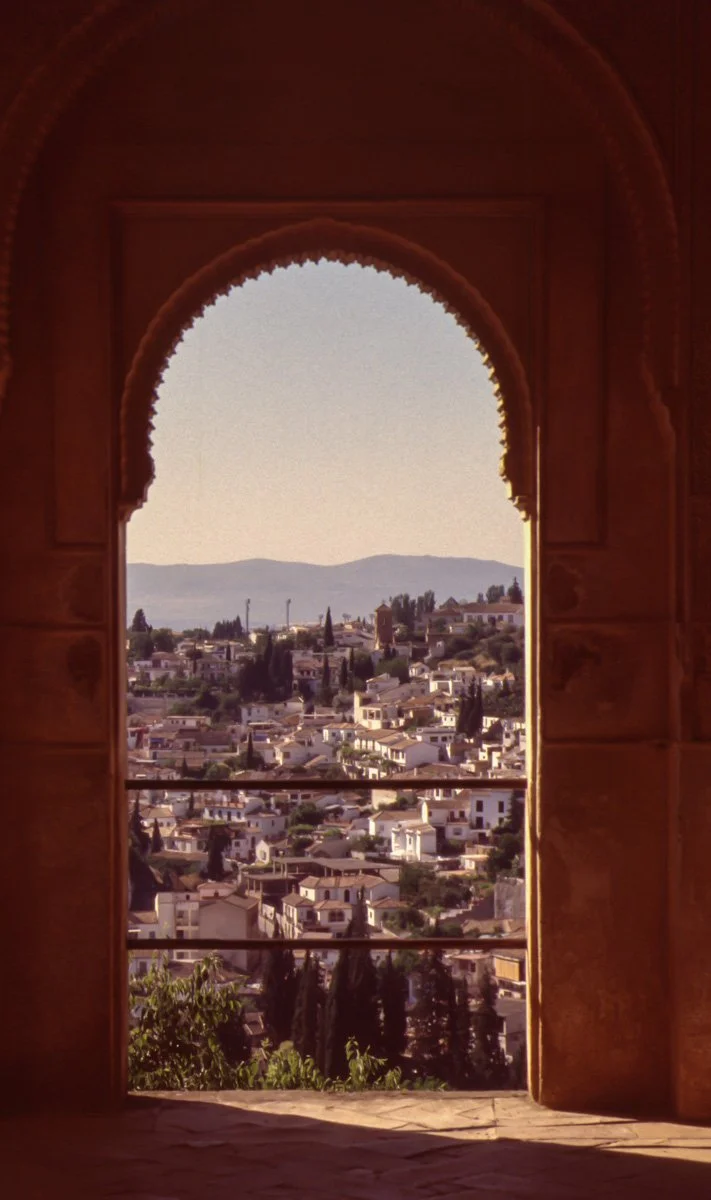
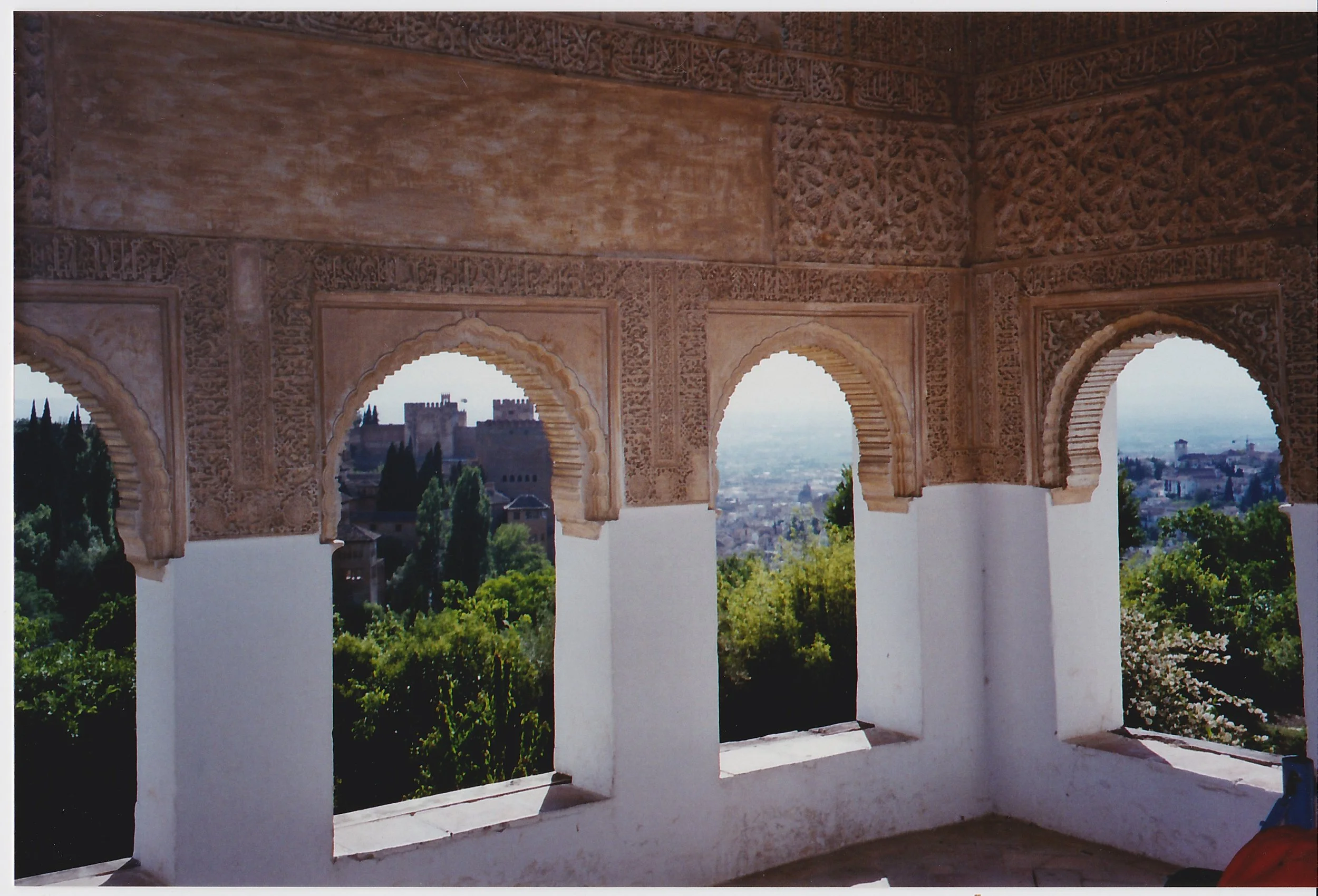
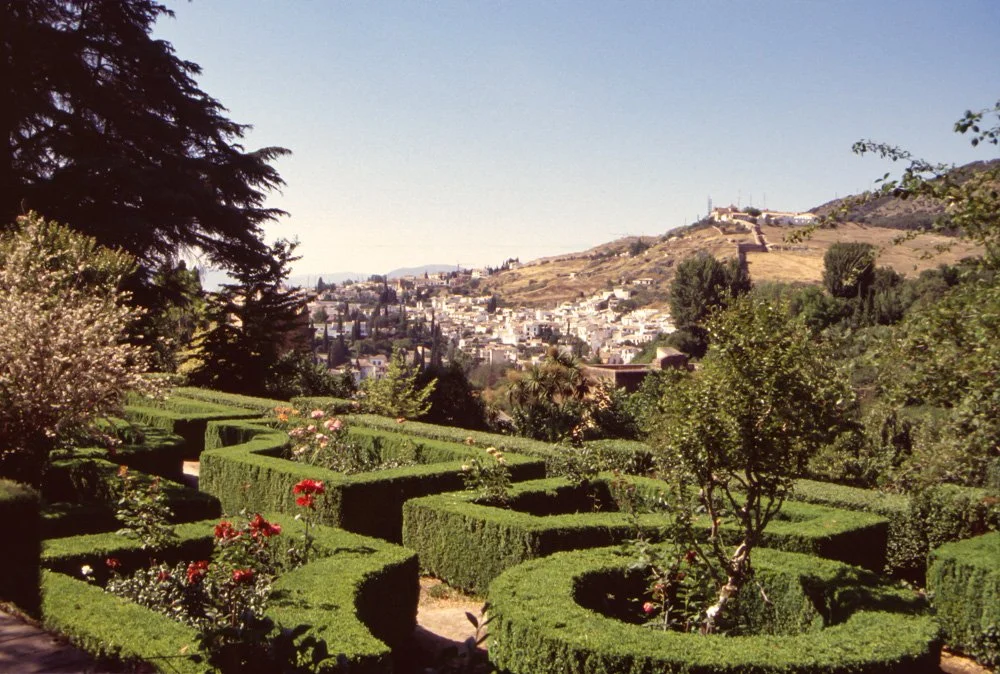
Granada from Generalife Gardens of the Alhambra
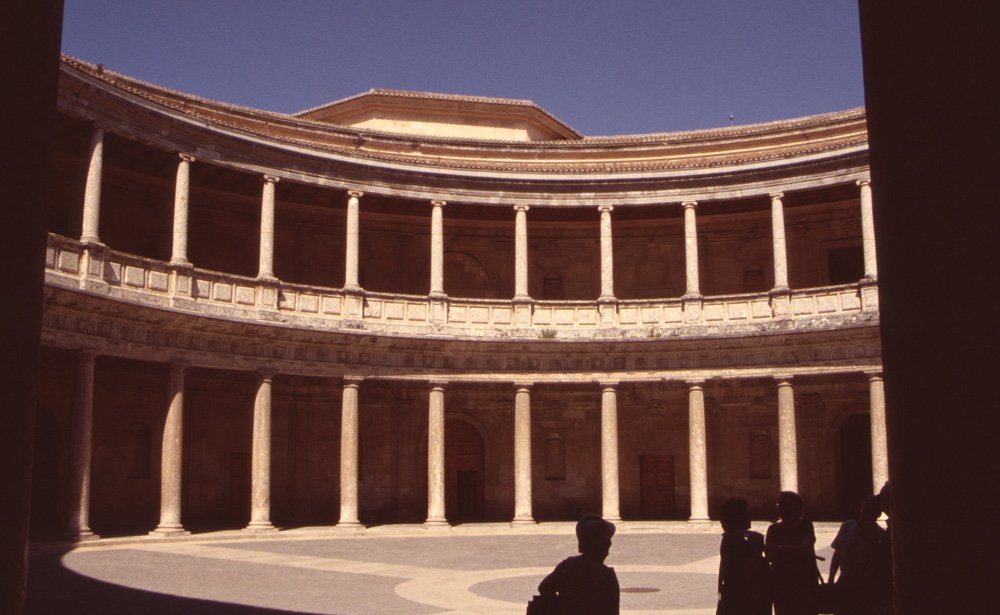
Palace of Charles V in Alhambra
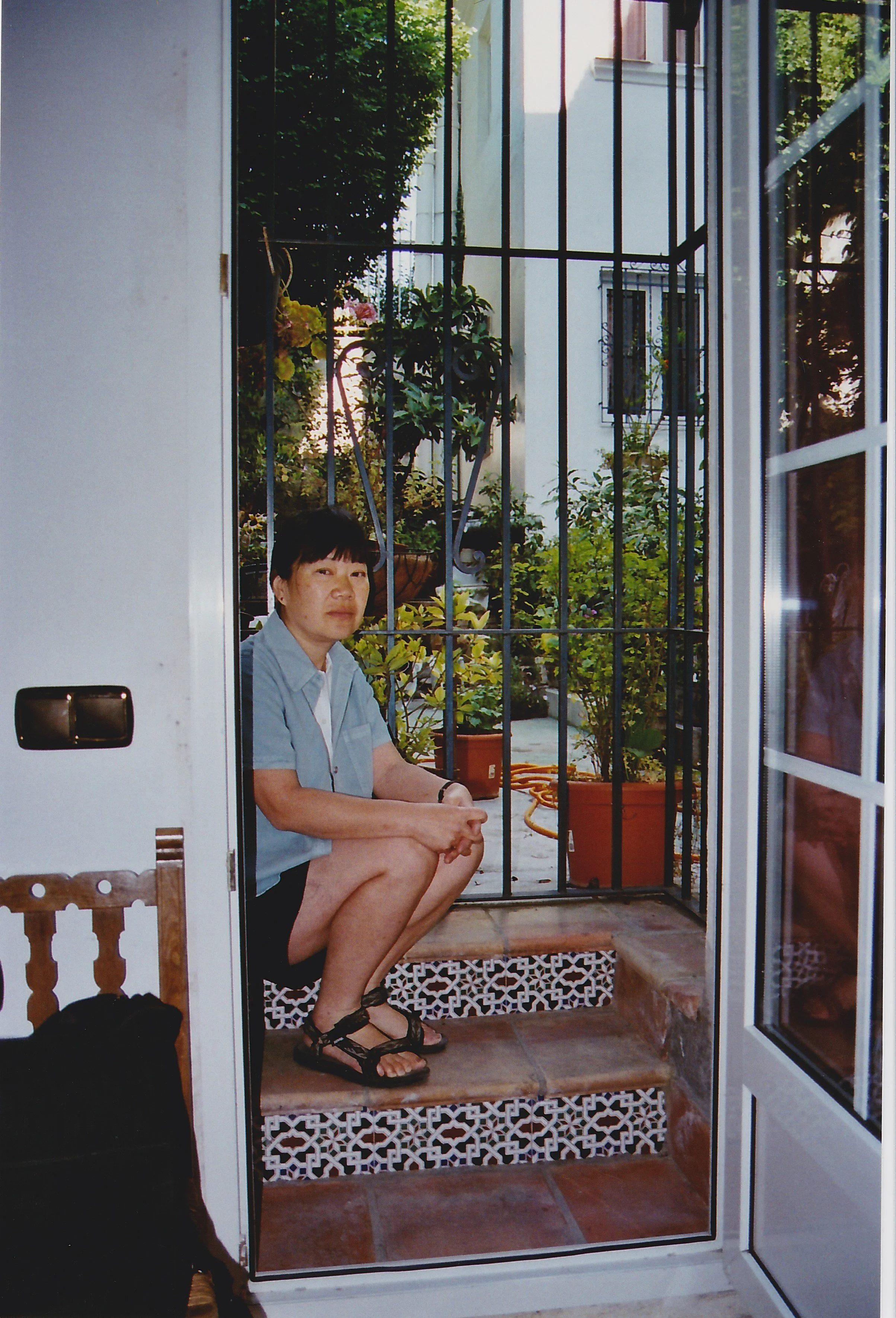
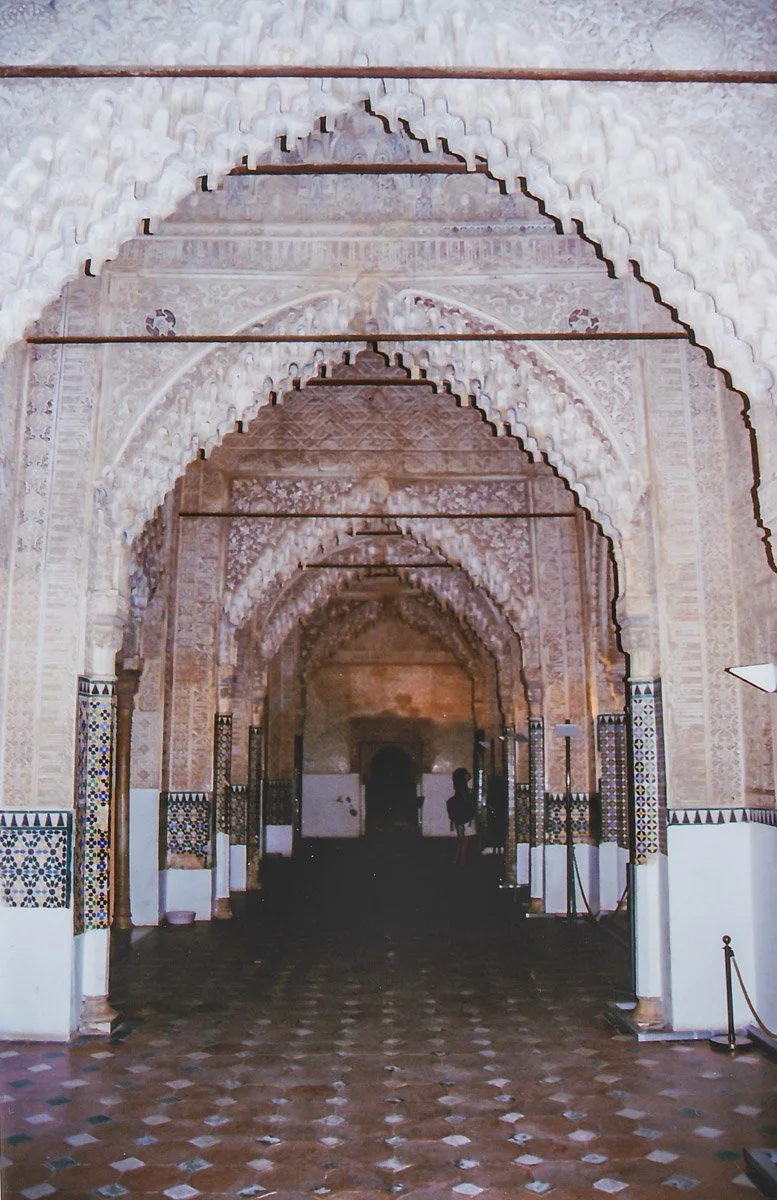
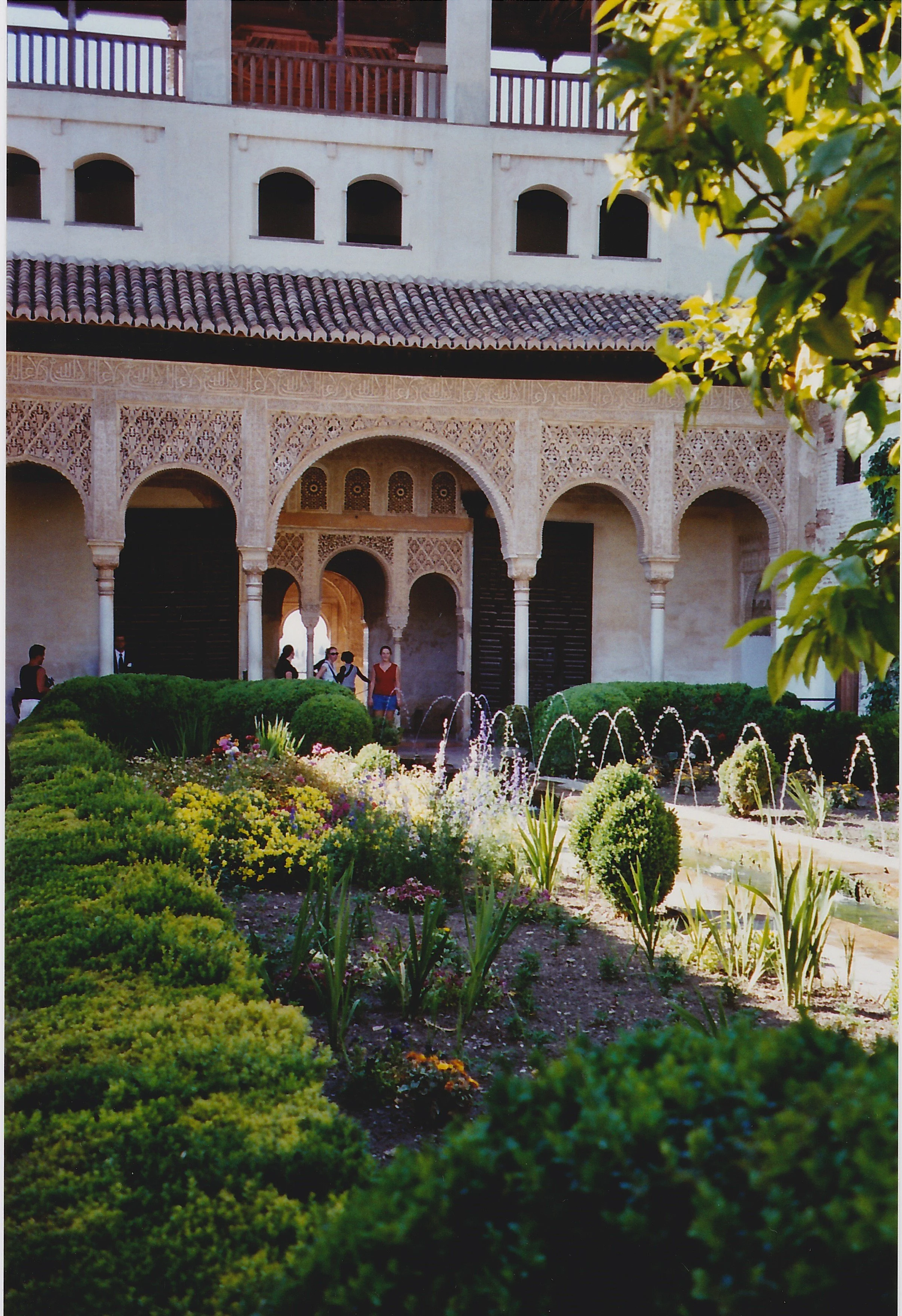
Palace of the Lions in Alhambra
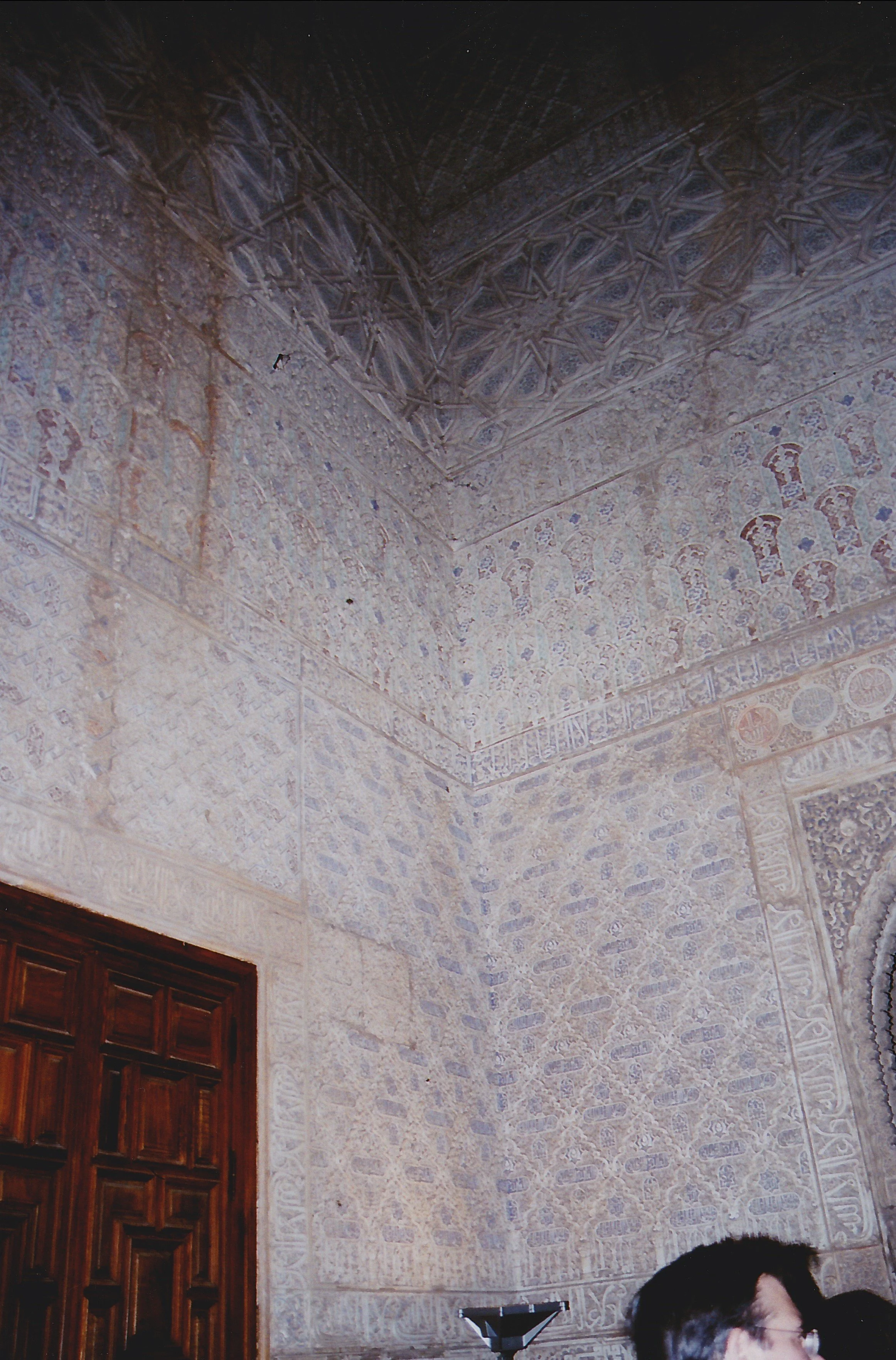
Alhambra night tour
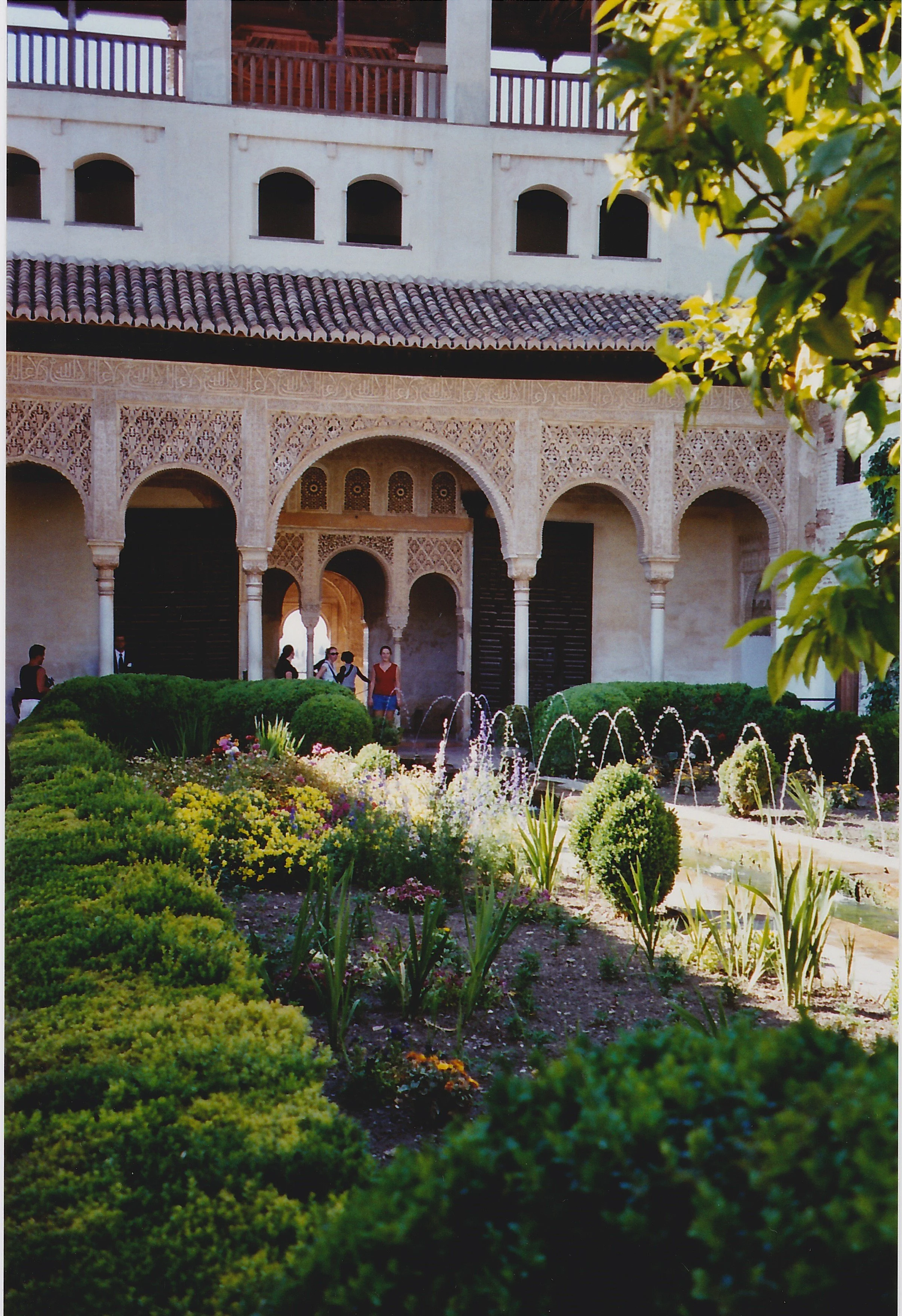
Generalife Garden

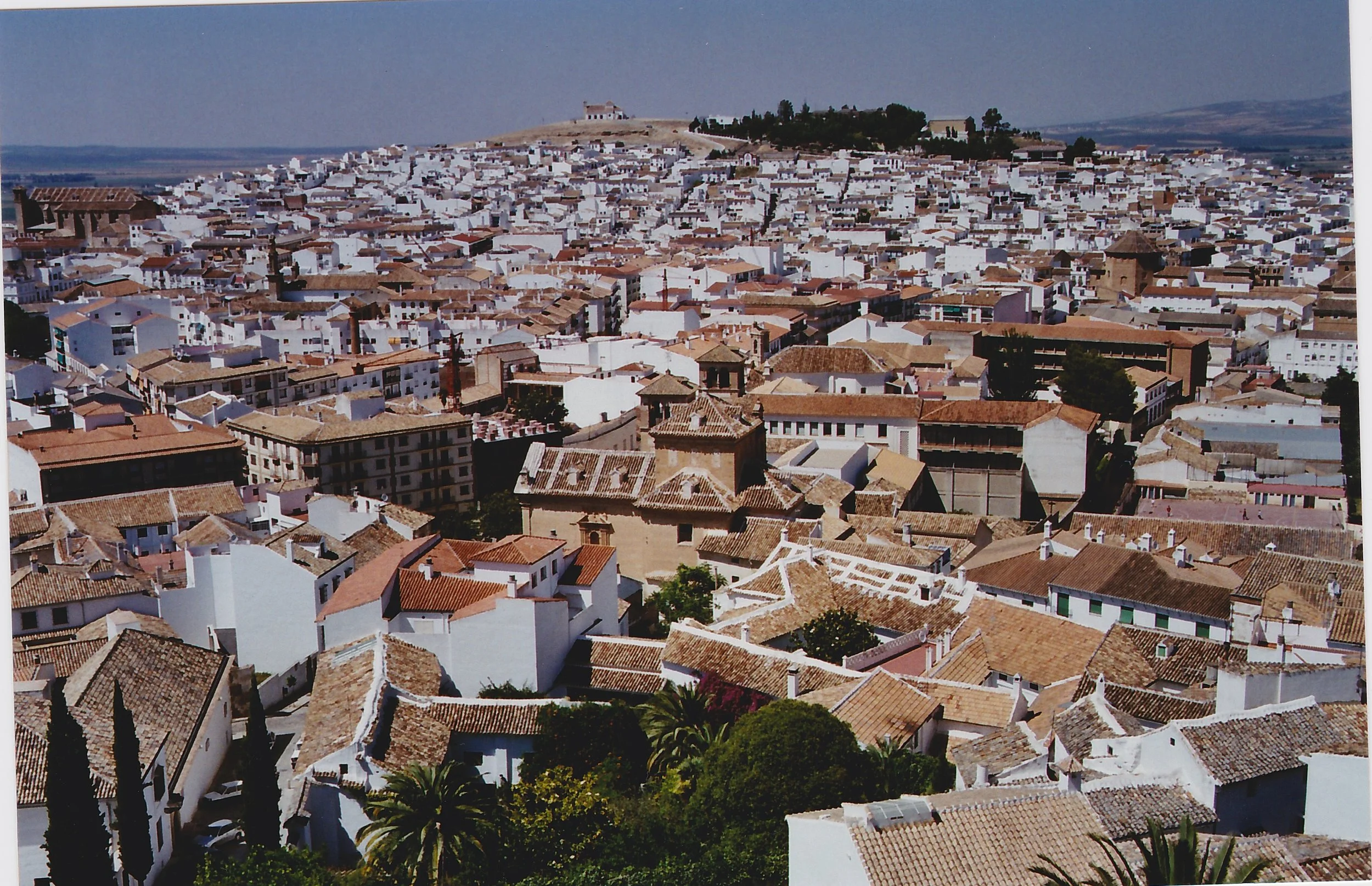
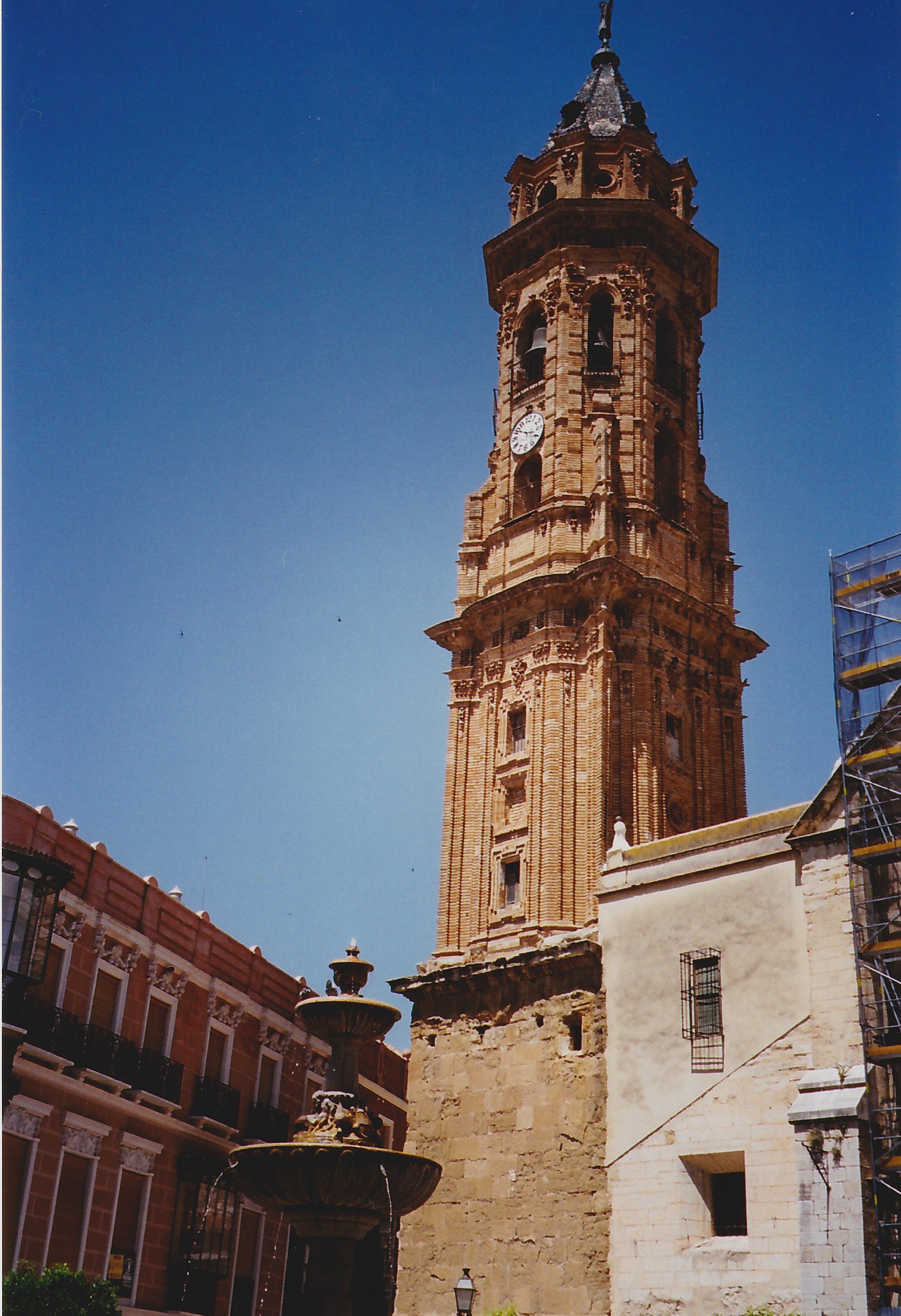
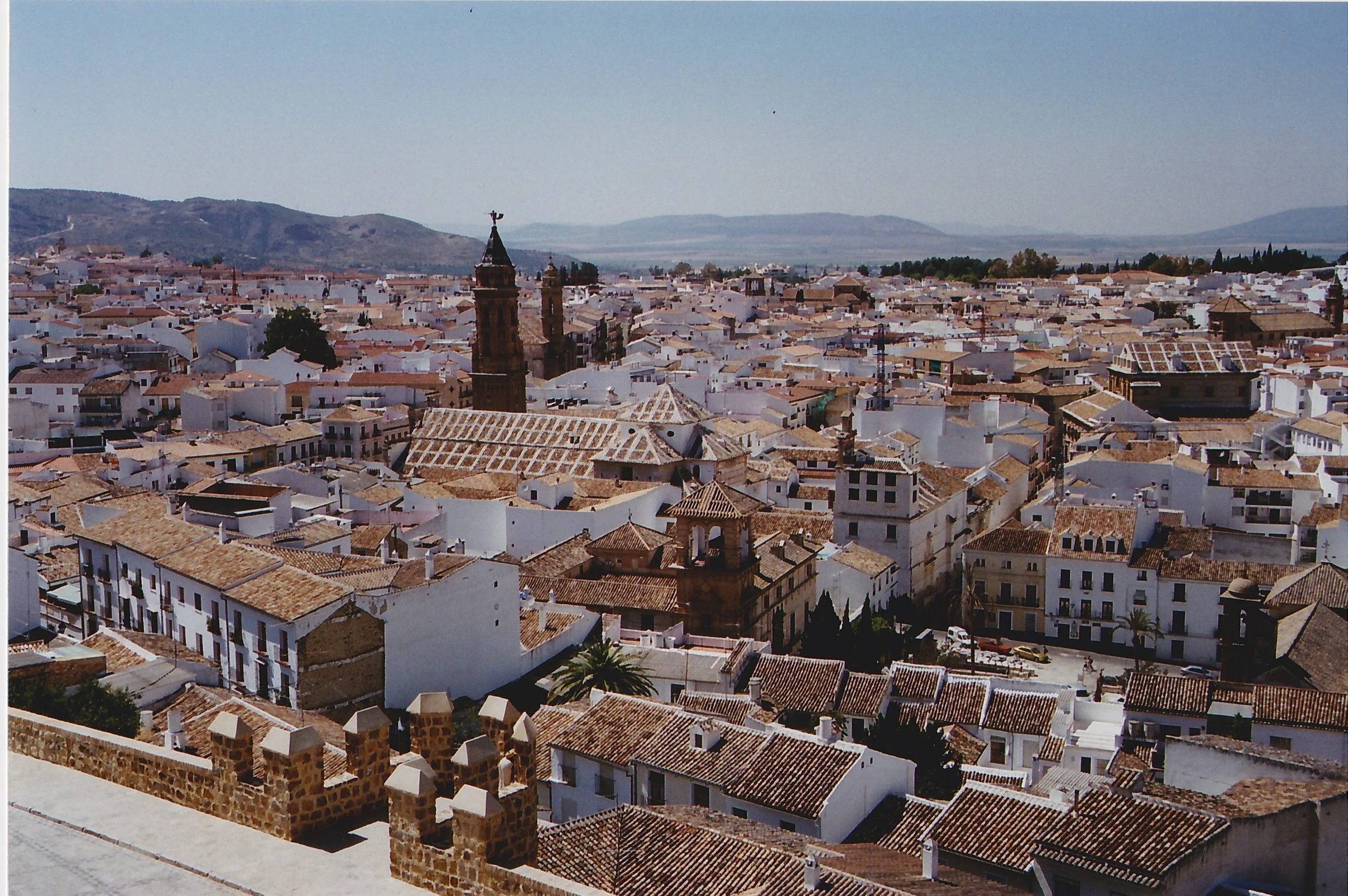
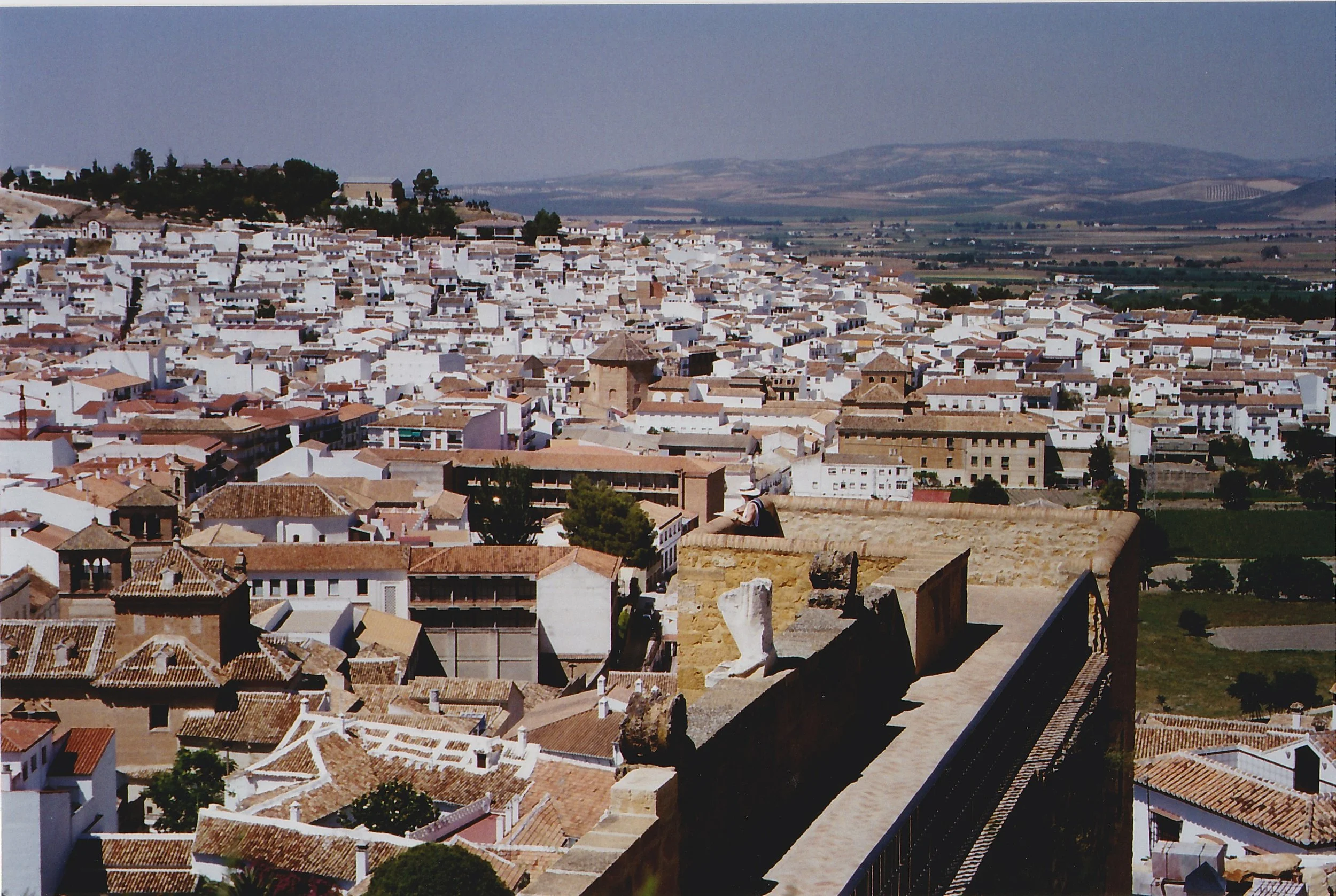
Antequera
A city on the way between Granada and Ronda which is considered to be in the heart of Andalucia.
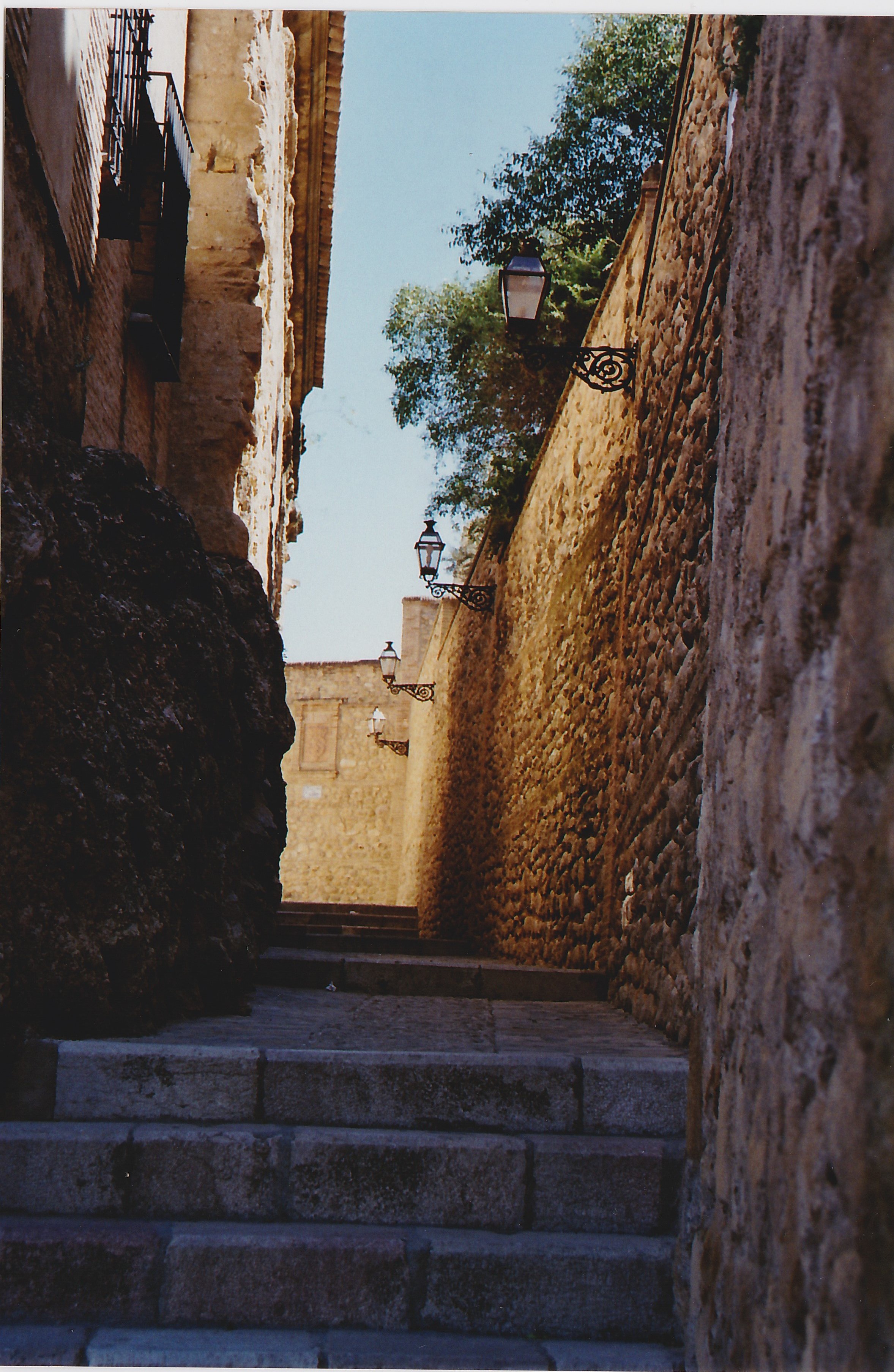
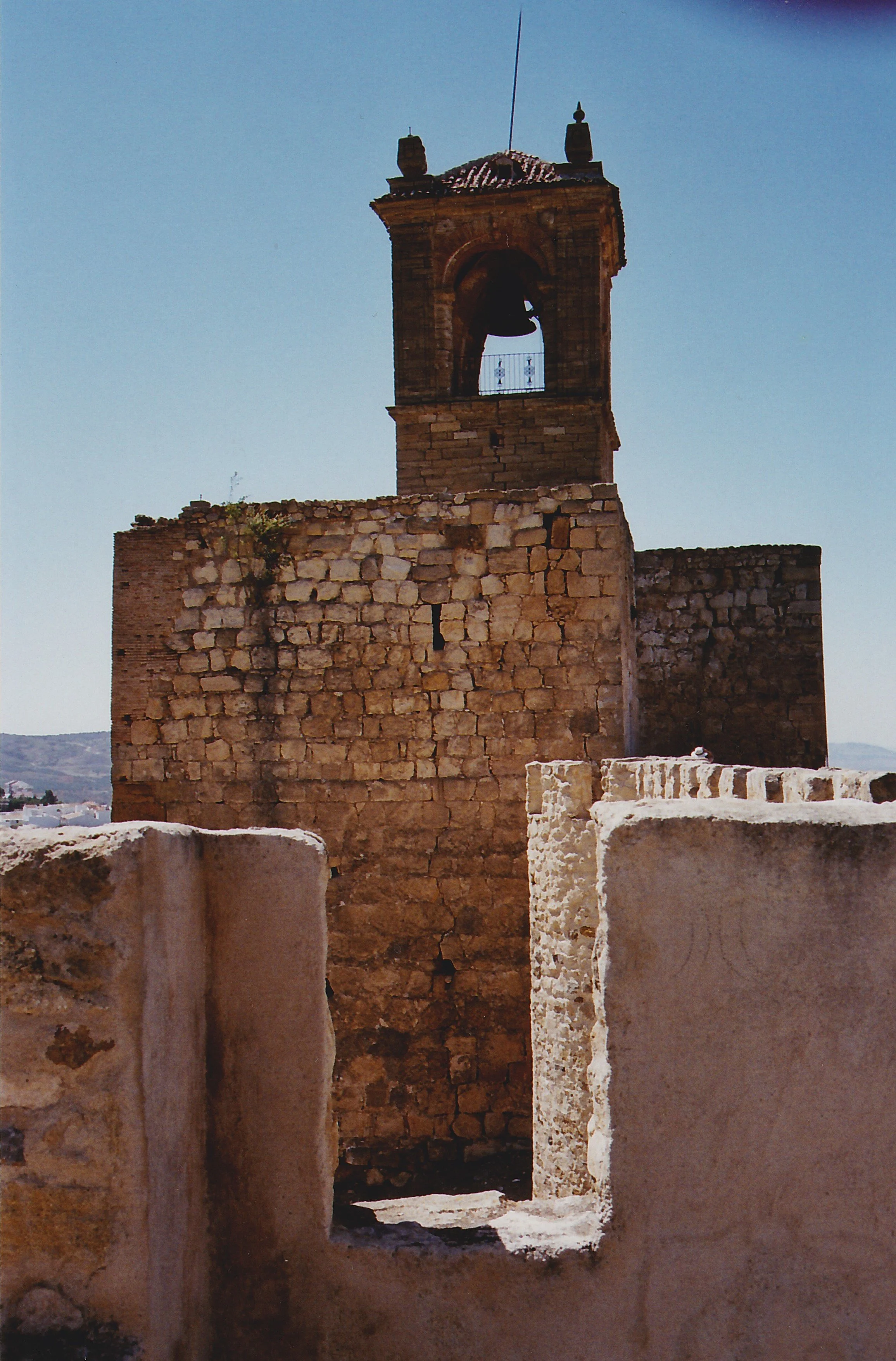
Alcazaba
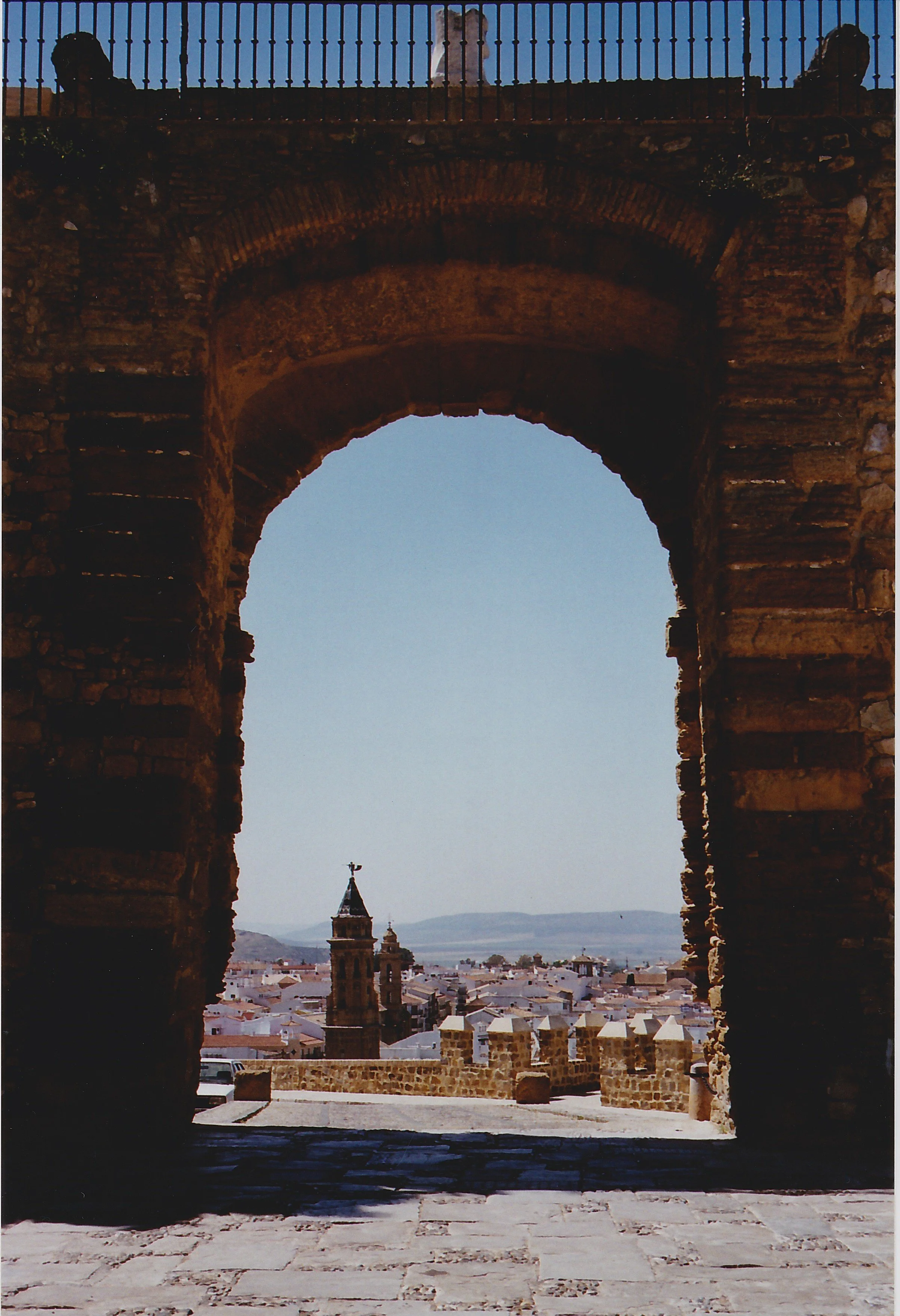
Arch of Giants
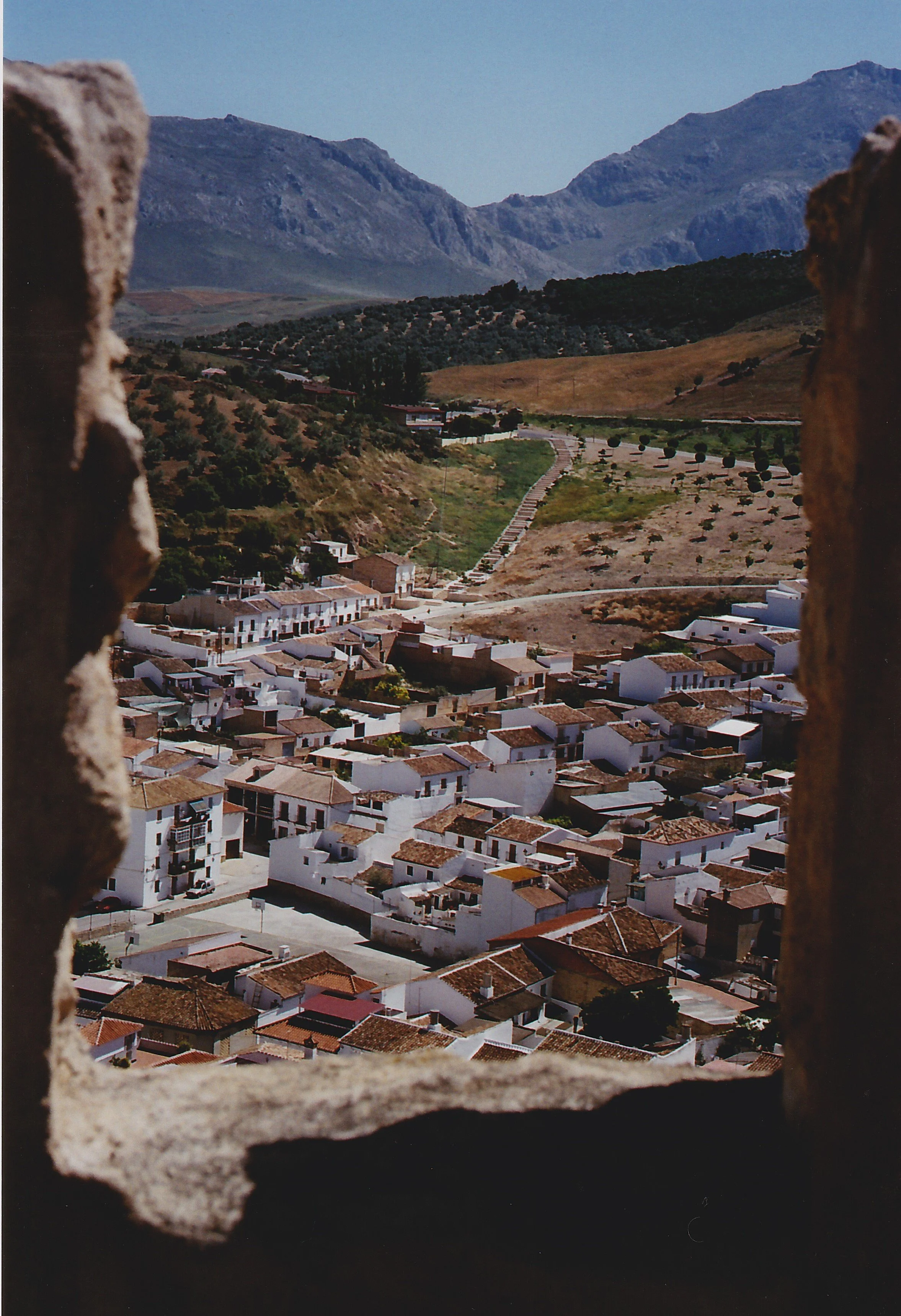
Antequera from Alcabaza
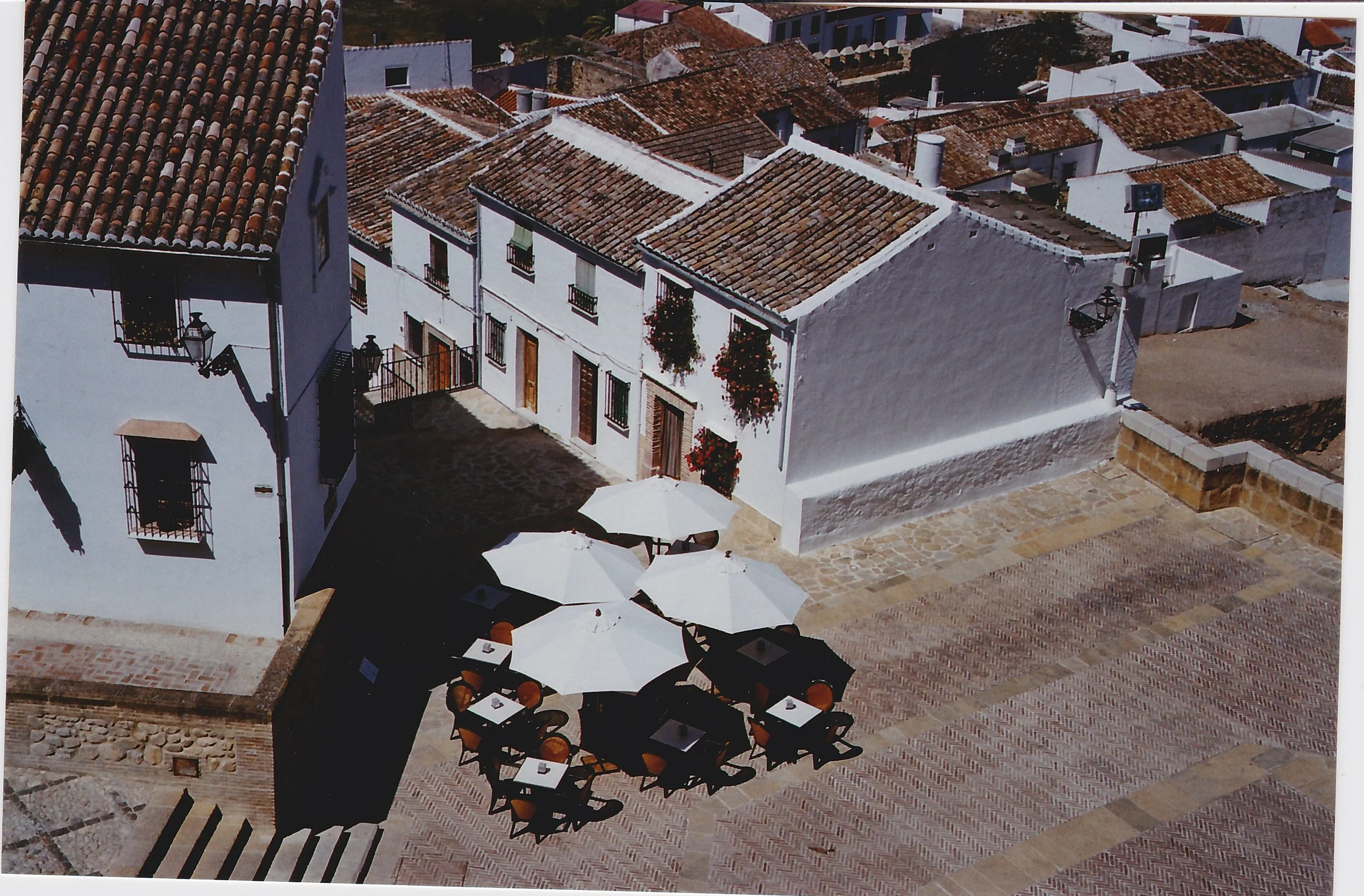
From Alcabaza
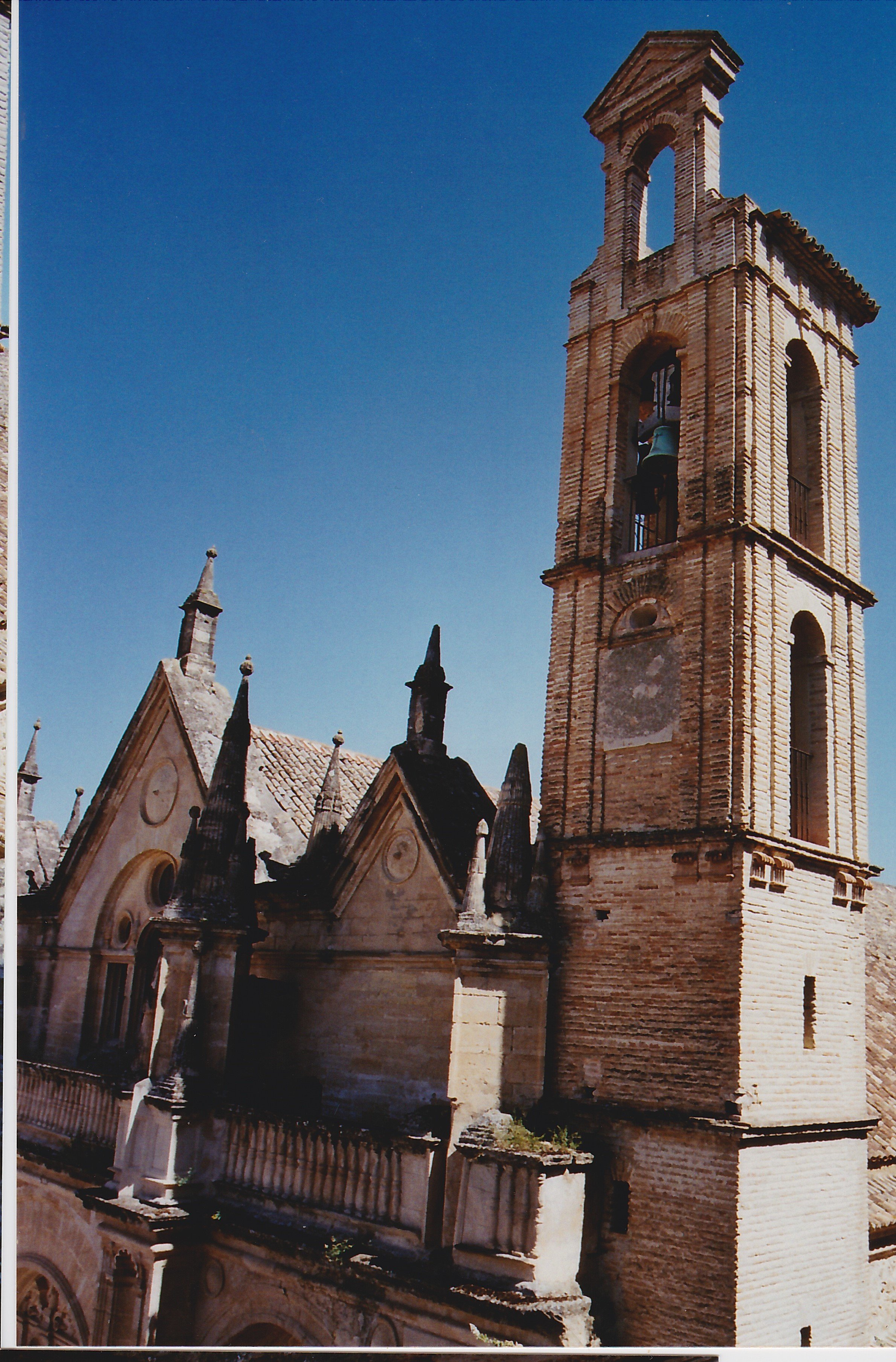
Real Collegiata Santa Maria
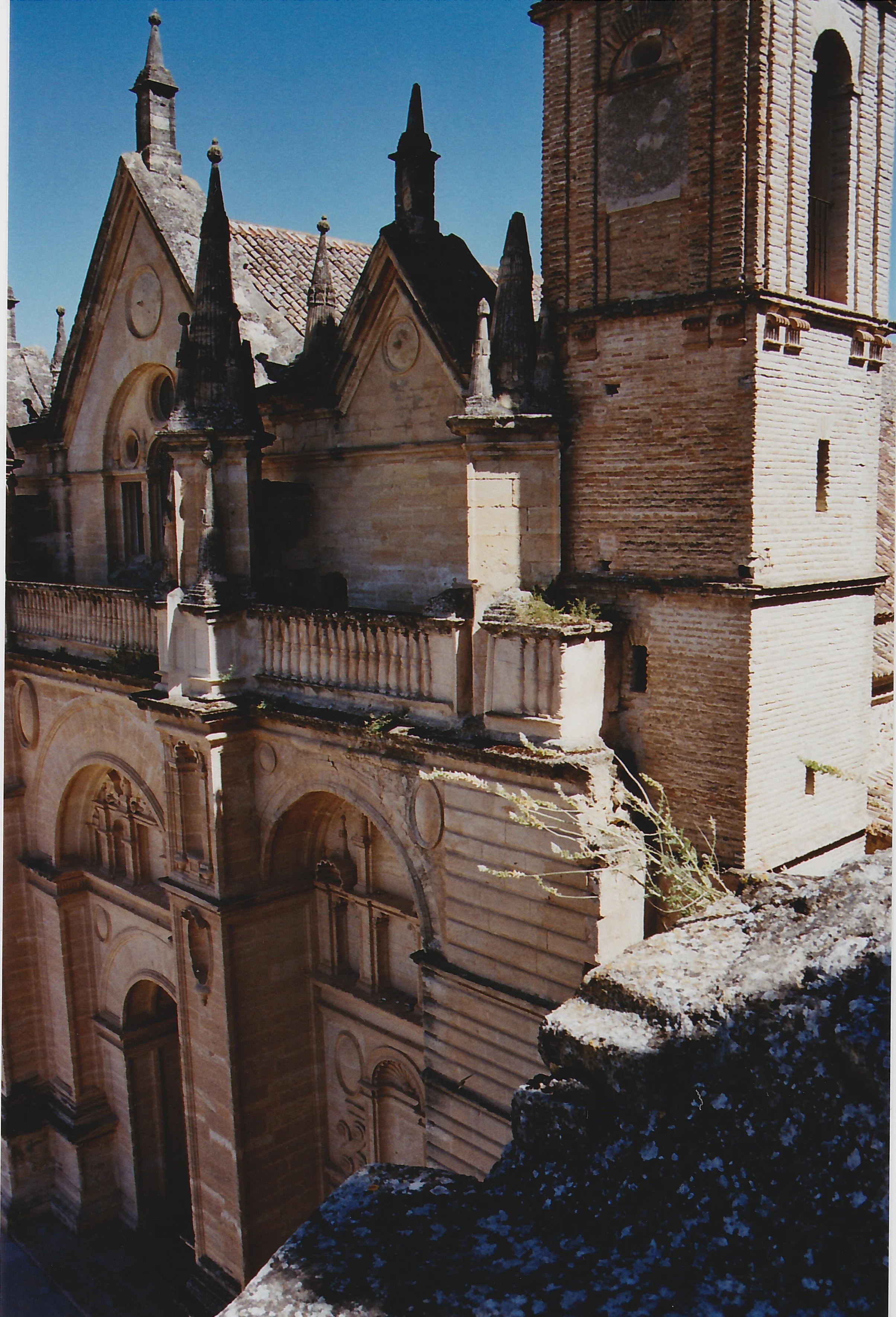
Real Collegiata Santa Maria
Teba
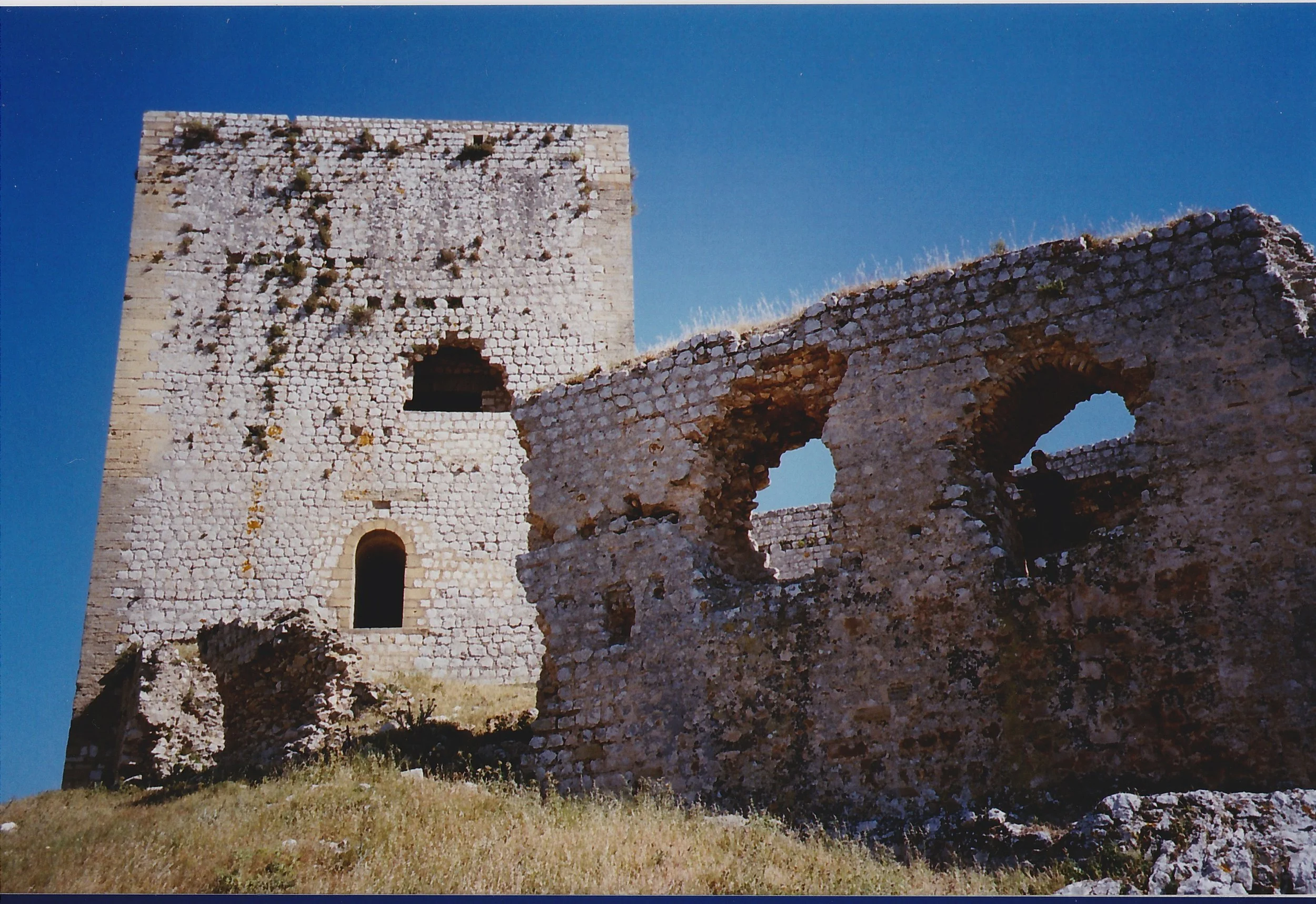
A small town with a prominent view of the surrounding countryside and the ruins of an old castle.
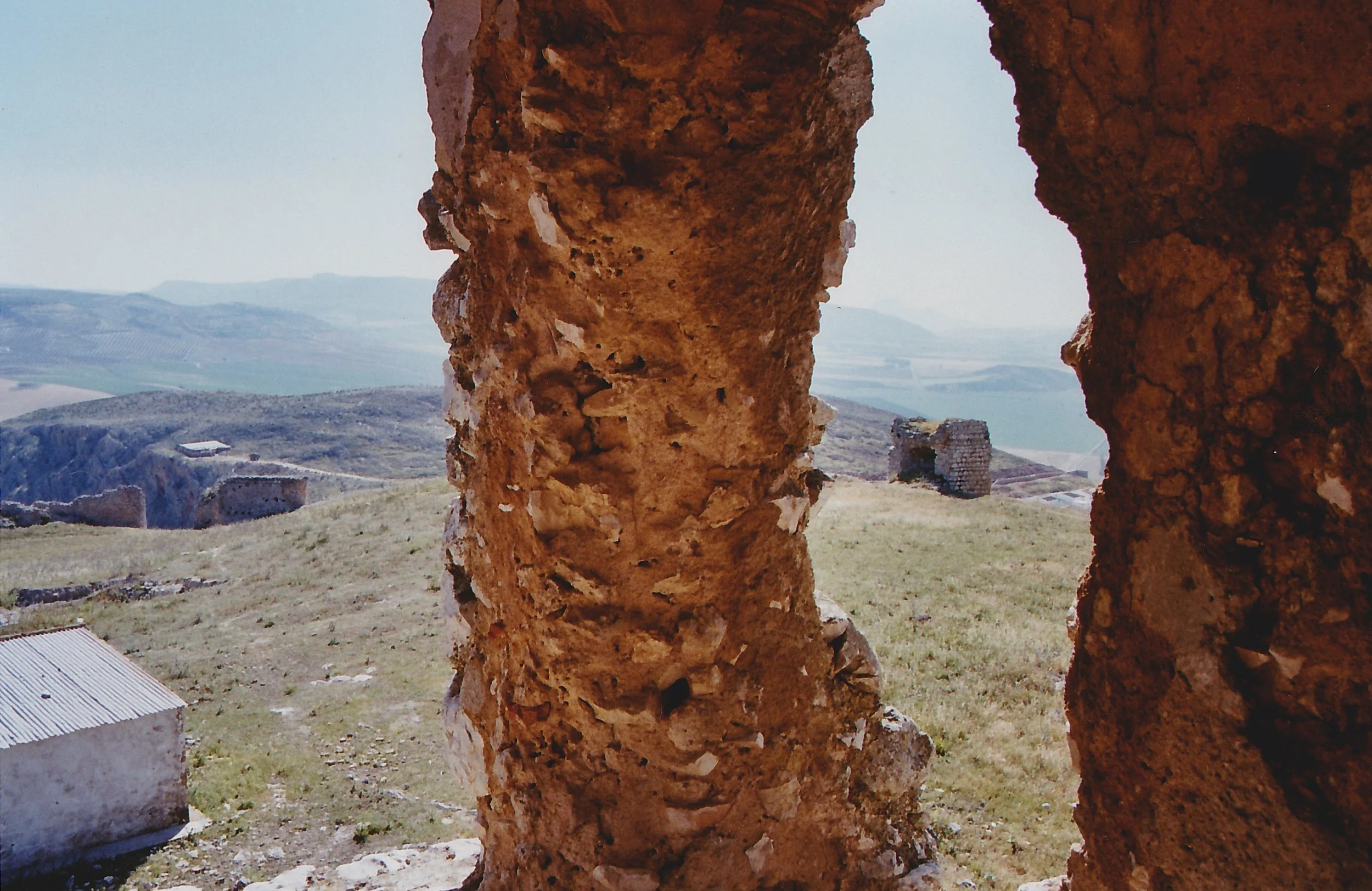
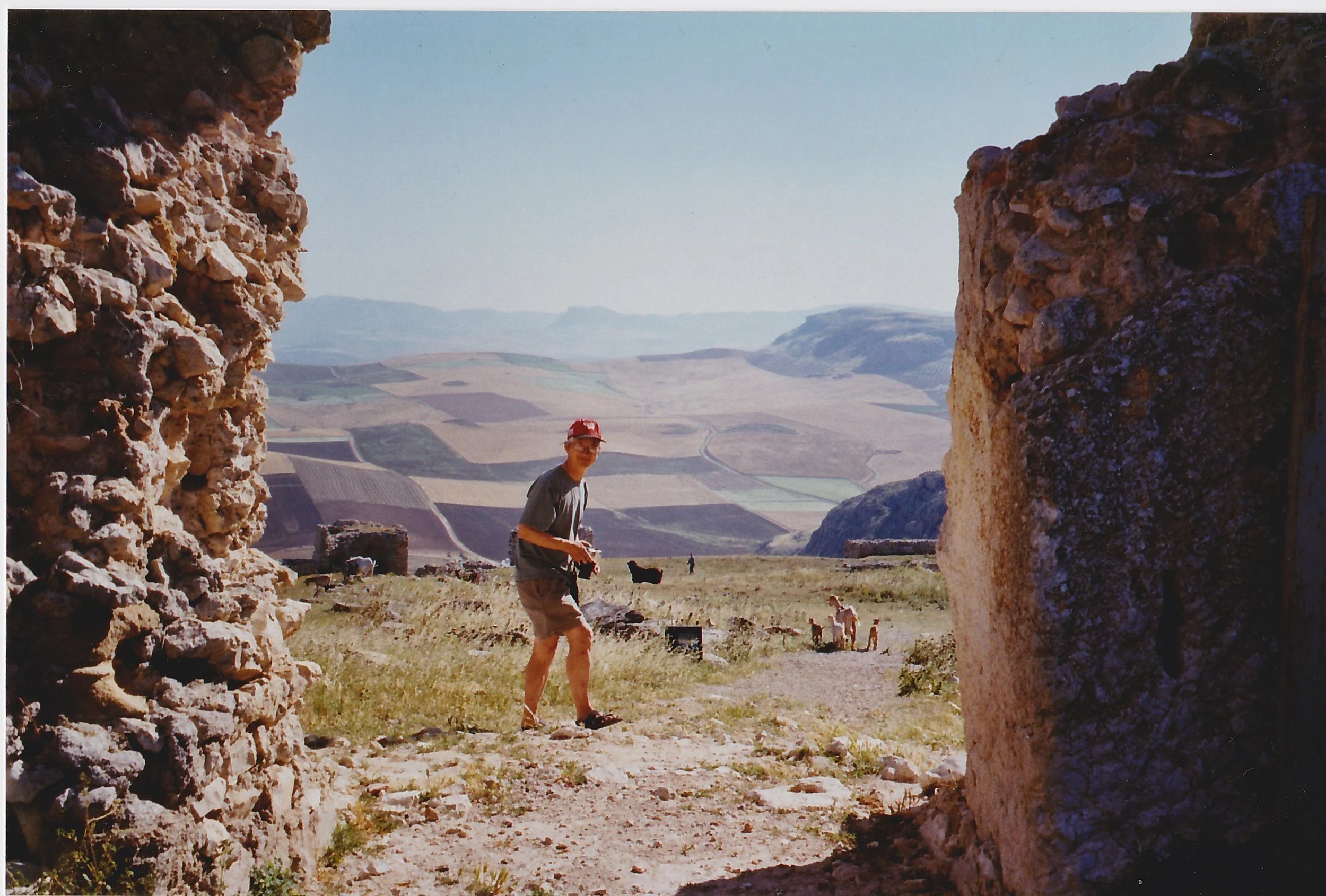
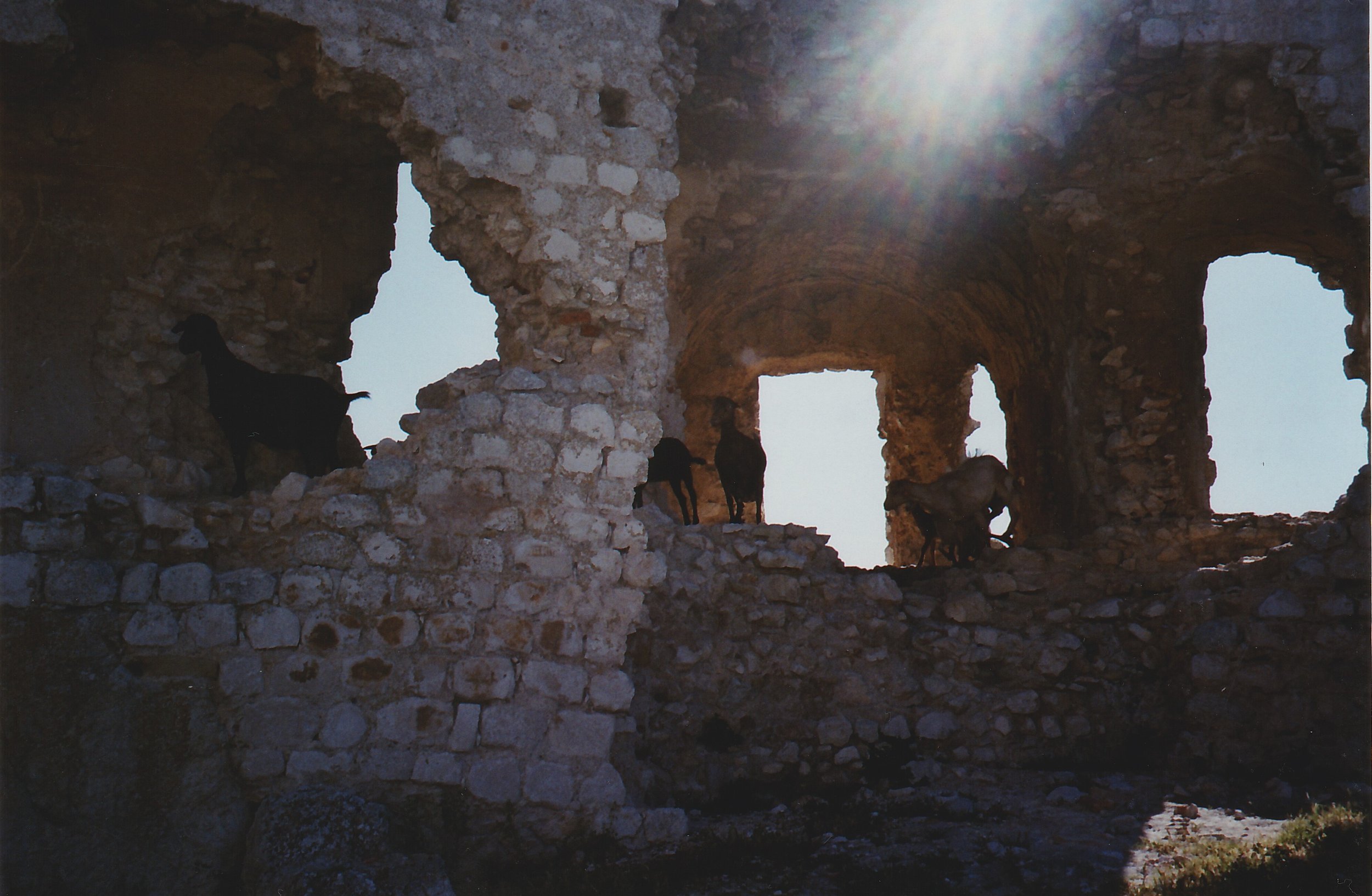
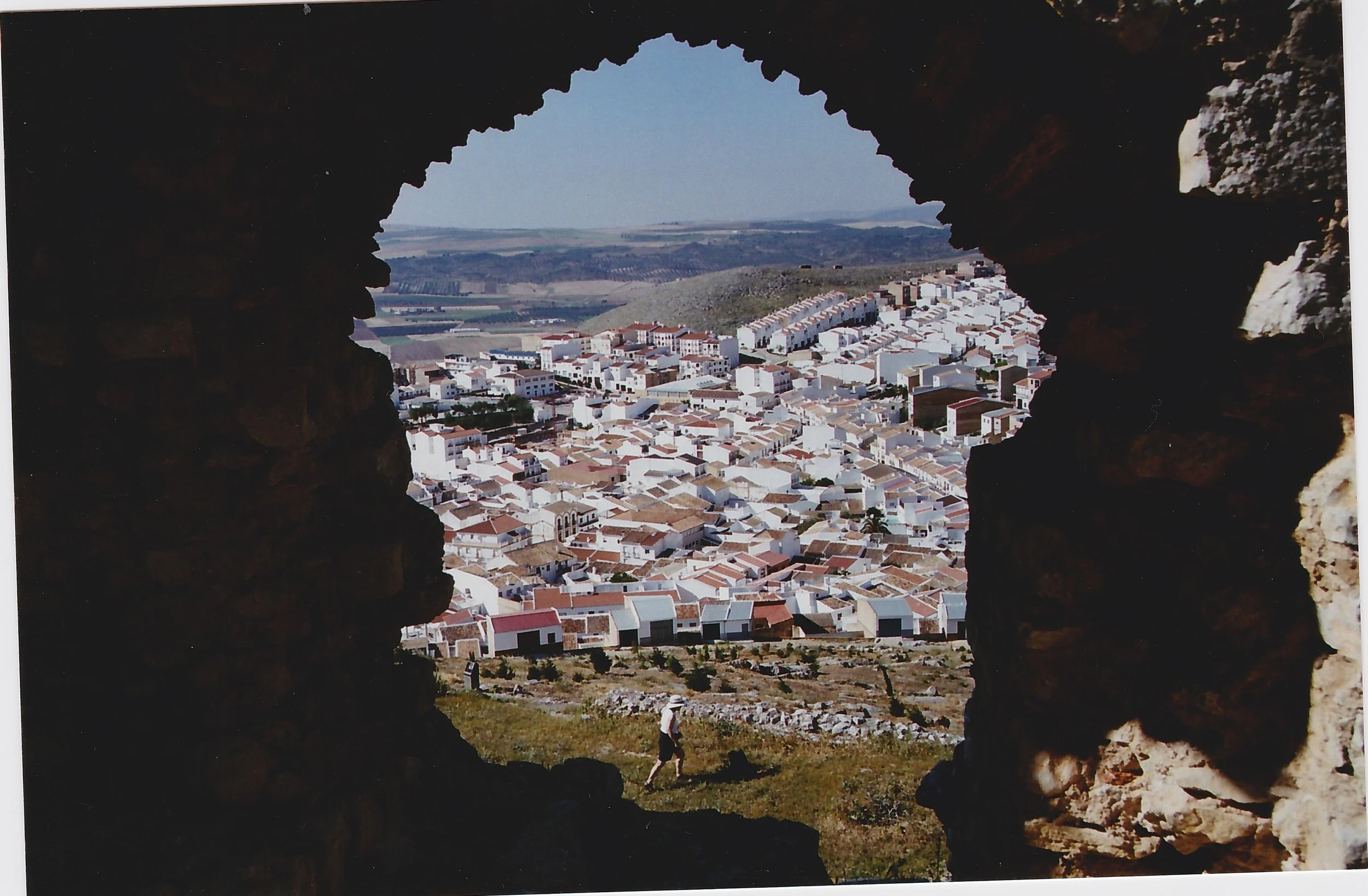
Teba from the hilltop ruins
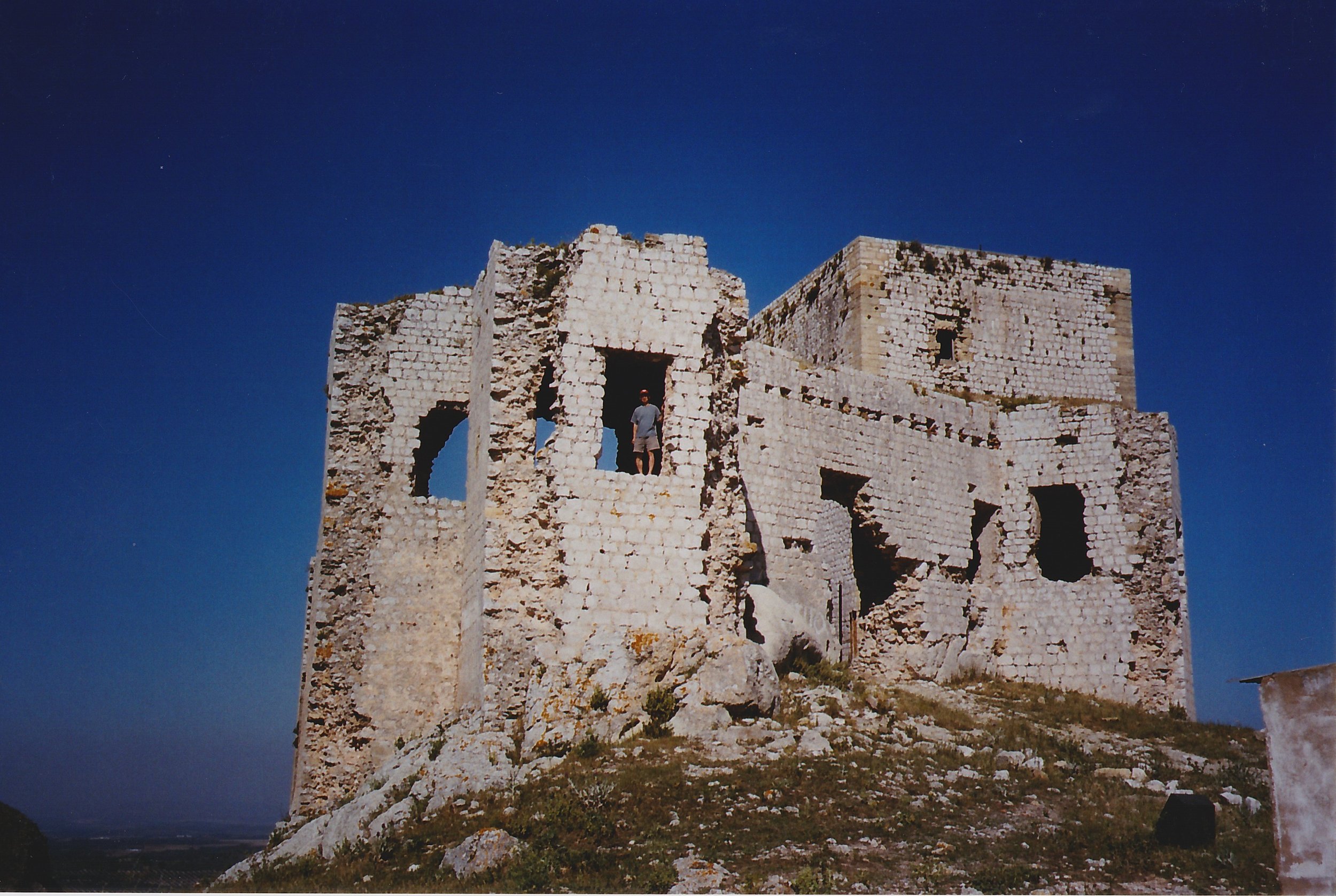
Ruins of Castillo de la Estrella in Teba
Ronda
Ronda is a small town built around the edge of a steep gorge. It has a famous bull ring and is well-known for a family of bullfighters who were instrumental in developing the Spanish style. It is also featured in an incident that is portrayed in Hemingway’s For Whom the Bell Tolls .
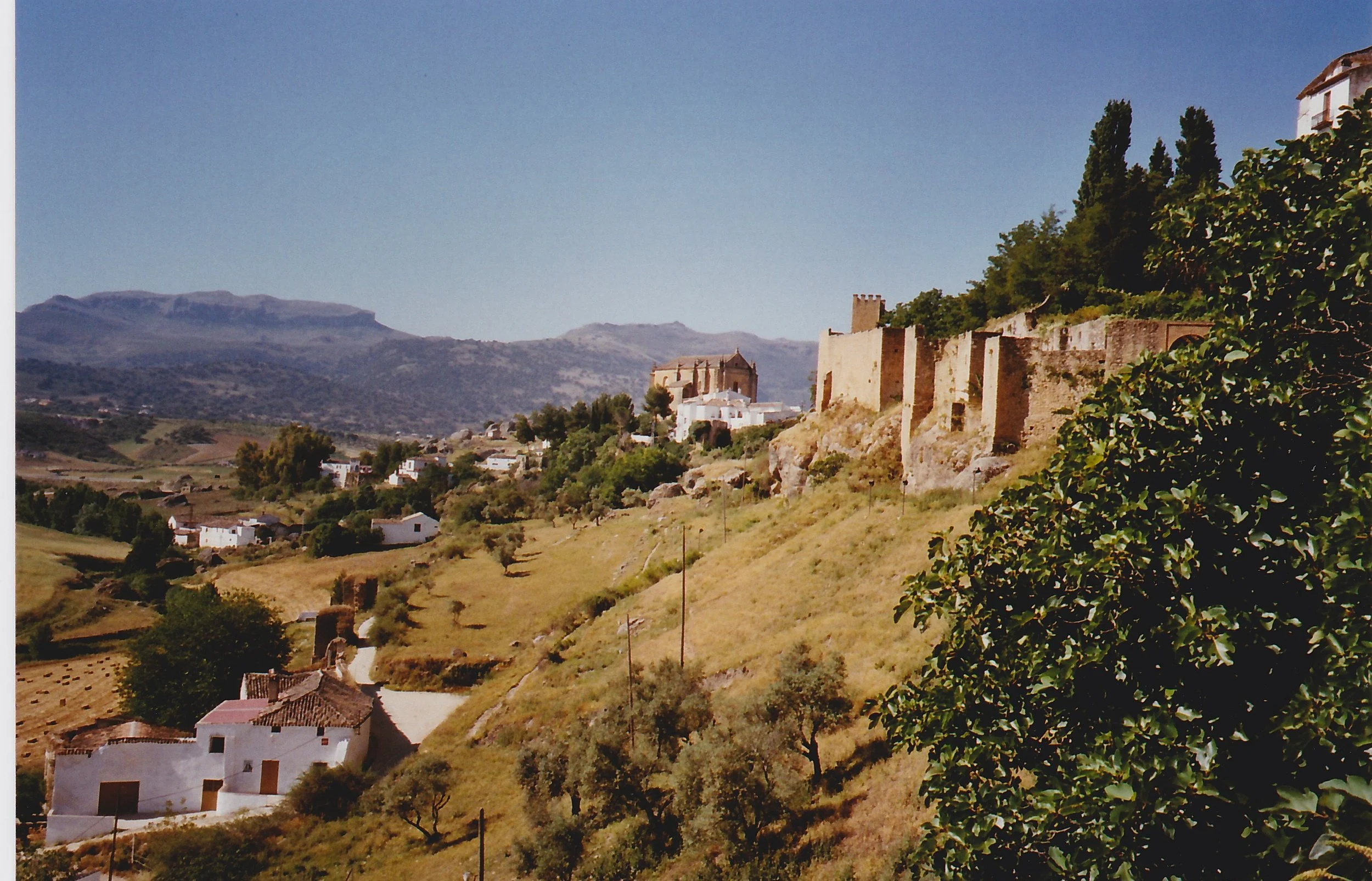
City Wall of Ronda
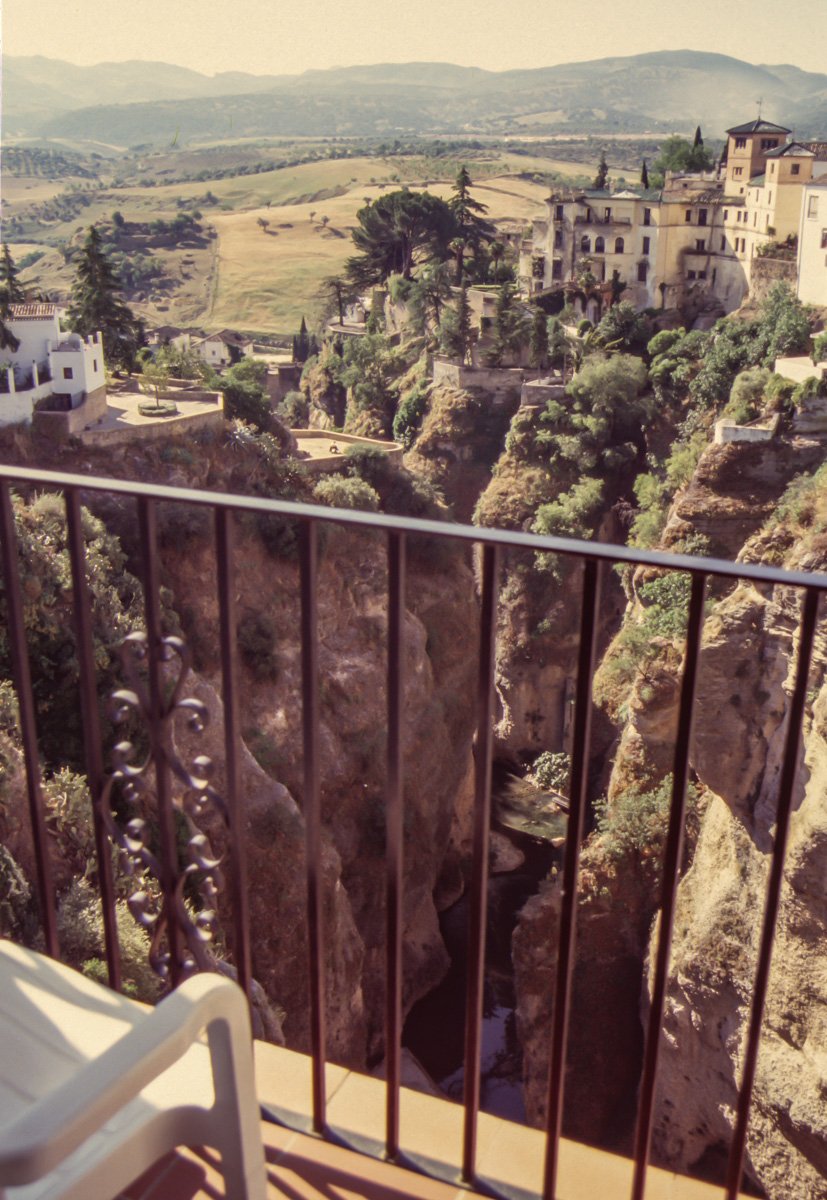
View of gorge from the balcony of our Hotel Don Miguel
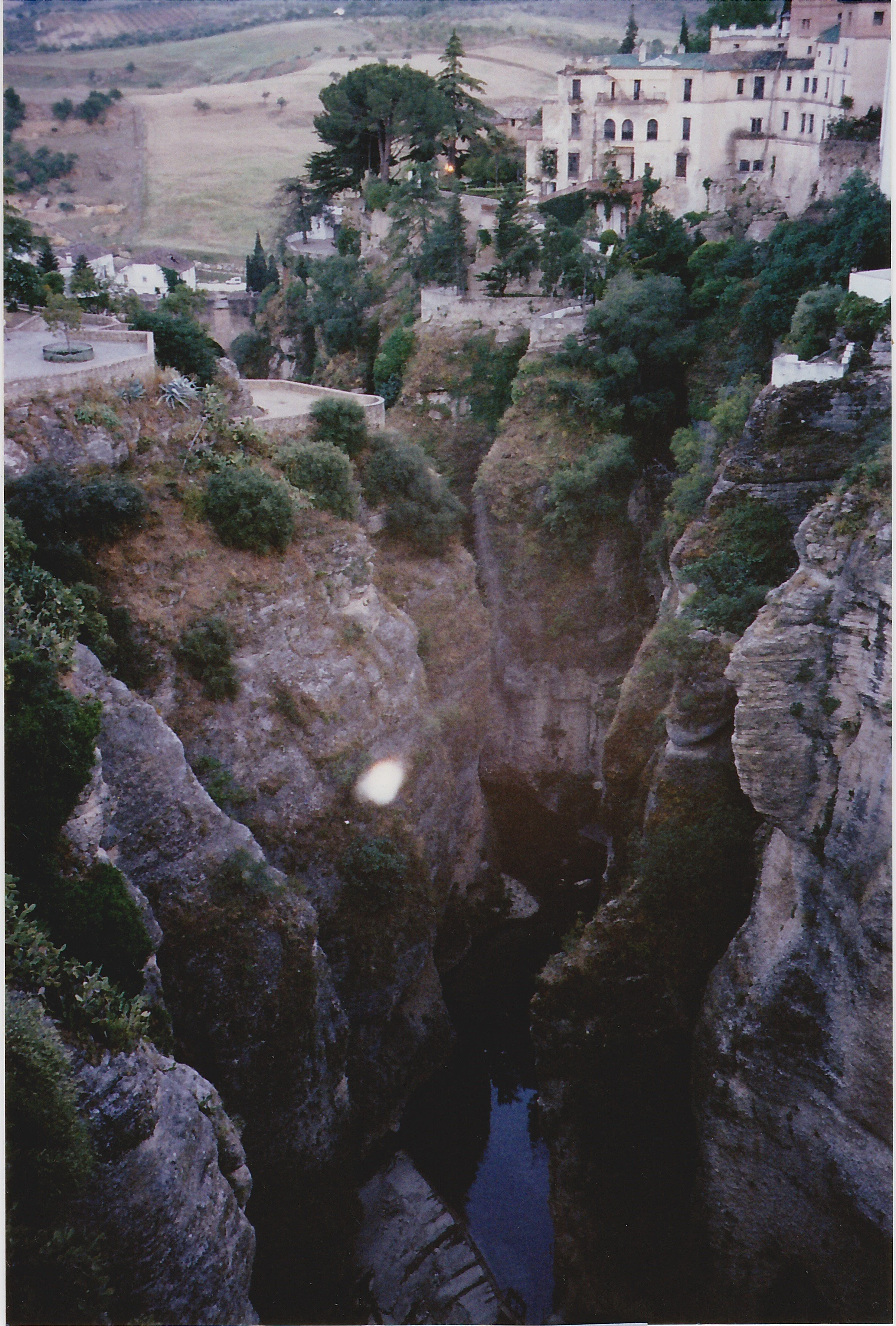
View of the gorge from our Hotel Don Miguel balcony
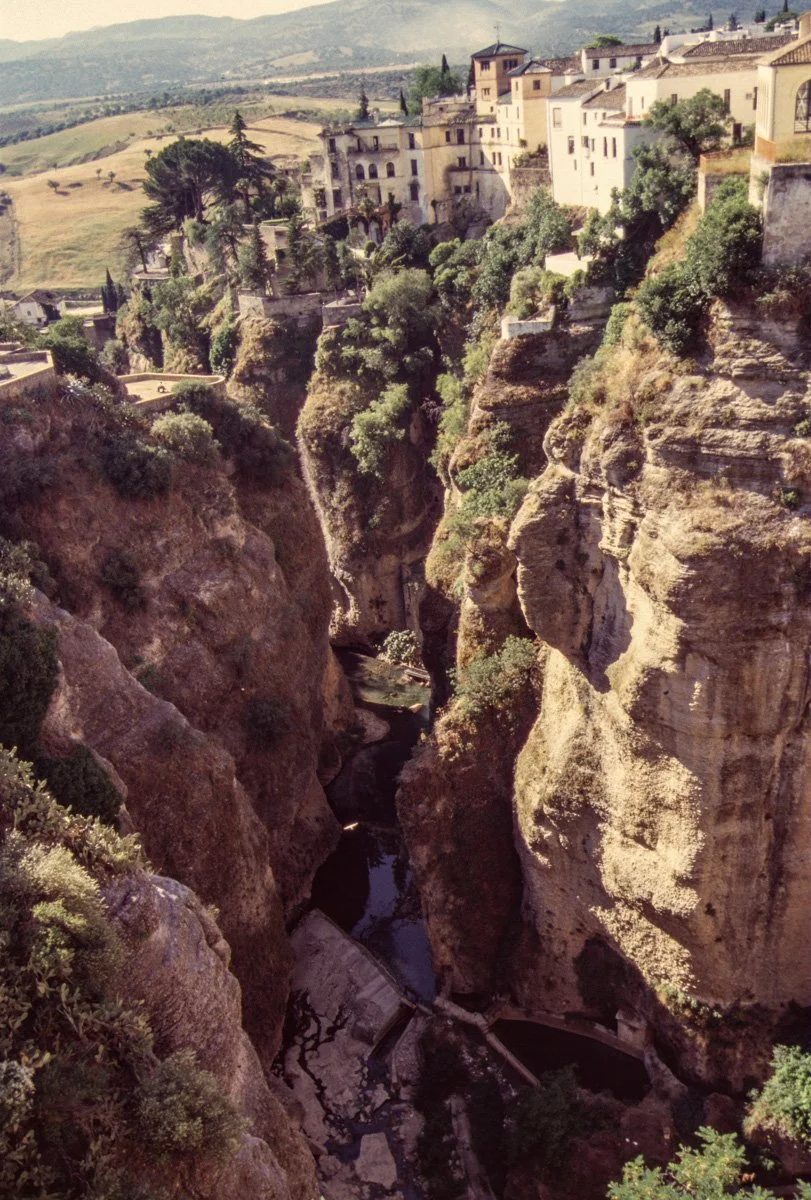
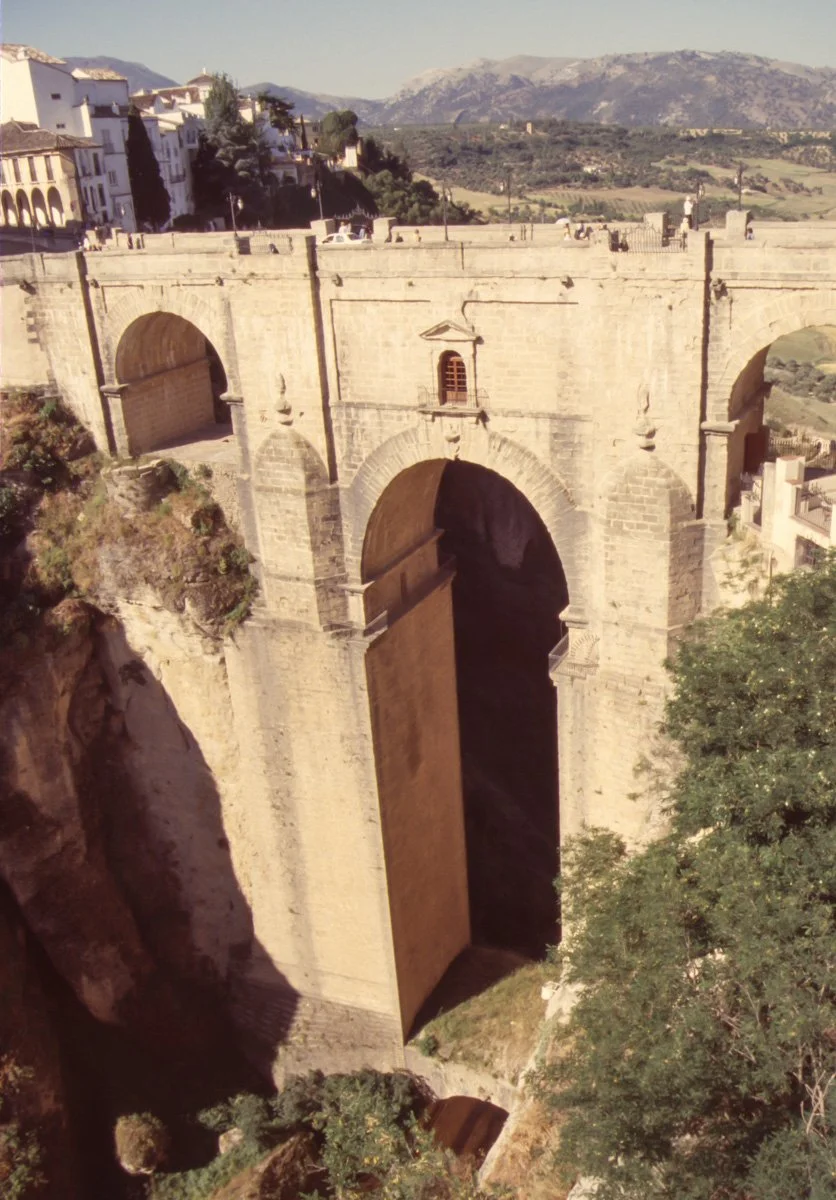
Puento Nuevo Bridge in Ronda
Arcos de la Frontera
One of the famous “Pueblos Blanca”, white hill towns of Andalucia, Arcos de la Frontera sits on the edge of towering cliffs.
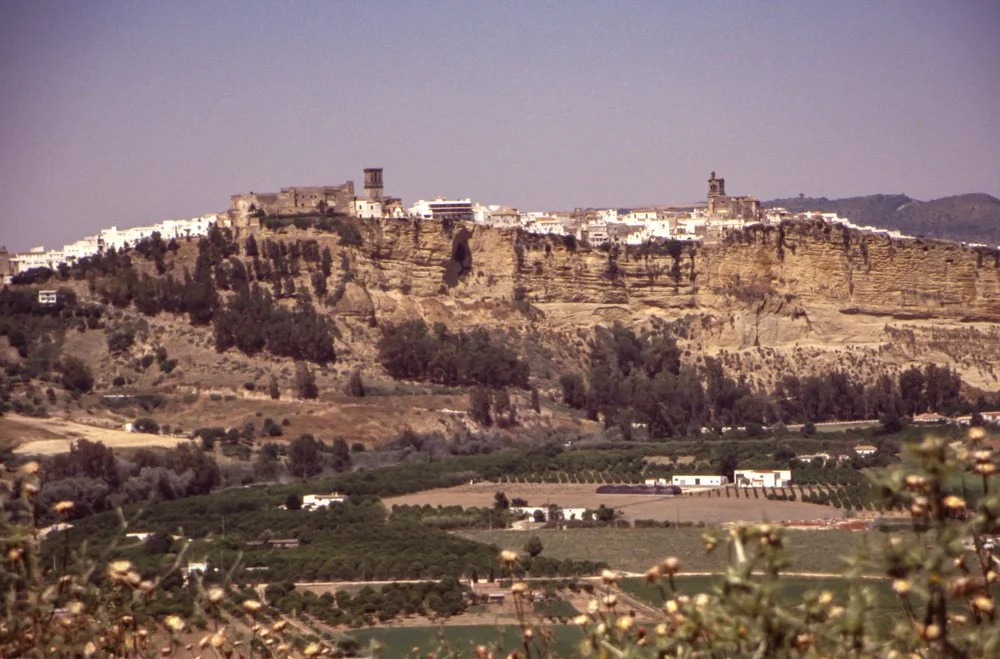
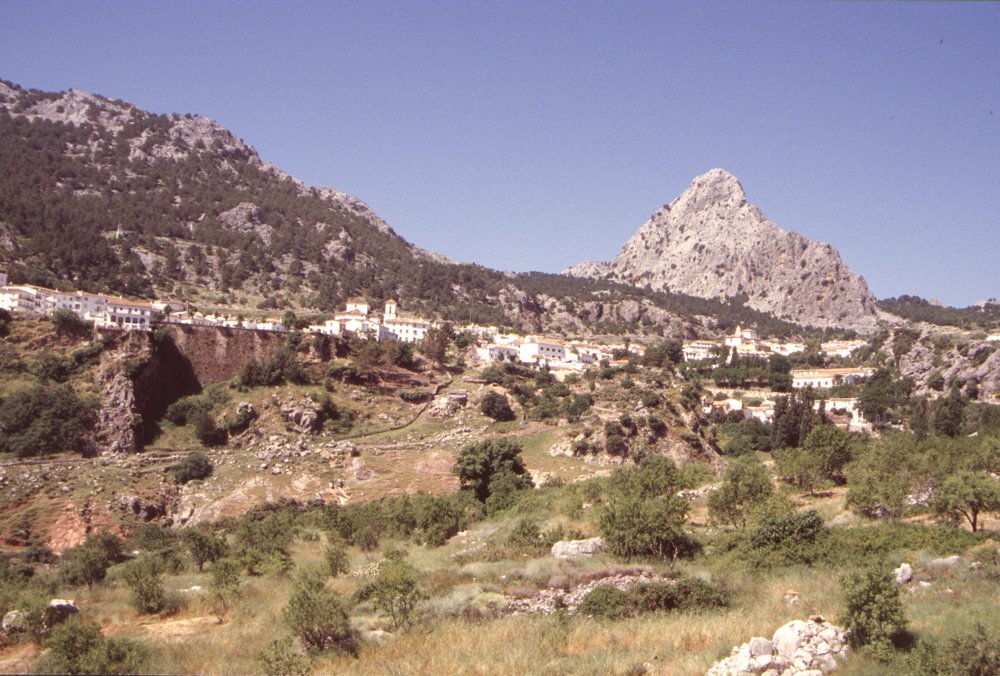
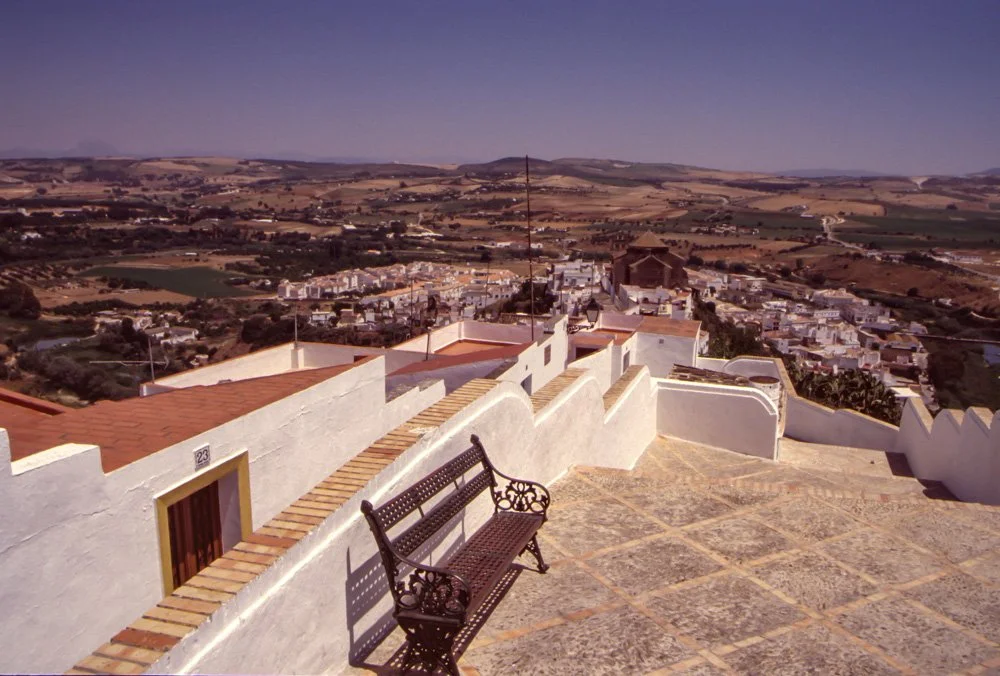
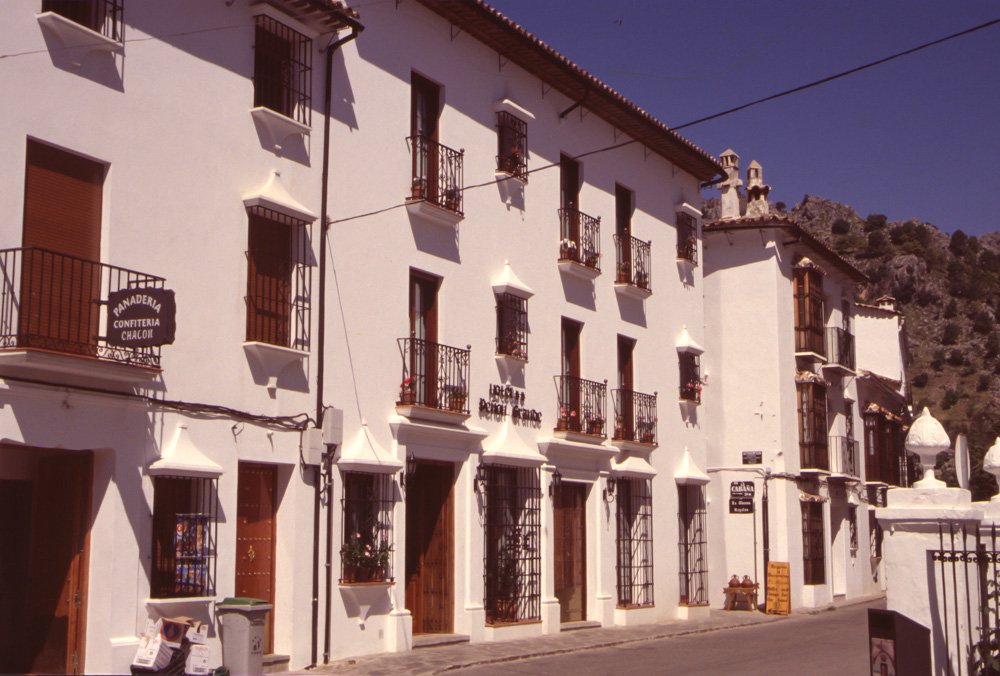
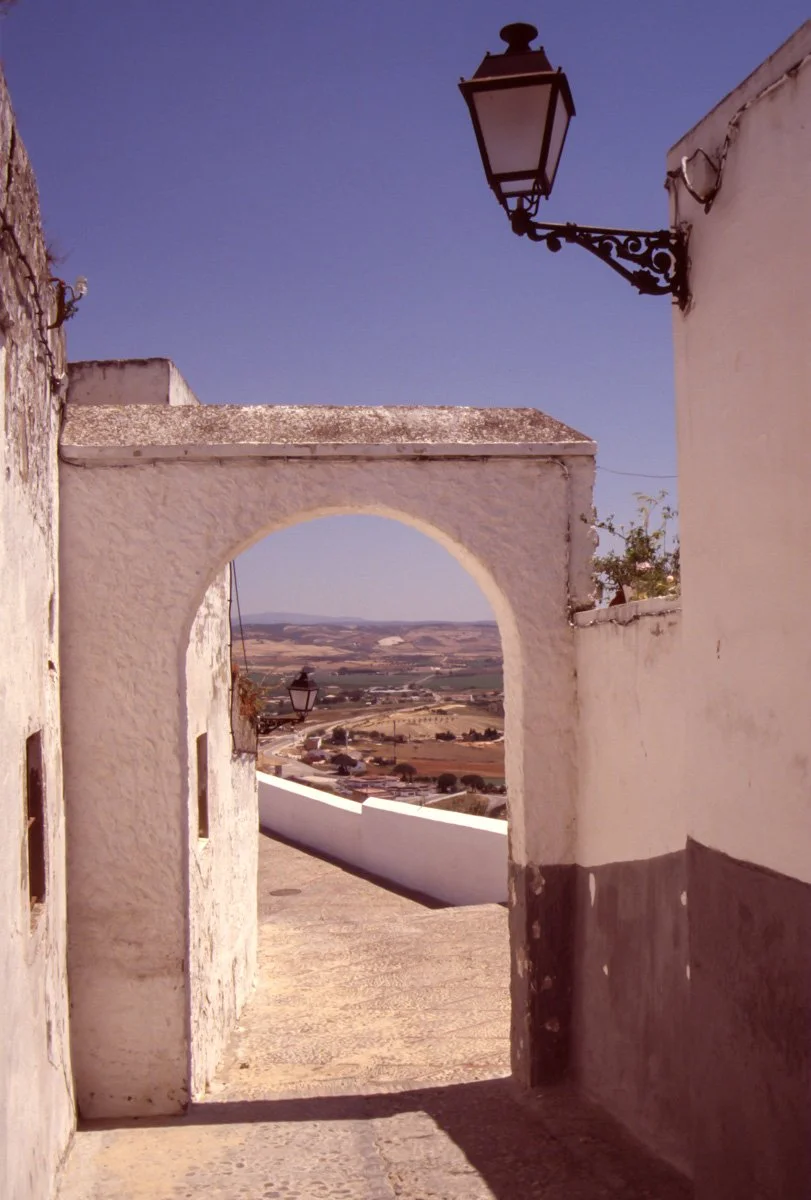
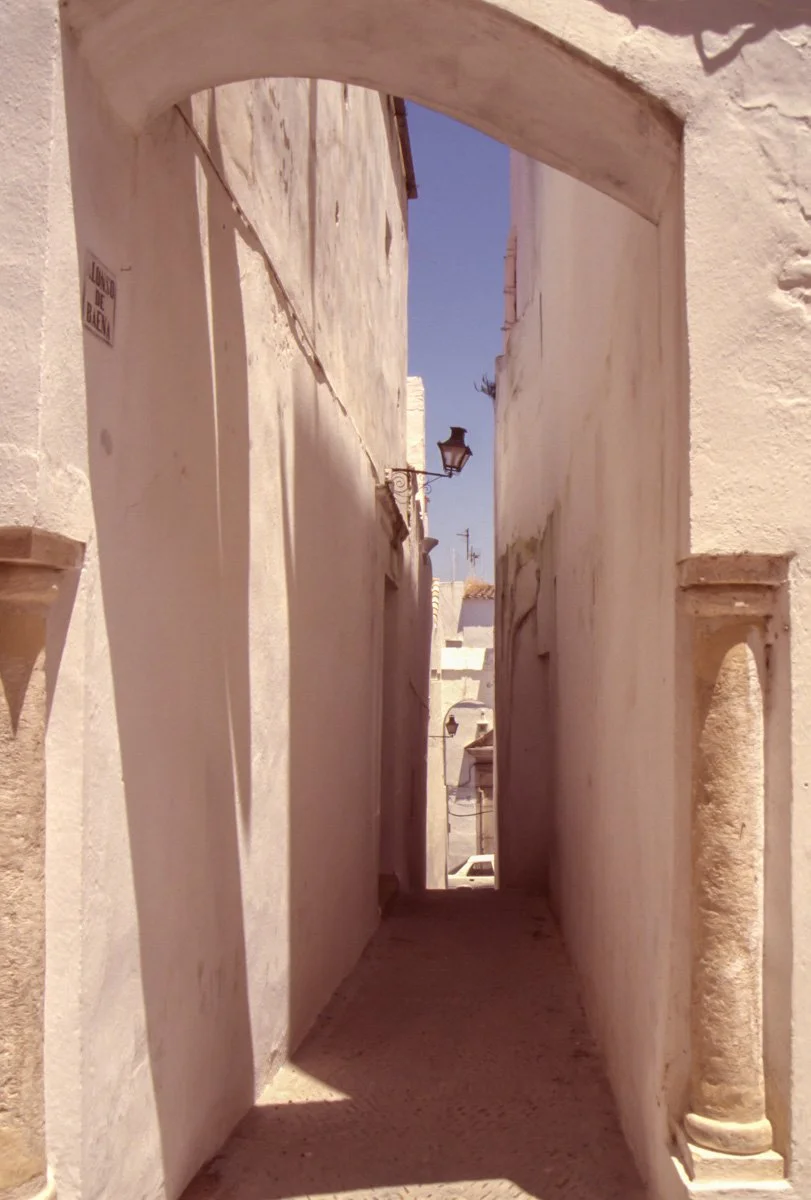
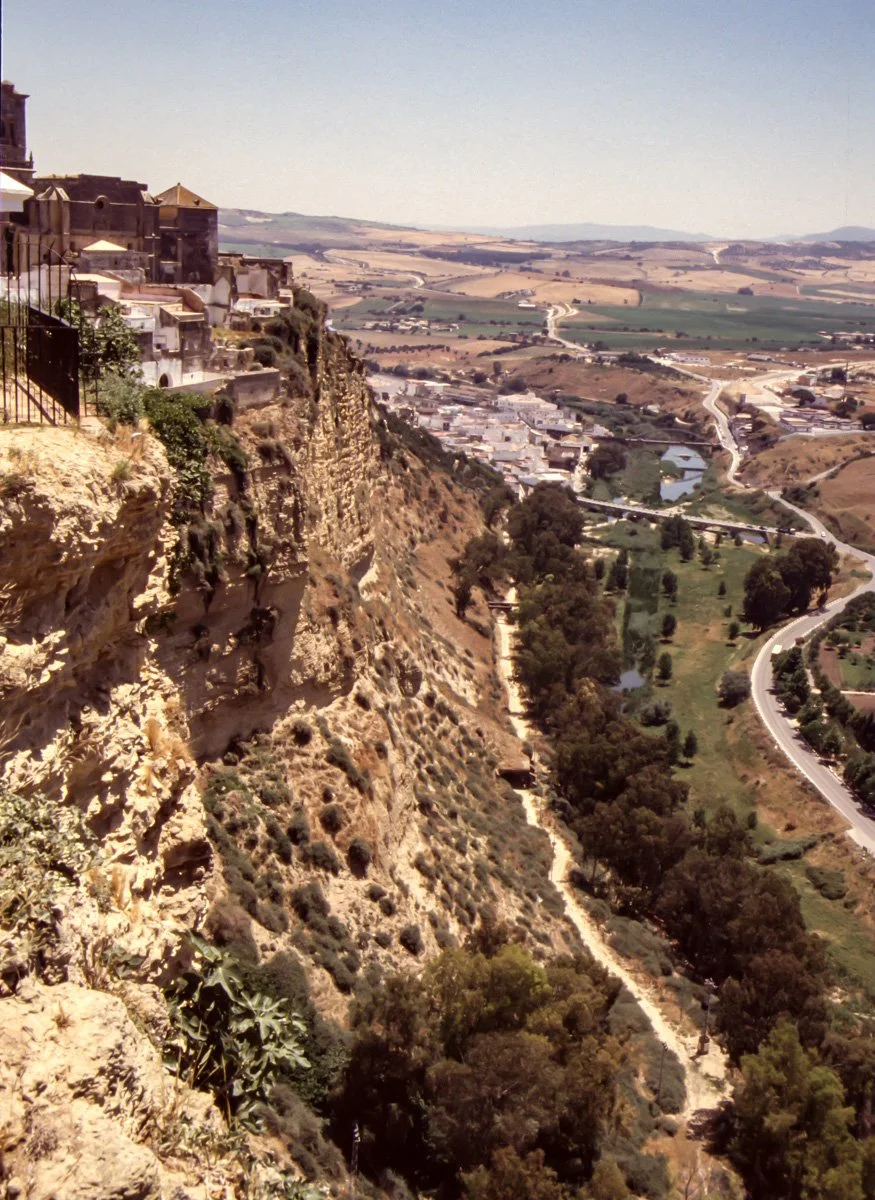
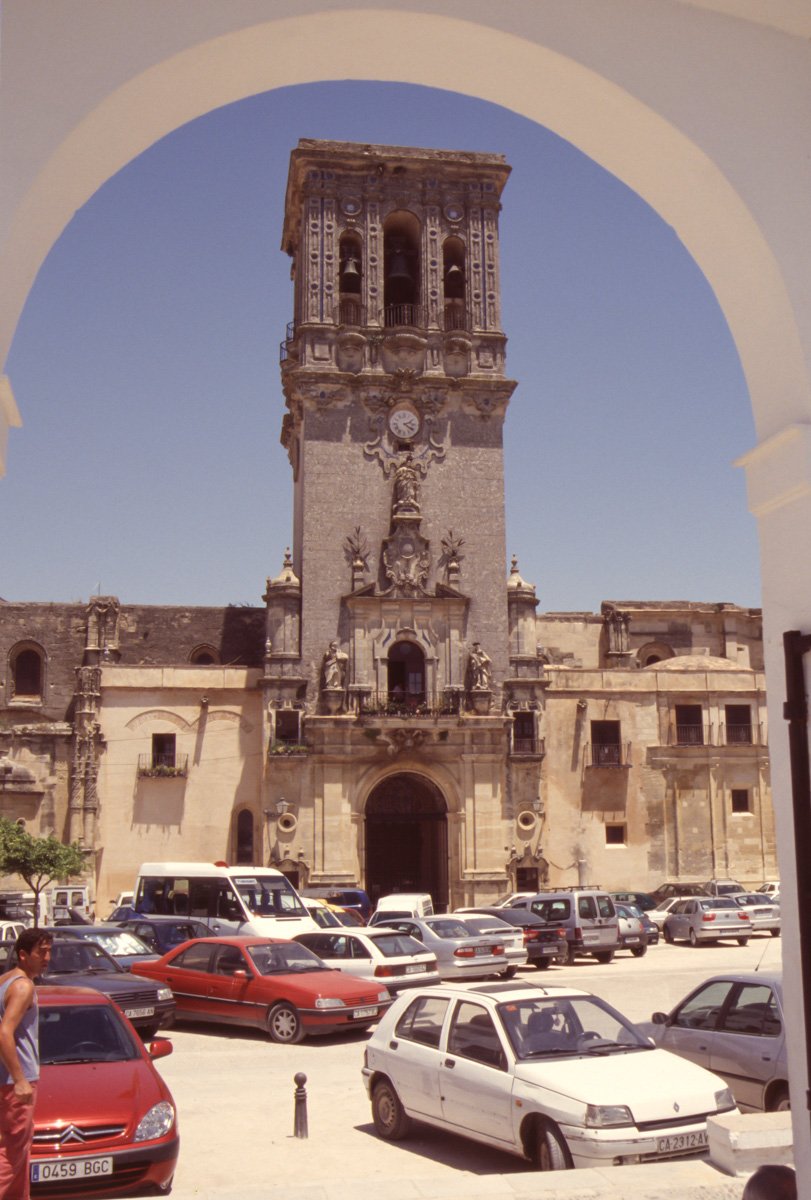
Basílica de Santa María de la Asunción in Arcos de la Frontera
Grazelema
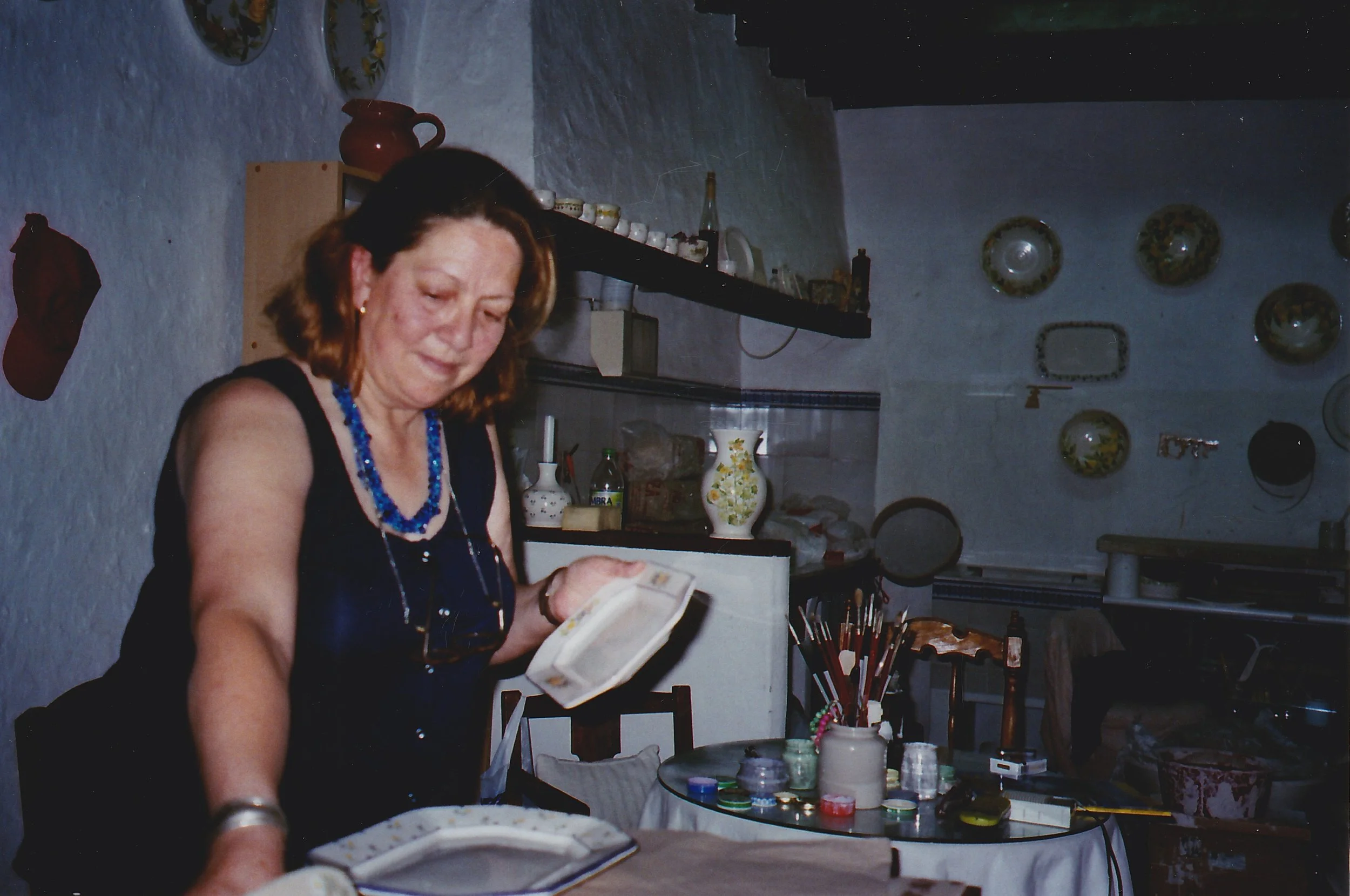
Pottery shop in Grazelema
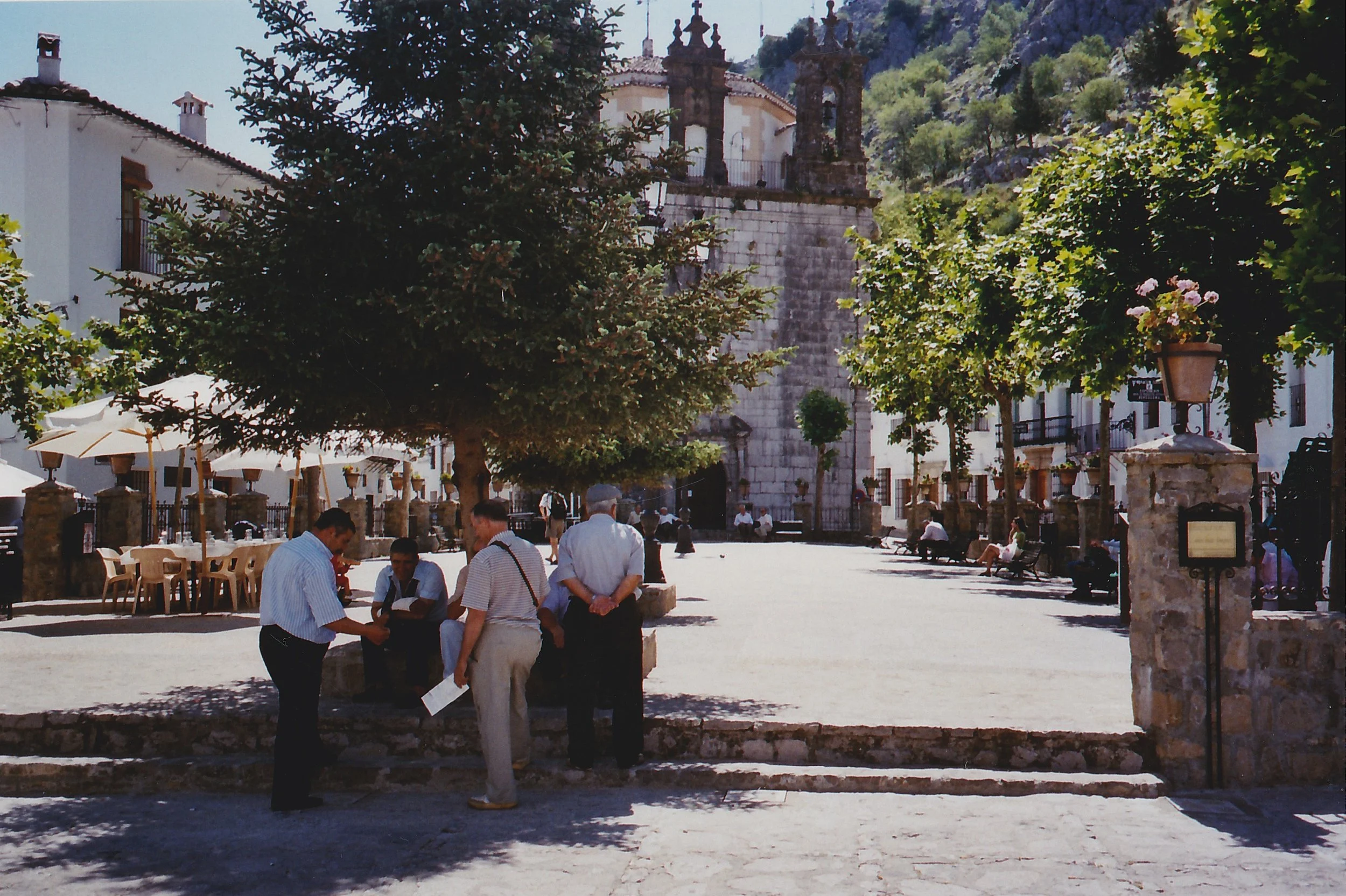
Town square of Grazelema
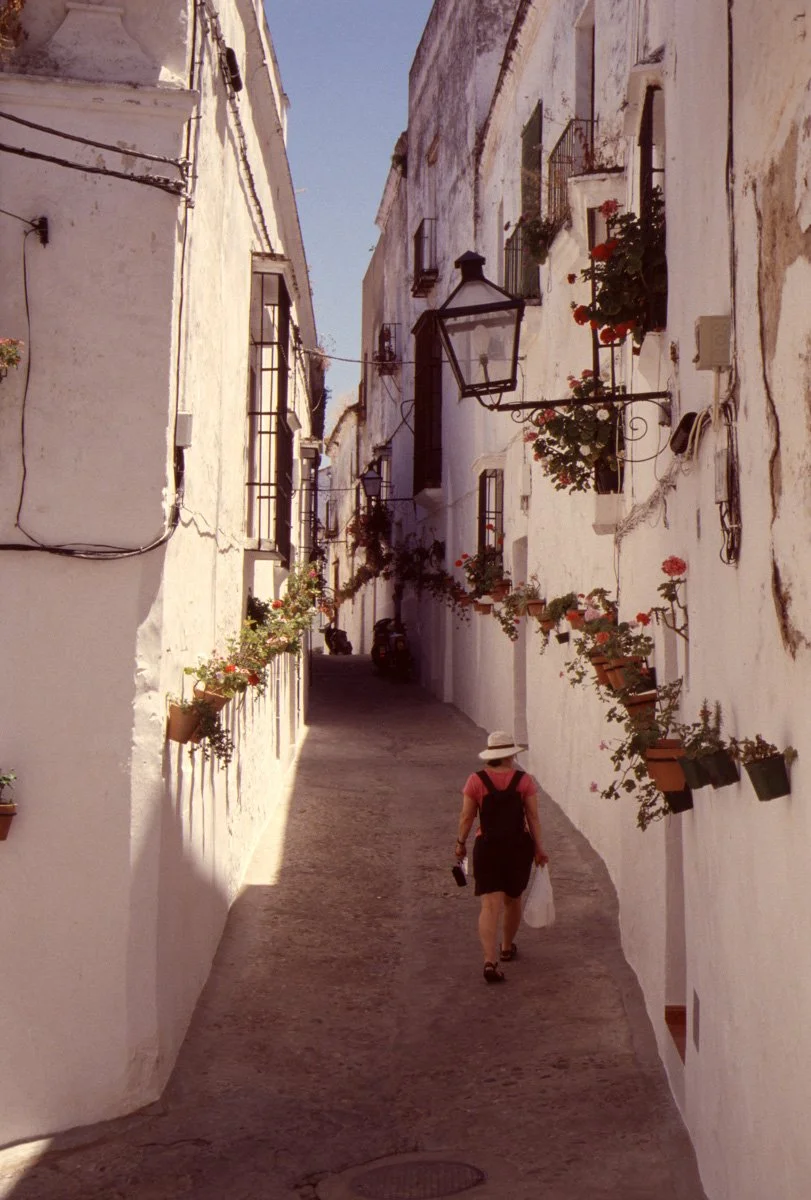
Seville
Our last major stop was in Seville, which has several historic buildings and is the flamenco center of Spain. It did not disappoint.
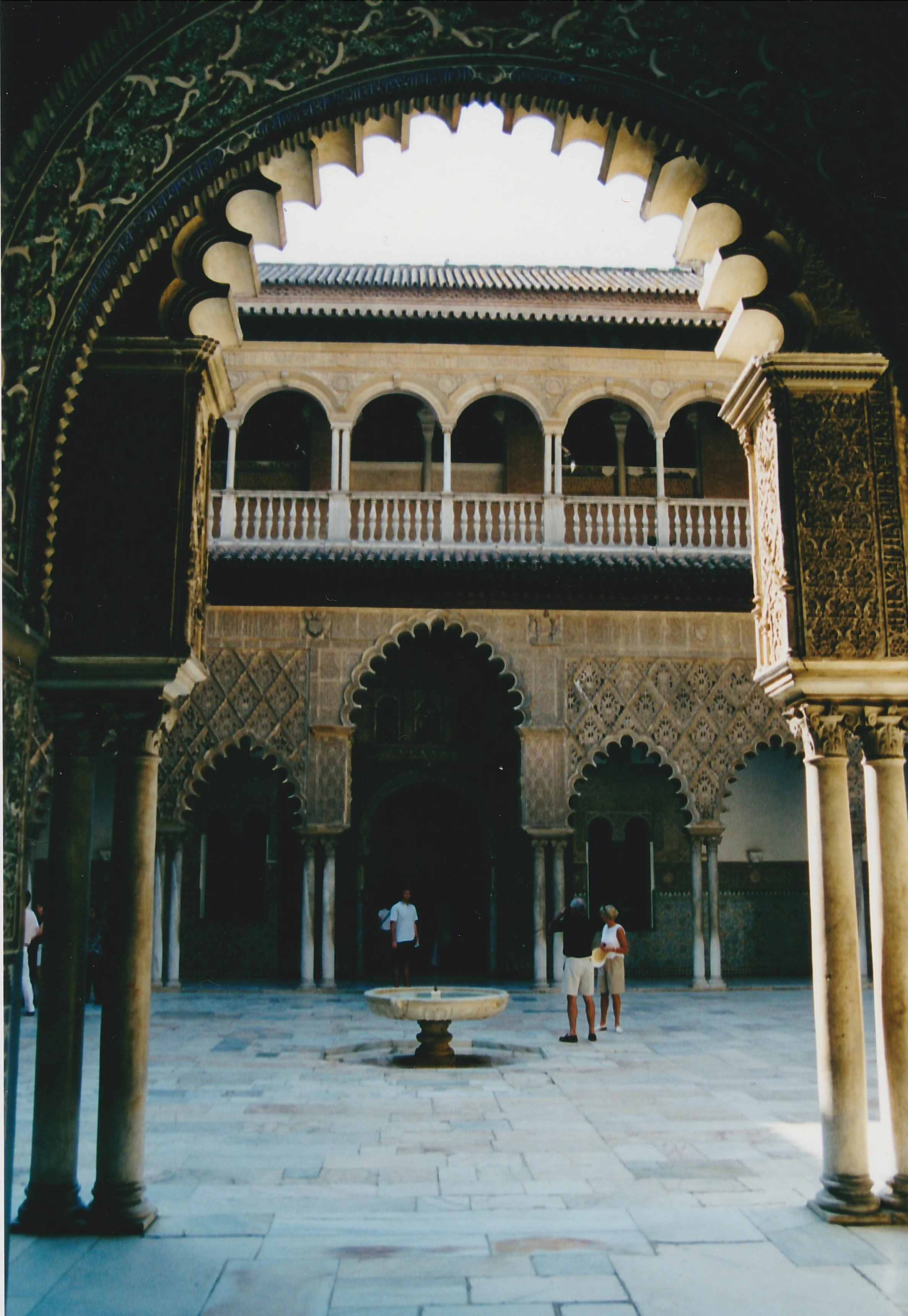
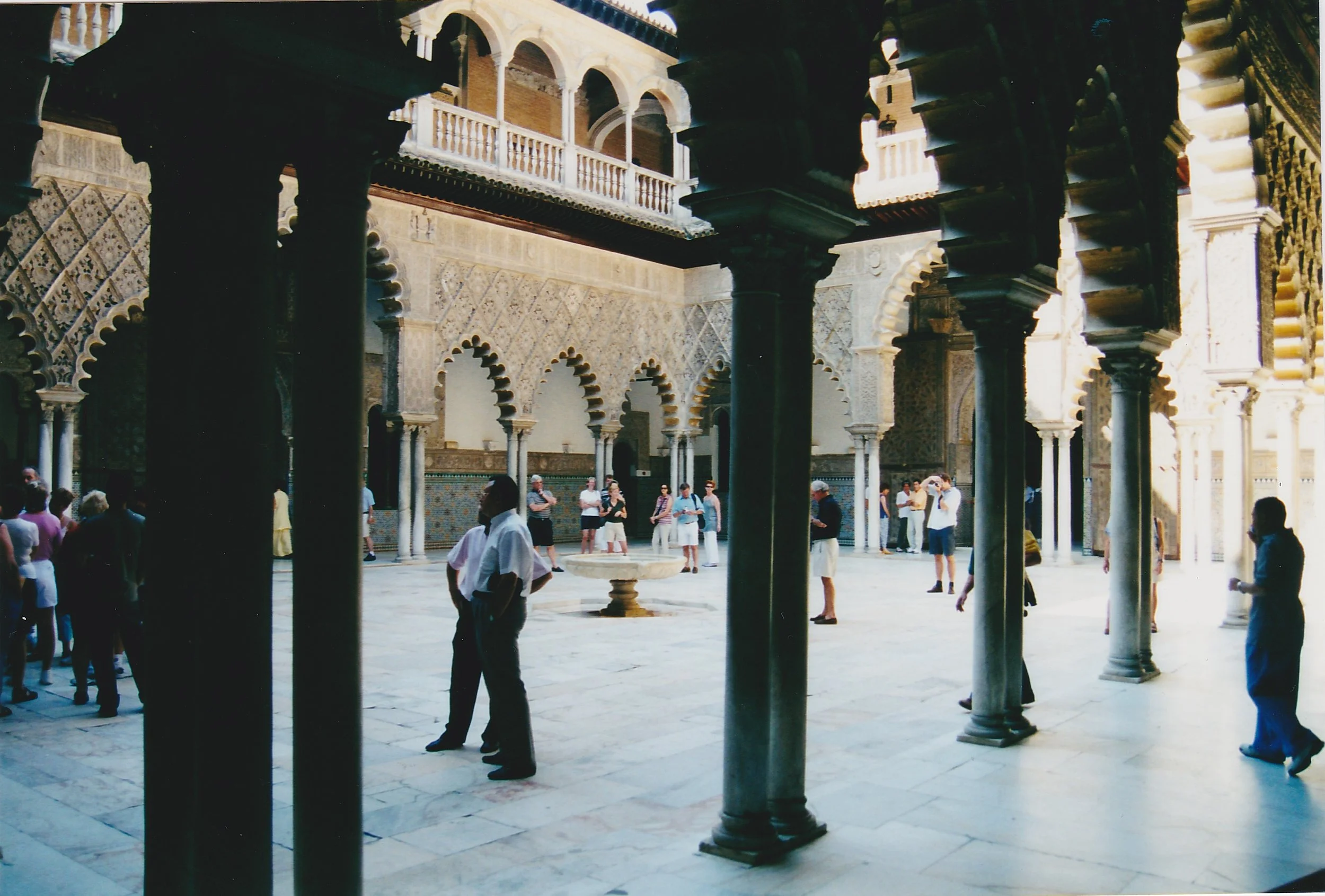
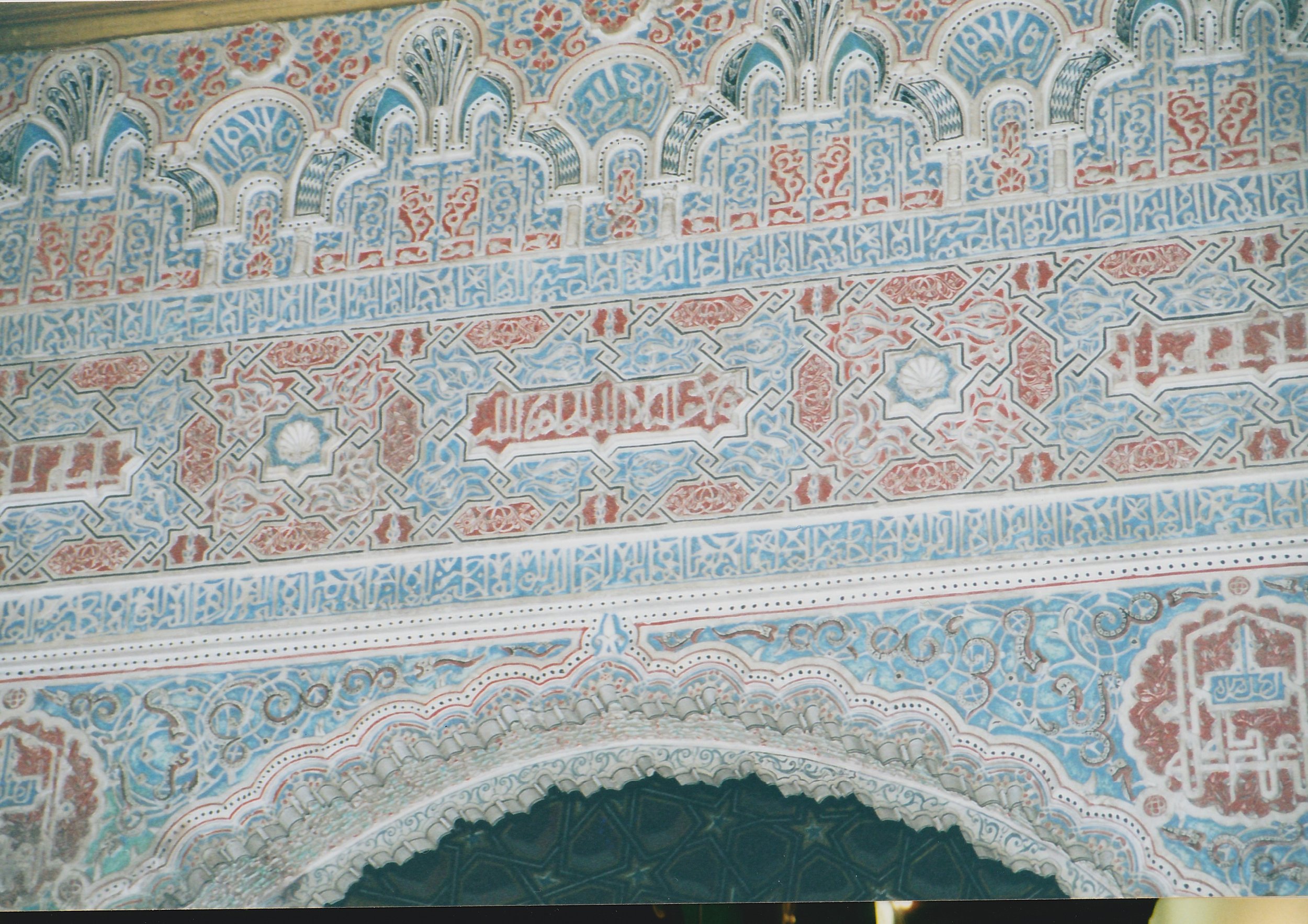
Seville Alcazar
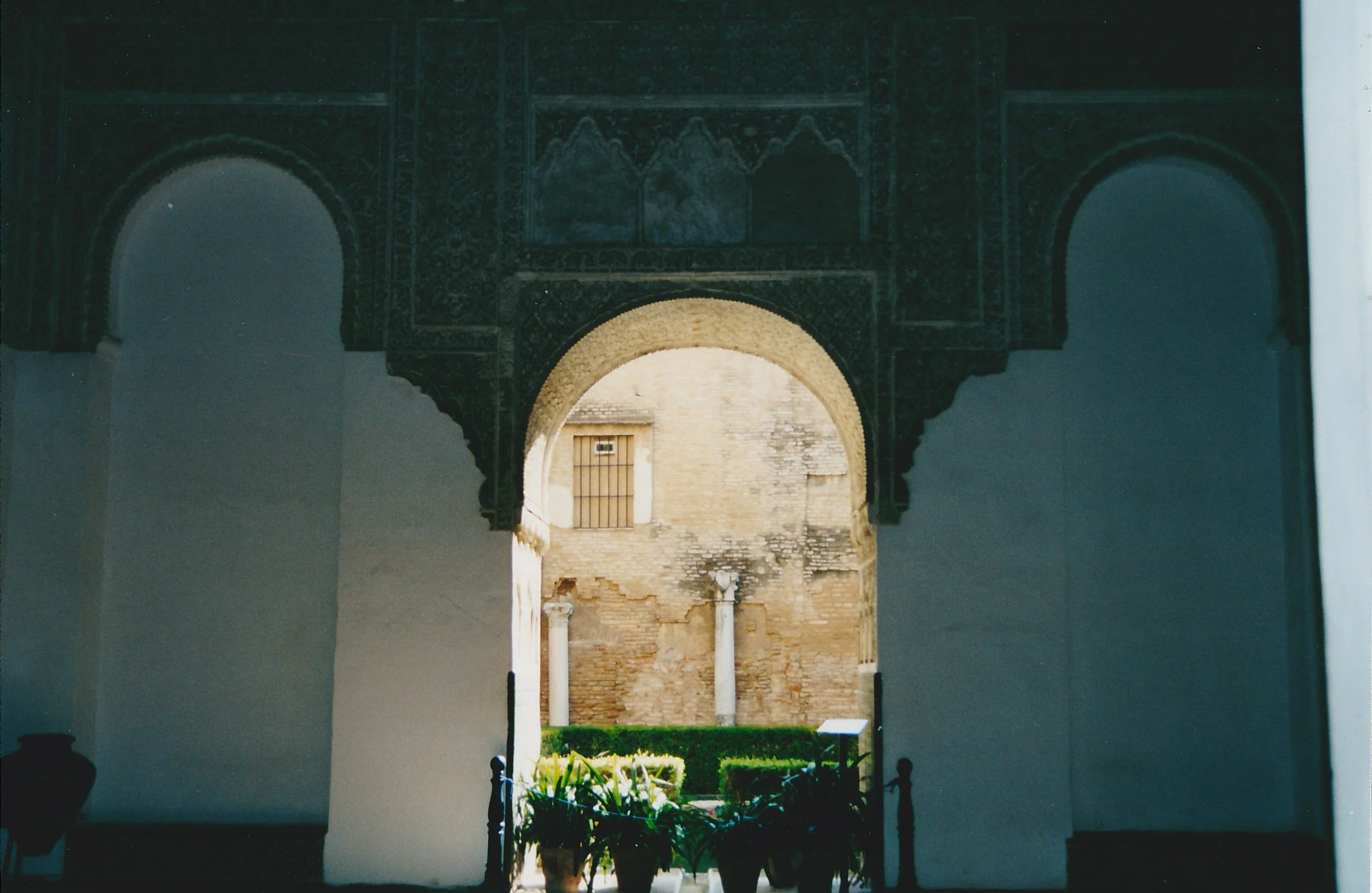
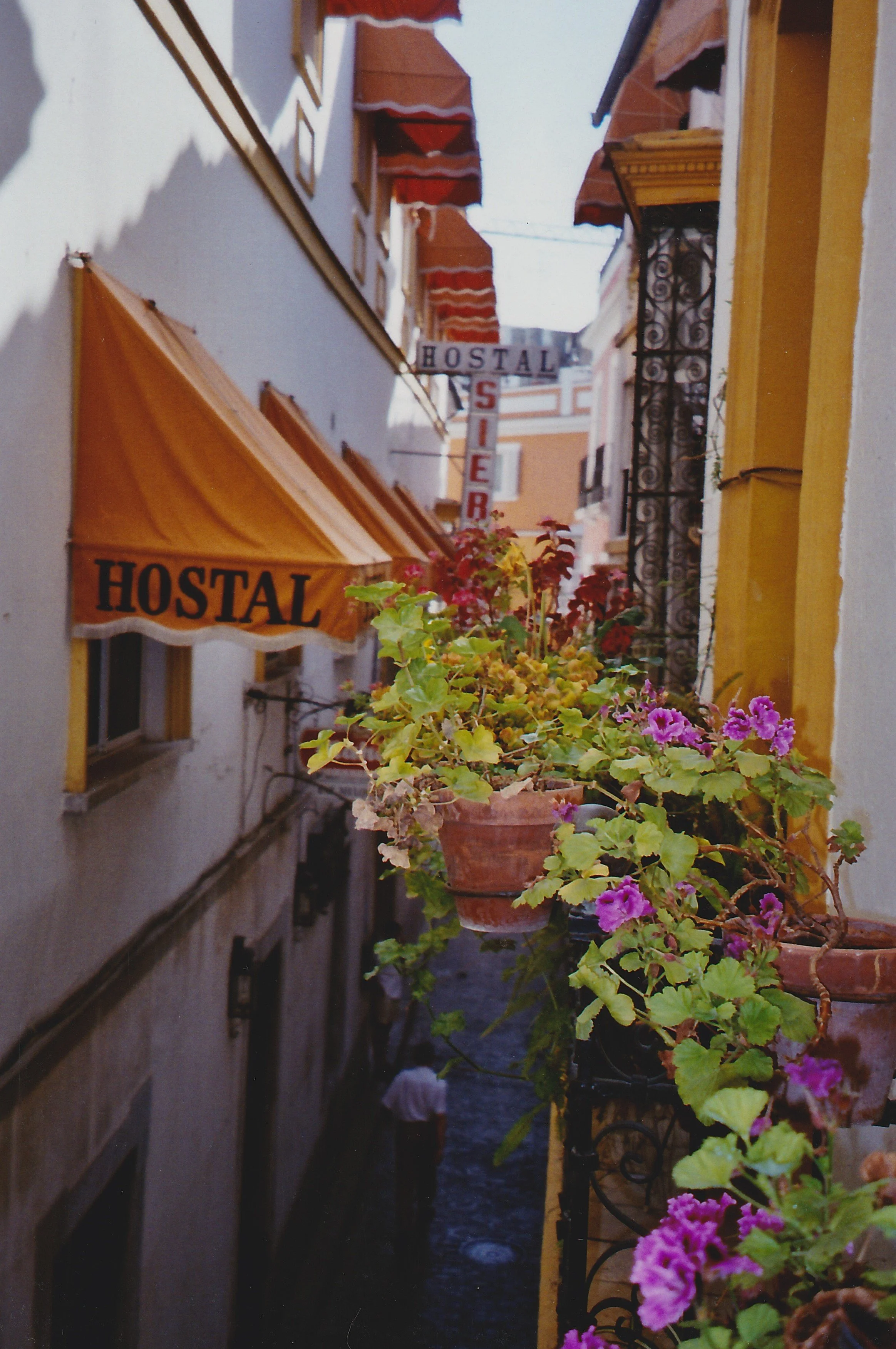
Our hostal Sanchez Sabariego in Barrio Santa Cruz in Seville
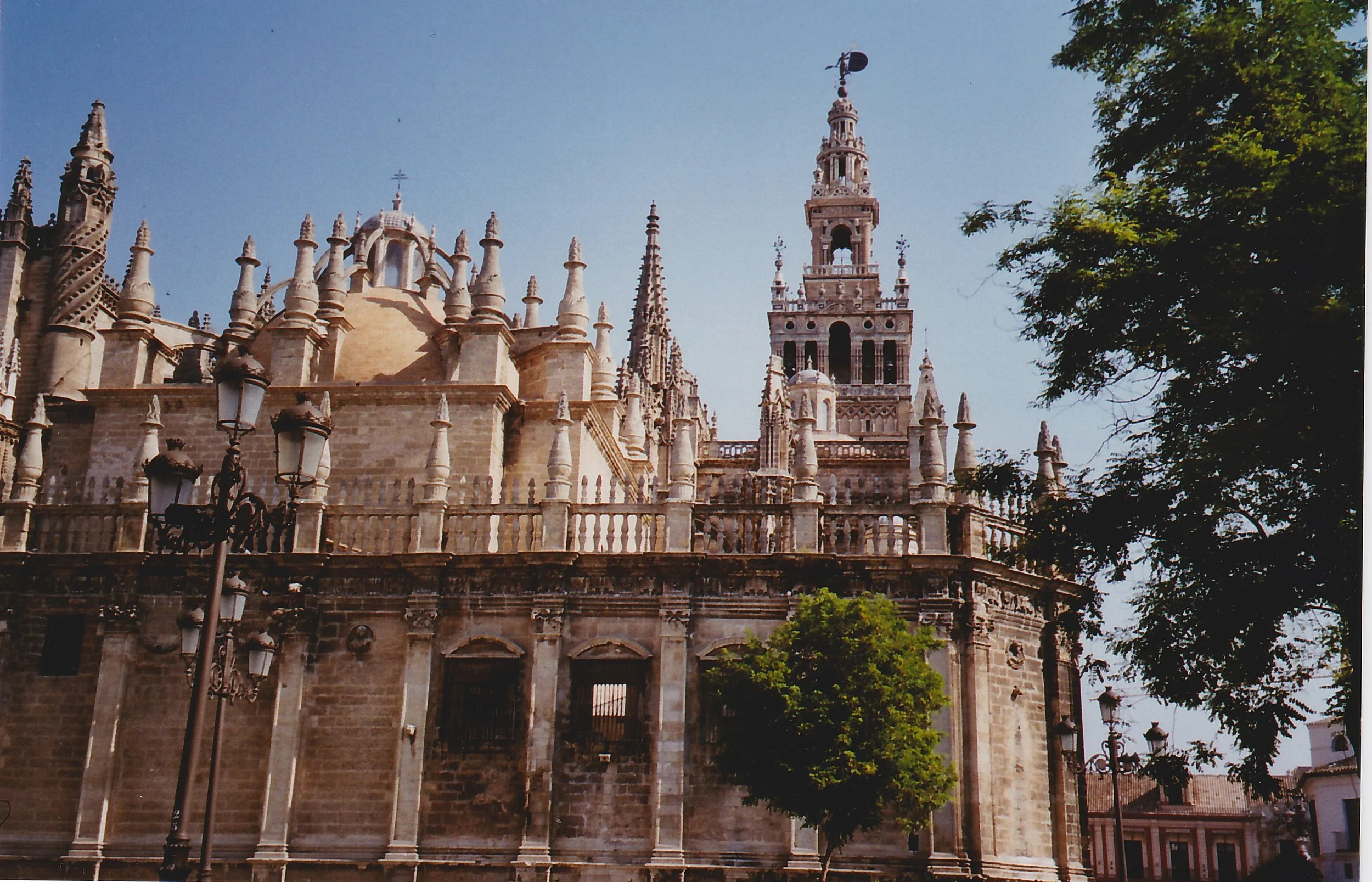
Seville Cathedral
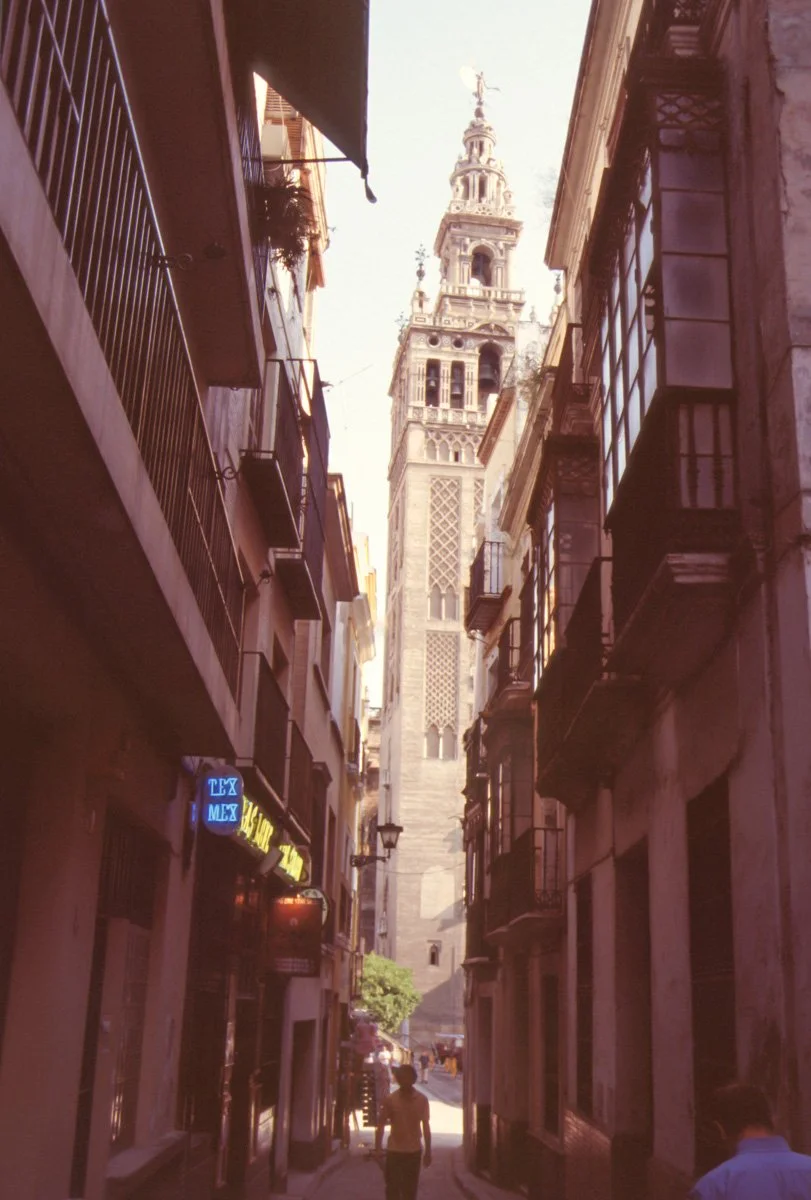
Bell tower of the Cathedral of Seville
Chinchon
We drove to this small town near Madrid on our last night in Spain as we had to catch an early morning flight out of Madrid.
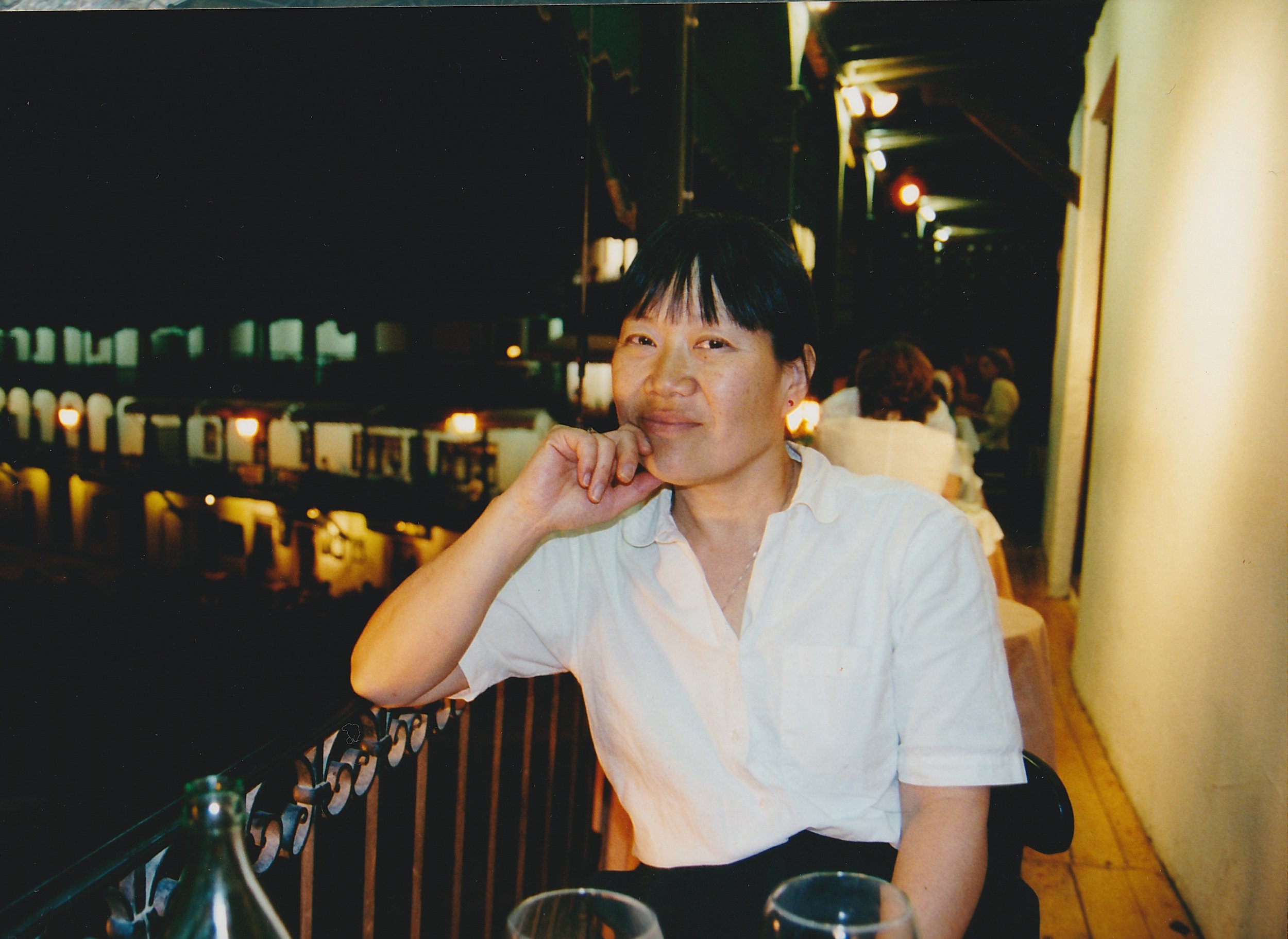
Overlooking the Plaza Major of Chinchon which also doubles as a bullring in Chinchon
Highlight: Seville and flamenco
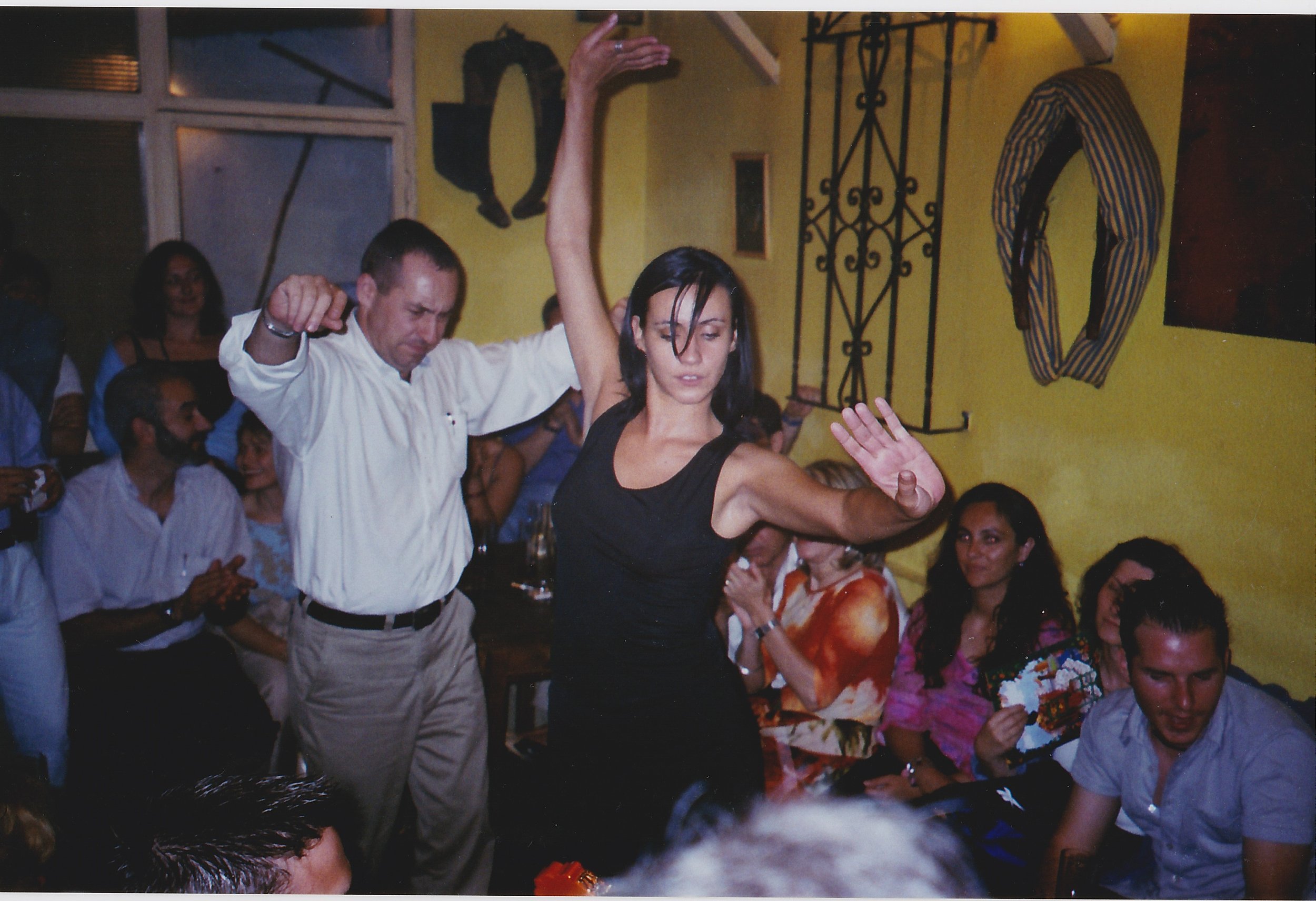
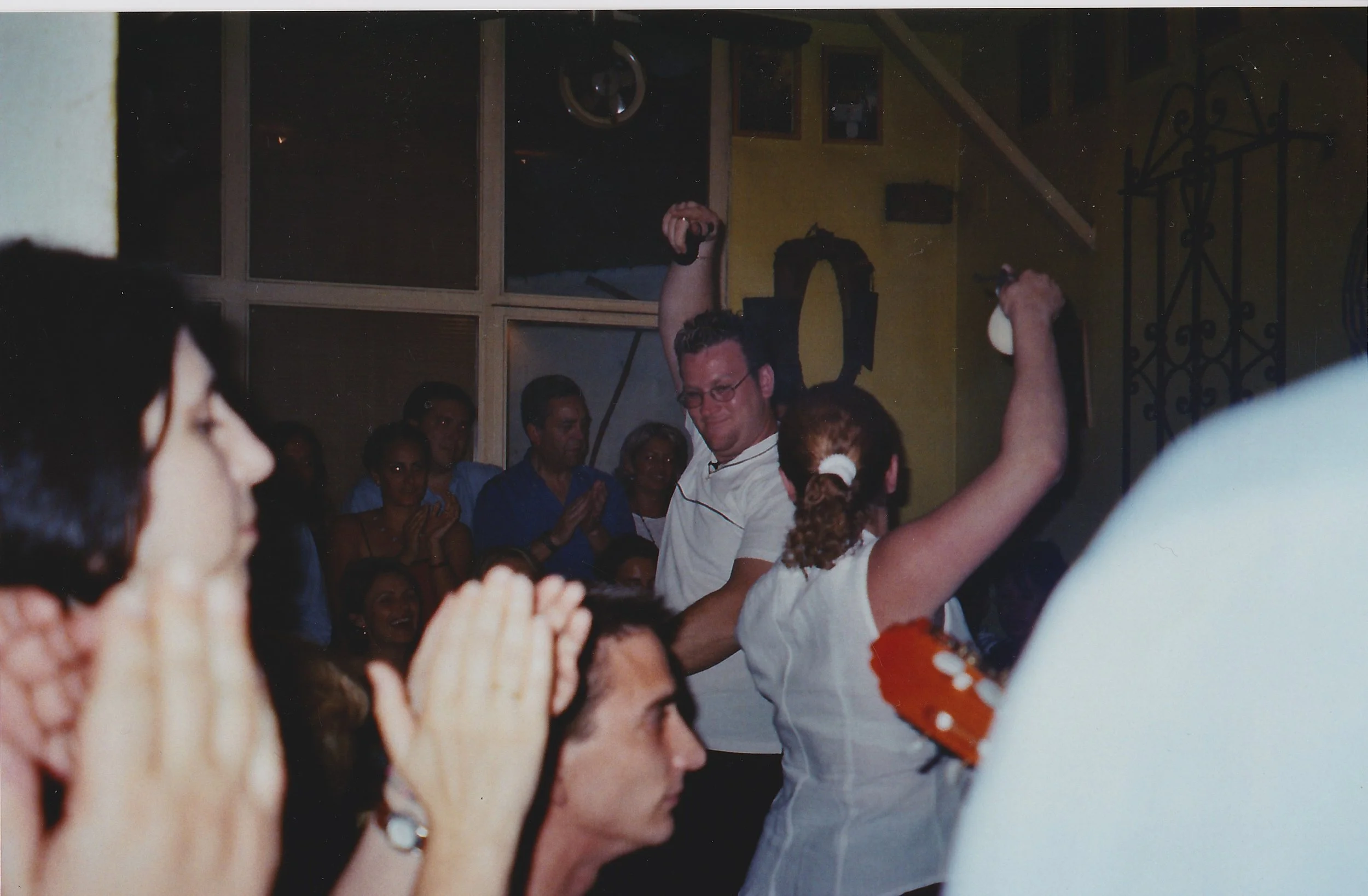
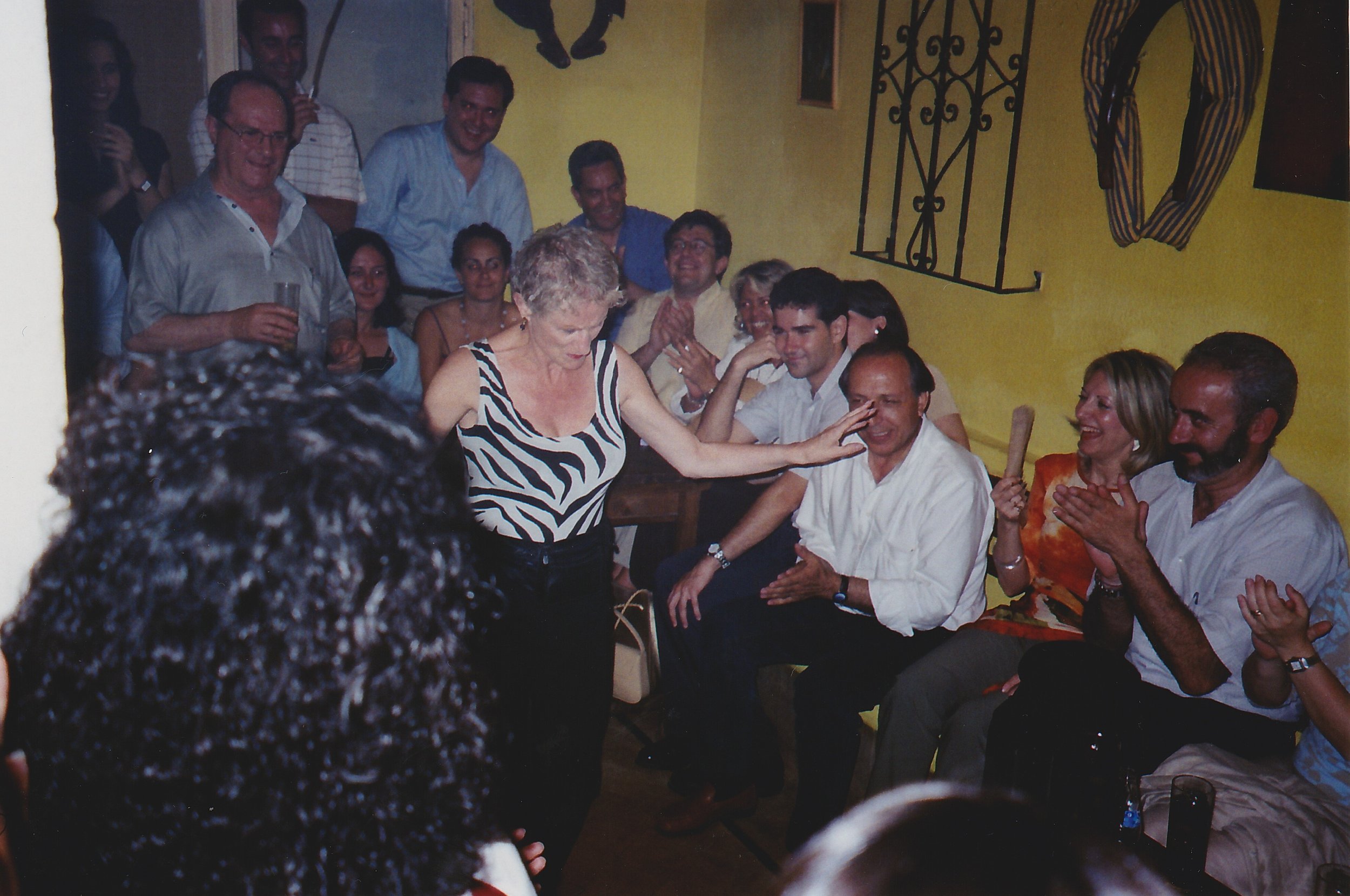
Seville is the flamenco center of Spain and we wanted to get a flavor of this lively city. We signed up to go to one of the many formal flamenco shows/dinners that are available. But we had been told that the way to get the true pulse of the music was to go to one of the bars that feature informal, i.e. amateur, flamenco music and dancing. We asked around and were told that we should go to the El Tamboril bar in the Santa Cruz district. So after the dinner and show, we went looking for the bar.
There was a medium sized room with chairs all around the outside and filled to capacity with people even though it was already late. There were a couple of singers with guitars, some tambourines, castanets, and other informal instruments. As far as we could tell, the program was totally ad hoc. A guitarist would start strumming a song and a man, or a woman, would get up and ask someone to join him, or her, to dance. They would then dance while the rest of the room would sing and clap along energetically. After the song ended, the dancing couple would sit down and soon another song would begin. It seemed like everyone in the bar, except for us, knew all of the songs and would sing along. Since we arrived after the flamenco show, it was already quite late when we found El Tamboril. Unfortunately, we had a long drive back to Madrid the following day so we could not stay too late. It was probably 2 AM when we left and the crowd was still going strong.
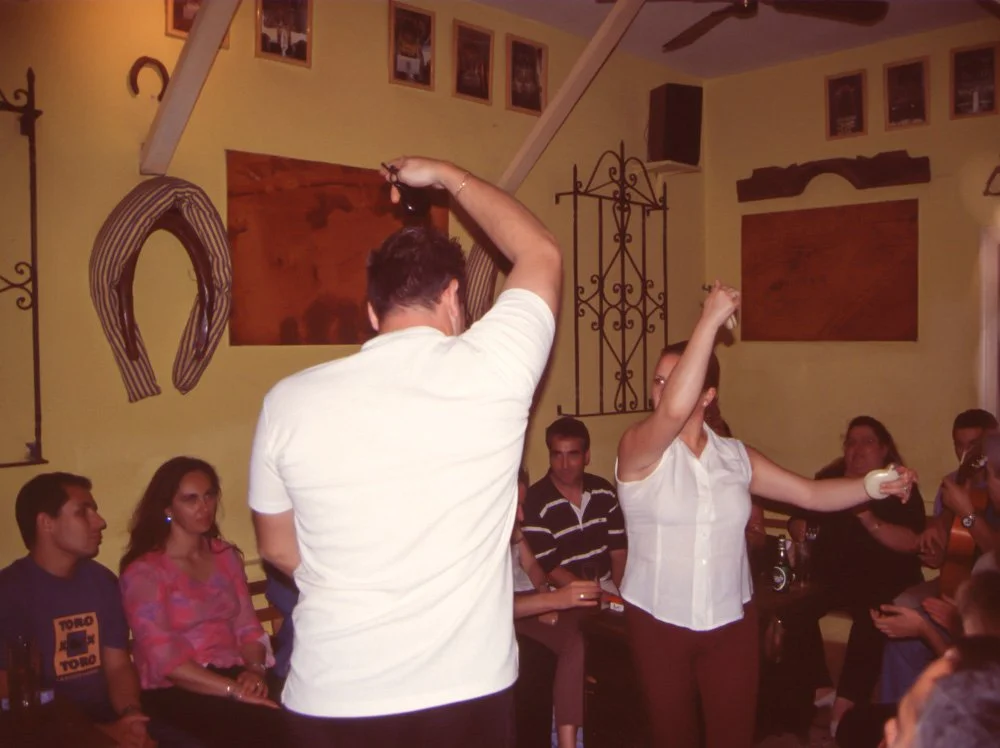
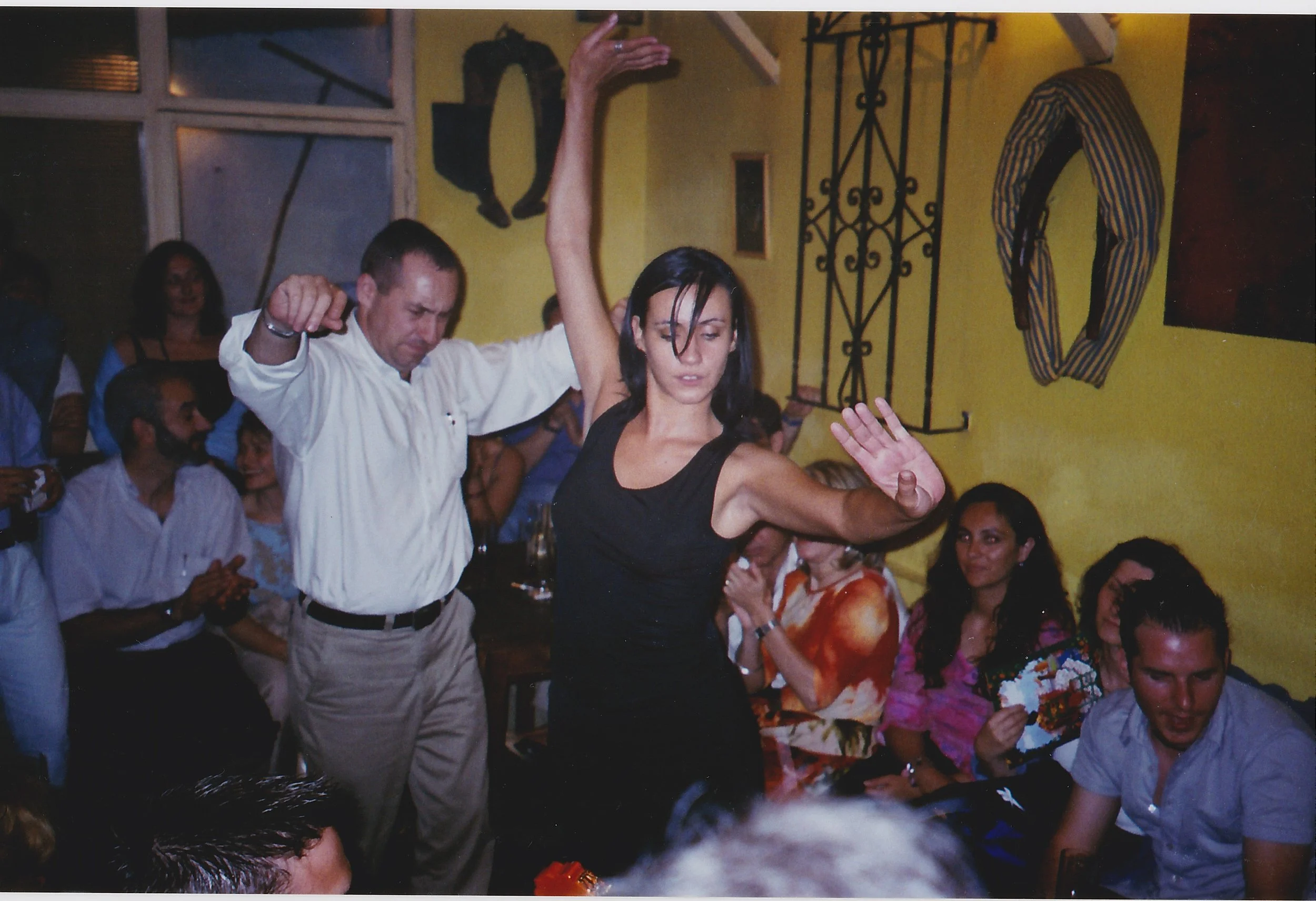
El Tamboril bar flamenco dancing
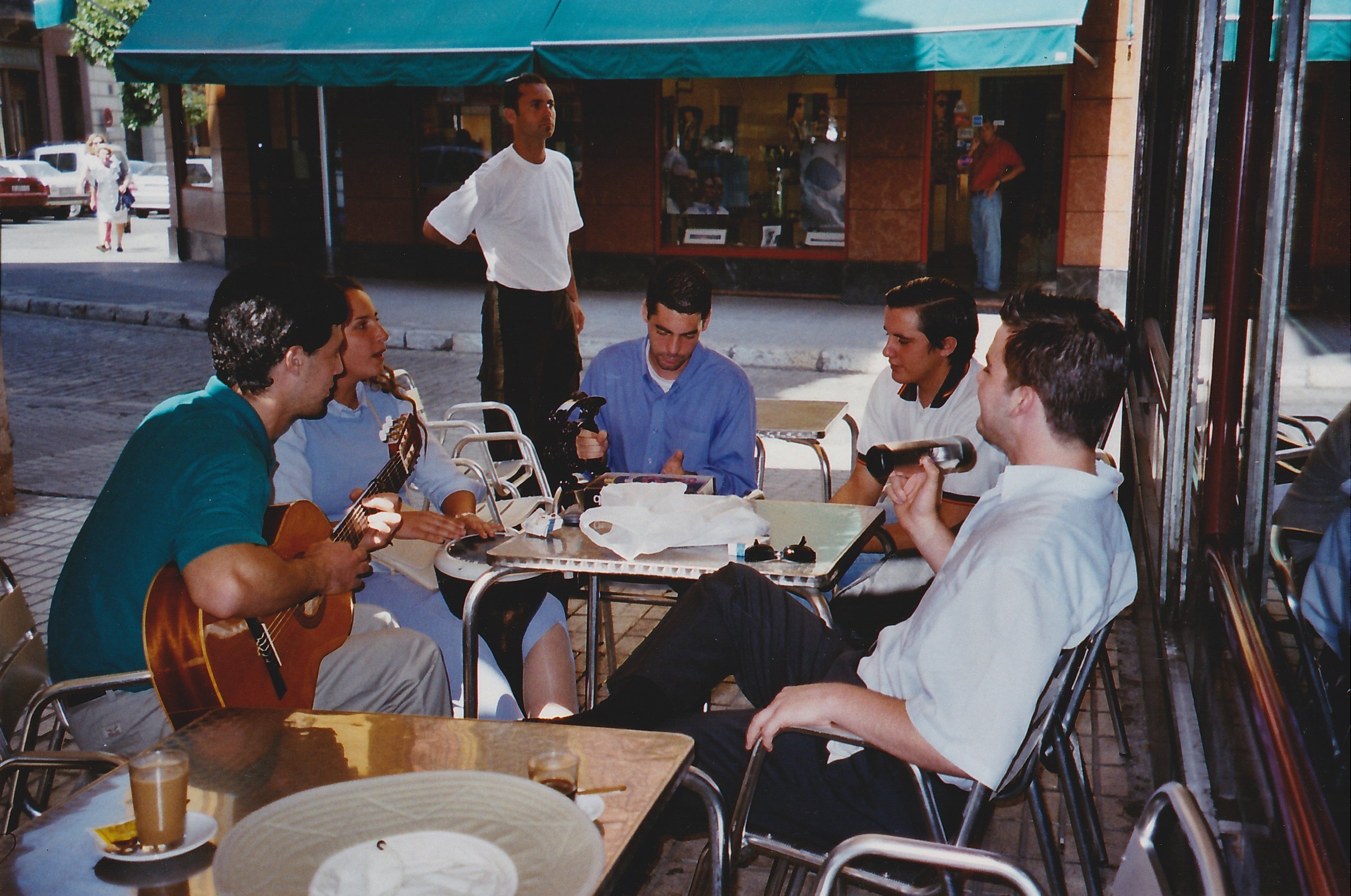
The next morning we went for breakfast and ran across this informal group of flamenco singers.
Please note: All text and photos are copyrighted to Tom Yin. You are welcome to share the URL, however re-production of text or photos is not permitted. If you would like to feature this story, contact me and I would be happy to provide you with details, photos, text etc. Thanks!

