Vietnam
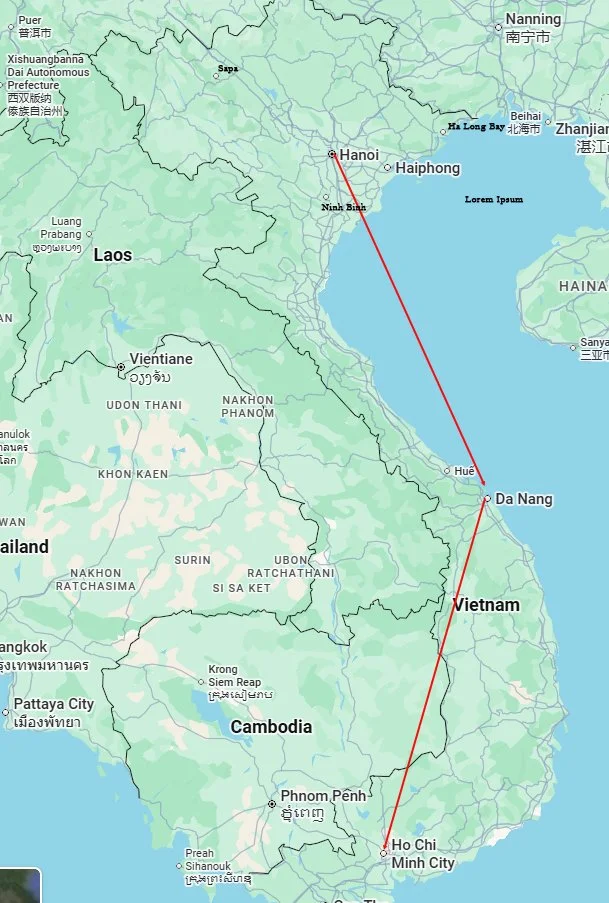
In February, 2026 Grace and I went to Vietnam on a 15-day tour that was organized by one of her best friends accompanying a group of friends from the Villages. We flew to Hanoi from which we visited Sapa, Ninh Binh and Ha Long Bay, then flew south to Danang to visit Hoi An for 3 days and finally flew to Ho Chi Minh for the remaining 5 days. On the return to the USA we stopped in Maui for an adventurous 5 days.
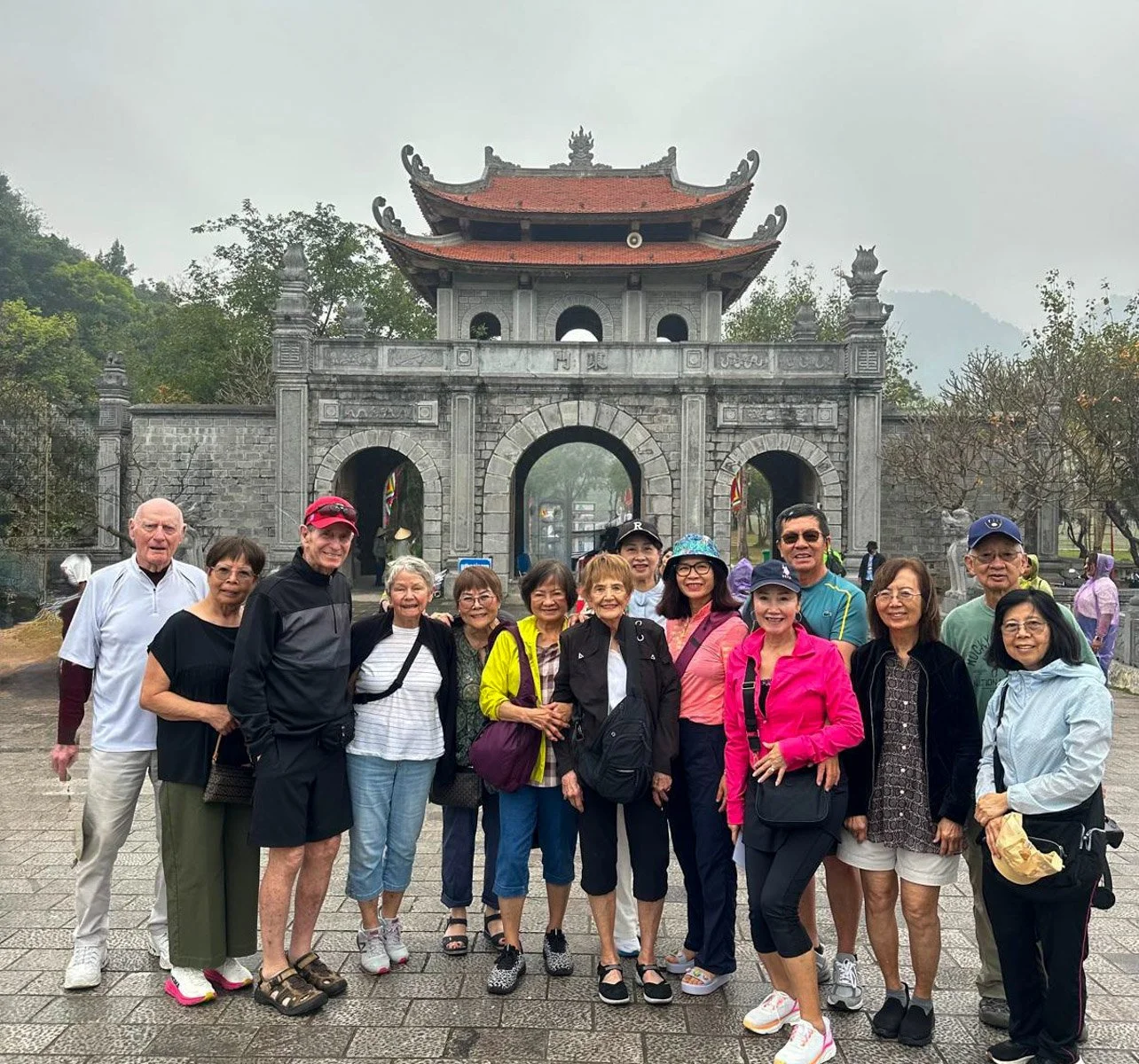
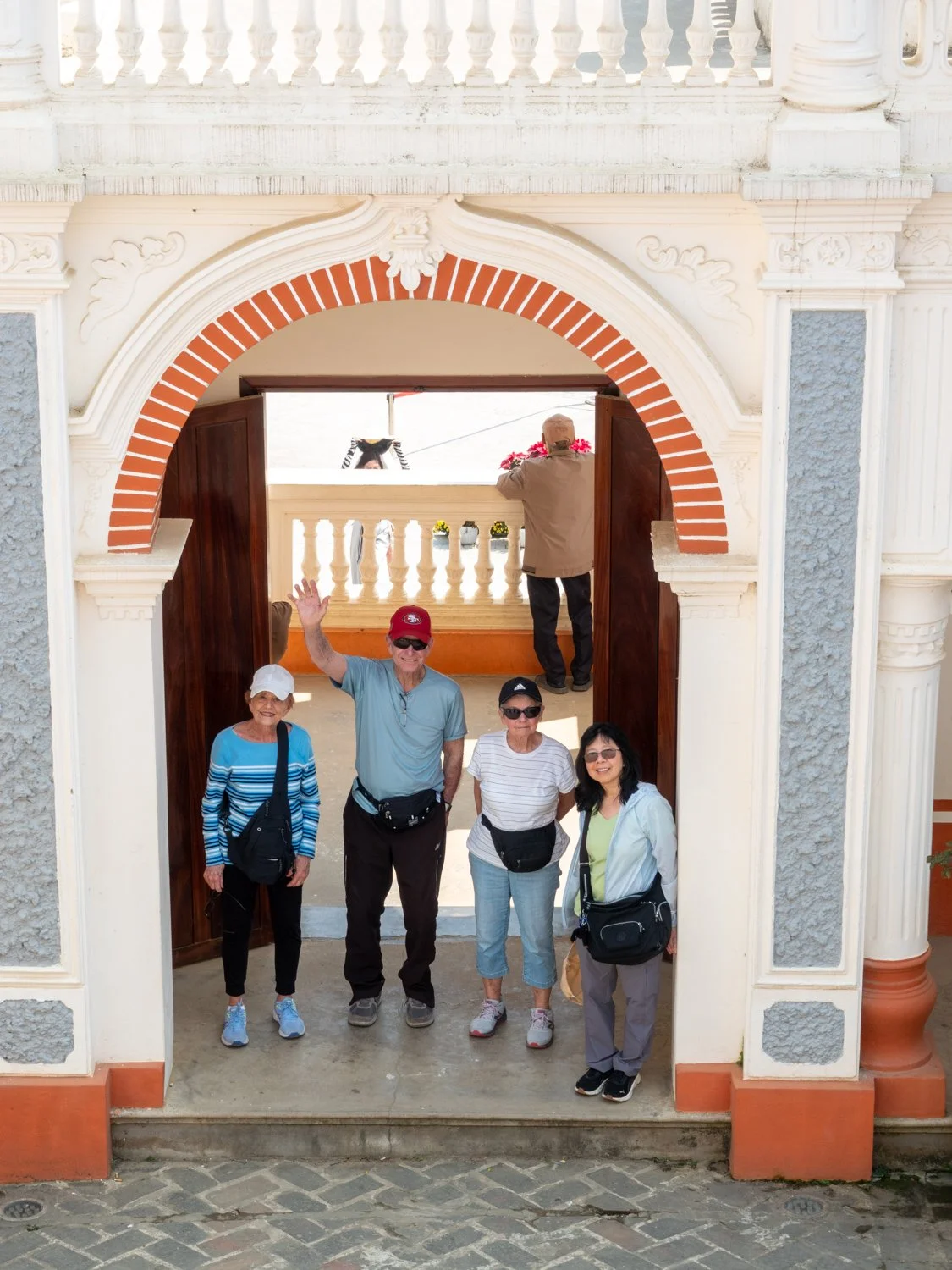
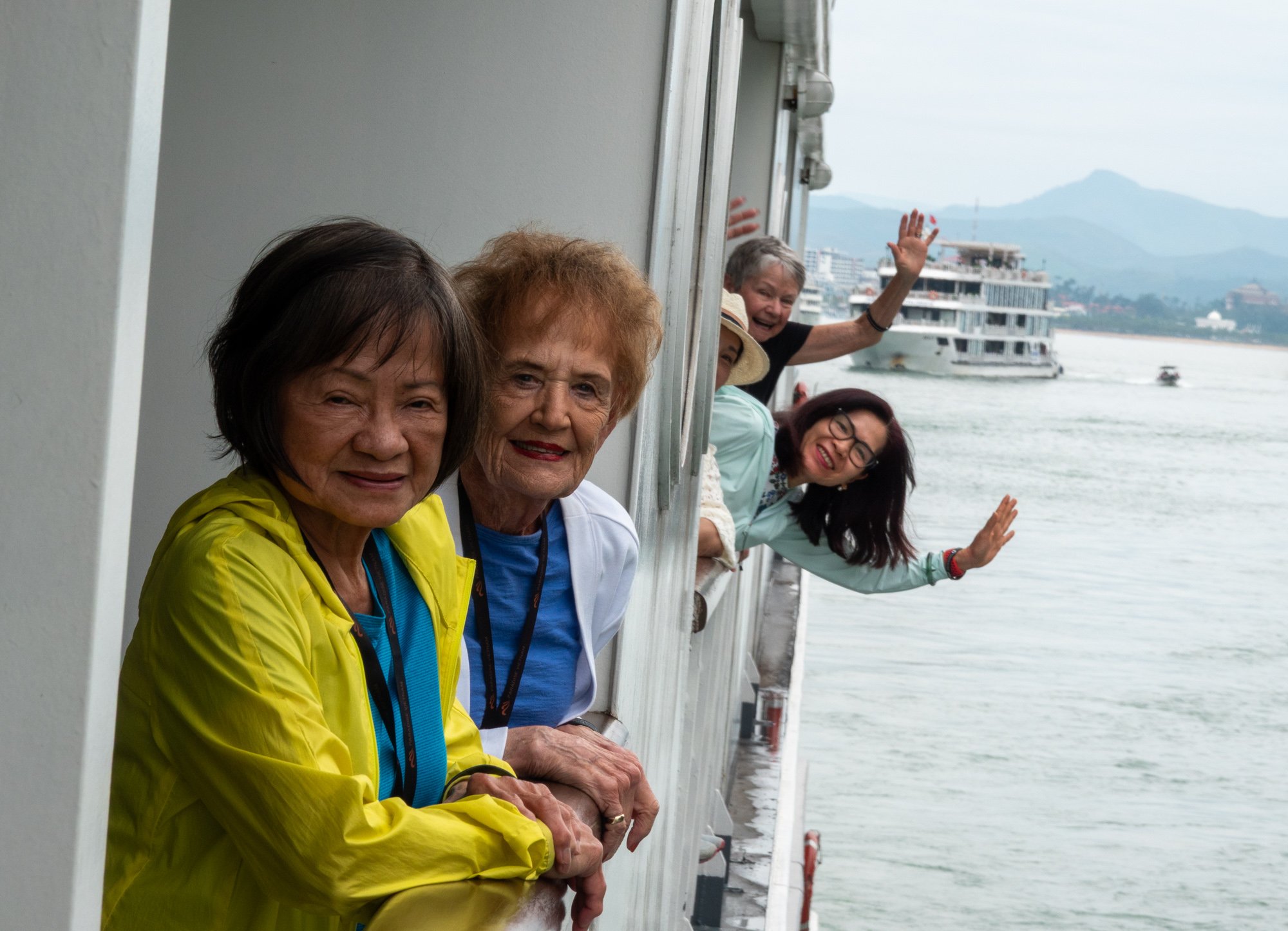
Our tour group
Hanoi
We had one day for a whirlwind tour of the sites of Hanoi.
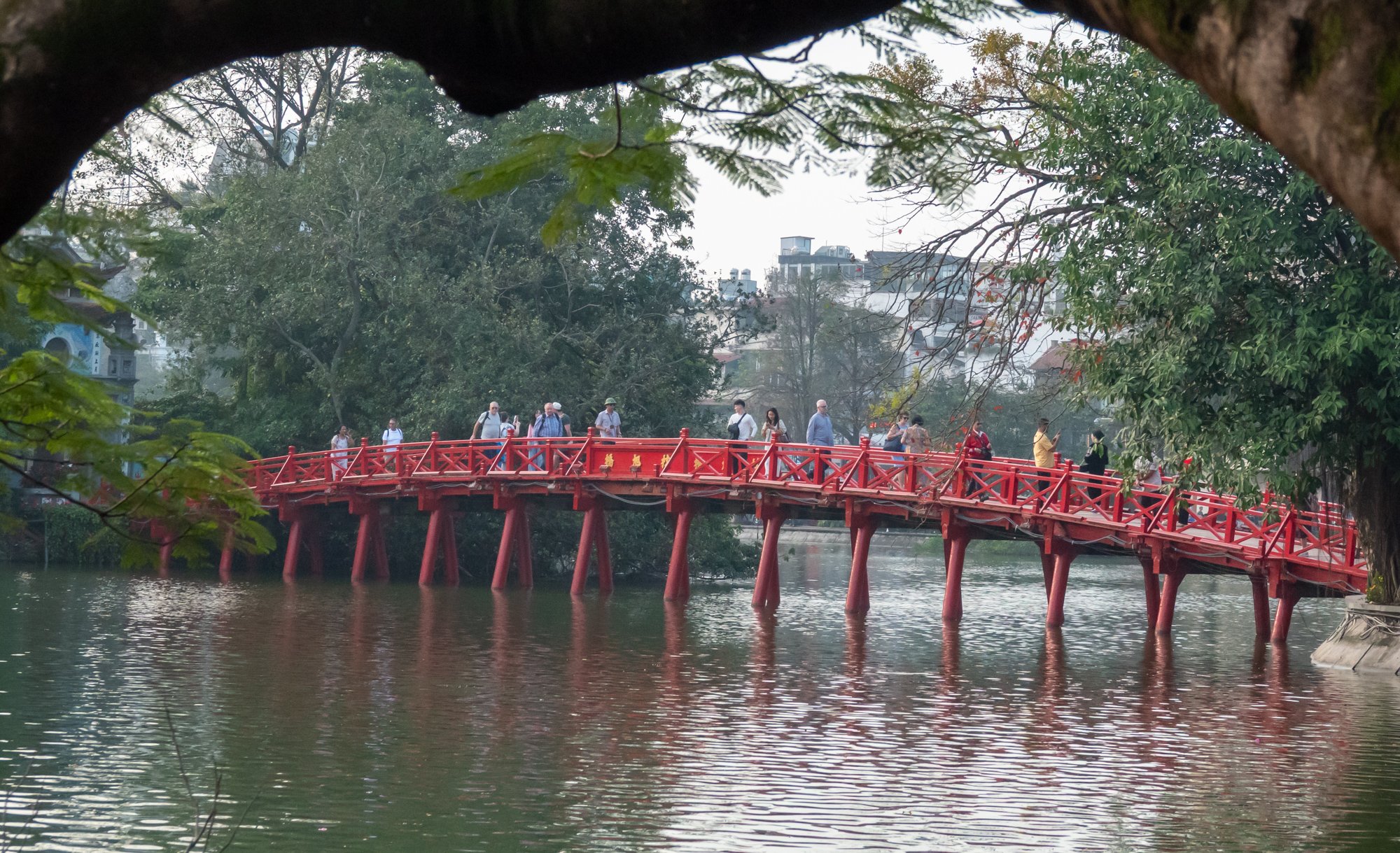
The iconic The Huc Bridge (Bridge of the Rising Sun) in Hoan Kiem Lake in Hanoi. It connects to the Ngoc Son Temple.
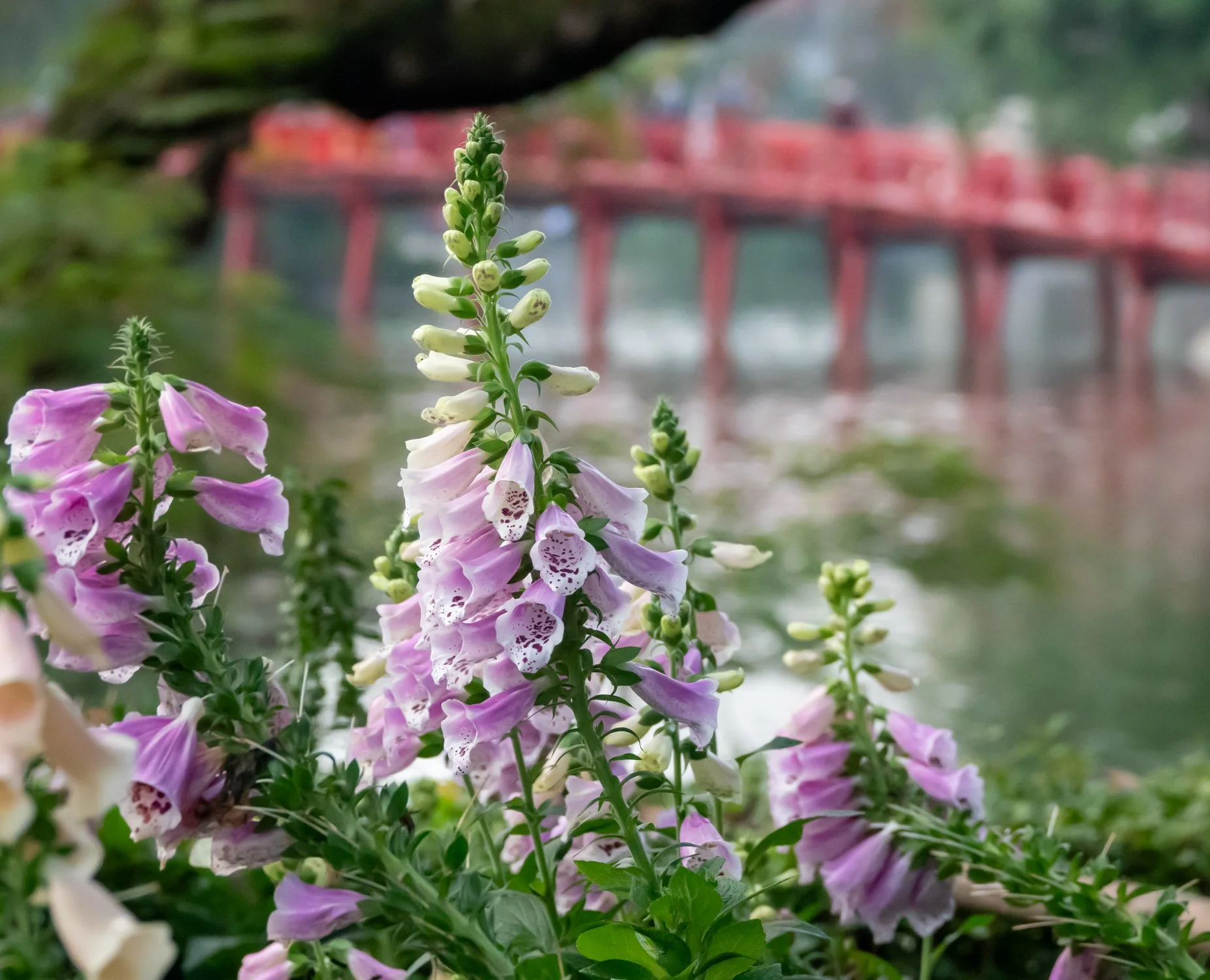
Foxglove (digitalis purpurea) with The Huc Bridge in the background
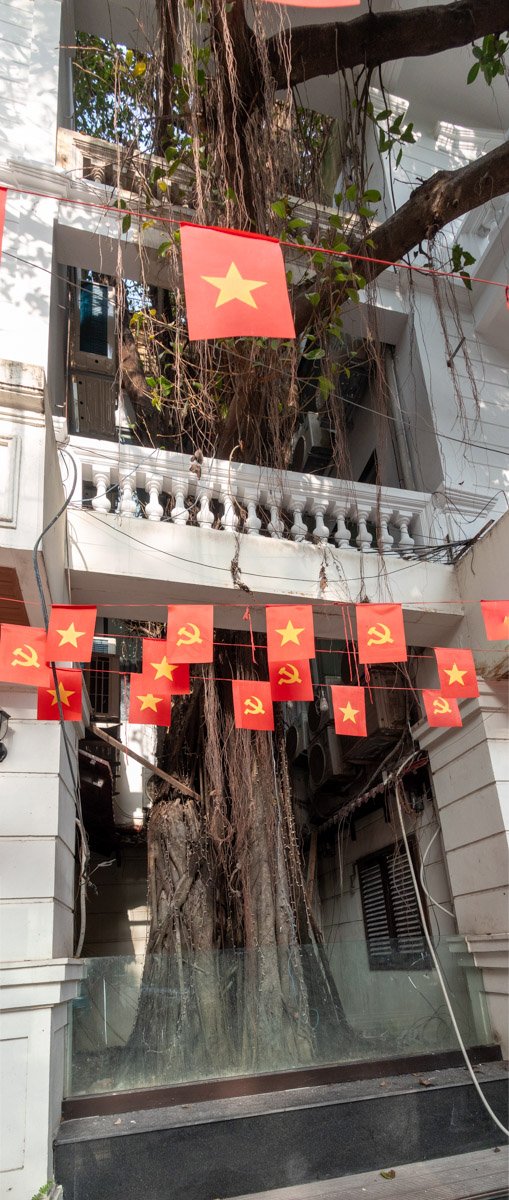
Street scene in Hanoi
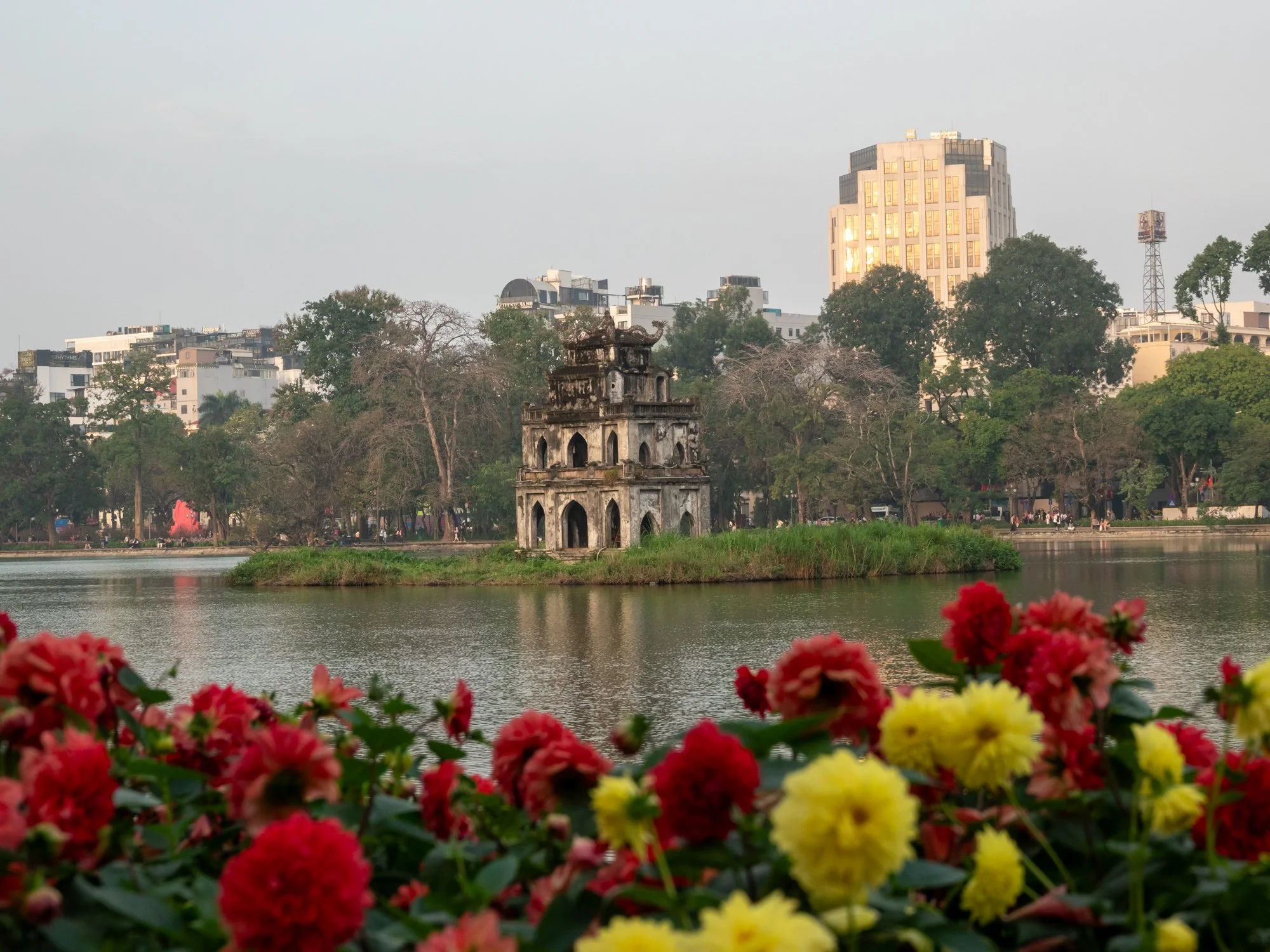
Famous Turtle Tower in Hanoi
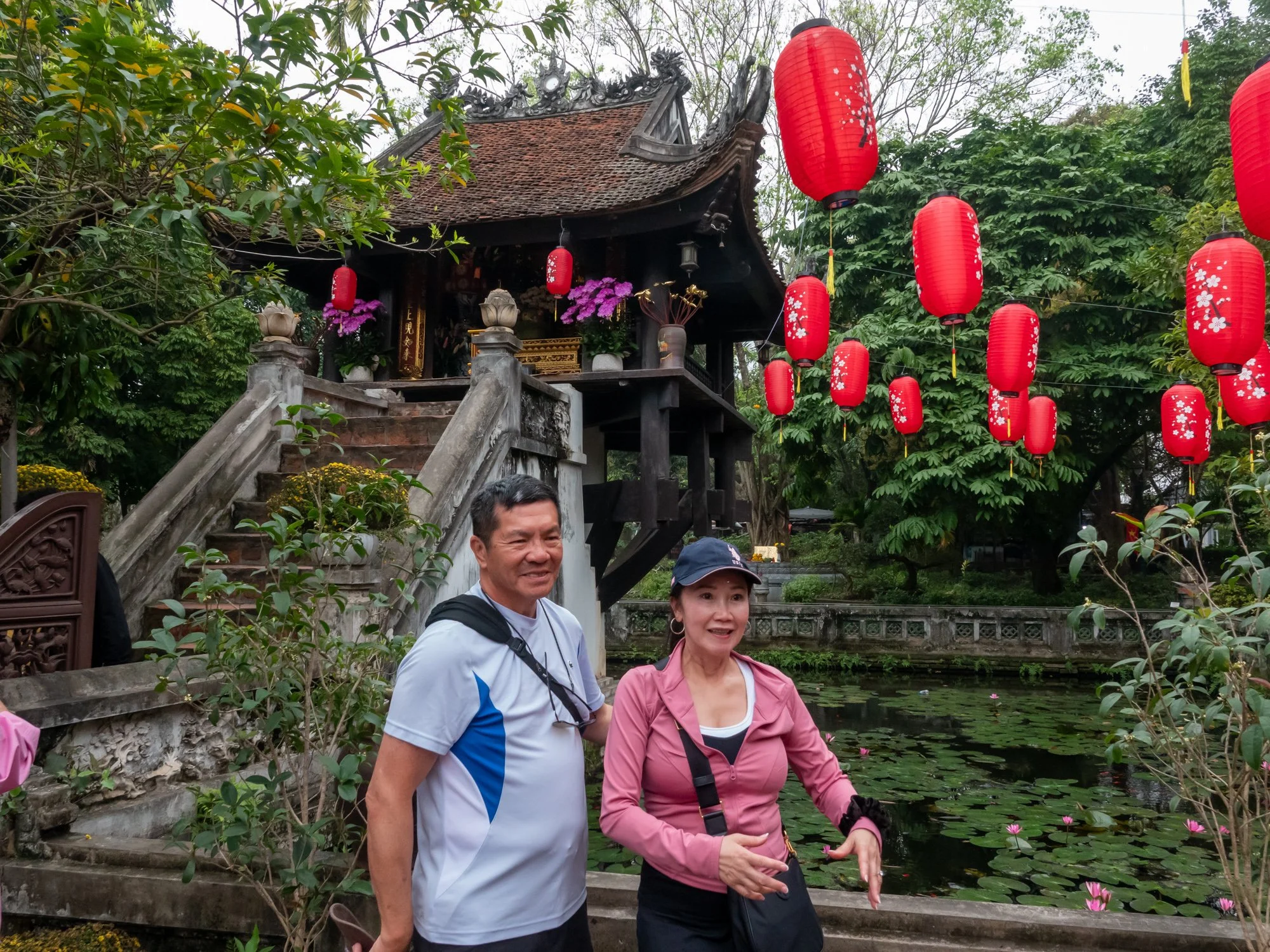
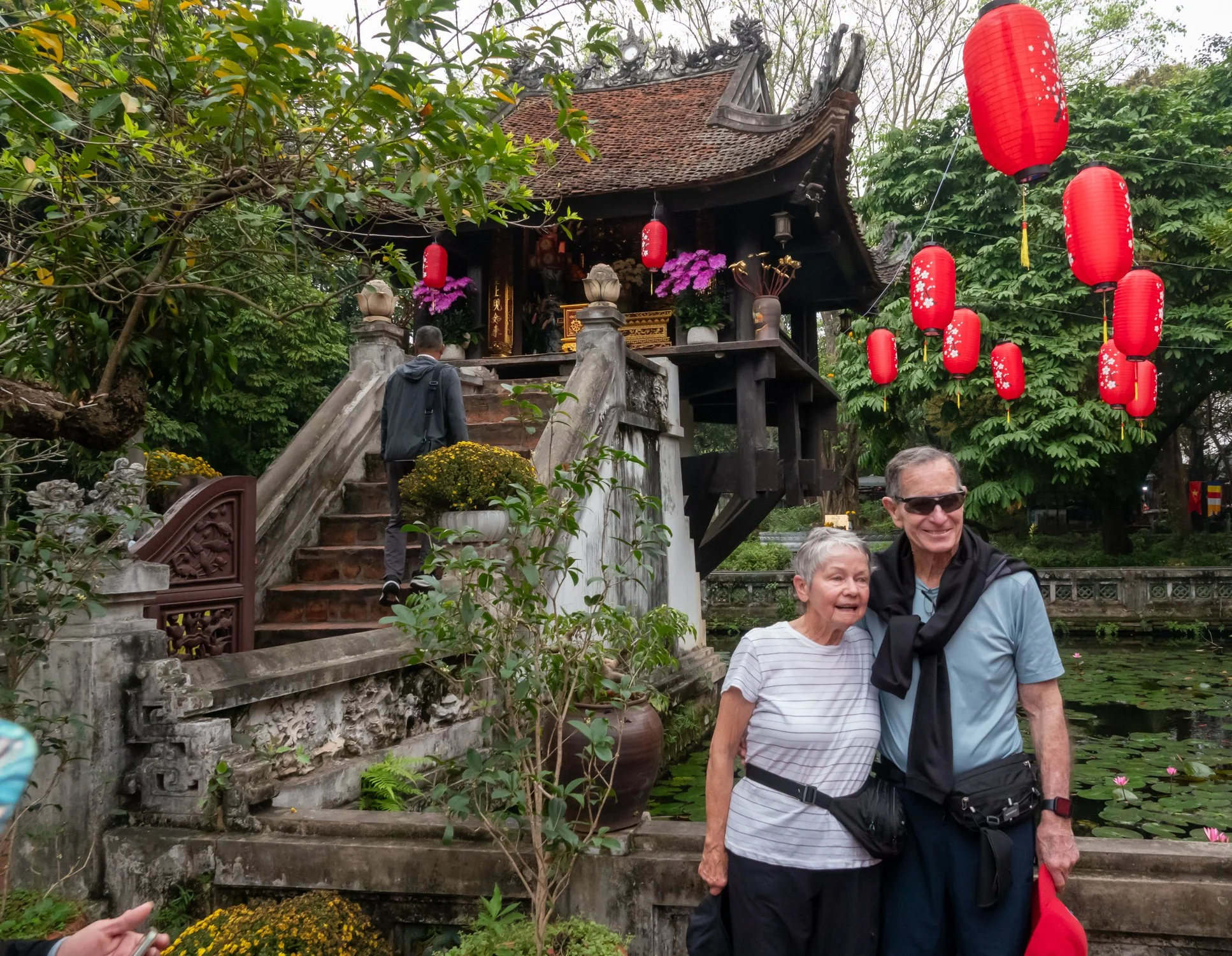
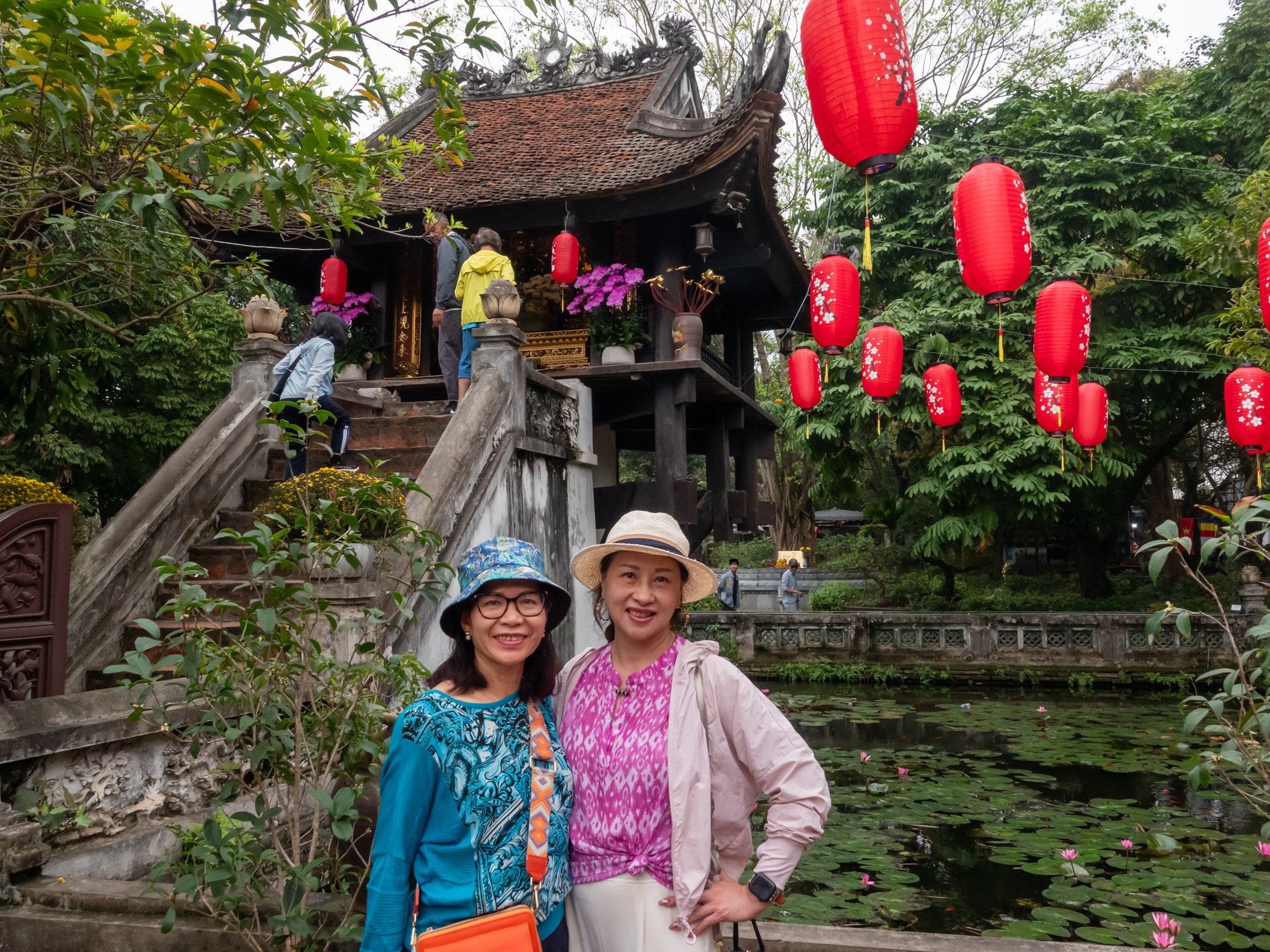
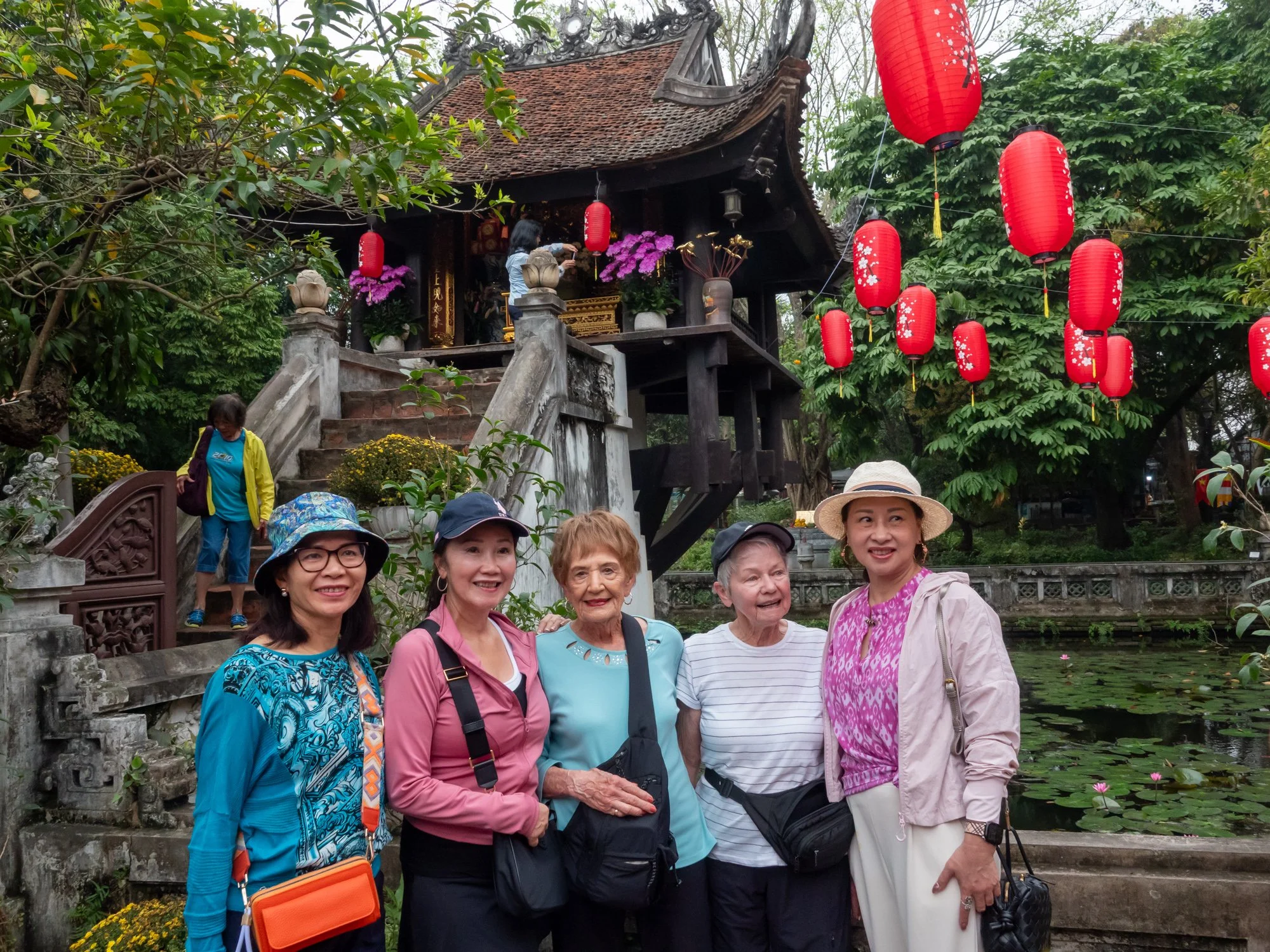
One Pillar Pagoda
A historic Buddhist temple first built in 1049 which has a special structure: a base with a single pedestal which is called a lotus pedestal because it resembles a lotus flower, a symbol of Hanoi.
Ho Chi Minh
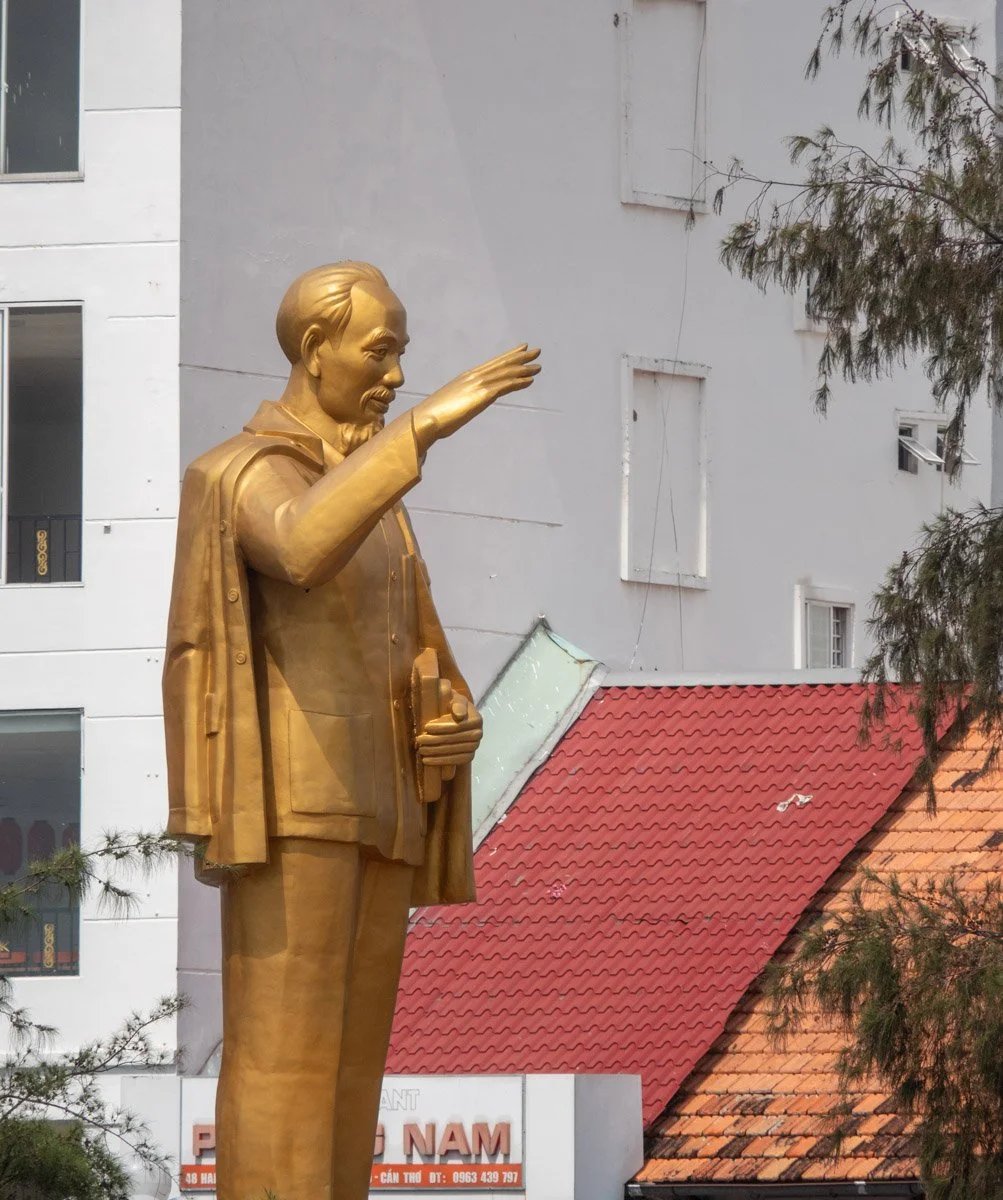
Ho Chi Minh, or Uncle Ho, was the founder of the Democratic Republic of Vietnam, or North Vietnam, and a highly revered and towering historical figure in the country. He was the country’s first prime minister and first President from 1946 until his death in 1969. He led the country during the pivotal American War but died before the Viet Cong victory in 1975.
He was a very complex and charismatic figure. He could speak and write fluently in many languages (French, Russian, English, Chinese Mandarin and Cantonese, classical Chinese as well as Vietnamese), sometimes negotiating directly with Russian, American or Chinese officials without an interpreter. He is thought to have used between 50 and 200 pseudonyms during the course of his life where he worked as a seaman, baker, pastry chef, dishwasher, before becoming a political activist. He published books of poetry and journalism in French, Chinese and Vietnamese.
Among his many political accomplishments, he promoted the use of Quoc Ngu Latin-script Vietnamese writing in favor of the traditional Chinese characters to promote literacy.
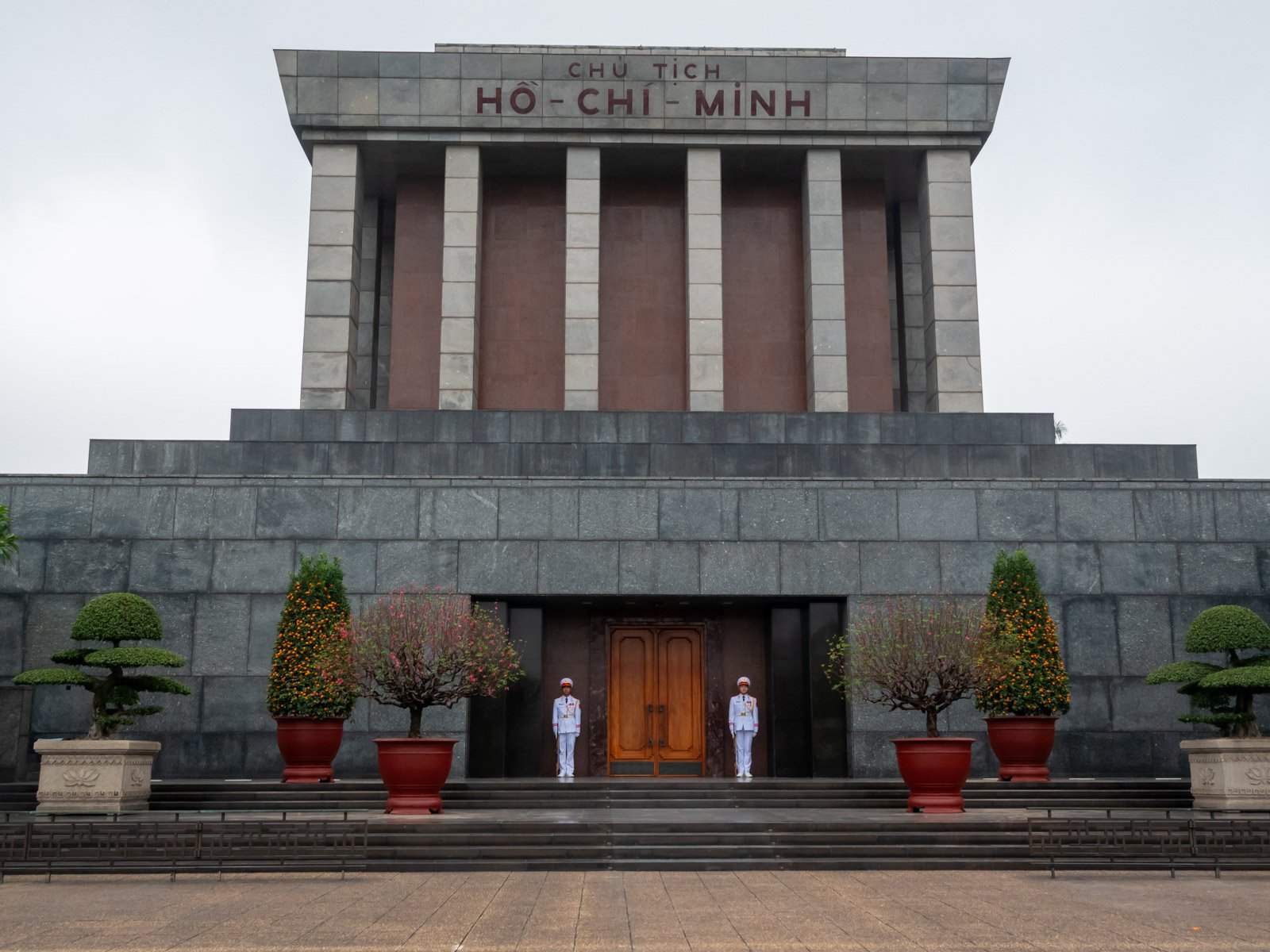
His body is embalmed in this mausoleum which is open to the public.
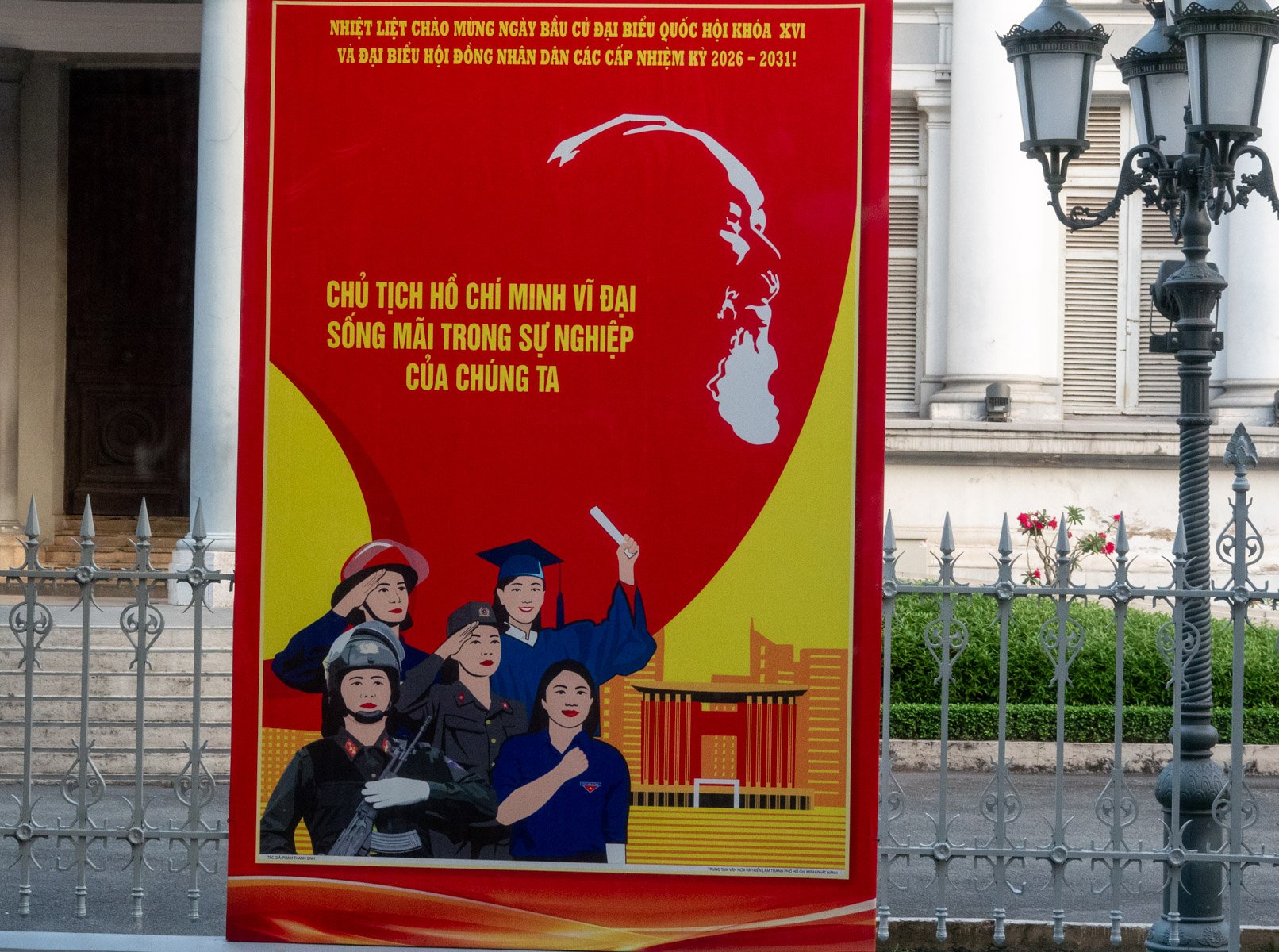
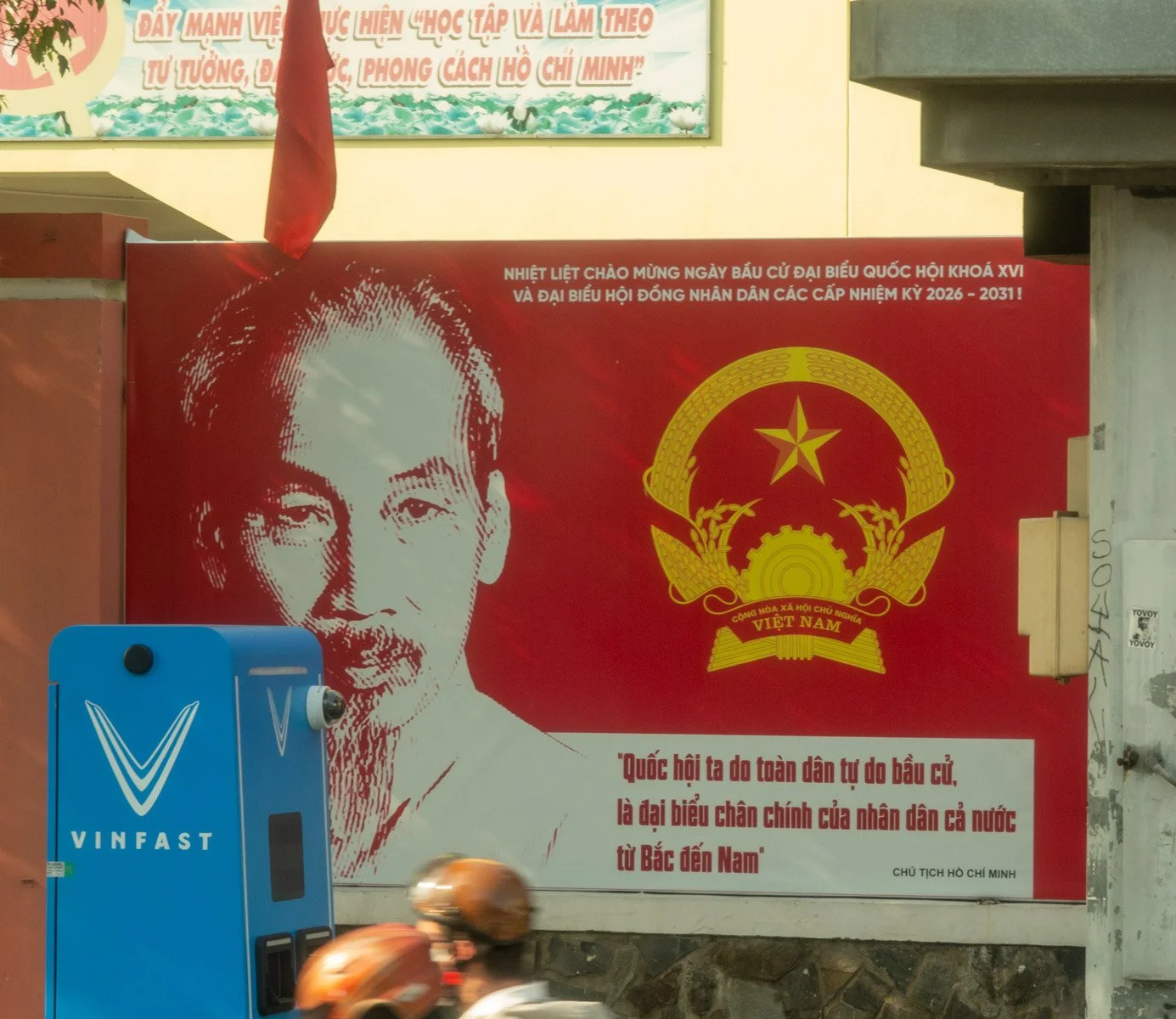
Uncle Ho’s image is ubiquitous in the country.
Hoa Lo Prison
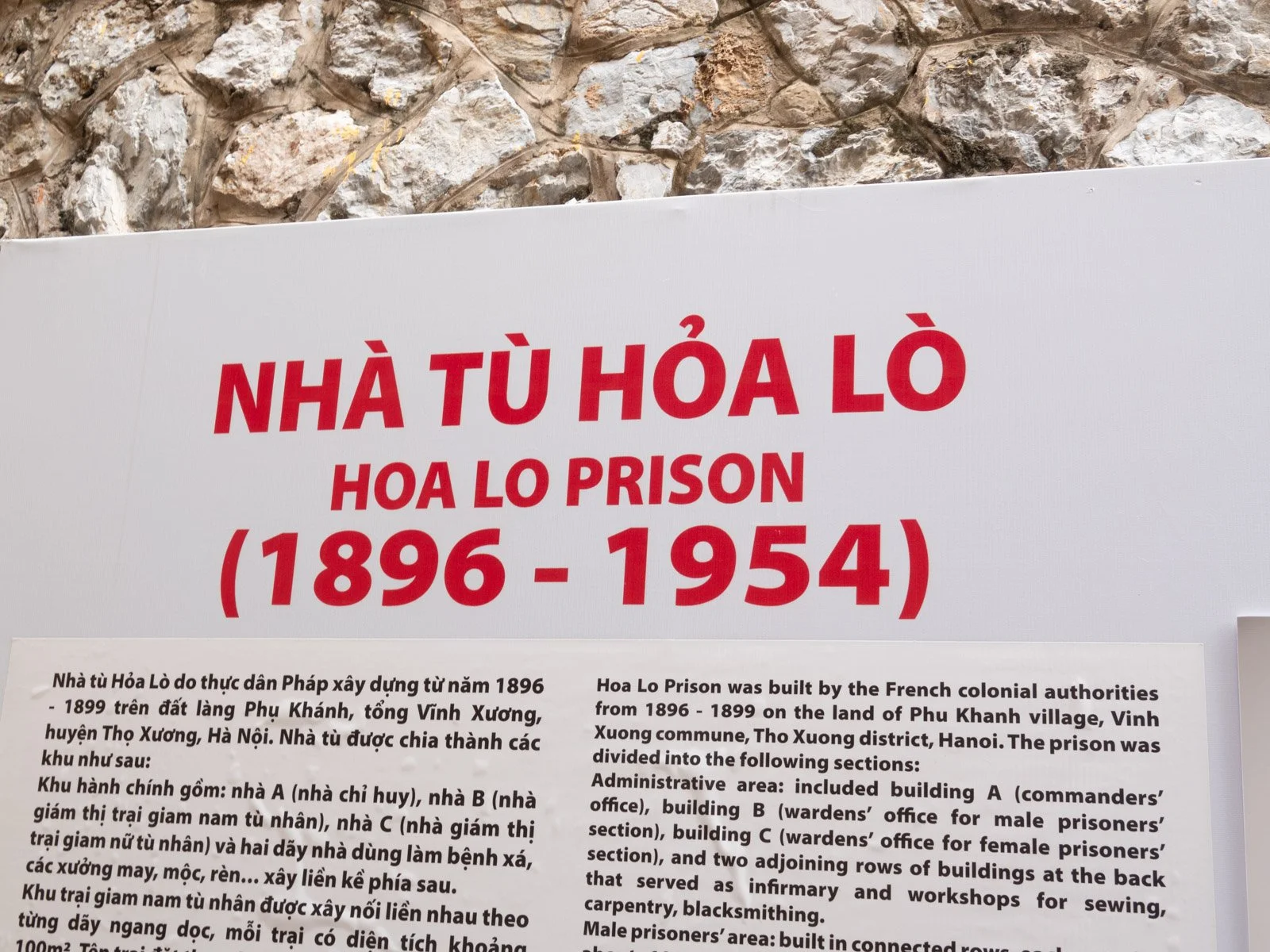
A famous prison widely known in the USA as the Hanoi Hilton. It was first built by the French in 1896 during their occupation of Vietnam and was used to hold prisoners of war during the war with the US. Its most famous prisoner was John McCain. It has been converted to a tourist destination and museum to educate the populace about the war. Needless to say, the USA does not fare well in this story. Exactly why were we carpet bombing the cities in north Vietnam? In retrospect, it is certainly difficult to understand how such a small country was seen as such a gigantic roadblock.
It is disconcerting for me as an American to visit this country since the Vietnam War was a watershed event during my formative years. I barely escaped the draft as my graduating class was the last one that could get a student deferment. I knew many friends who had to serve, reluctantly, and many more who actively resisted the draft and marched in protest. I also had classmates who did not return from a tour of duty in Vietnam. It’s unreal to think that the student protests against the war led to American National Guard troops firing on and killing American students who were exerting their right to protest at Kent State and Jackson State. Two American citizens committed suicide by self-immolation to protest the war. To visit cities which were known for their terrible experiences in the war was confounding: Danang, Hanoi, Hue, Saigon were heard on the nightly news for too many years.
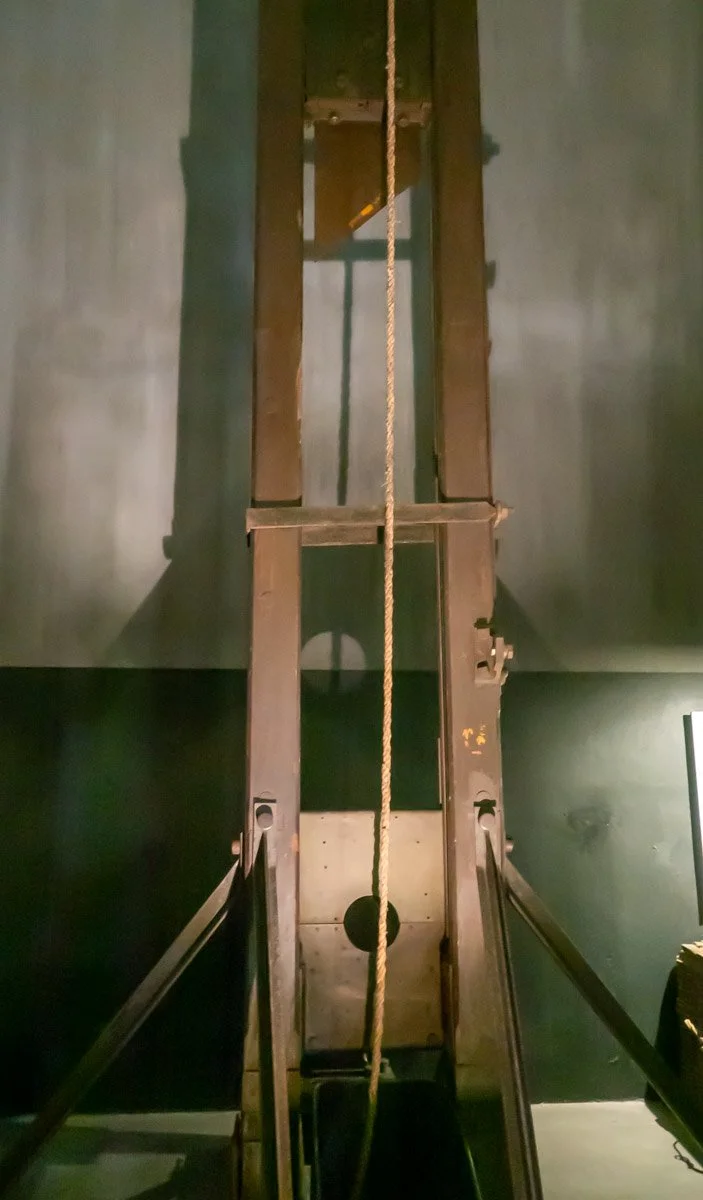
The guillotine installed, and used, by the French during the French-Indochina war.
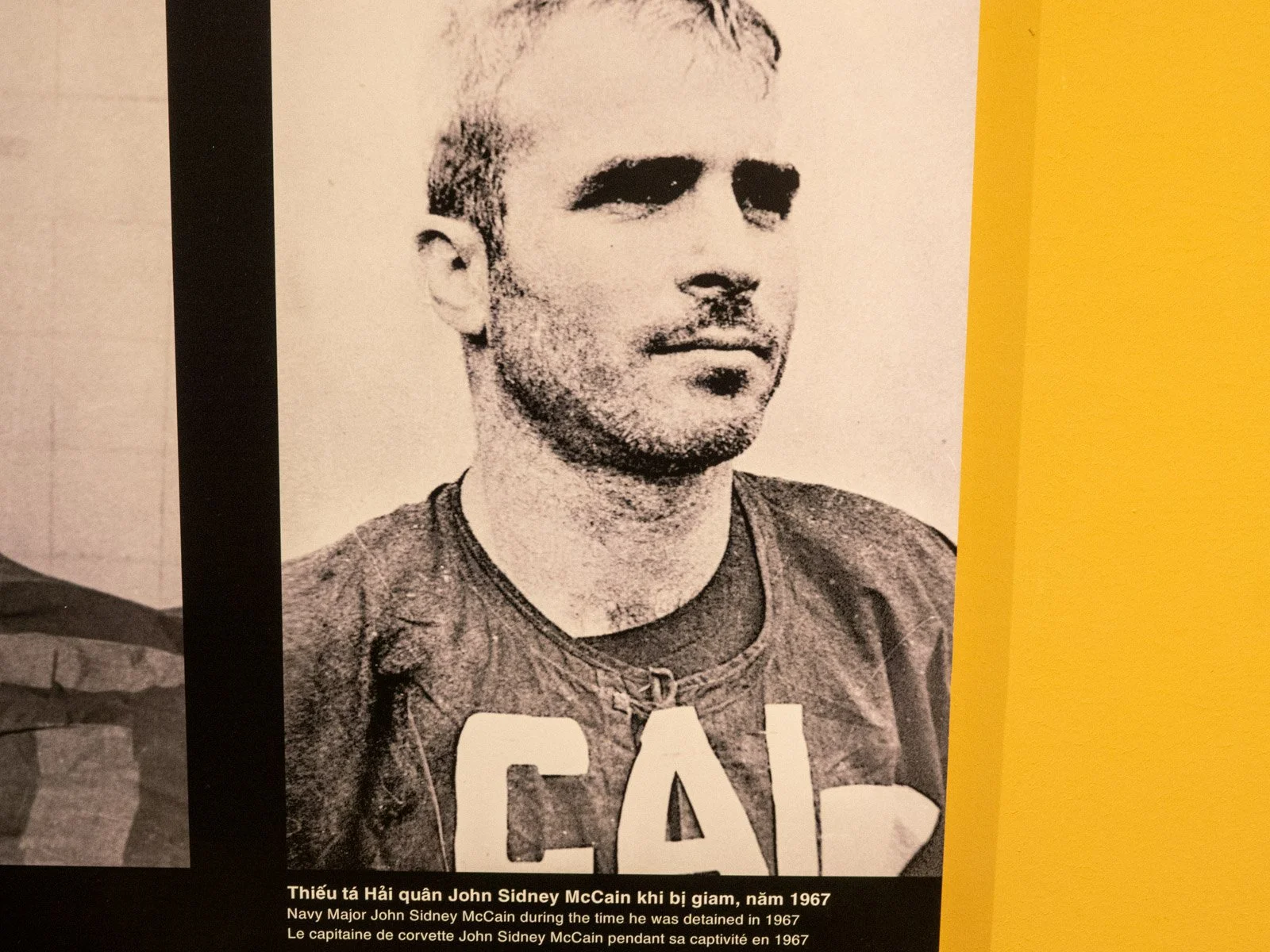
Its most famous prisoner
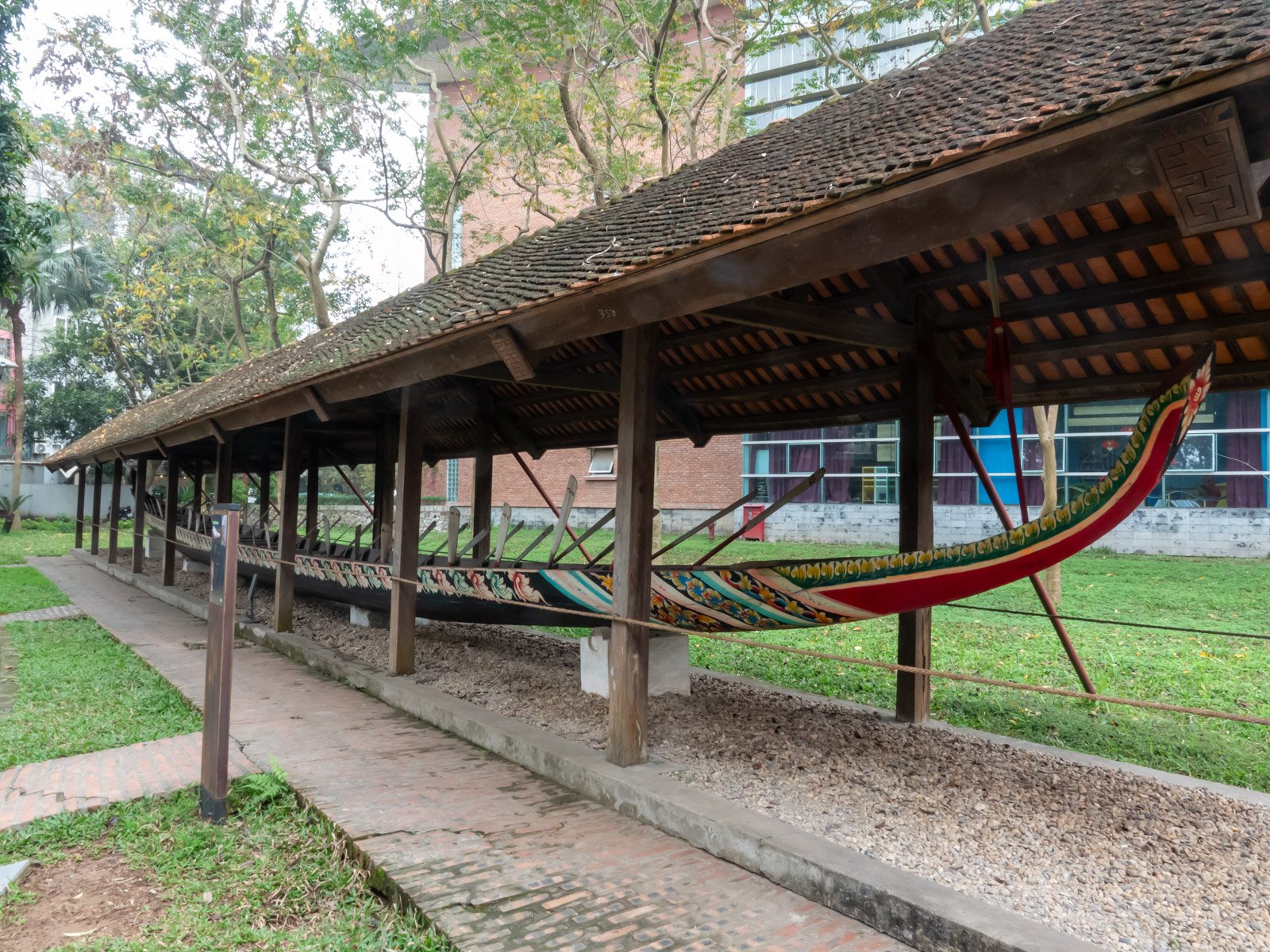
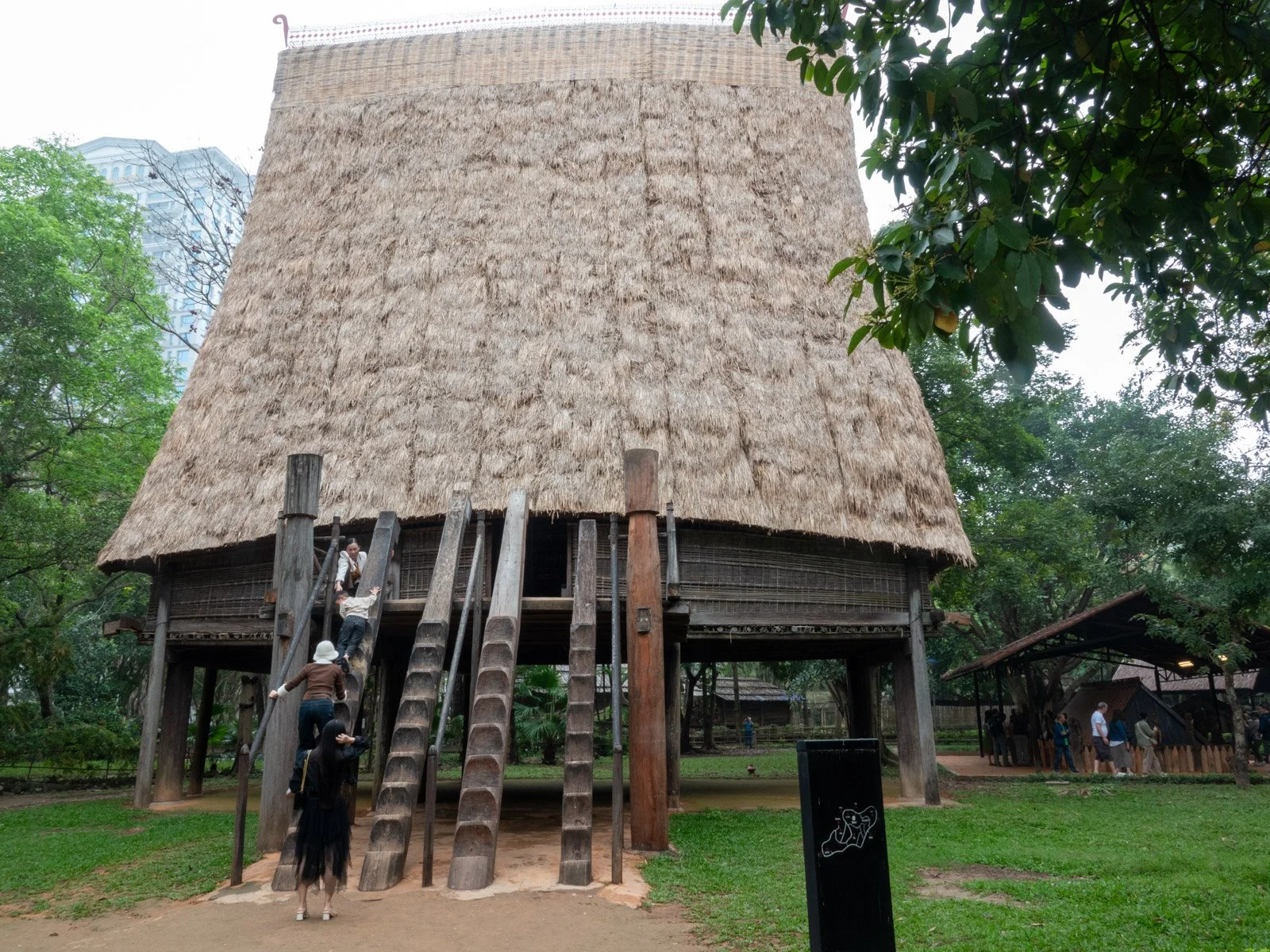
Vietnam Museum of Ethnology
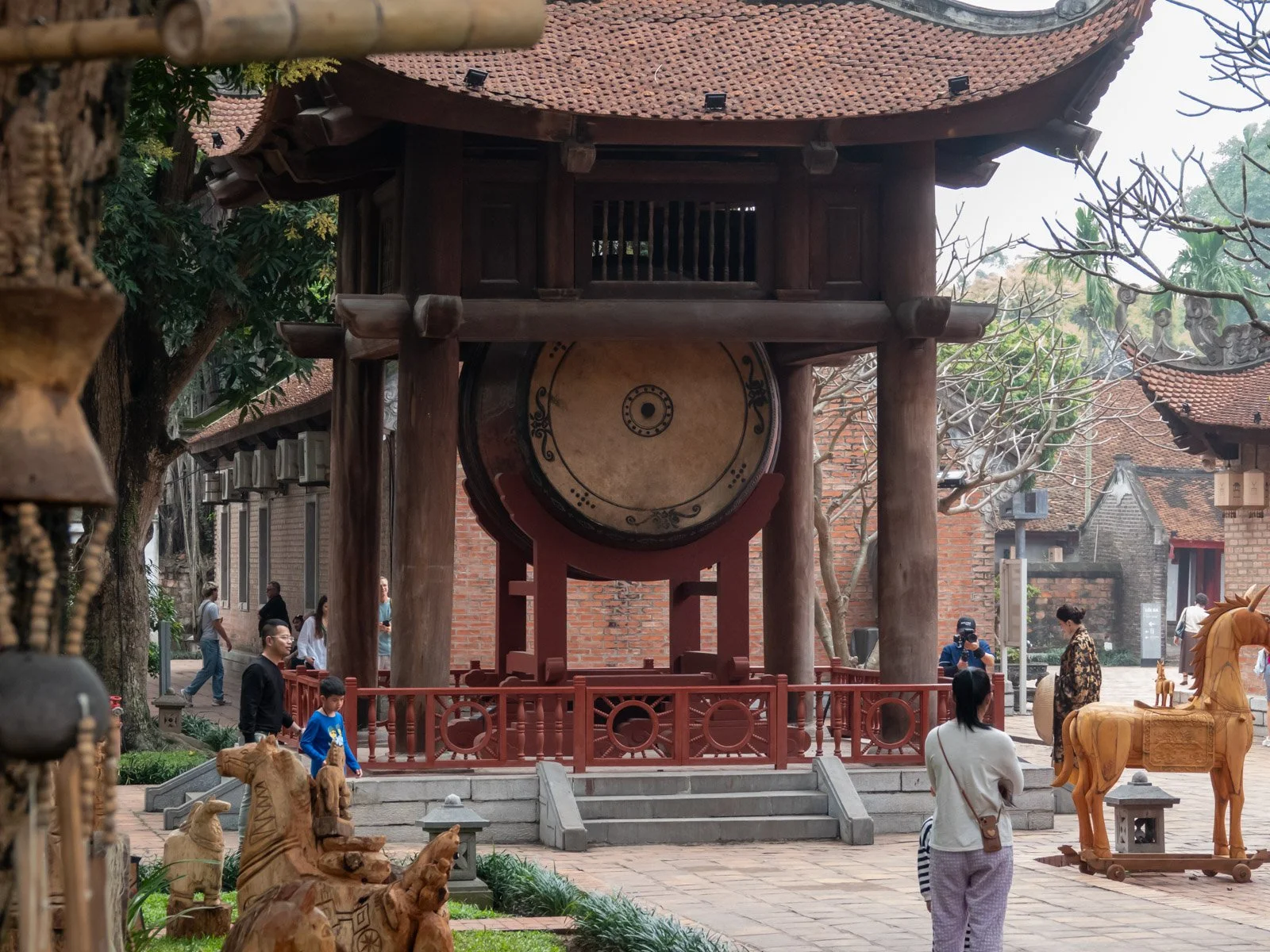
Temple of Literature
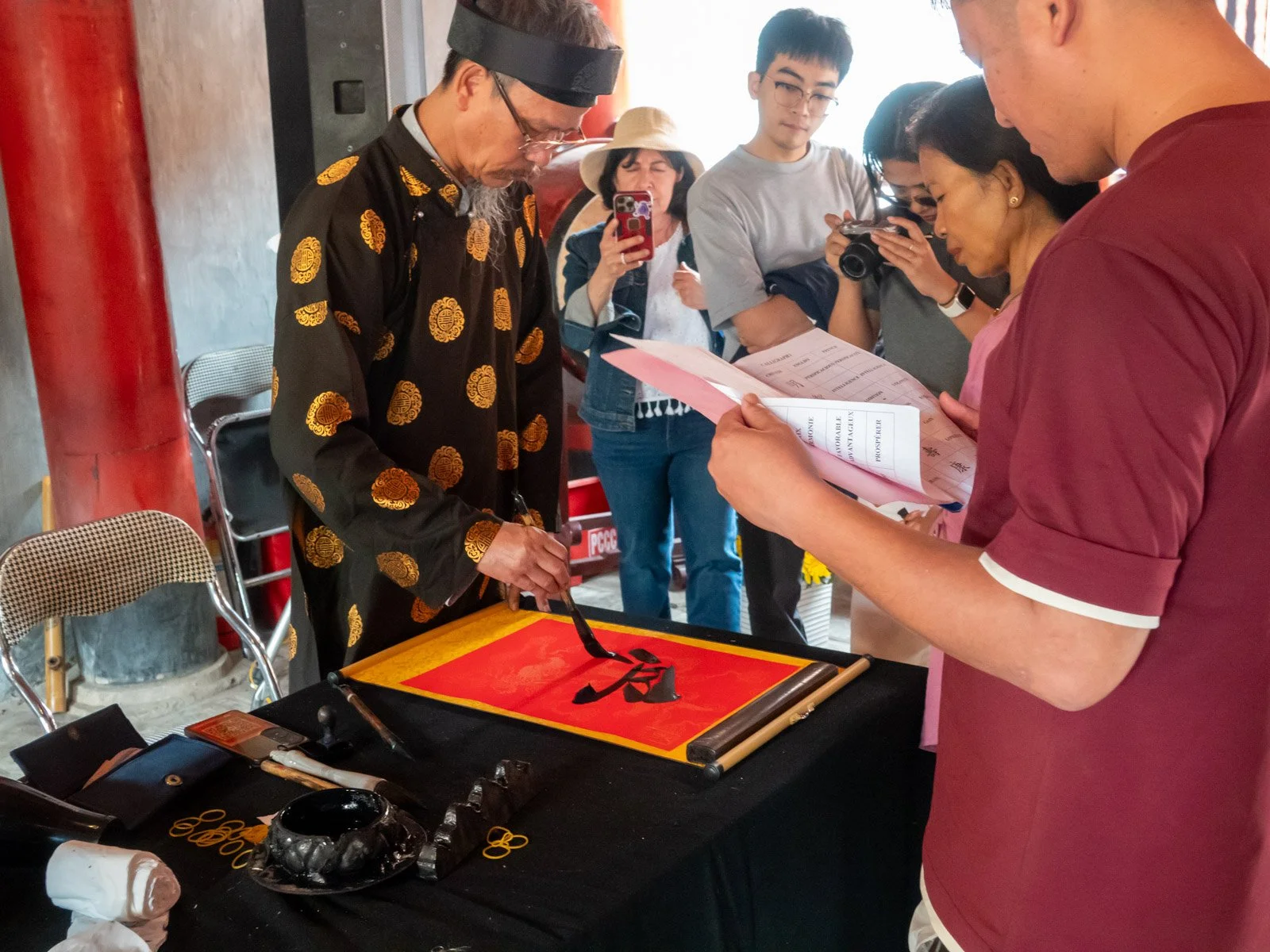
Van Mieu, or Temple of Literature, was built in 1070 and is dedicated to Confucius. It soon evolved into the first national university in the country and is a symbol of the strong emphasis on education and learning in Vietnamese culture.
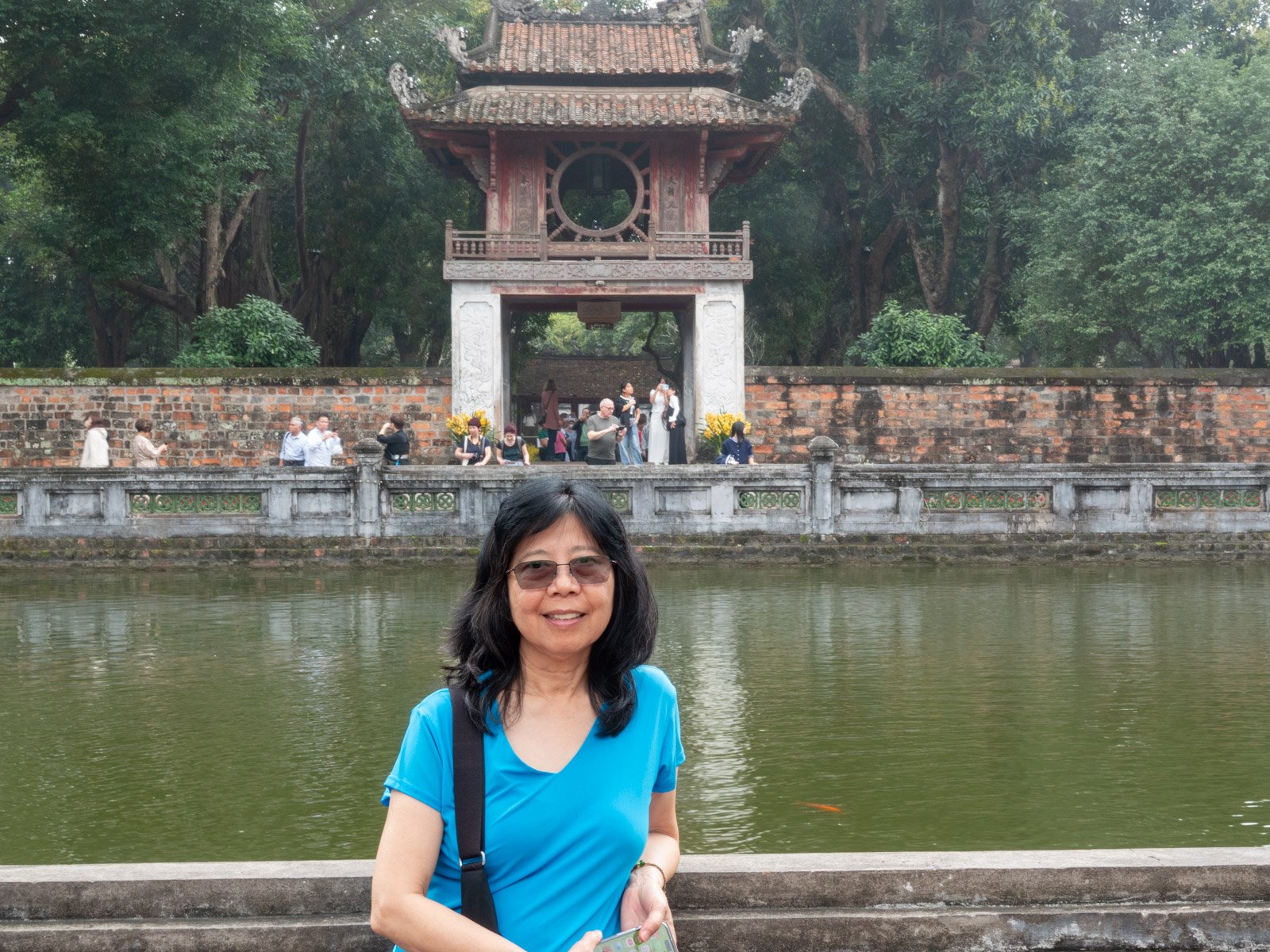
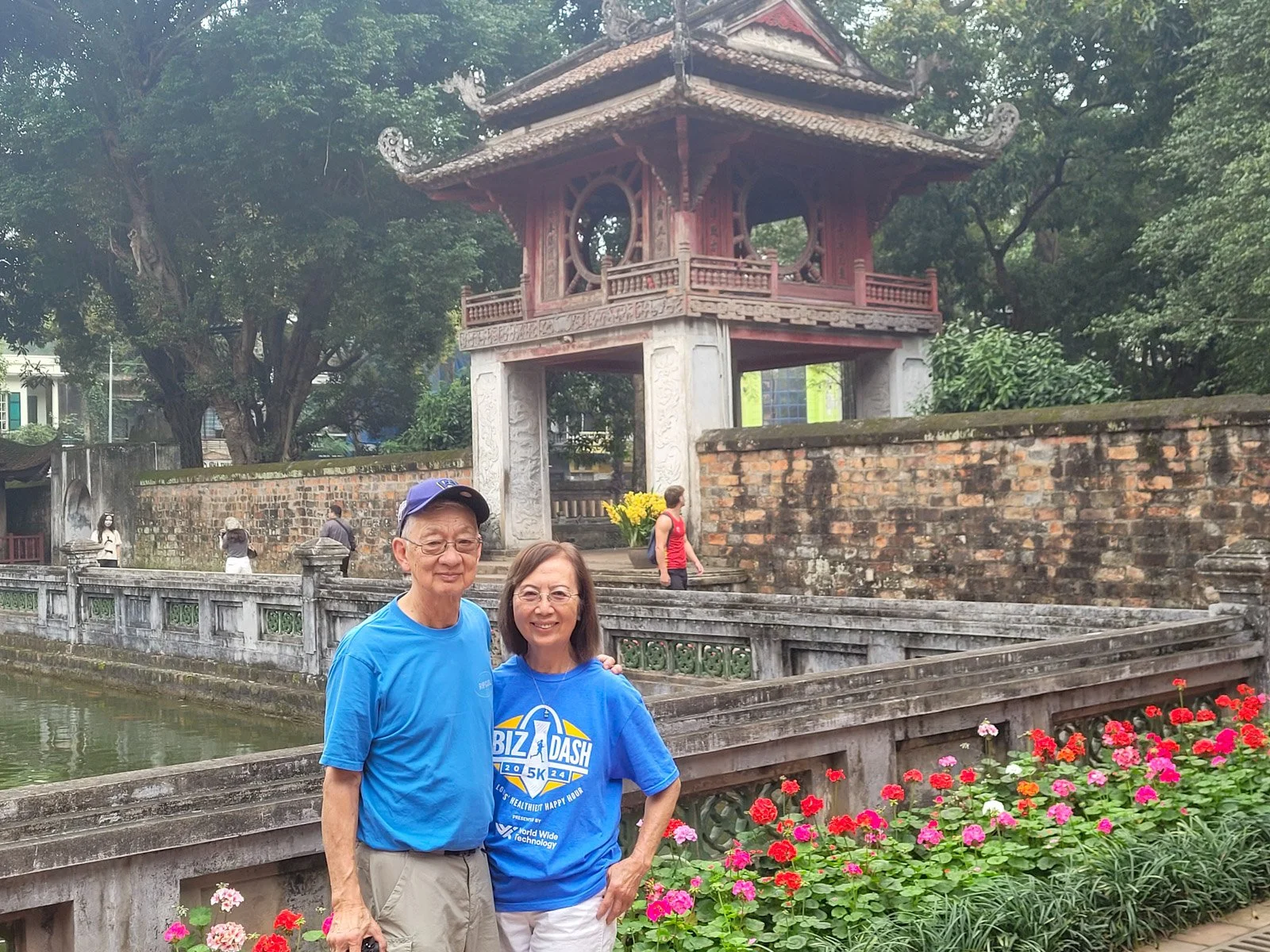
Main entrance to the Temple with the Khue Van Pavilion in the background
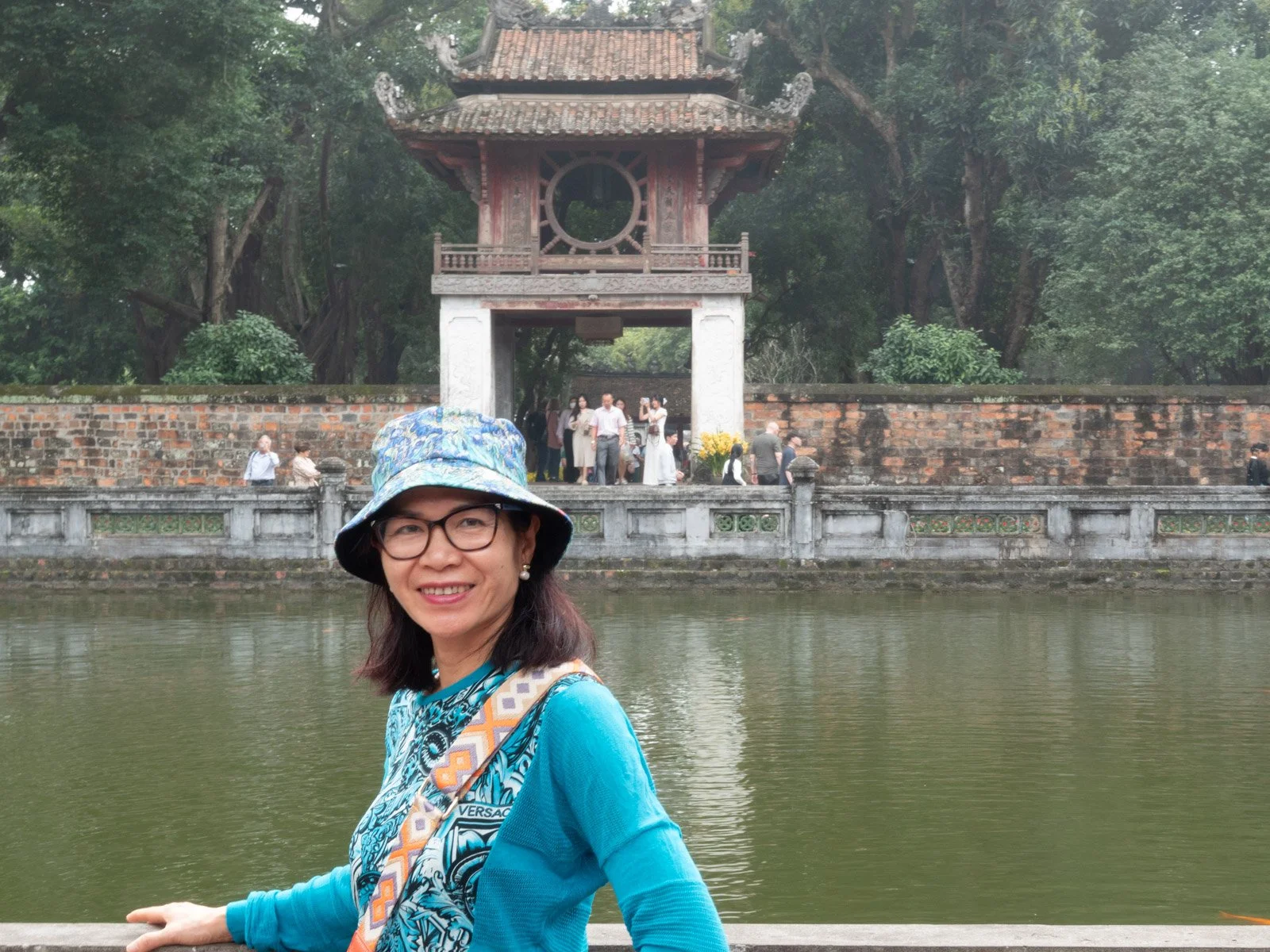
The Pavilion was chosen as the symbol of Hanoi in 1997.
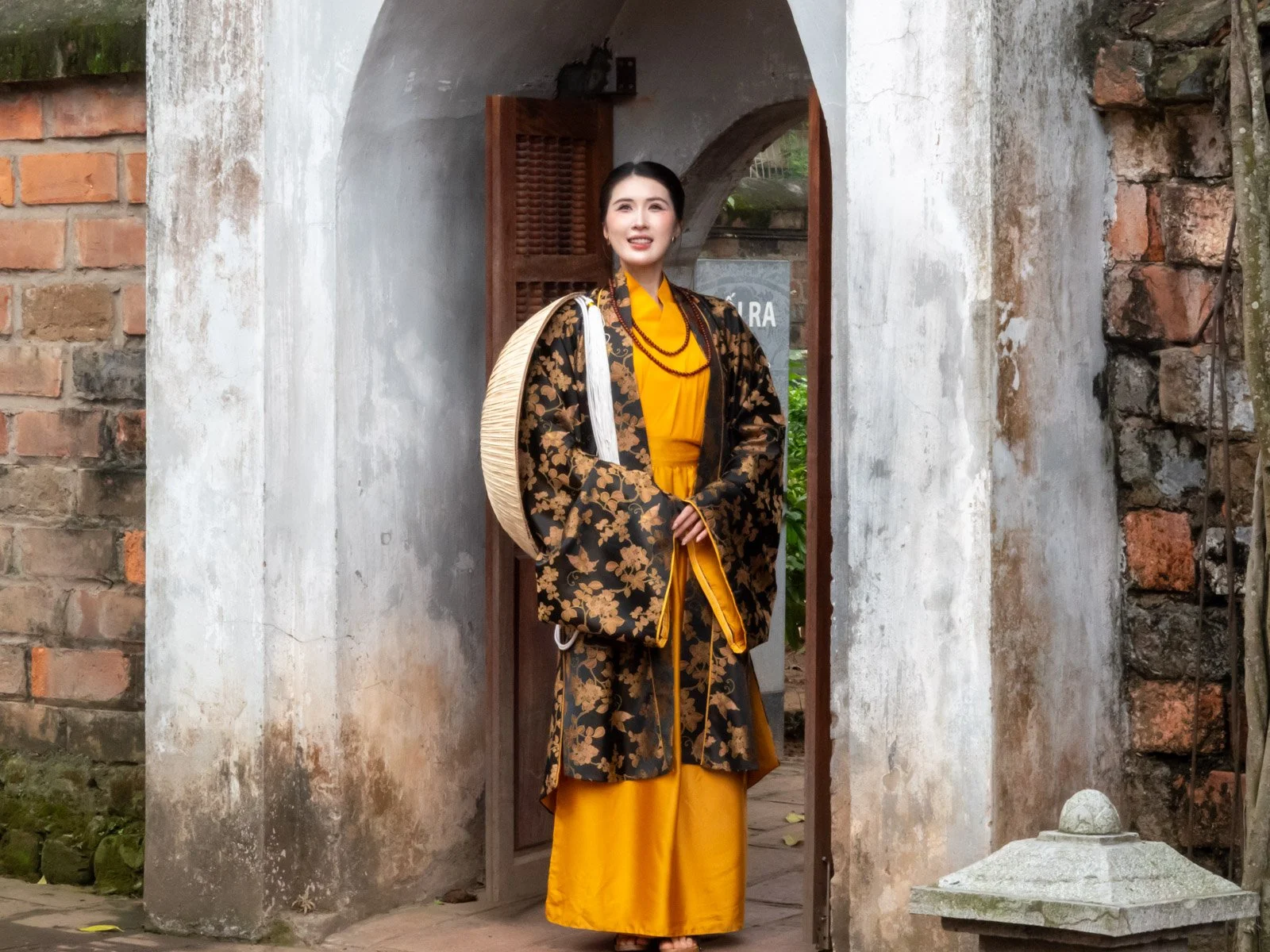
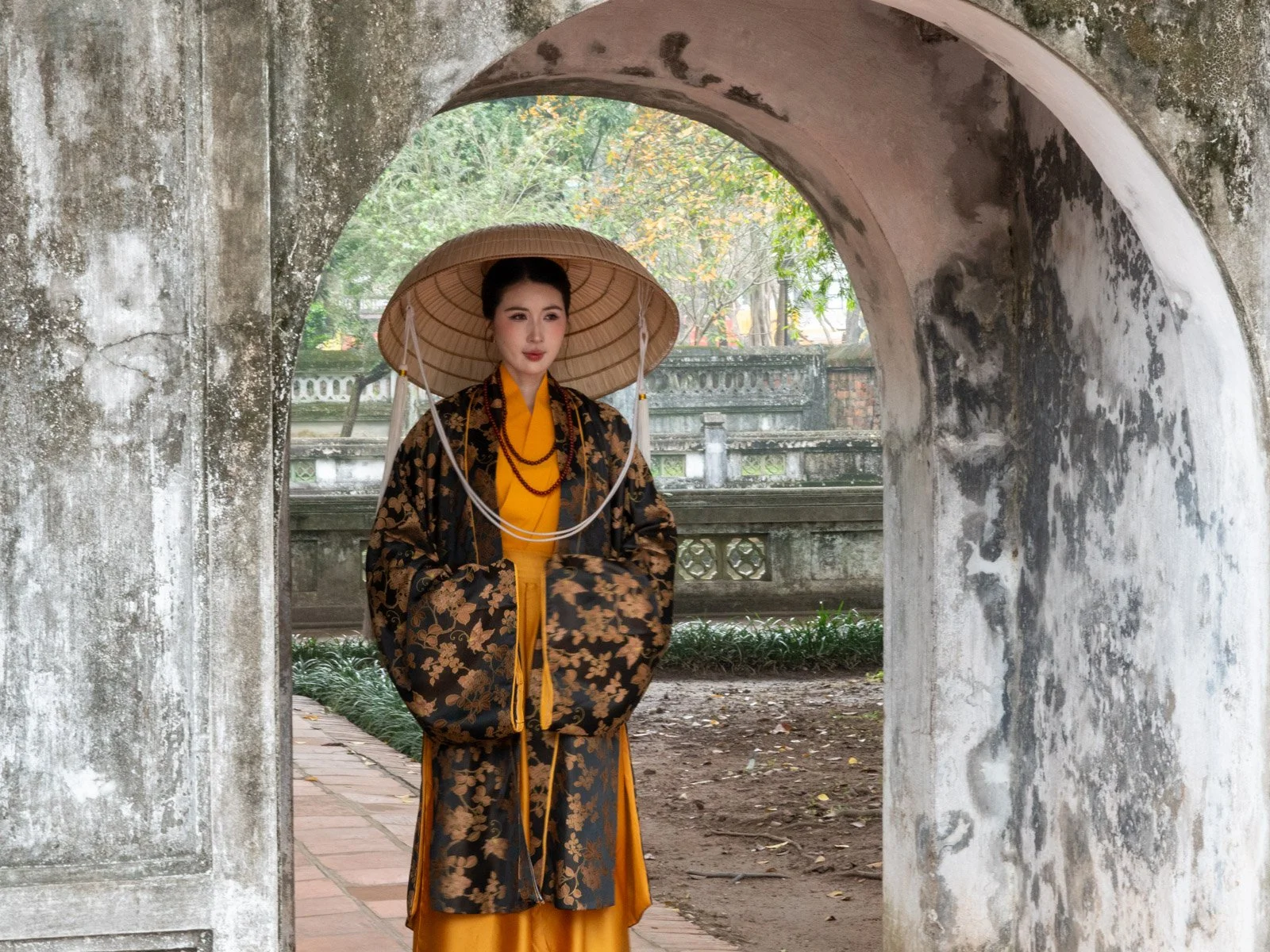
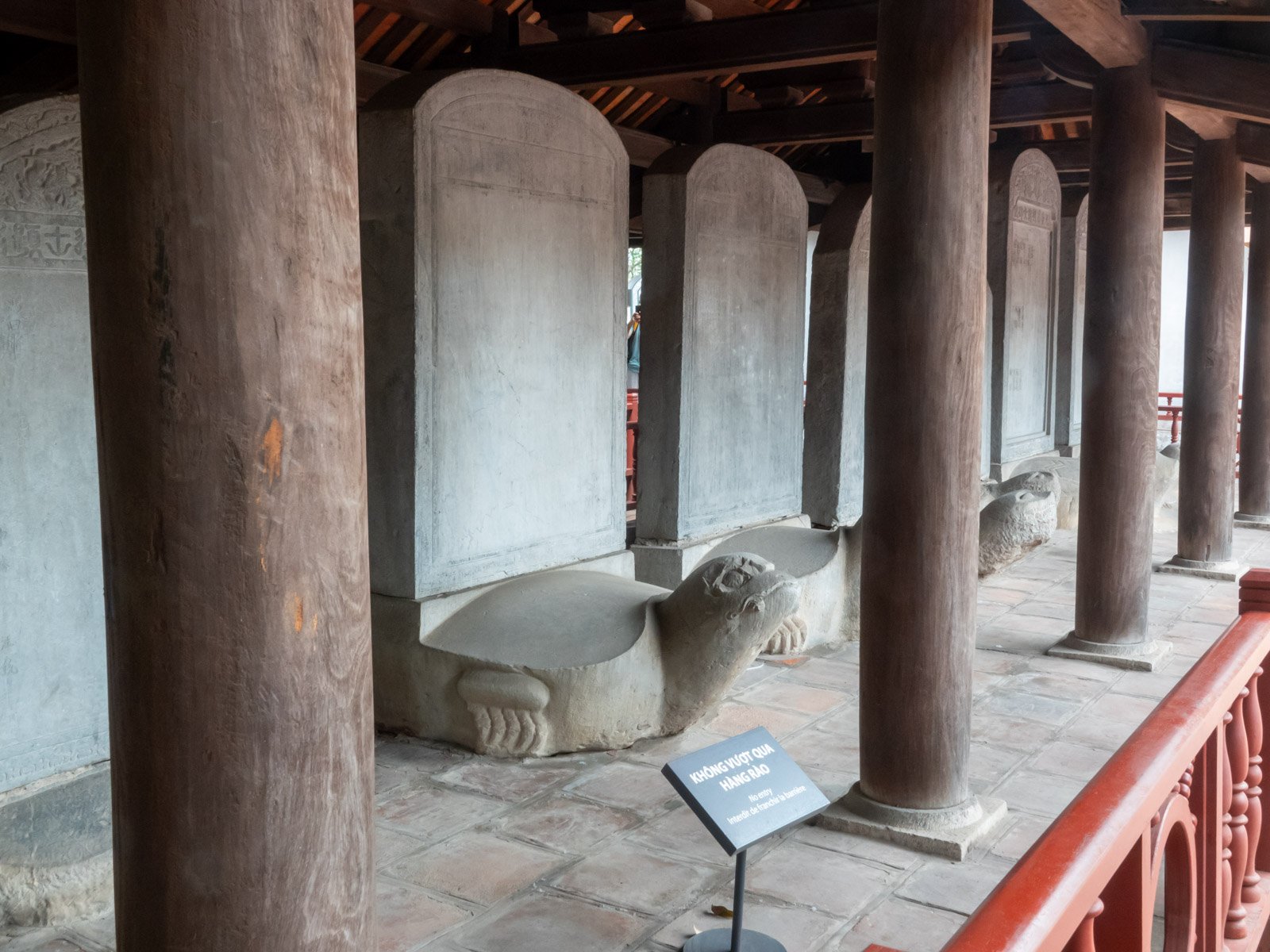
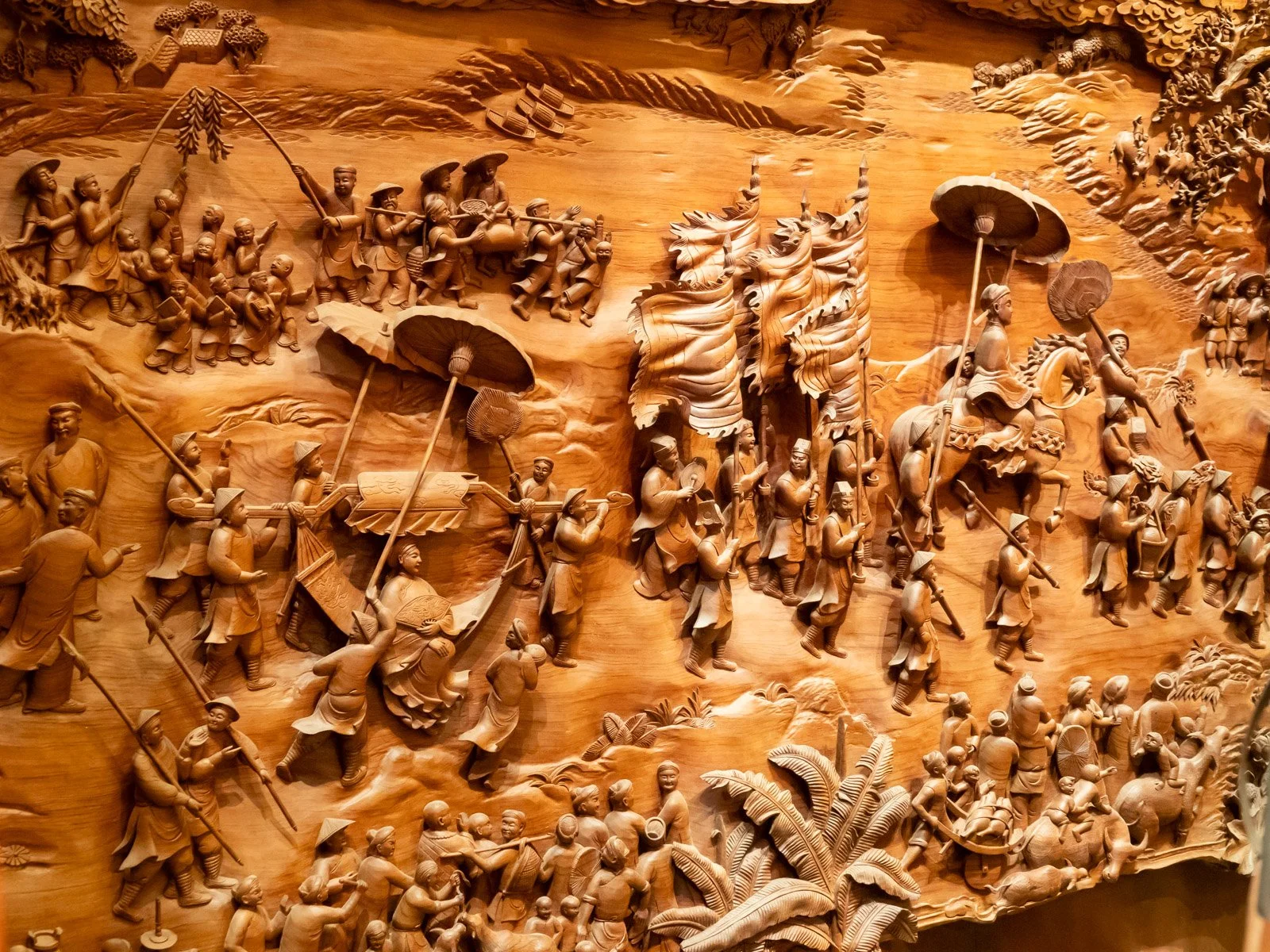
The 82 Doctoral Steles celebrate the scholars who passed the imperial examination from 1442 to 1779. The names, hometowns and achievements of the scholars are carved on the Stele, which rest on turtles that symbolize longevity. The Steles testify to the value of education and academic achievement in the culture.
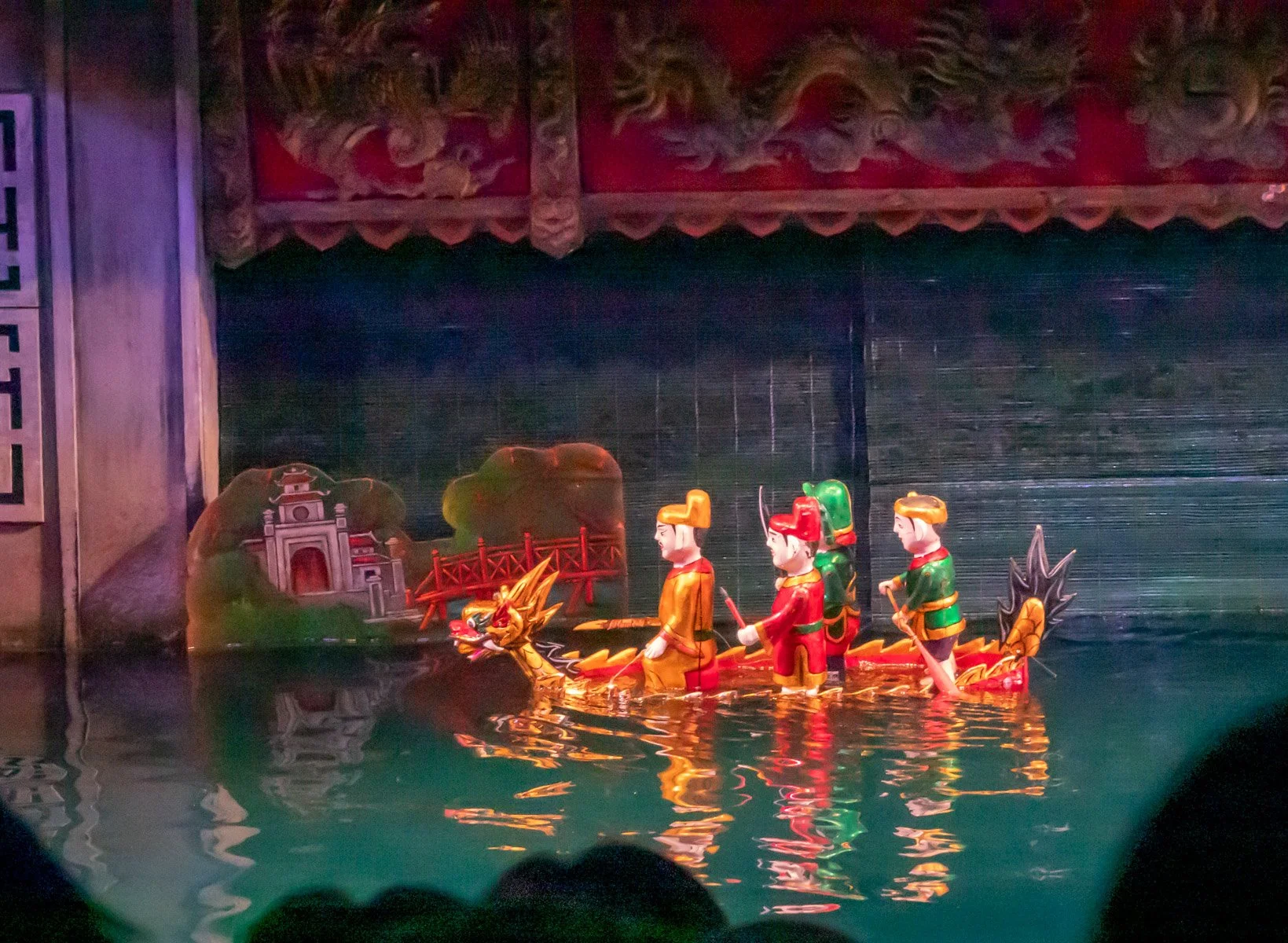
The Hanoi Water Puppet show is popular
Hanoi Night Market
The famous Night Market in Hanoi is only open on the weekends. Since we were here on Friday night, we decided it would be interesting to visit it for dinner. They close the streets off, the restaurants and cafes place tables and chairs in the street and big crowds wind their way between the tables in a very festive atmosphere.
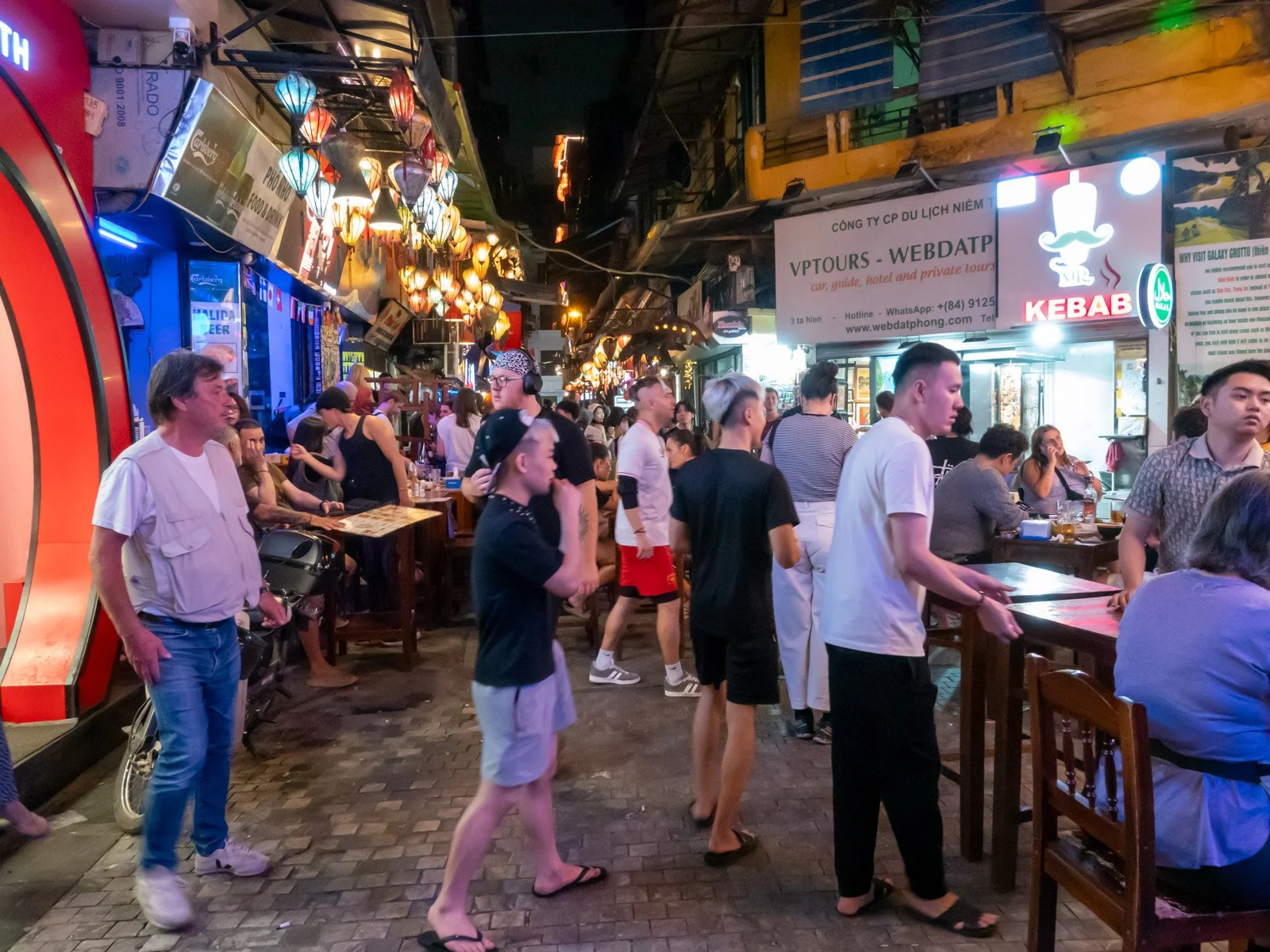
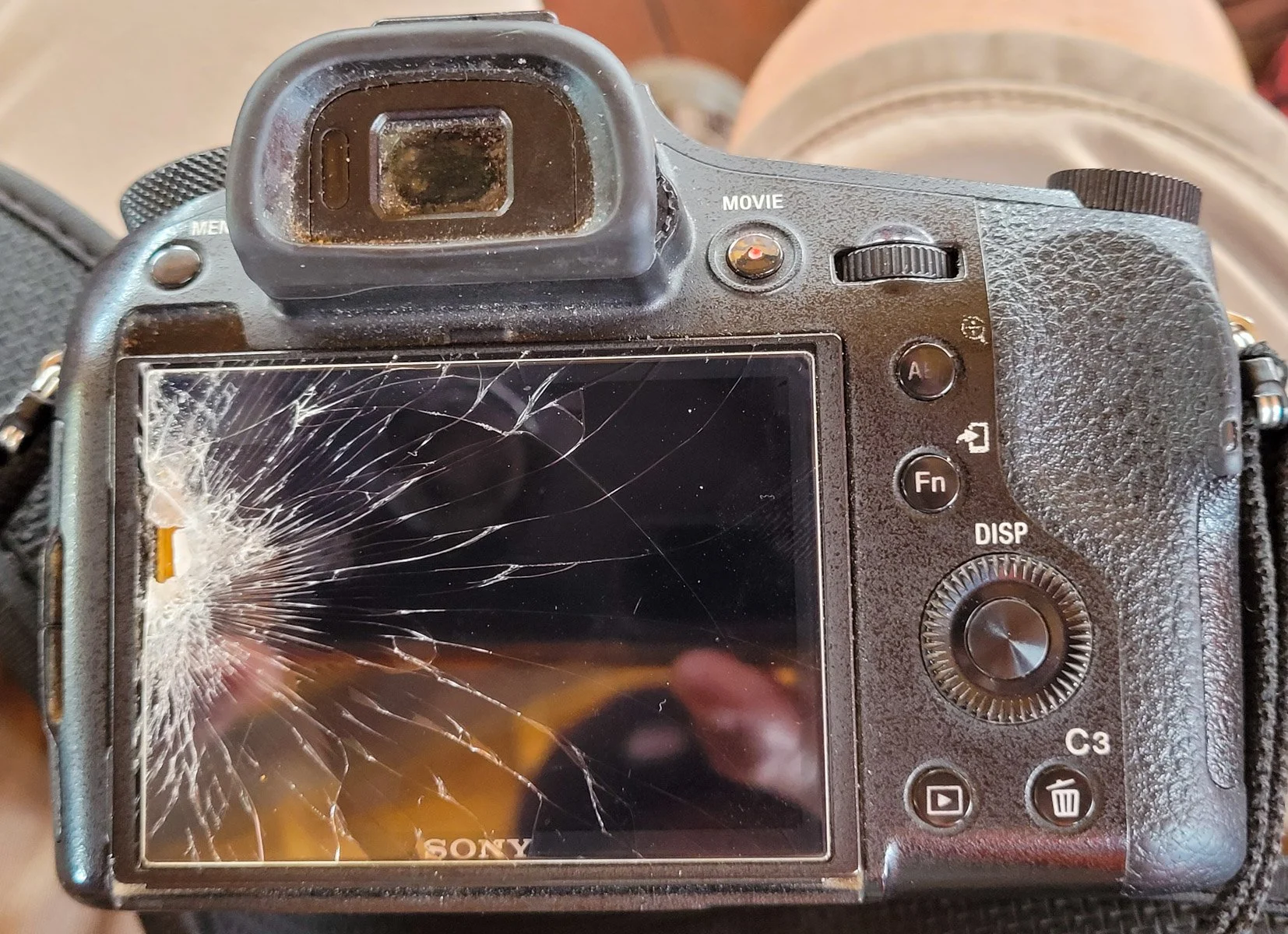
We walked the length of the market before choosing a place to order dinner. Midway through dinner there was a sudden commotion and all of the waiters came rushing out to clear the tables and chairs. In the melee my chair was knocked over which was unfortunate as I had hung my camera on the back of the chair because the table was very small. The camera suffered considerable damage. When we asked what was going on, the waiters said that the police were coming.
After 15 minutes or so, while we were trying to finish our dinner pinned to a table along the wall, the waiters came out again and said that the police raid was just a rumor and replaced the tables into the street again. After we returned to our hotel, we learned that the Night Market had actually been canceled because they had just celebrated the Lunar New Year. Apparently, the restaurants and cafes ignored the cancellation and closed the street, but then there was a rumor that the police were coming to enforce the cancellation, which turned out to be just a rumor. It was truly a scene out of Marx brothers movie!
After considerable effort I was able to prise the lens cap off my lens, by breaking the filter that I had on the lens to protect it. Having the daylight filter turned out to be fortuitous as the camera is still more or less normal, albeit the LCD screen is unusable. Most of the images in this blog were taken by this camera.
Sapa
From Hanoi we drove about 5 hours to get to Sapa in the northwest mountains where many indigenous ethnic groups still maintain old traditions.
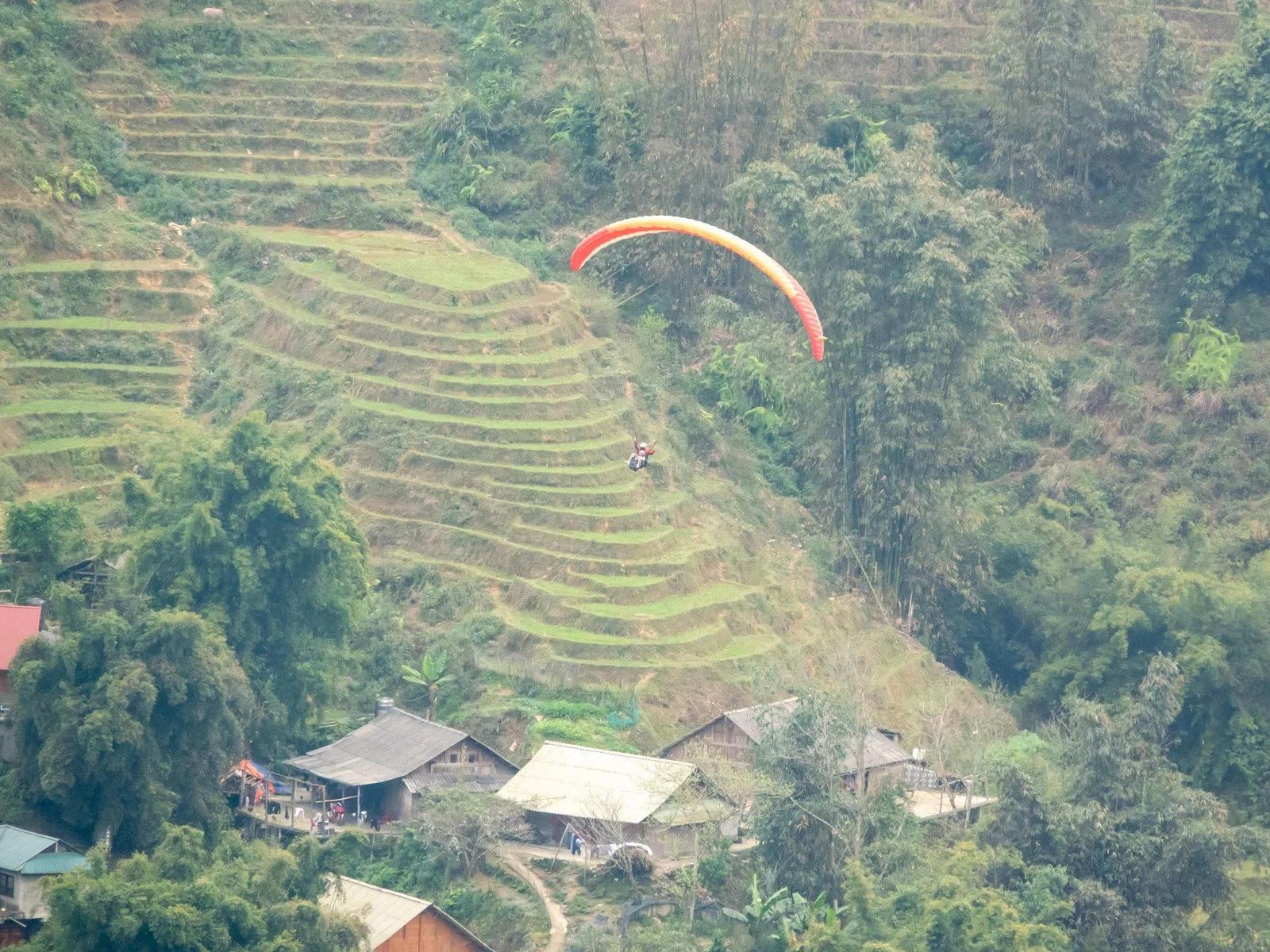
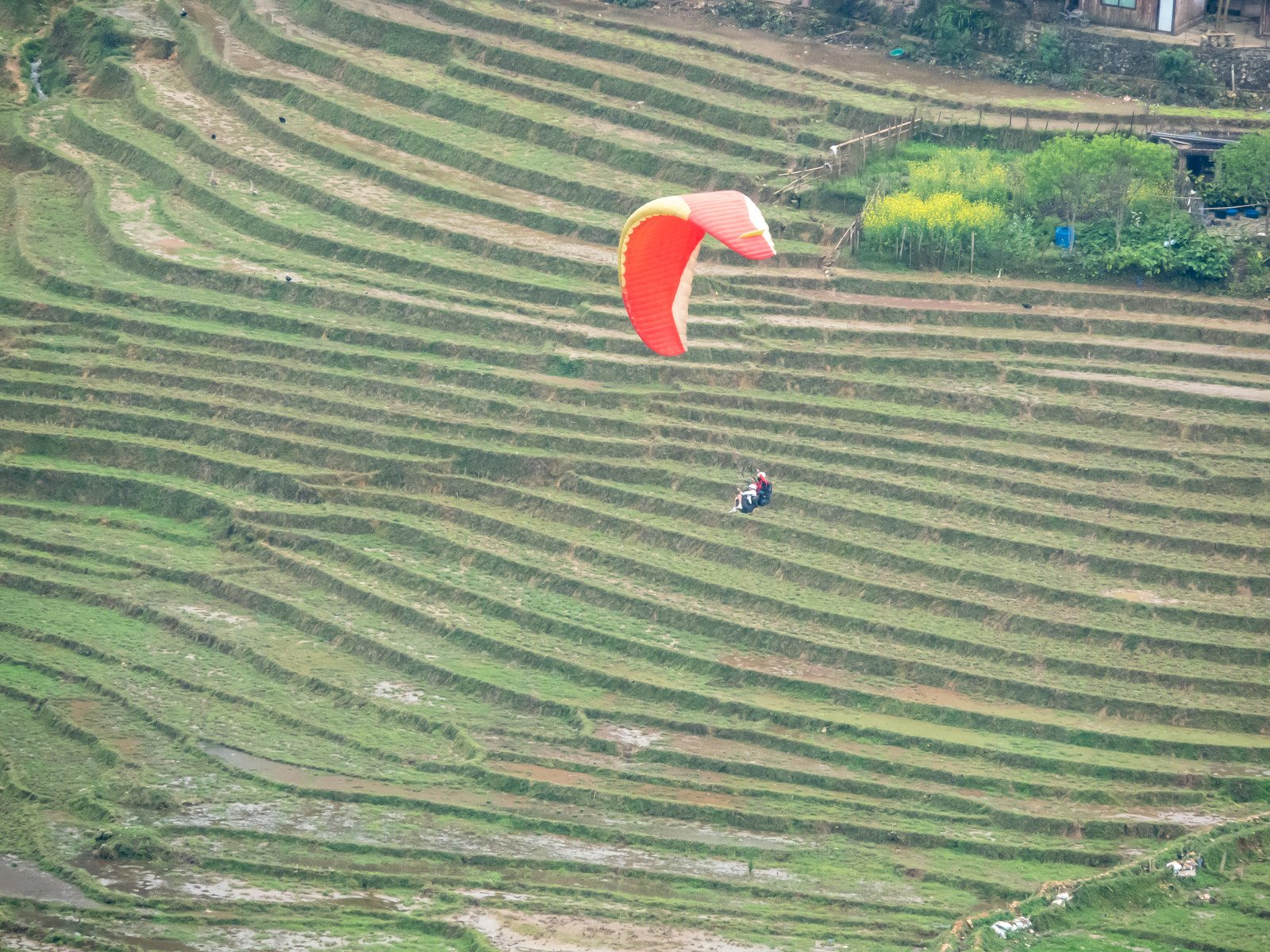
Hang gliding over the terraced ride fields
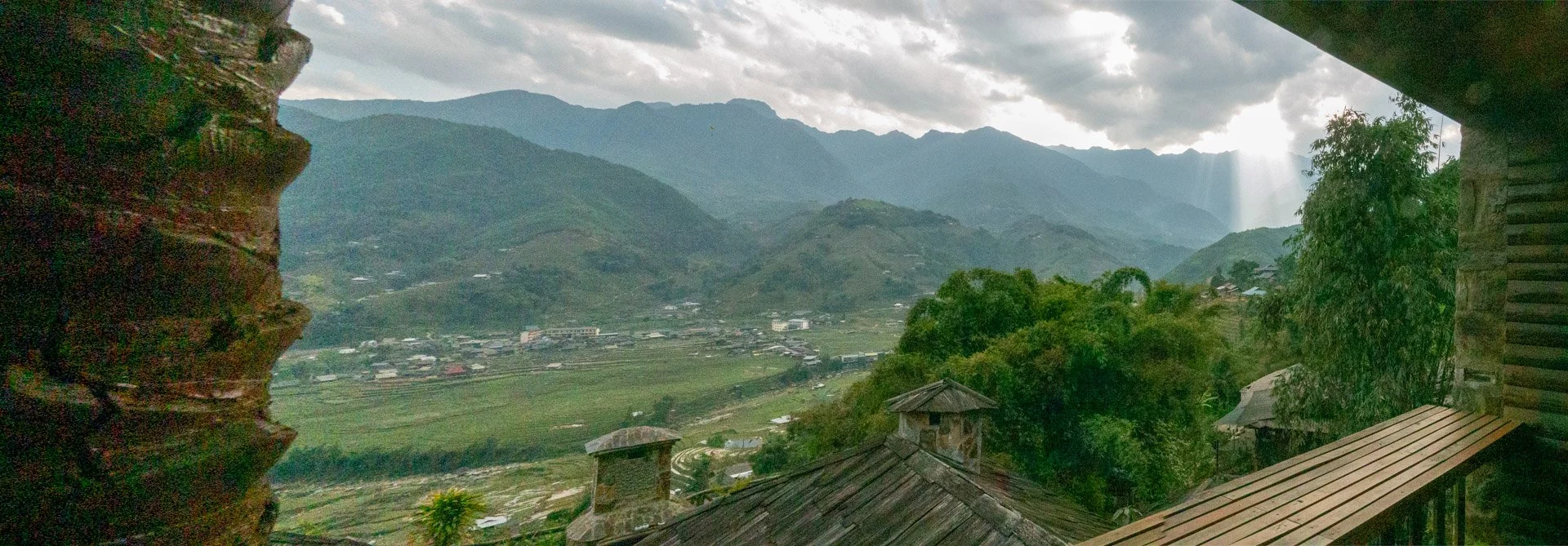
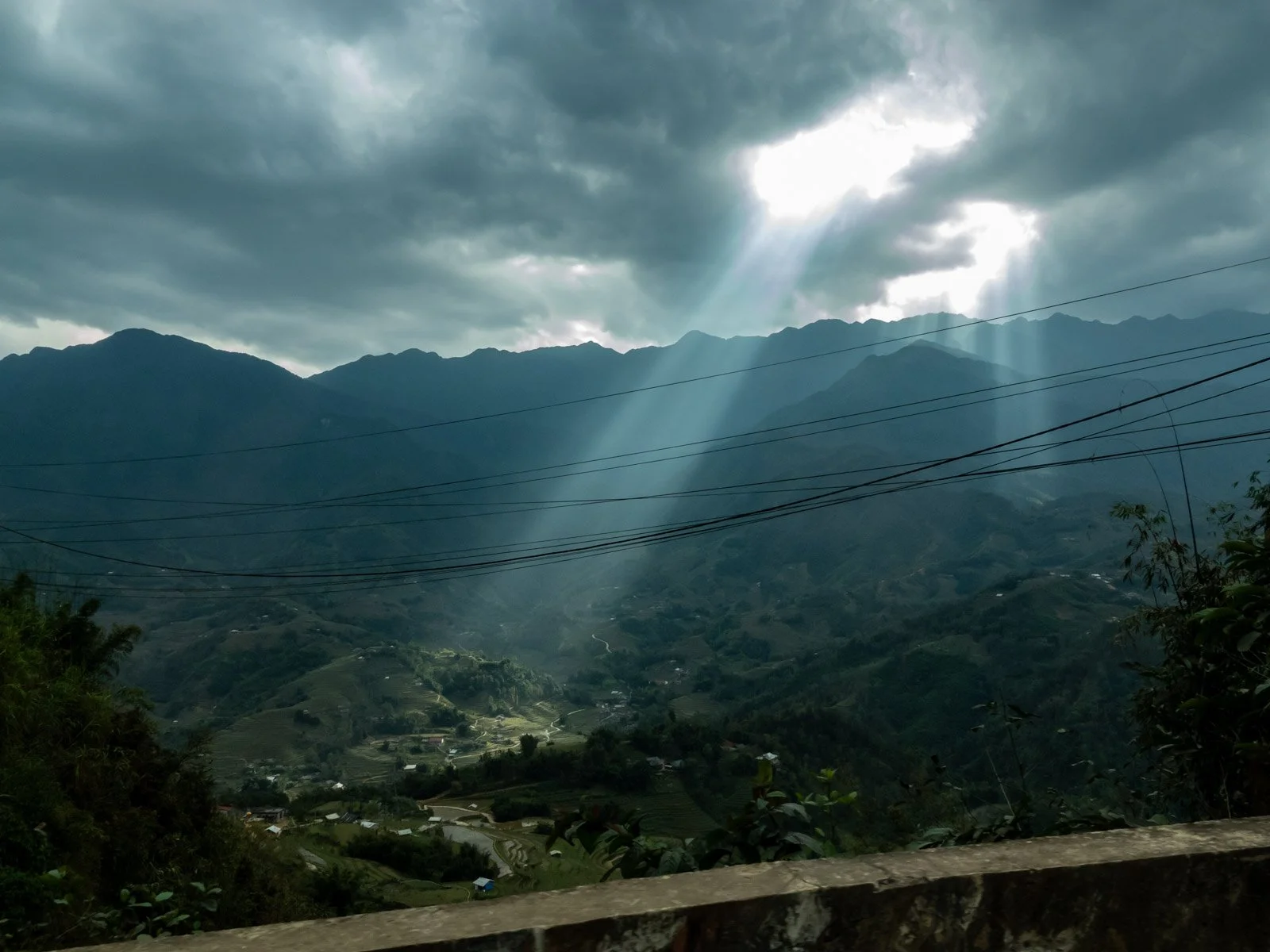
The view out of our hotel room patio at the Laksik Ecolodge.
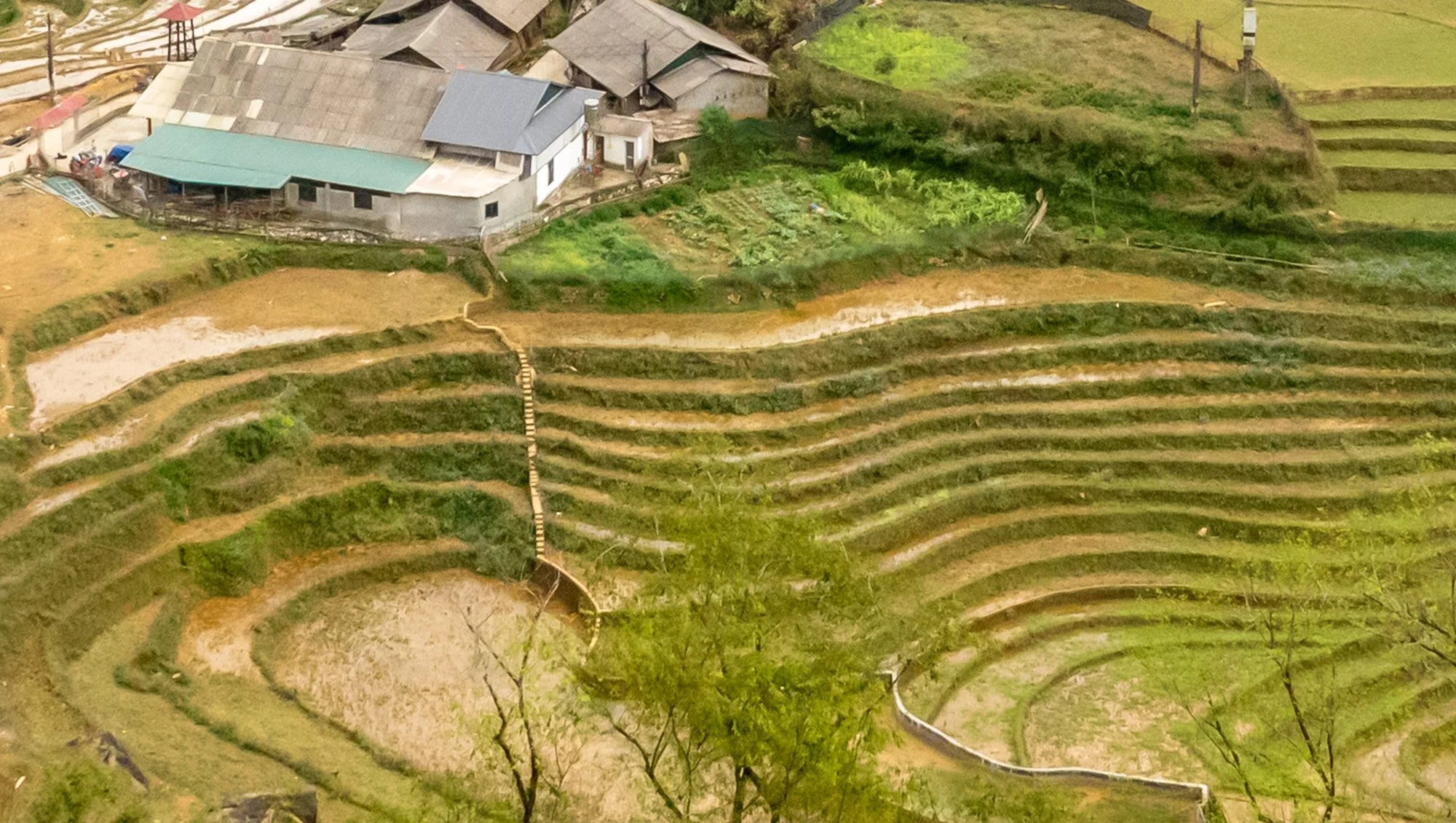
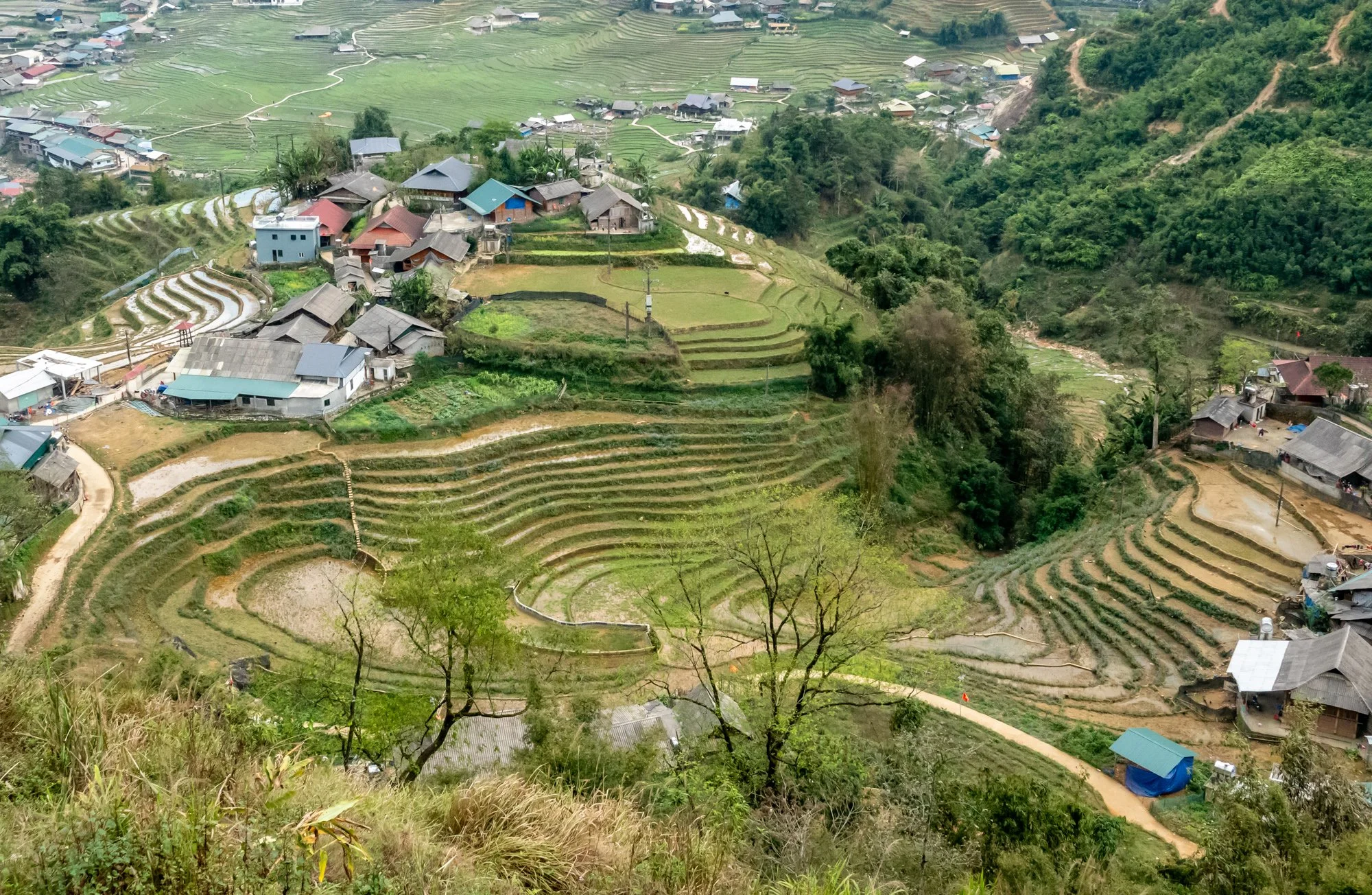
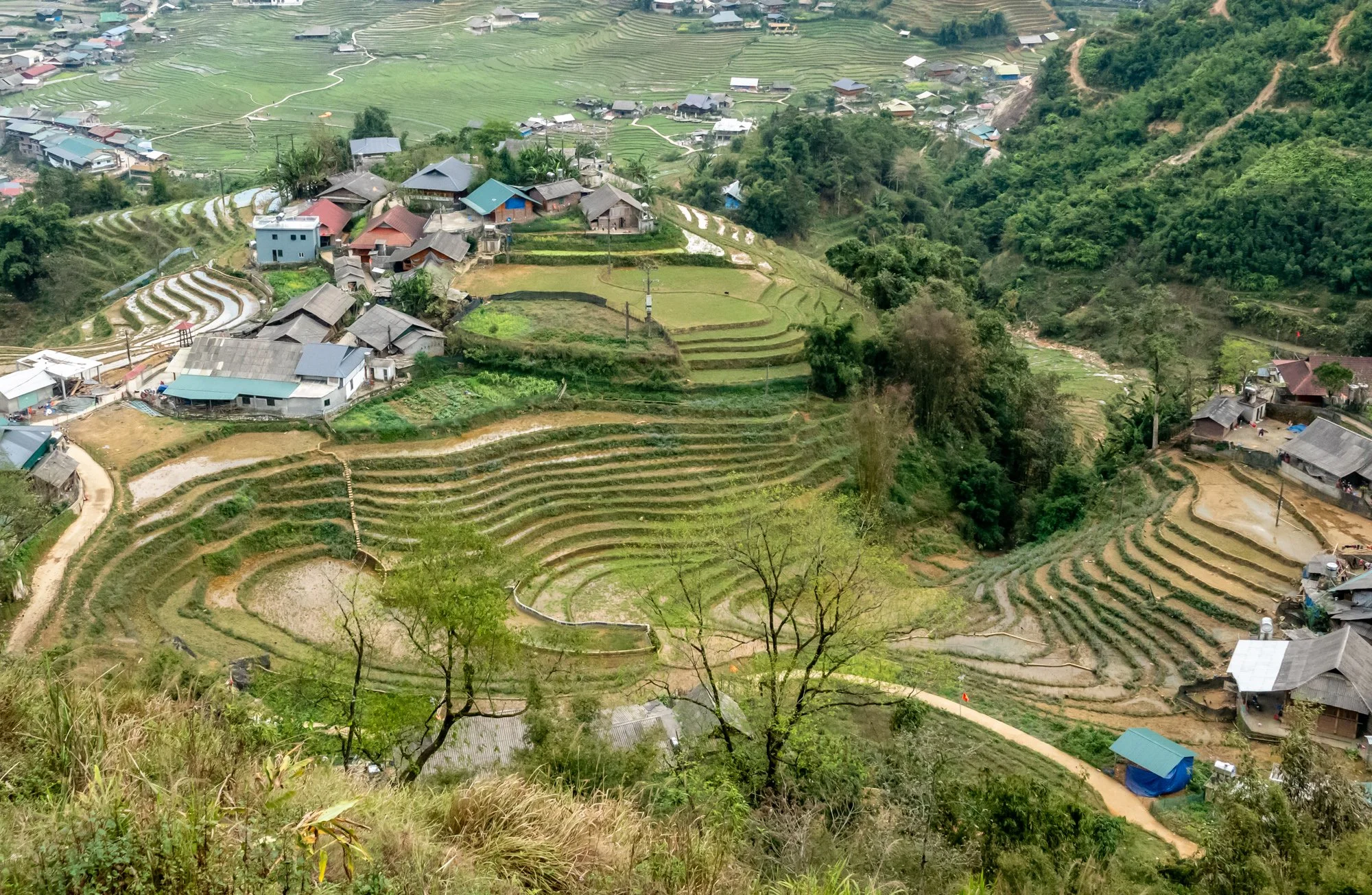
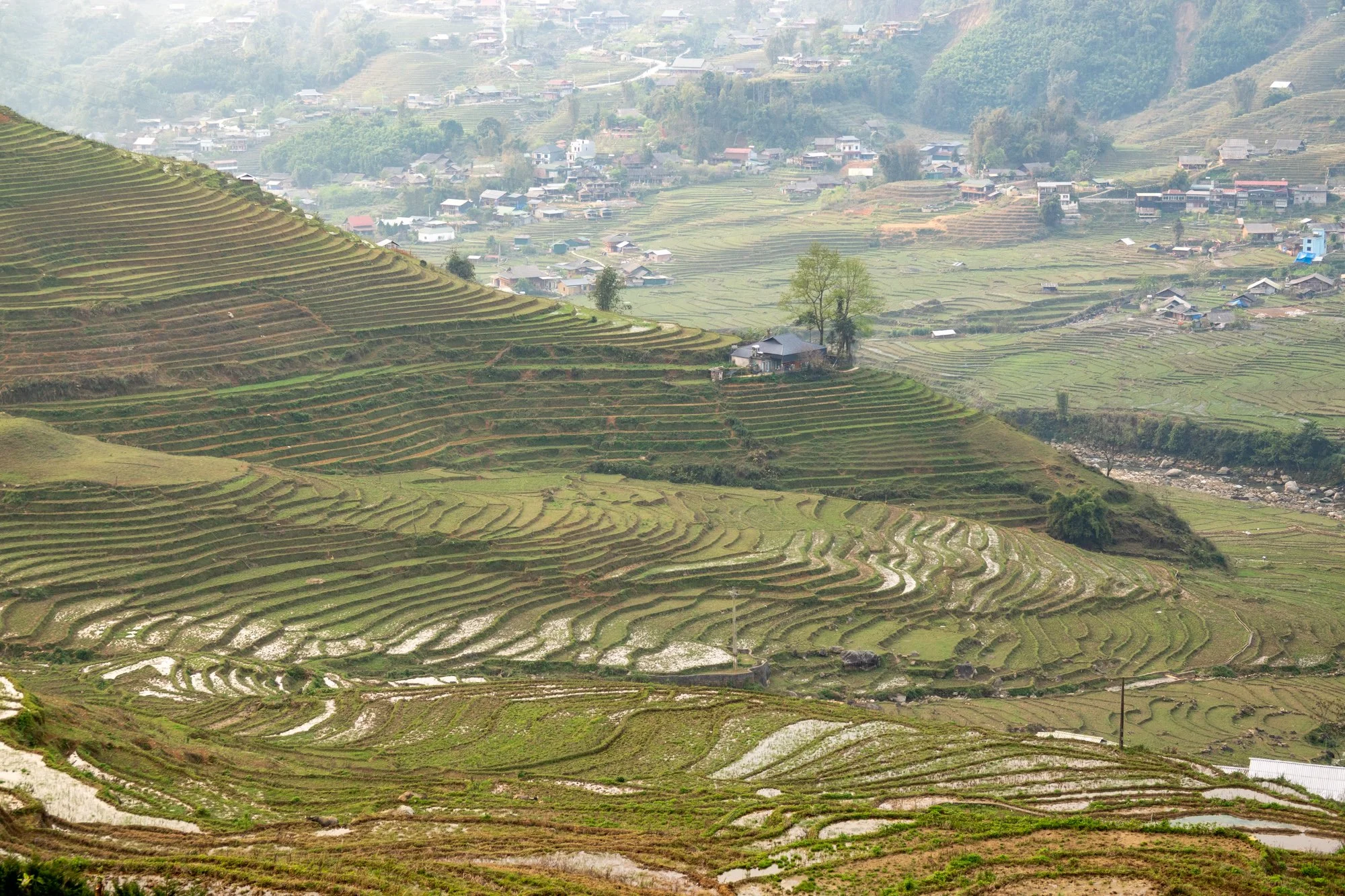
Terraced rice fields were common sights everywhere in the country.
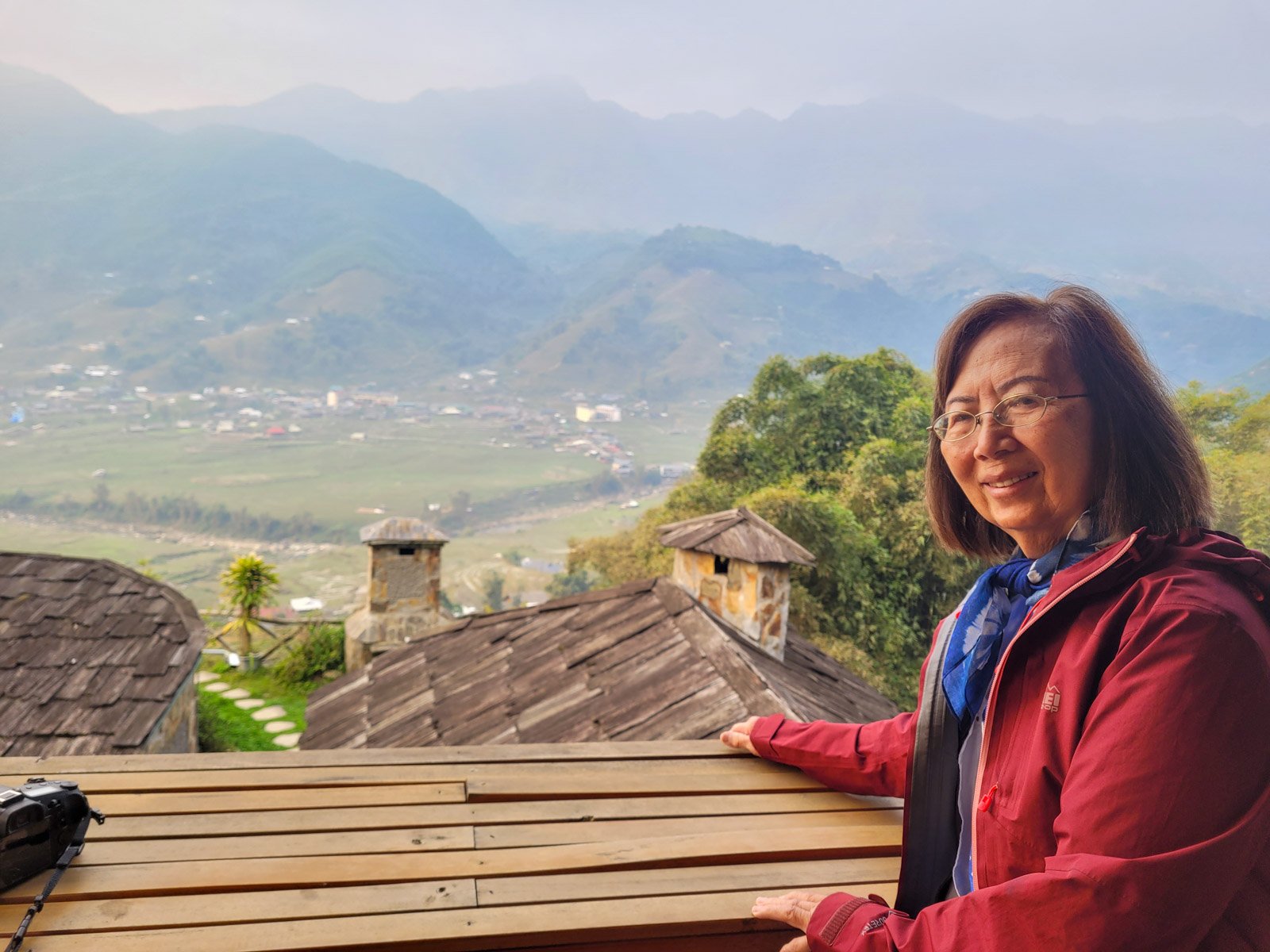
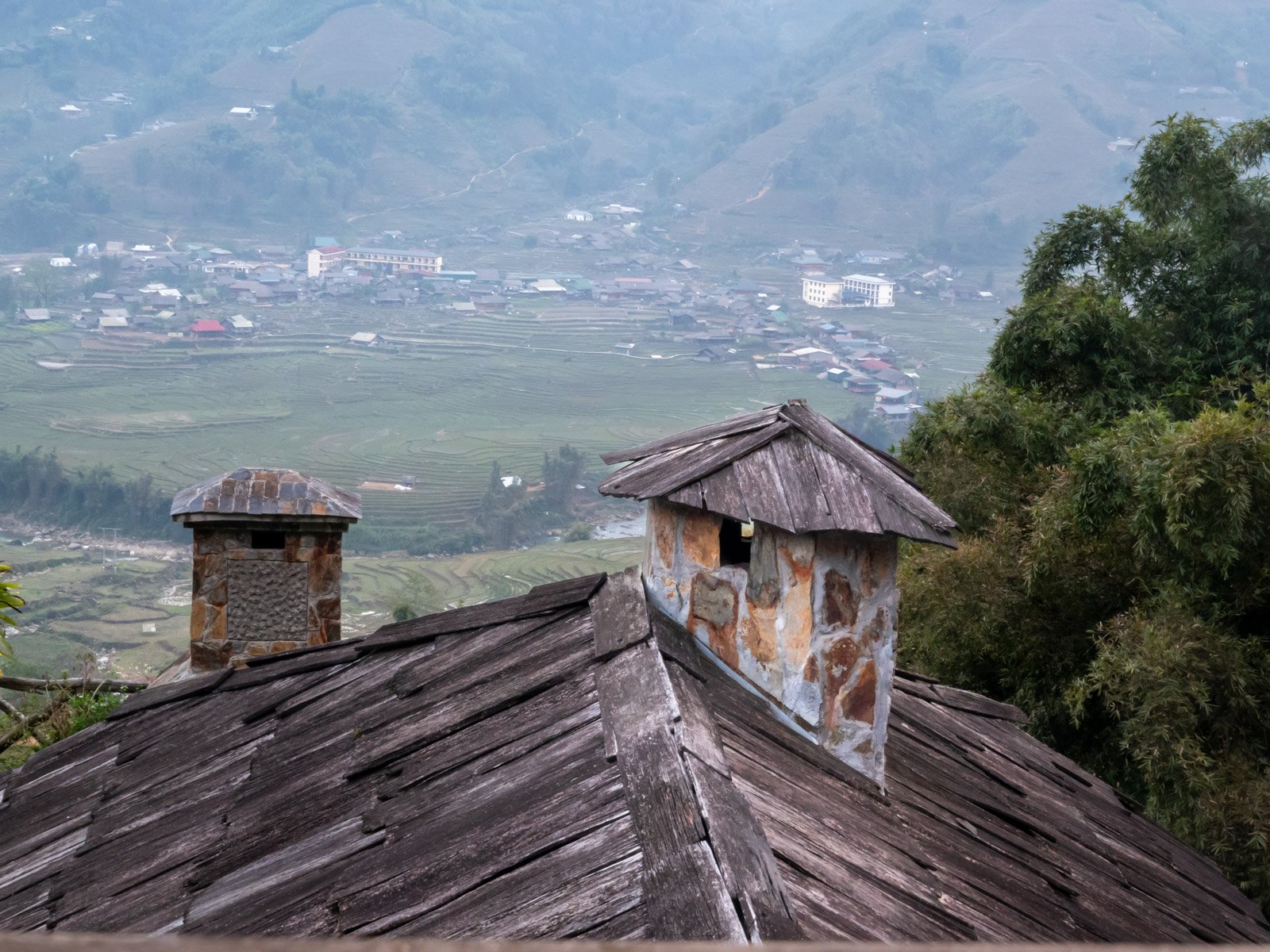
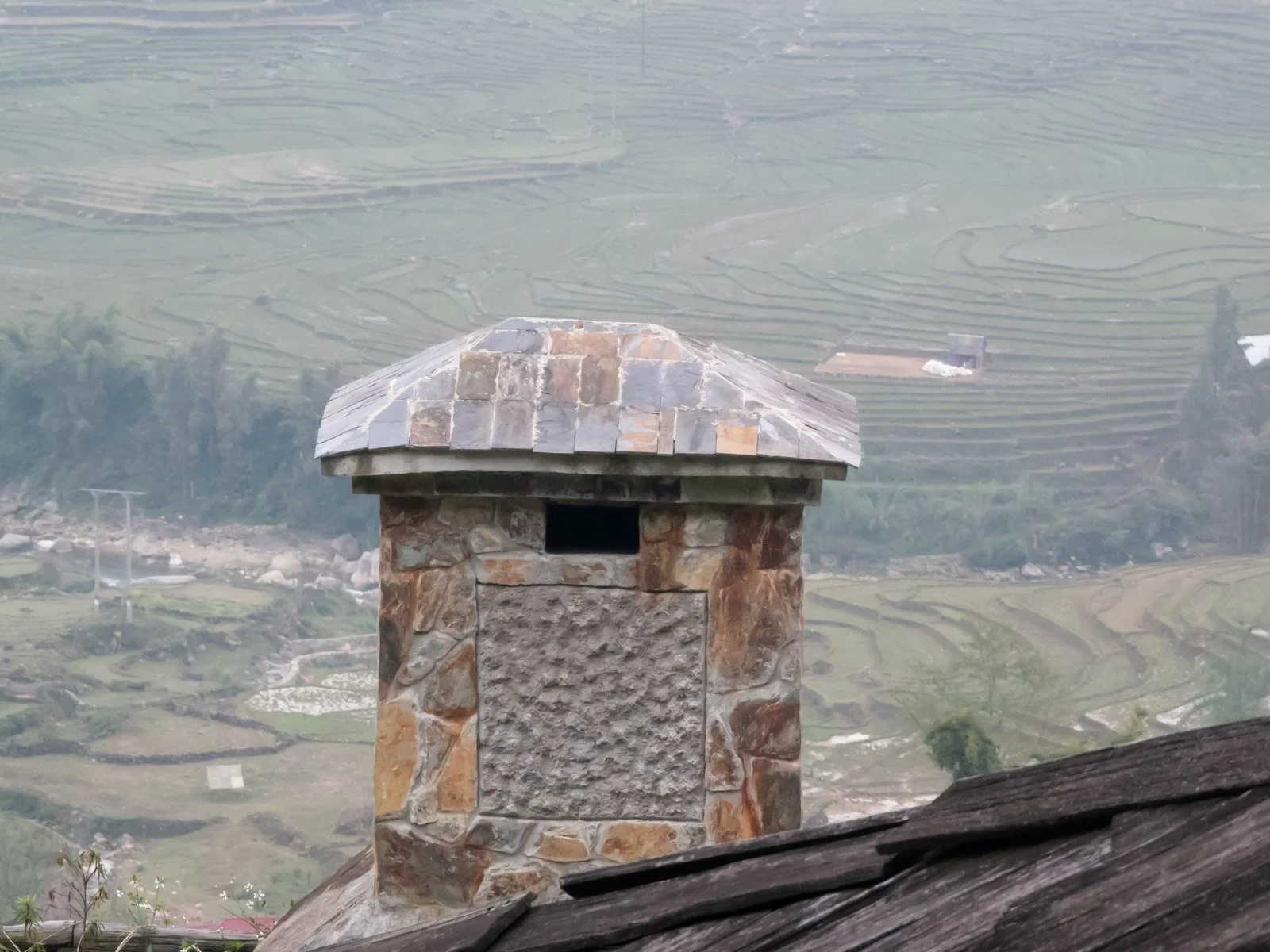
Study of chimneys
Lao Chai Village
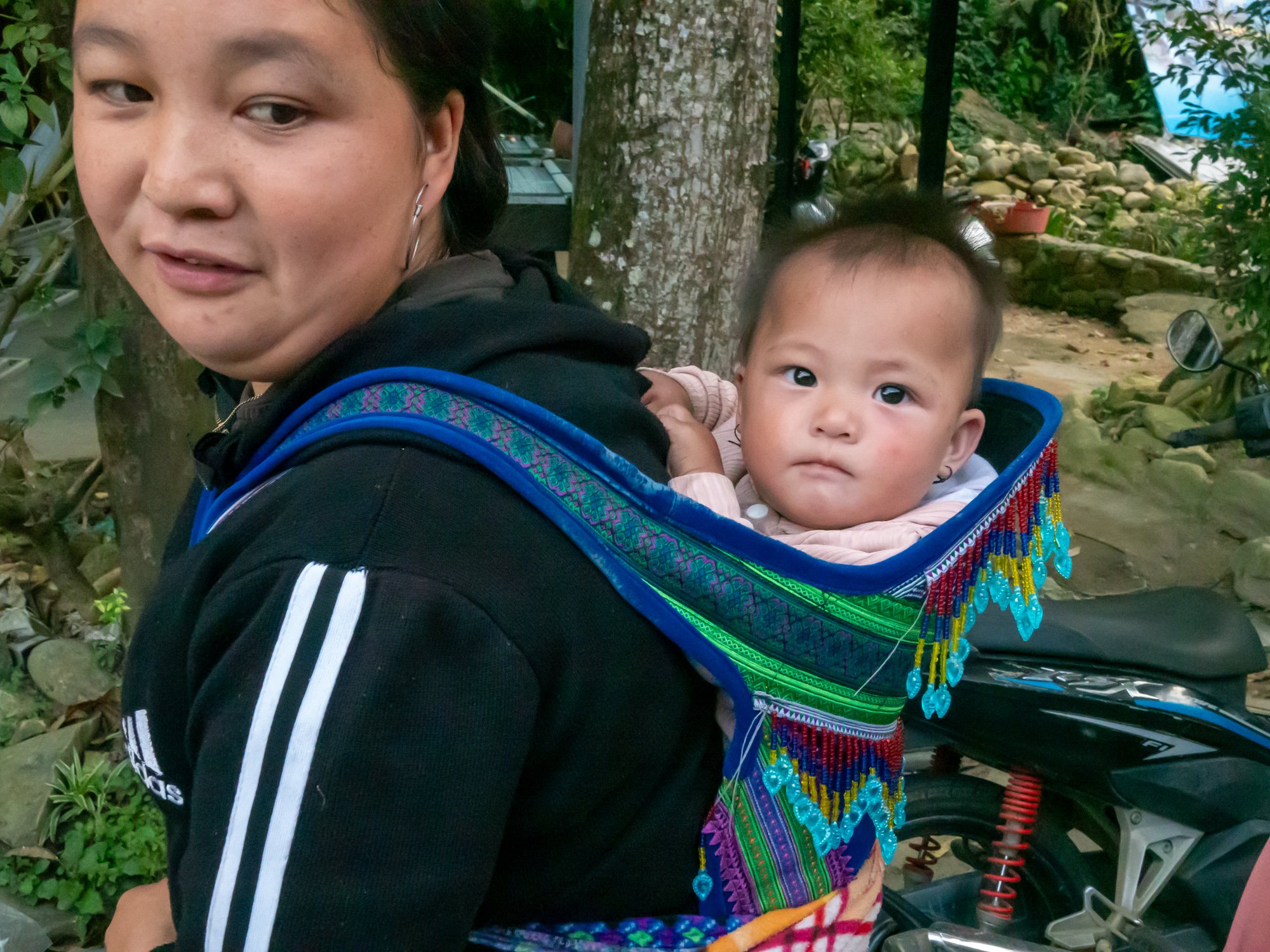
Friendly Hmong mother and child in Lao Chai Village
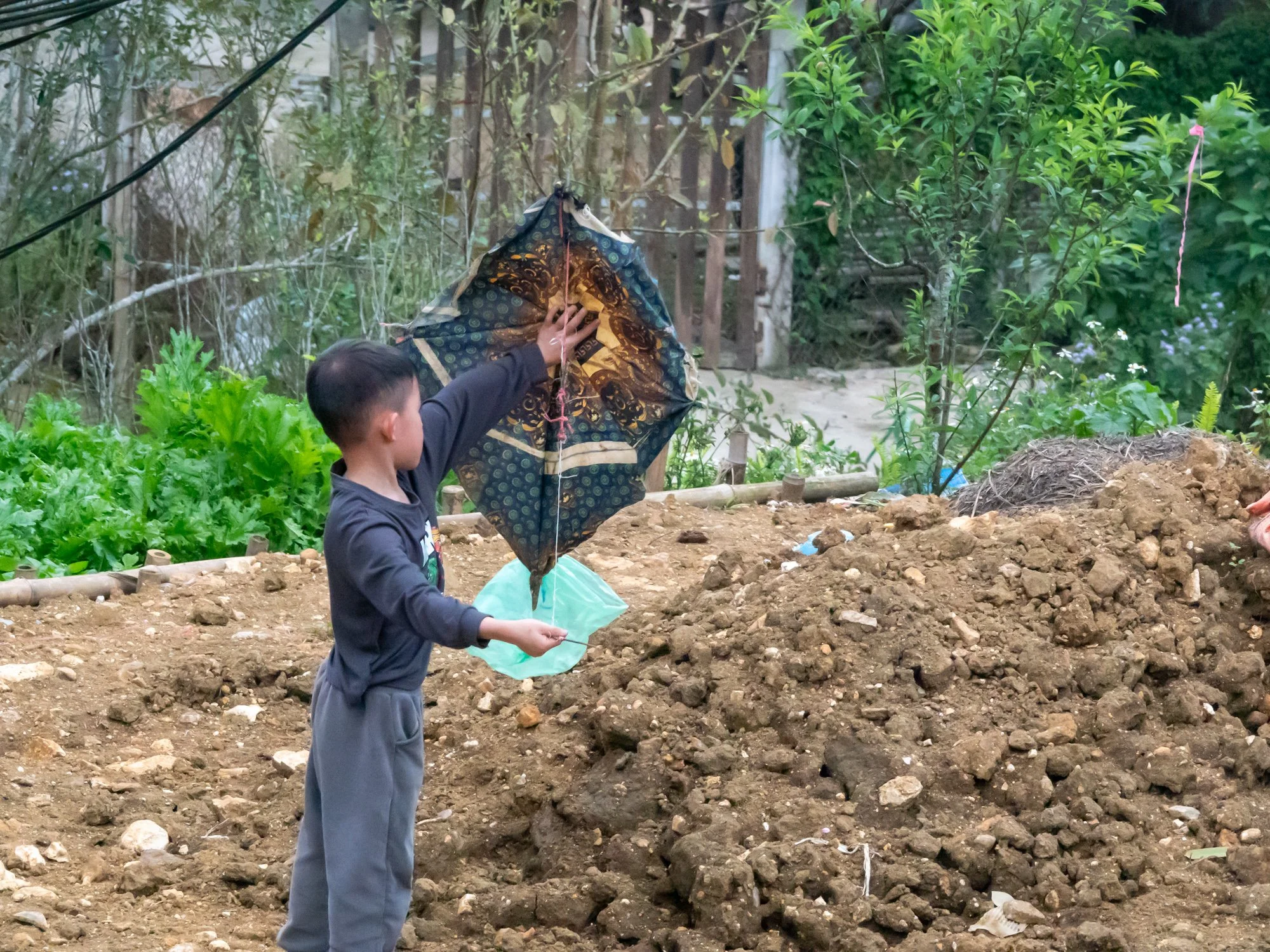
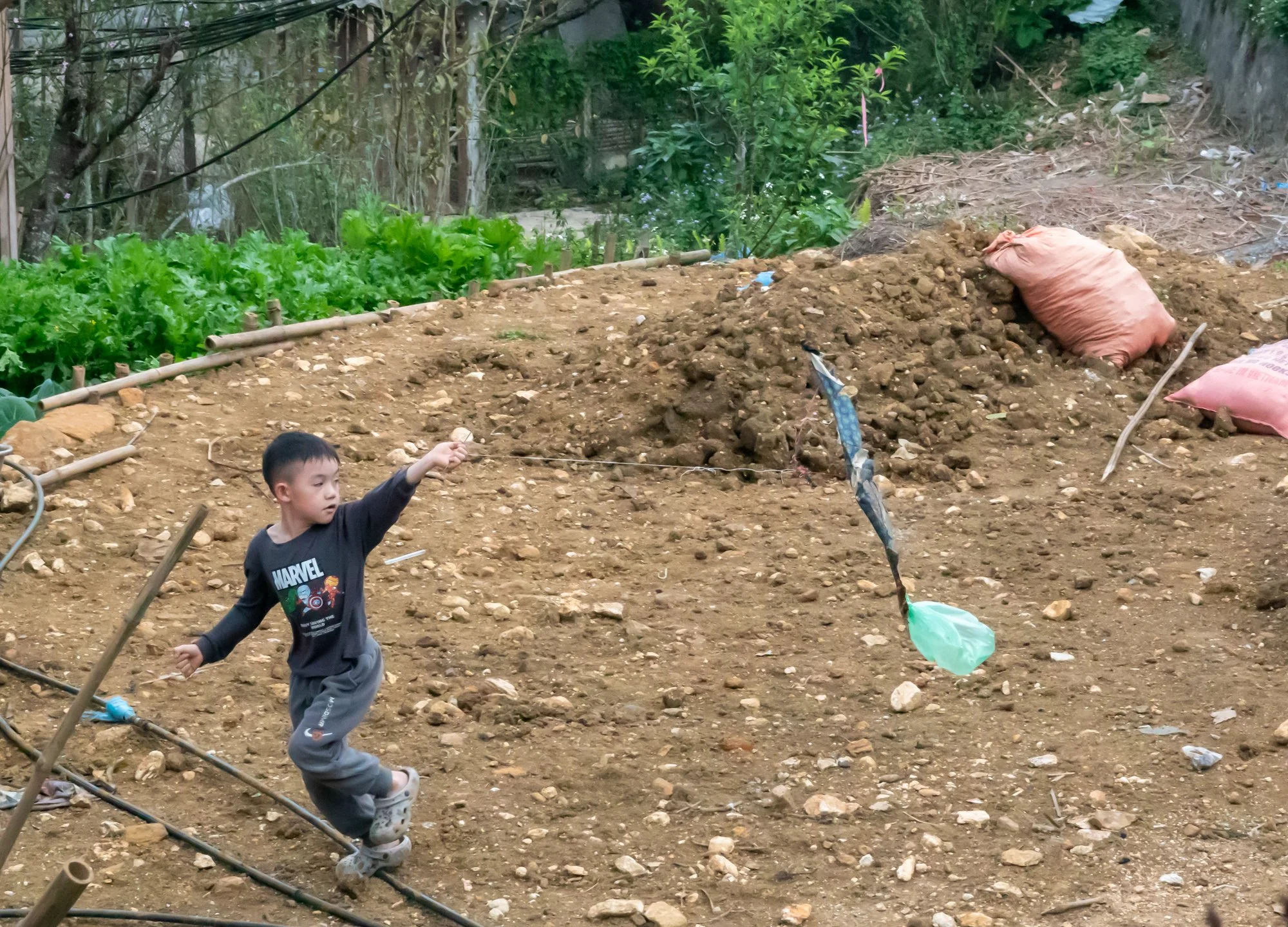
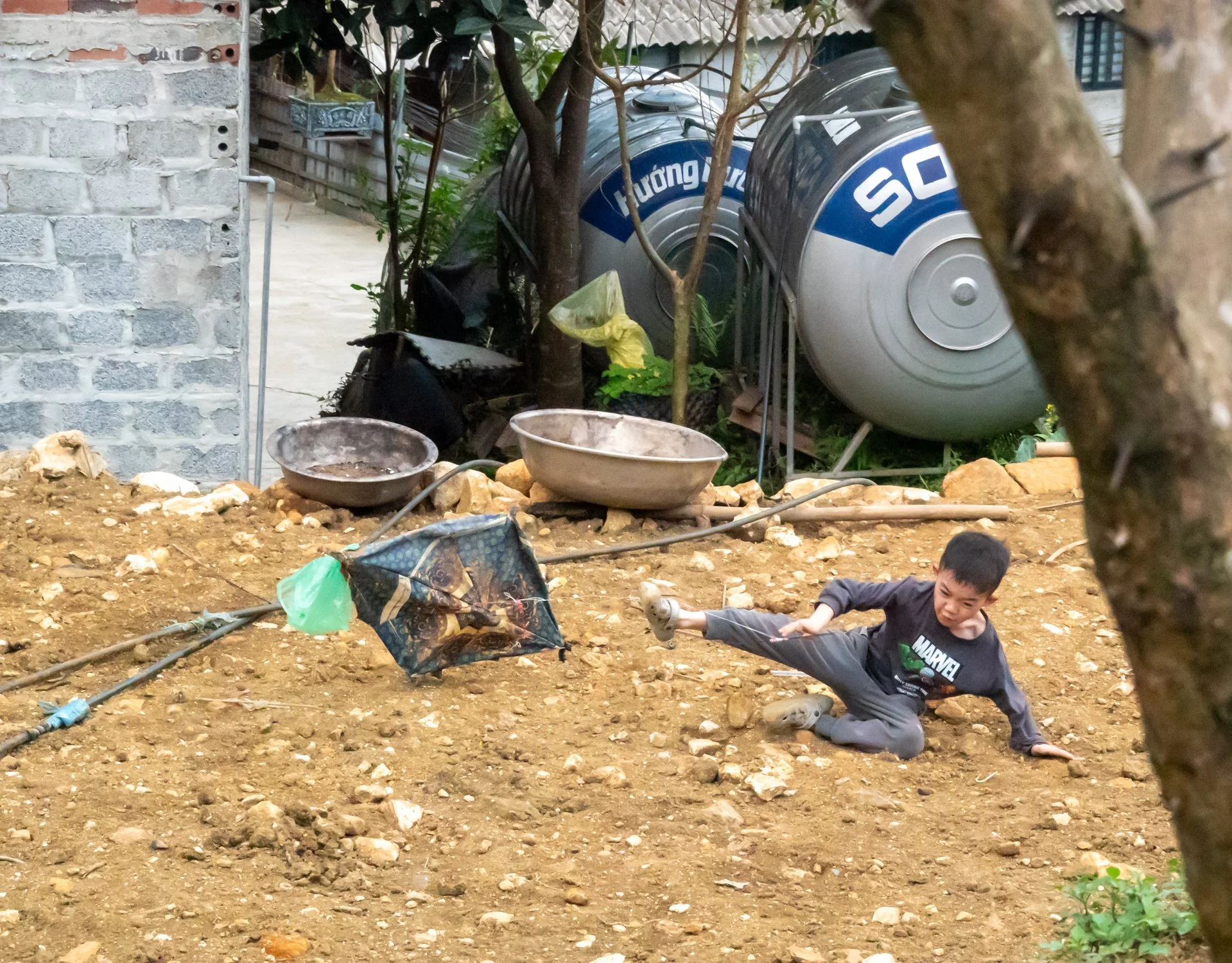
A young boy and his kite.
Bac Ha ethnic market
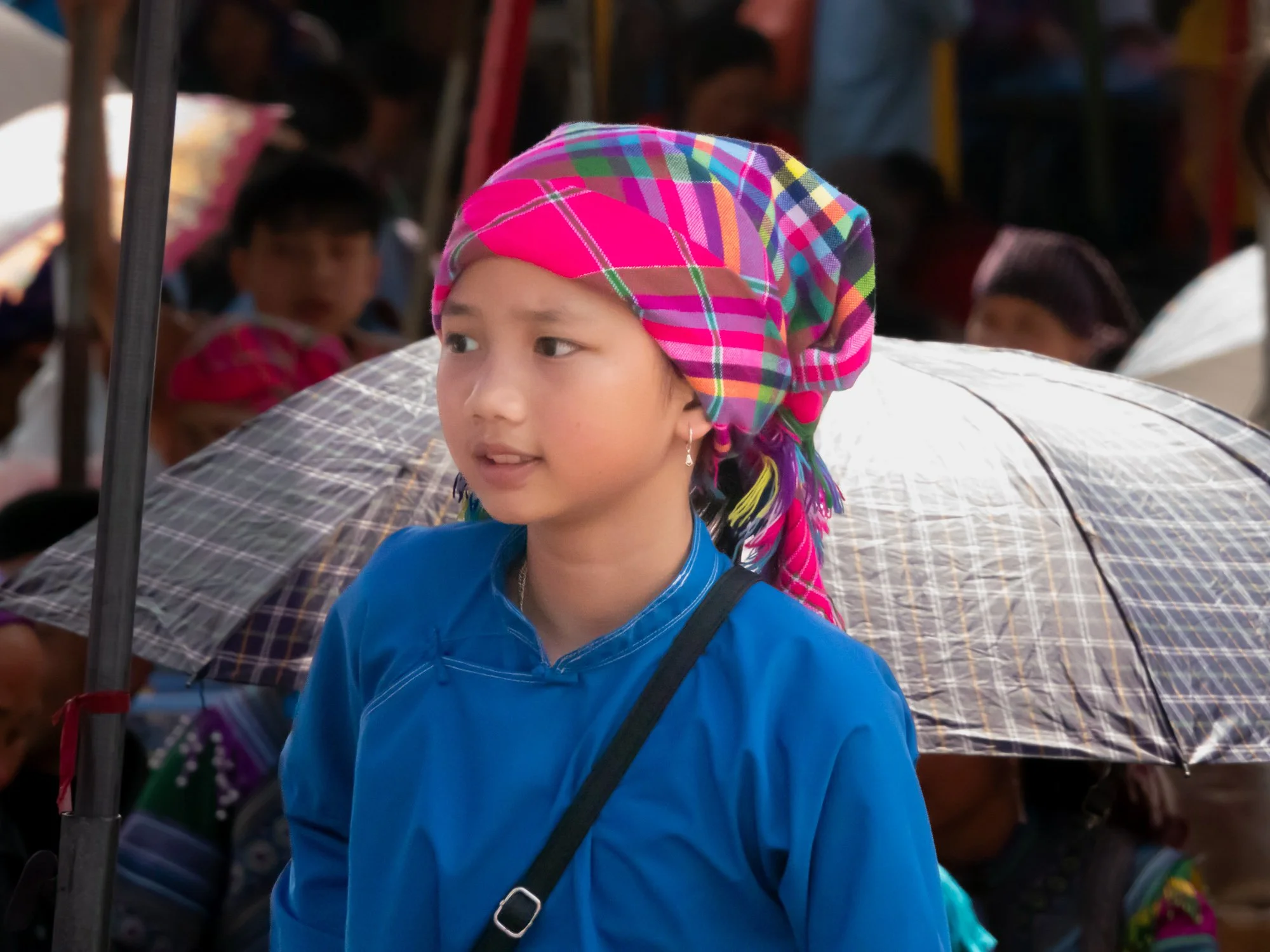
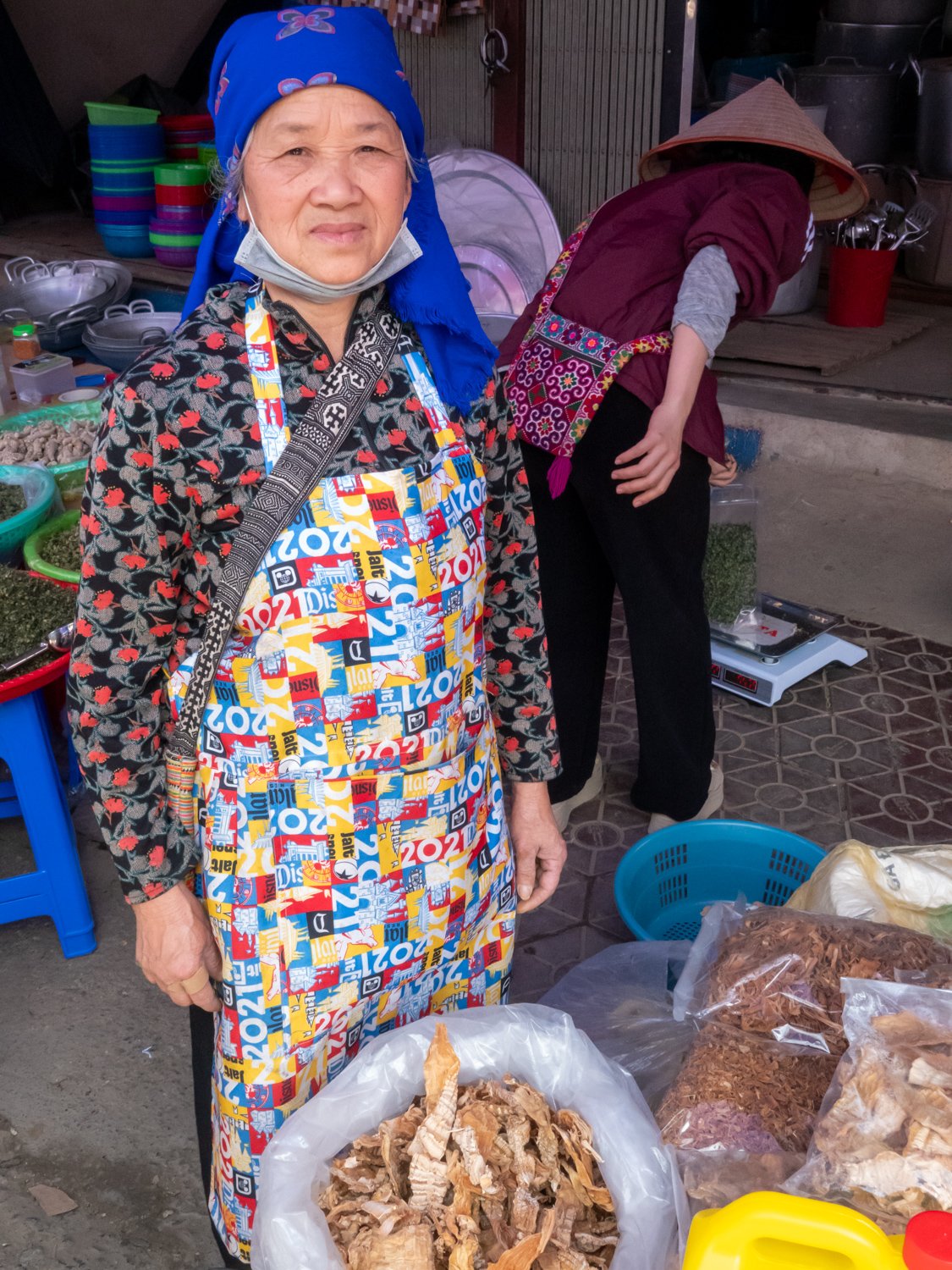
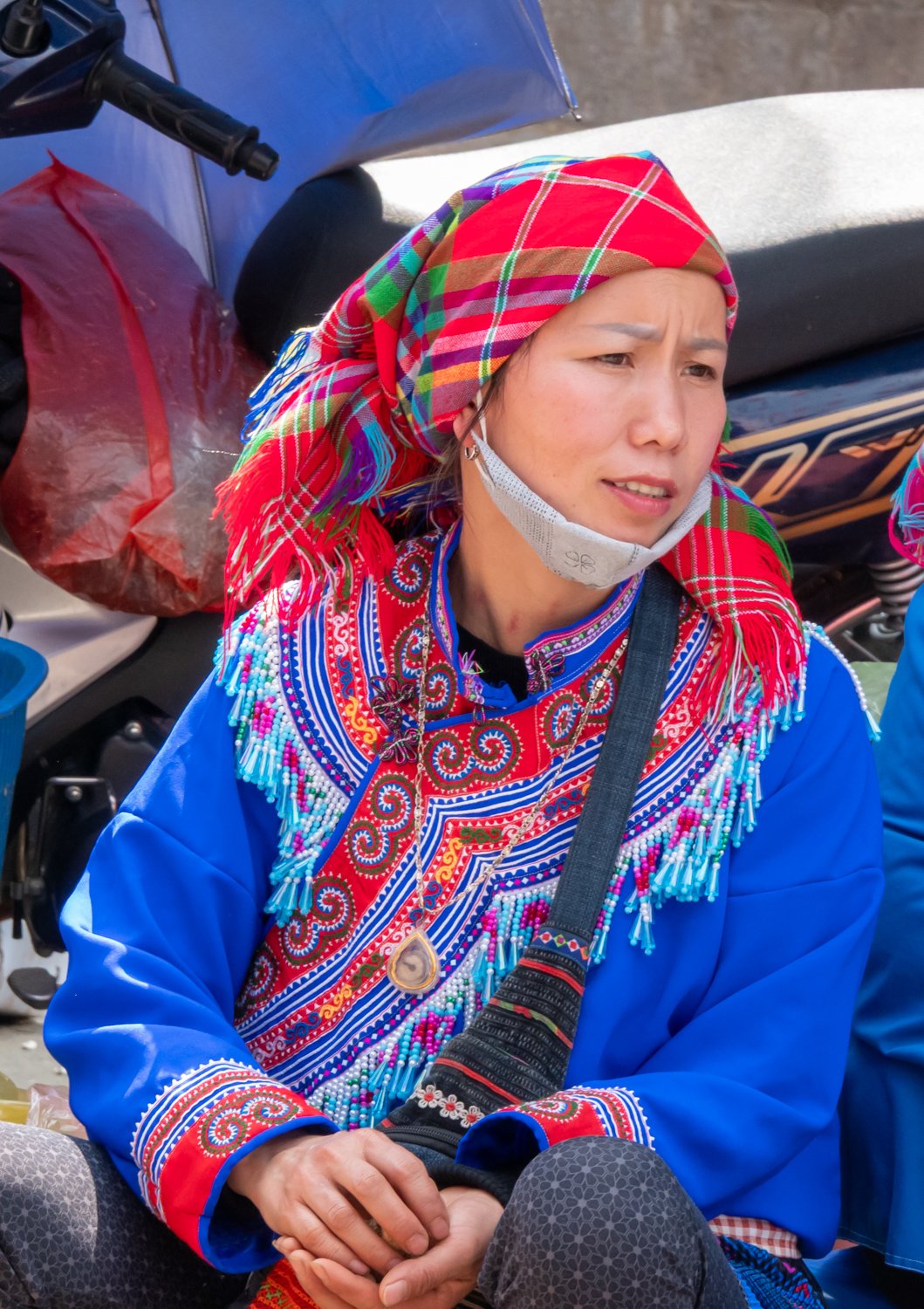
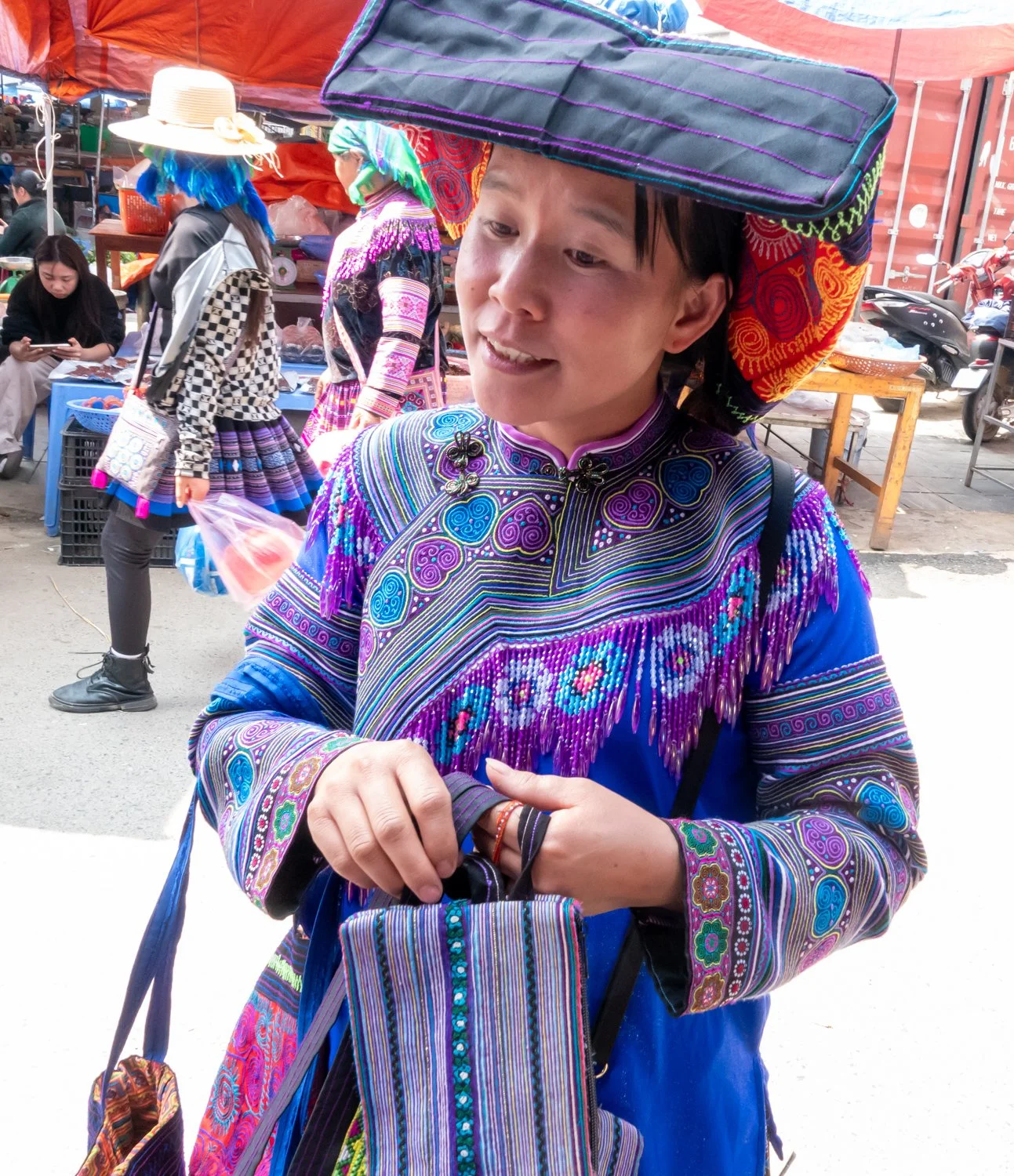
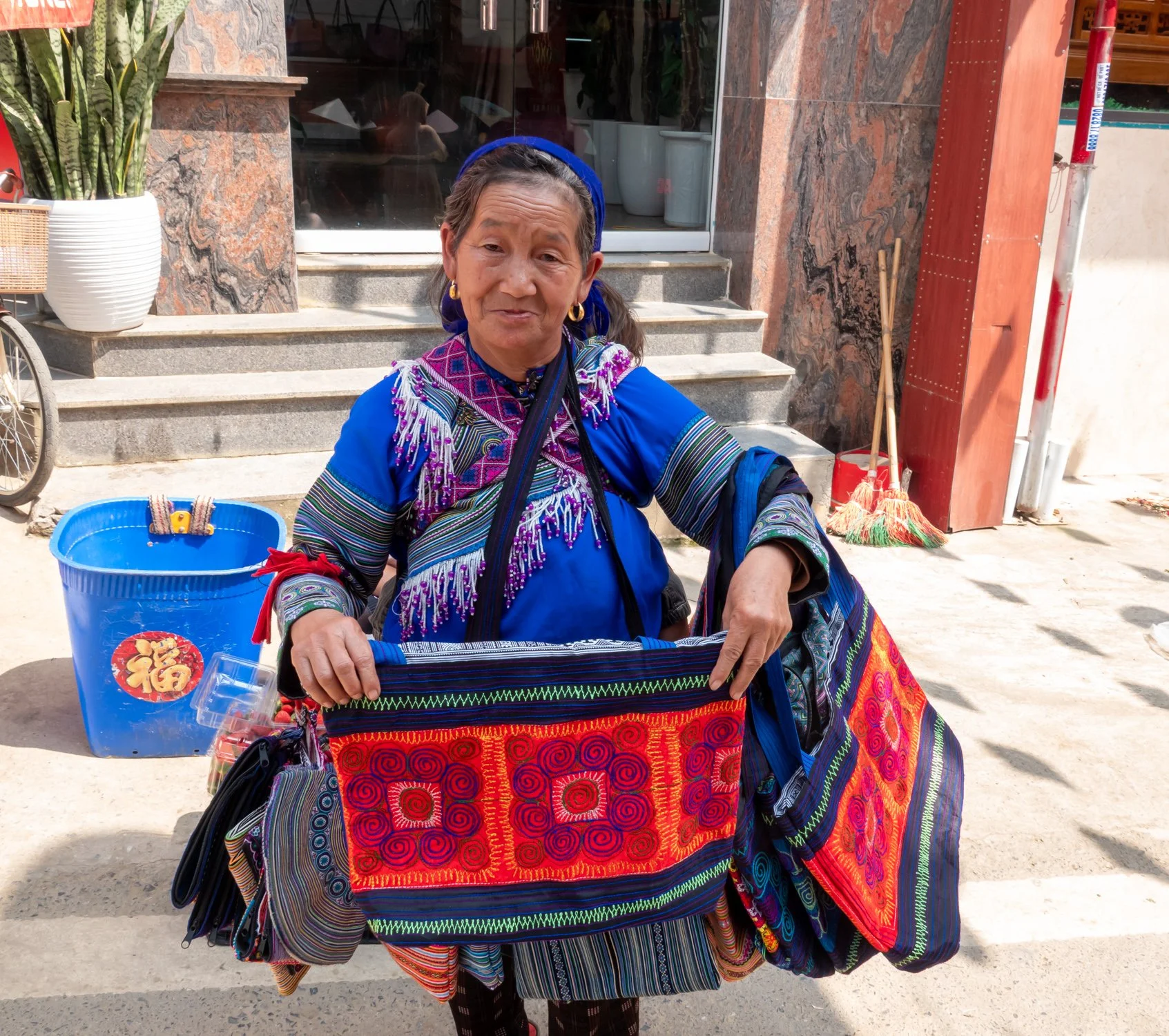
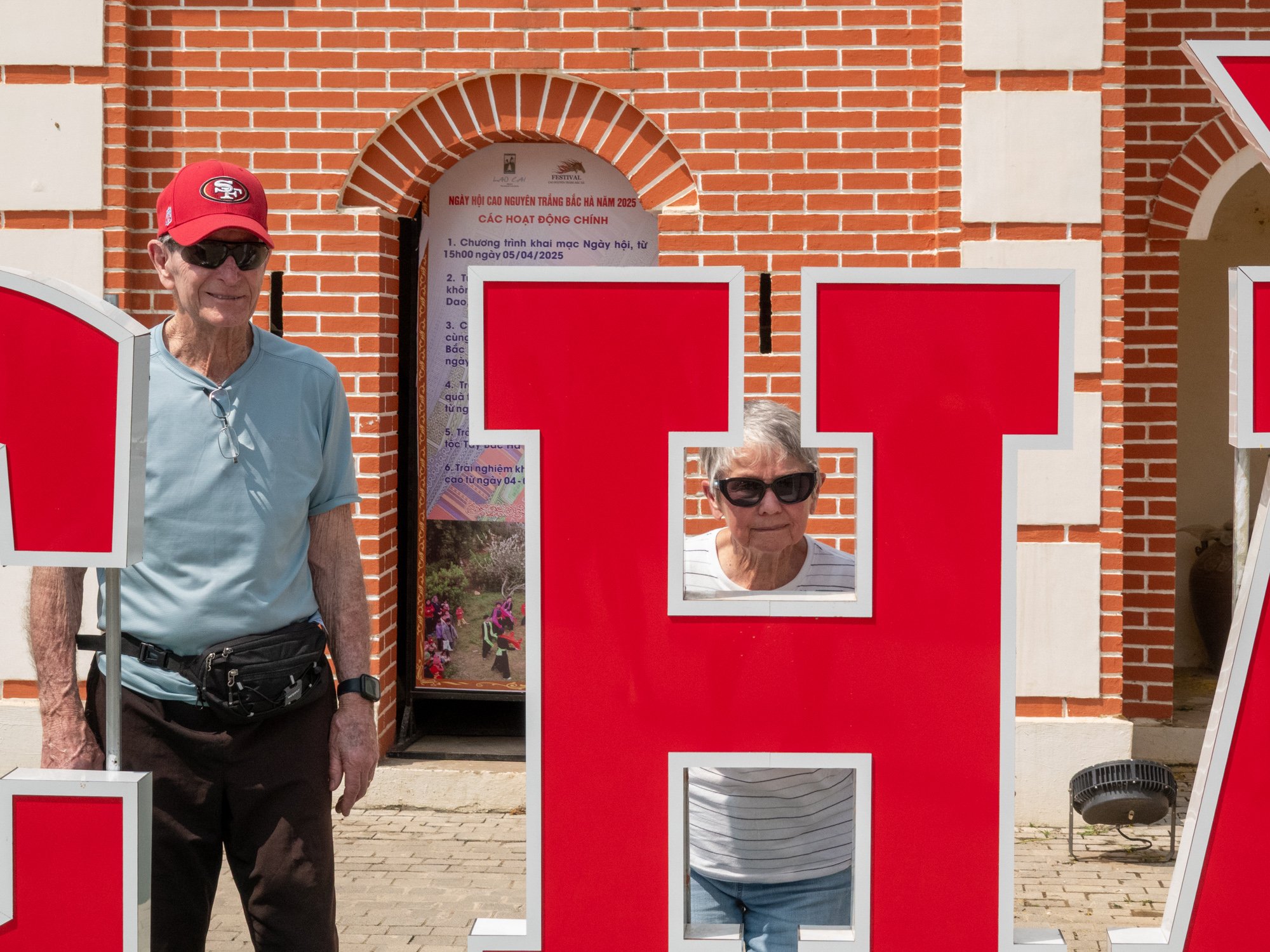
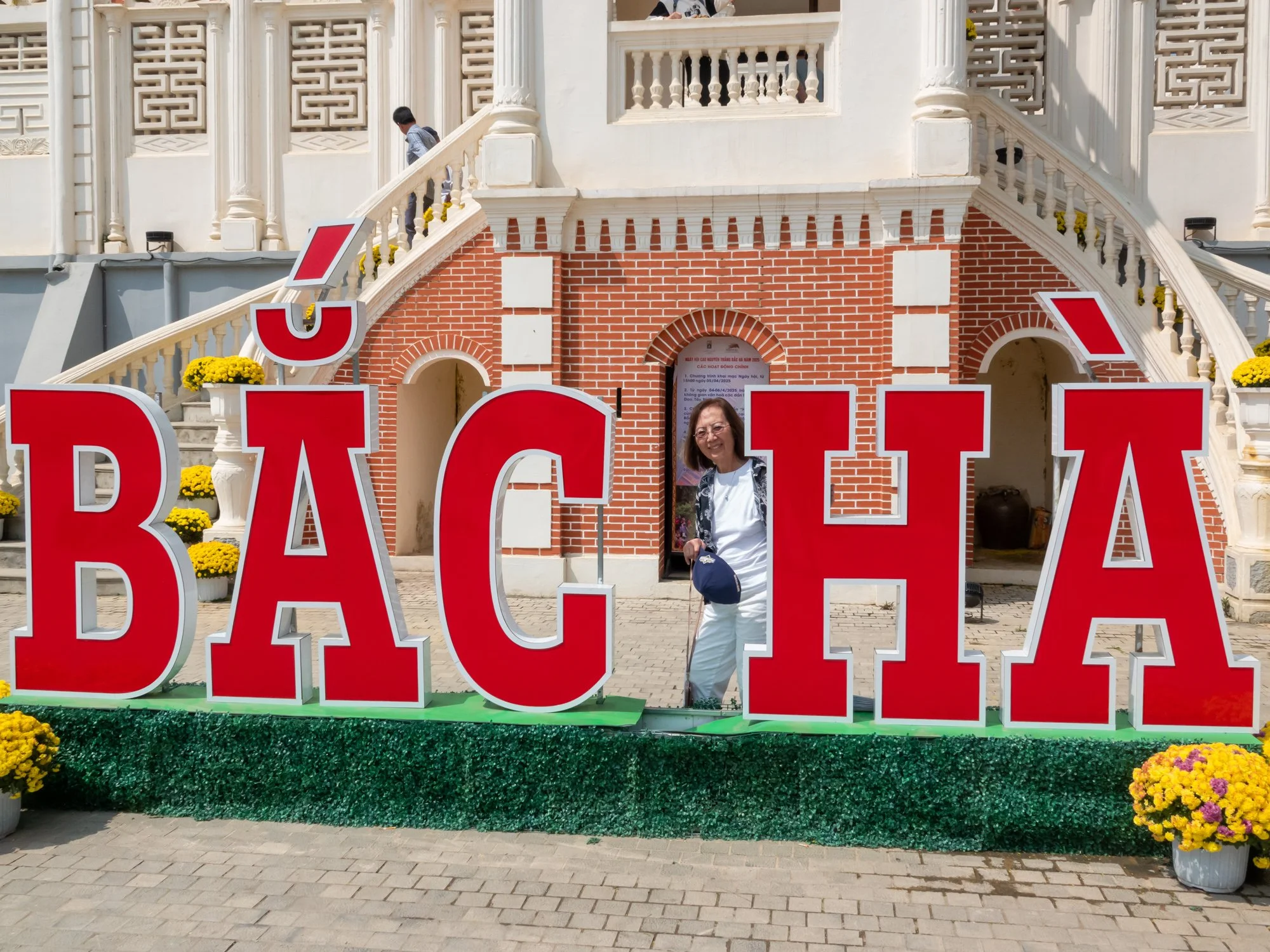
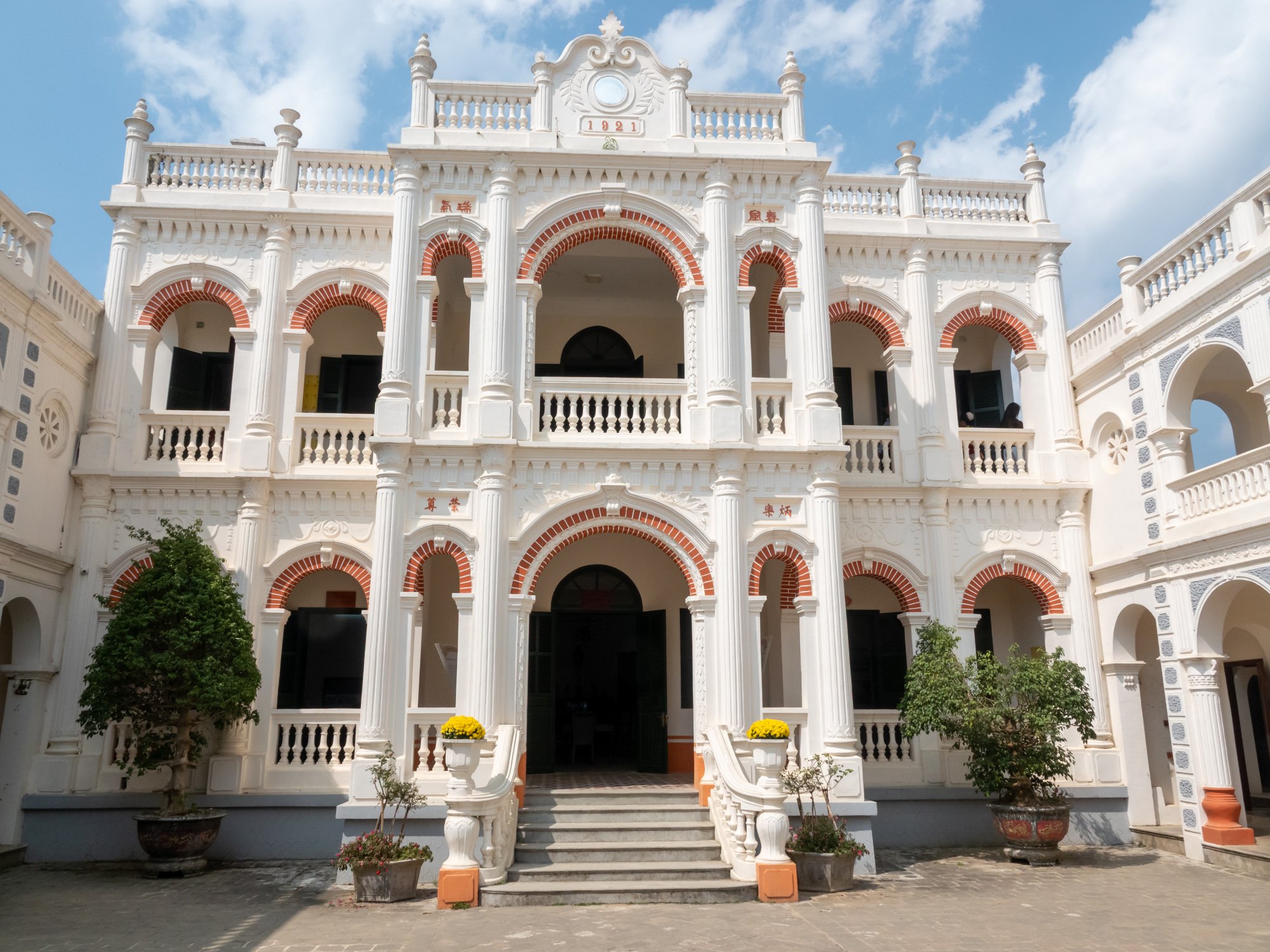
A highlight of the visit to Sapa was to see the Sunday ethnic market at Bac Ha. The most prominent ethnic group at the market were from the Flower Hmong tribe, who could be identified by their colorful dress.
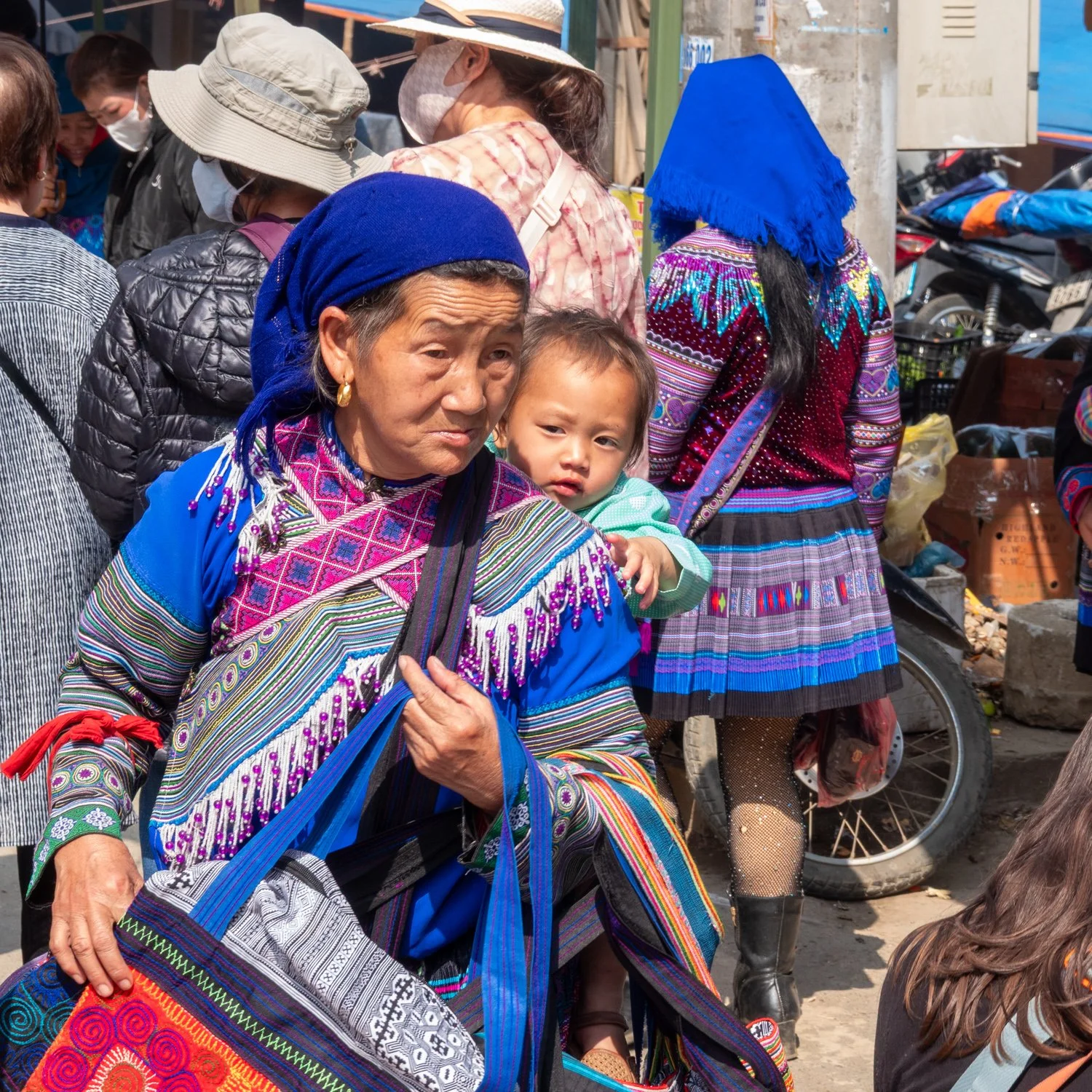
Members of the Flower Hmong ethnic group
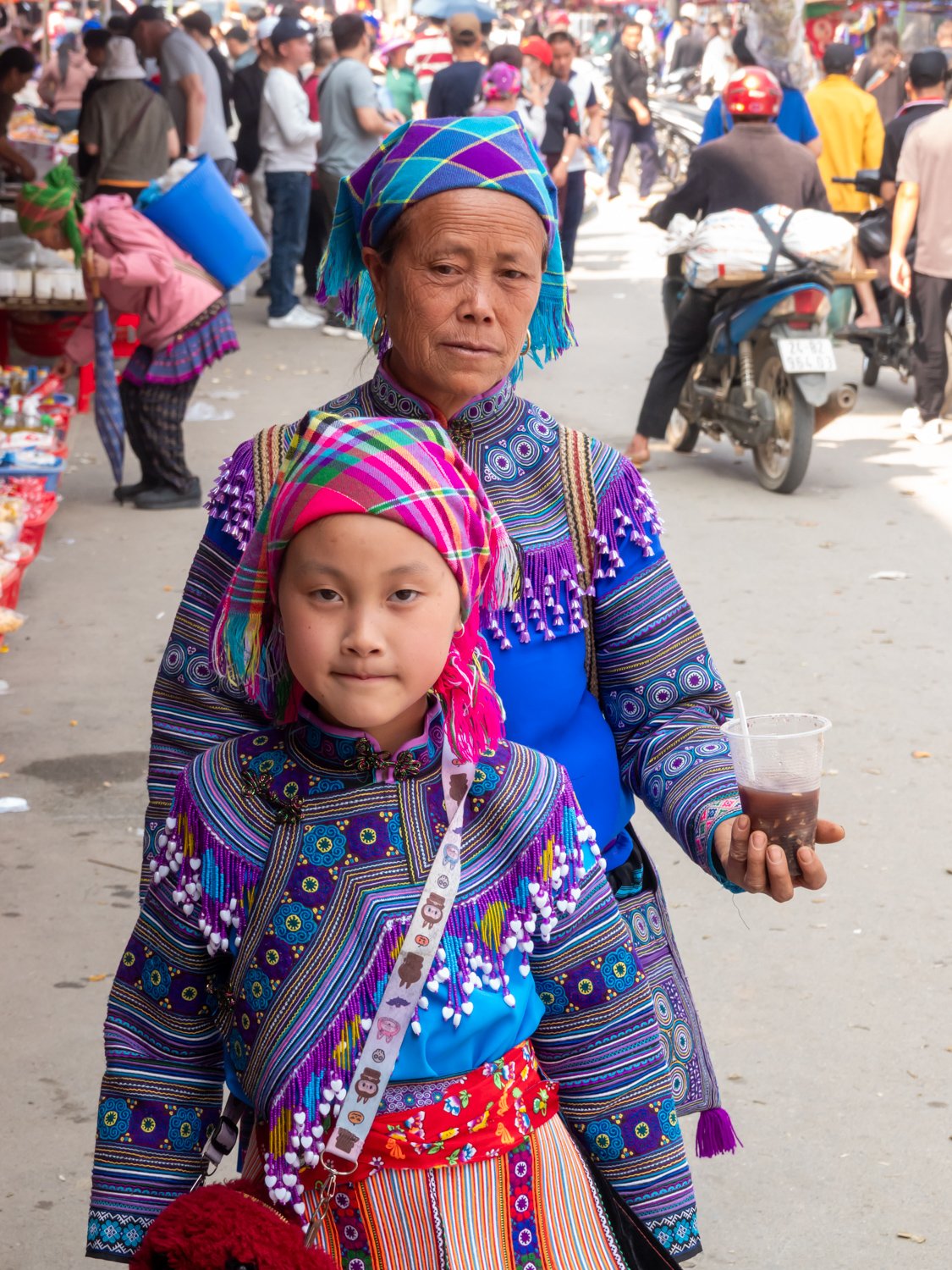
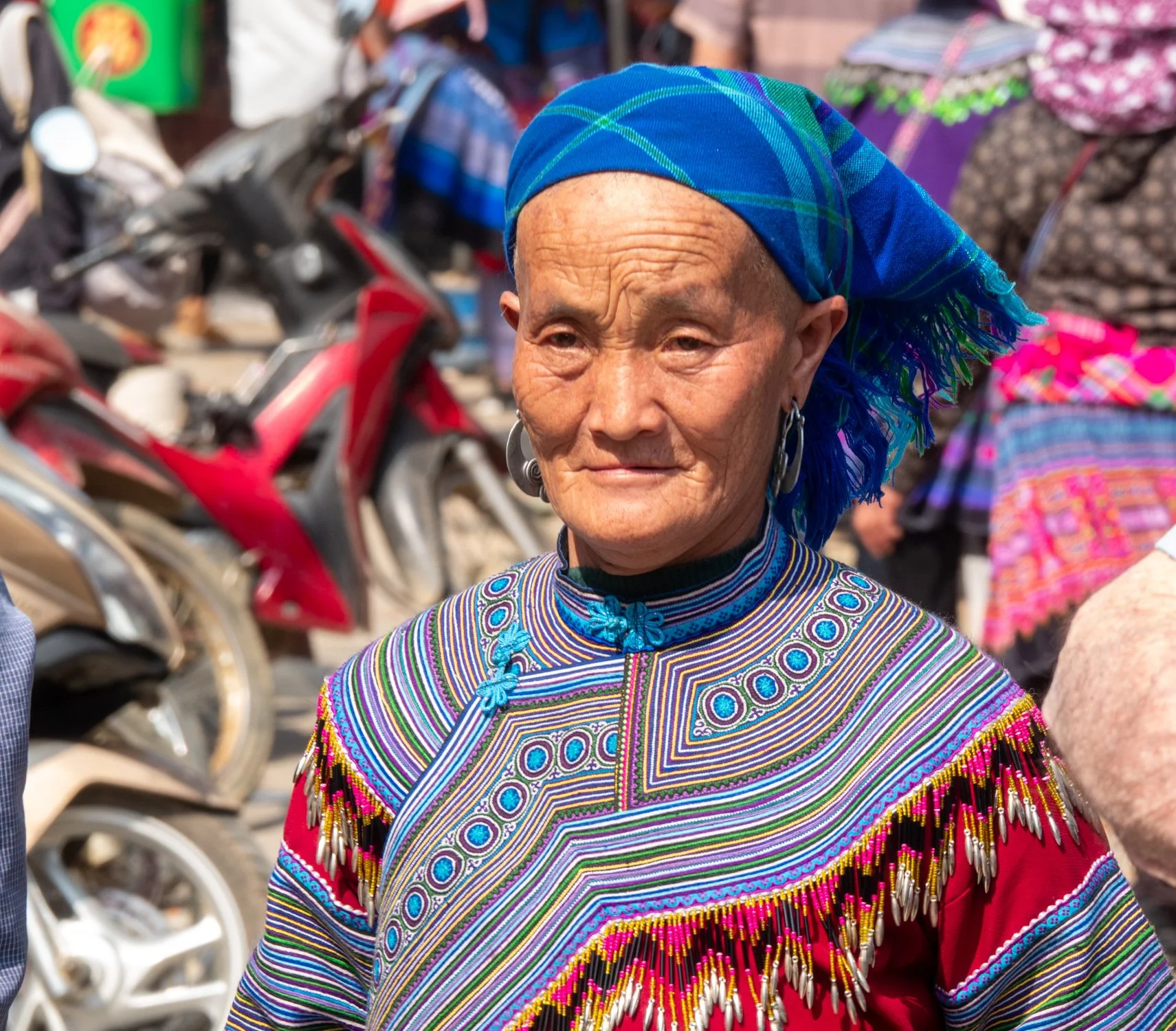
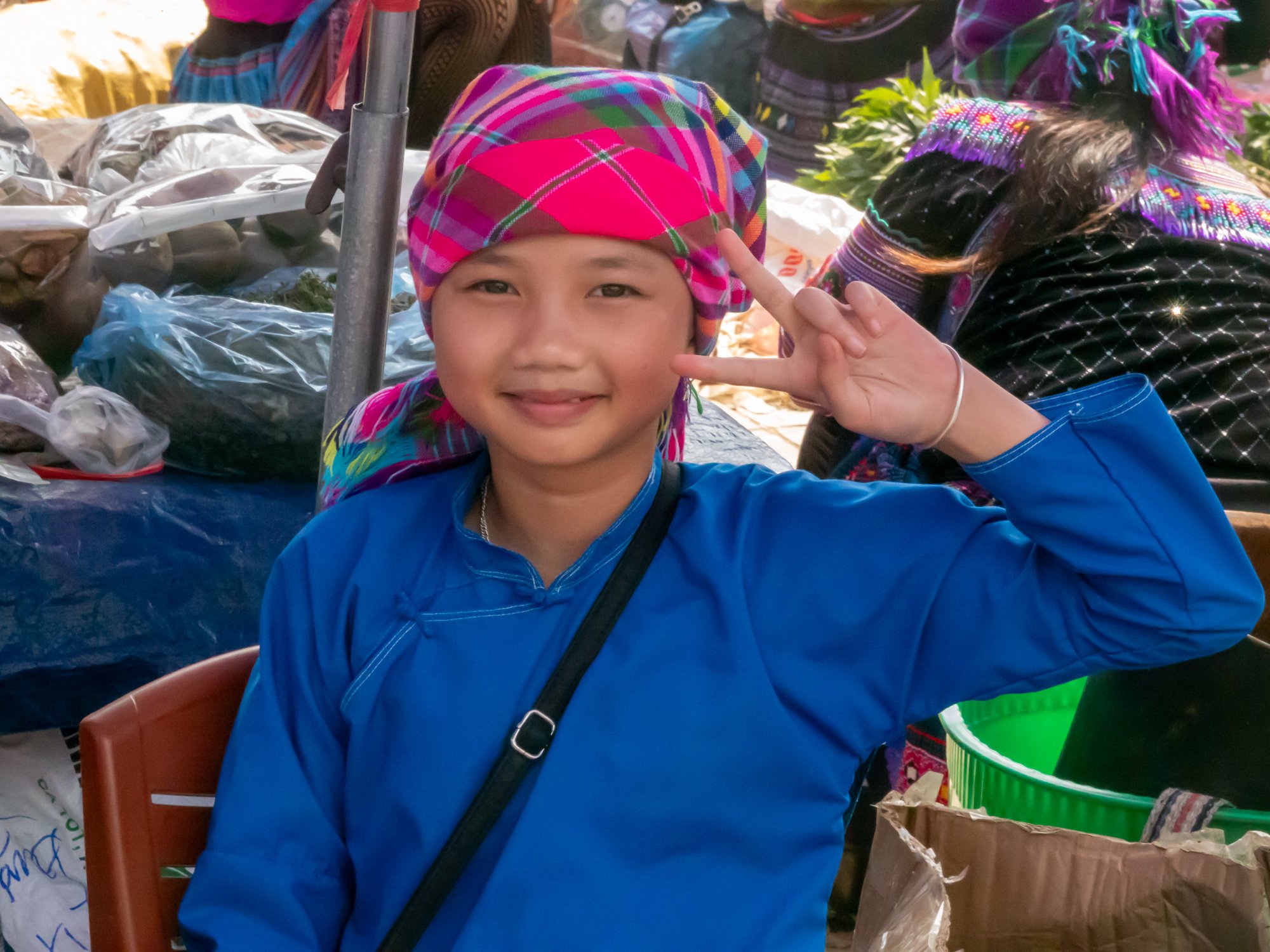
Friendly Hmong girl working at the market
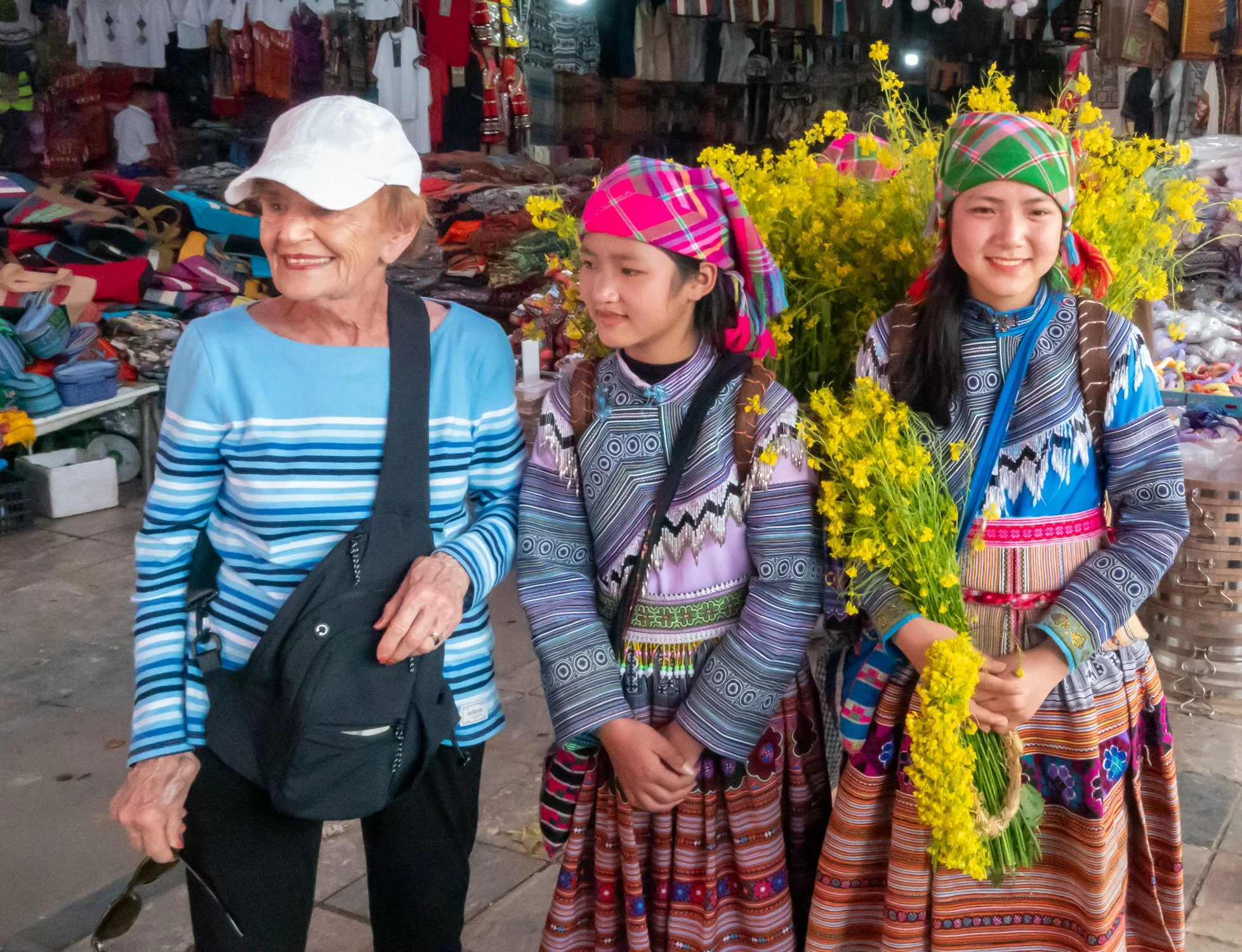
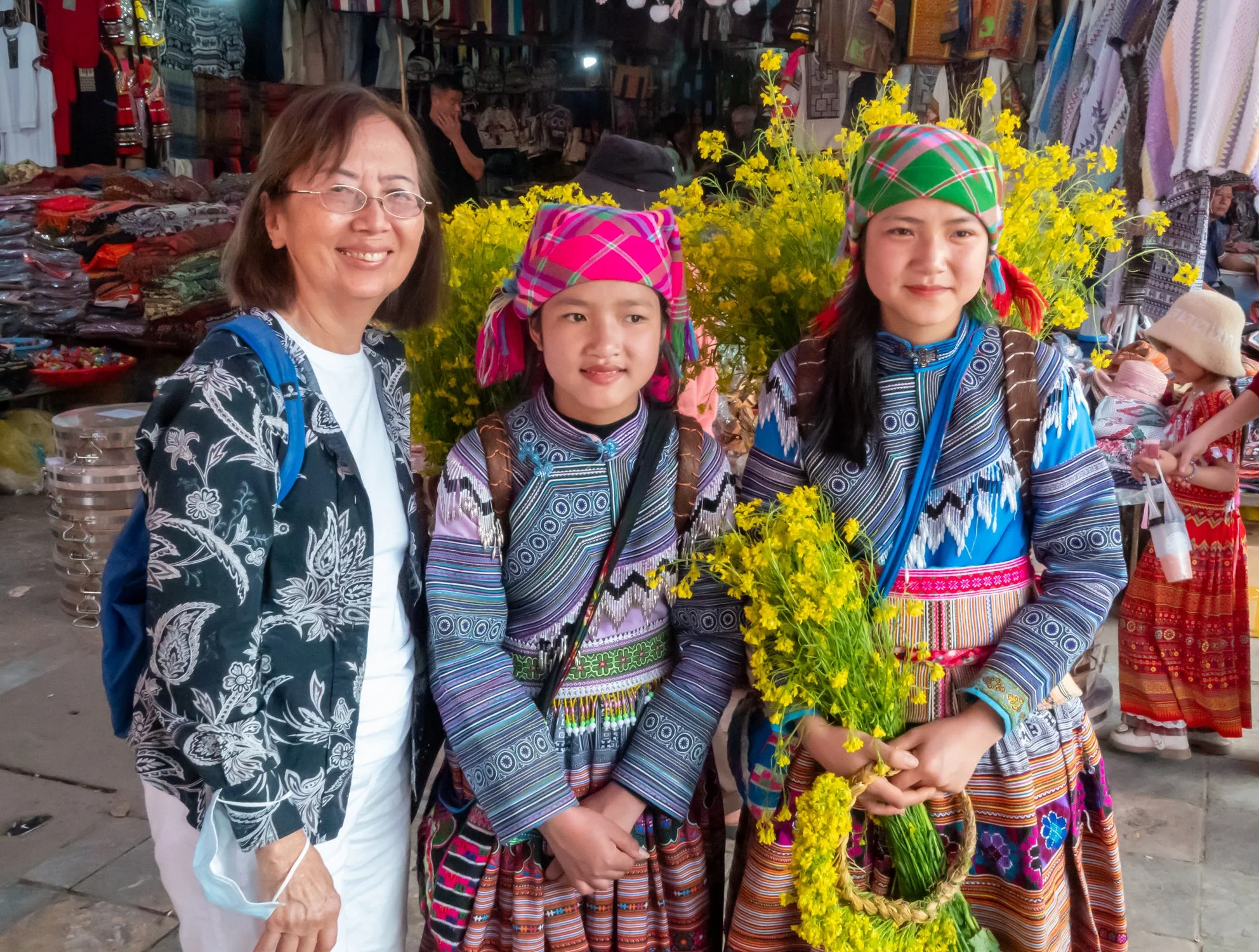
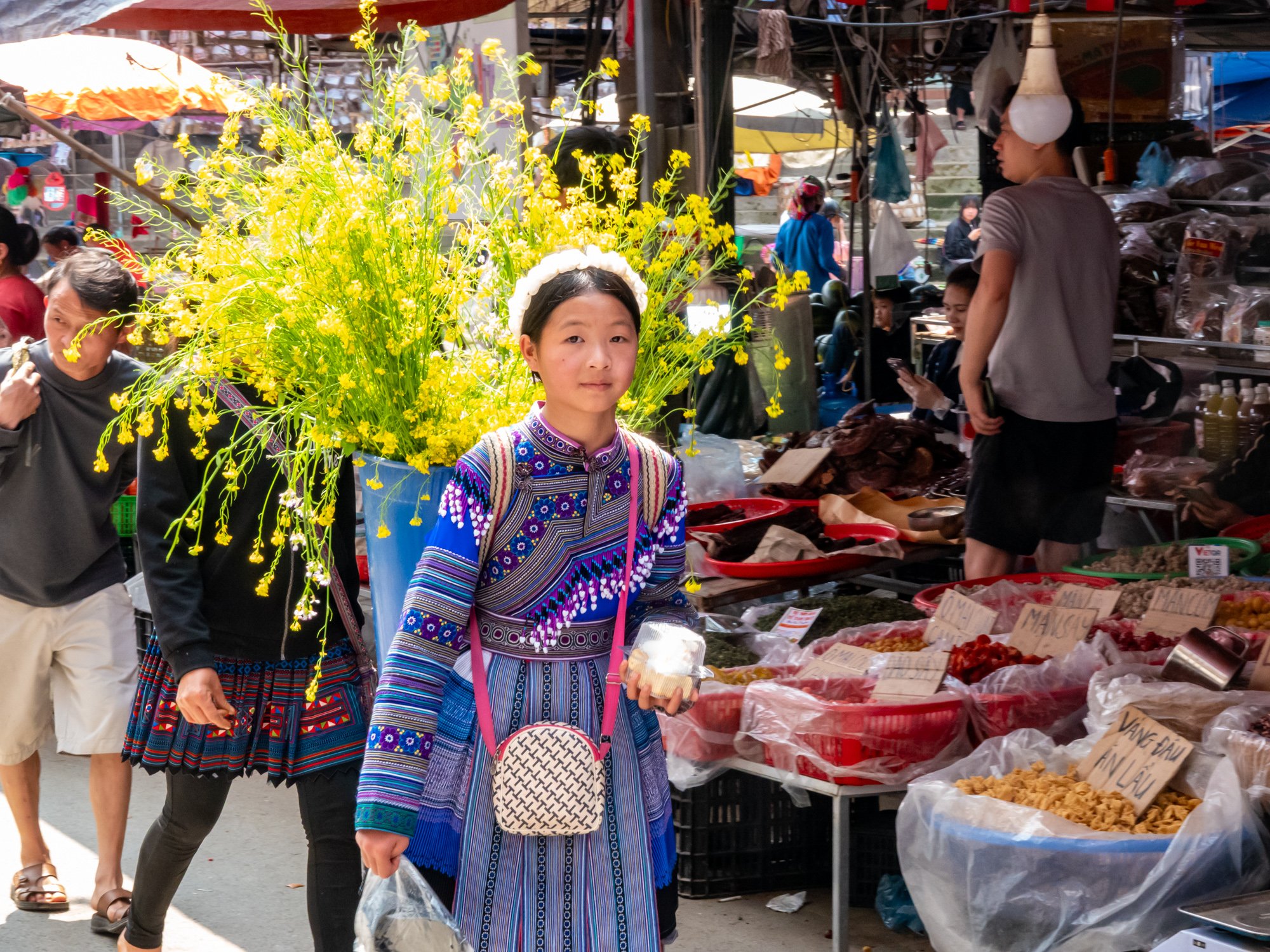
Flowers for sale!!
Hoang A Tuong Palace
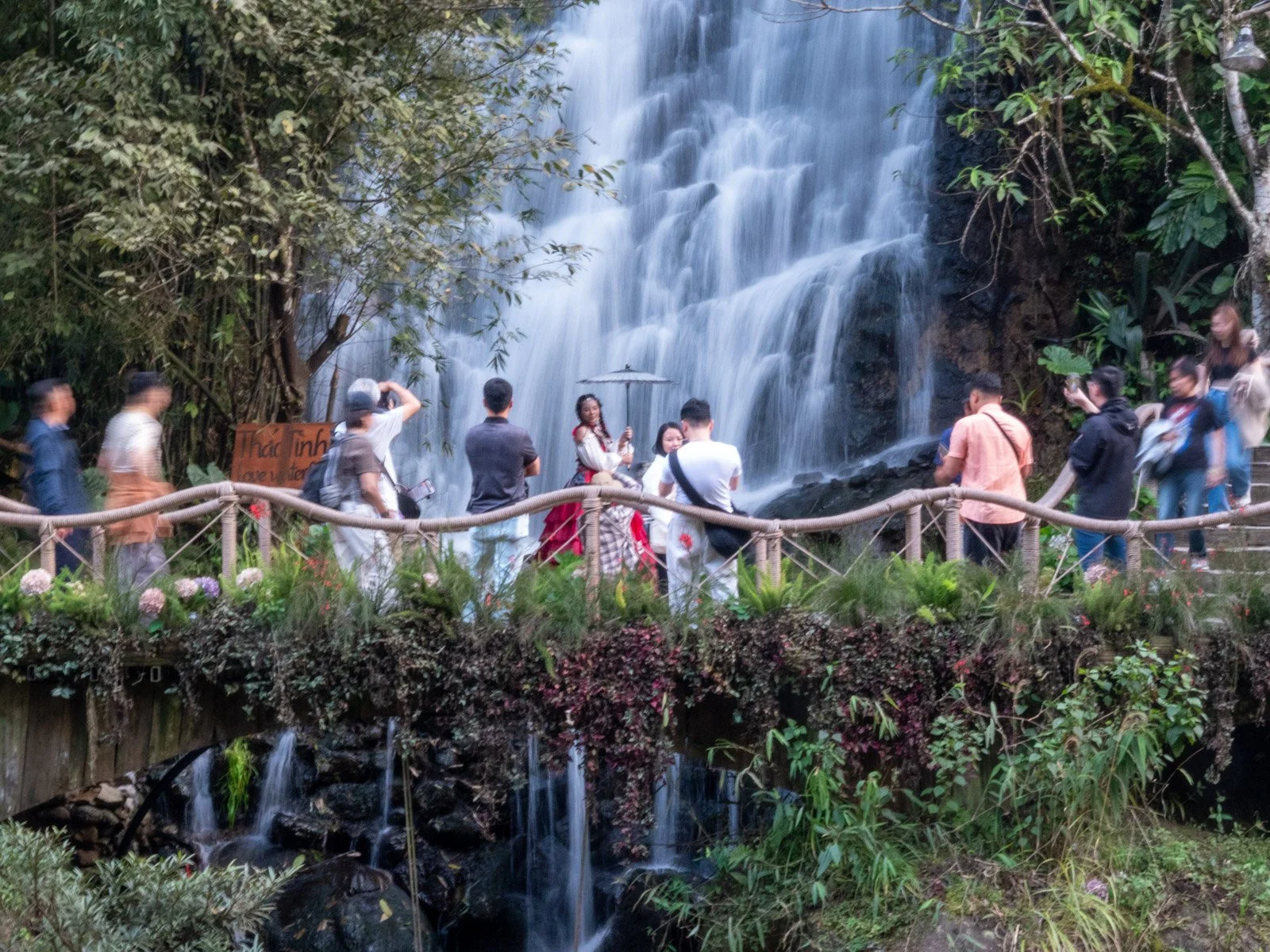
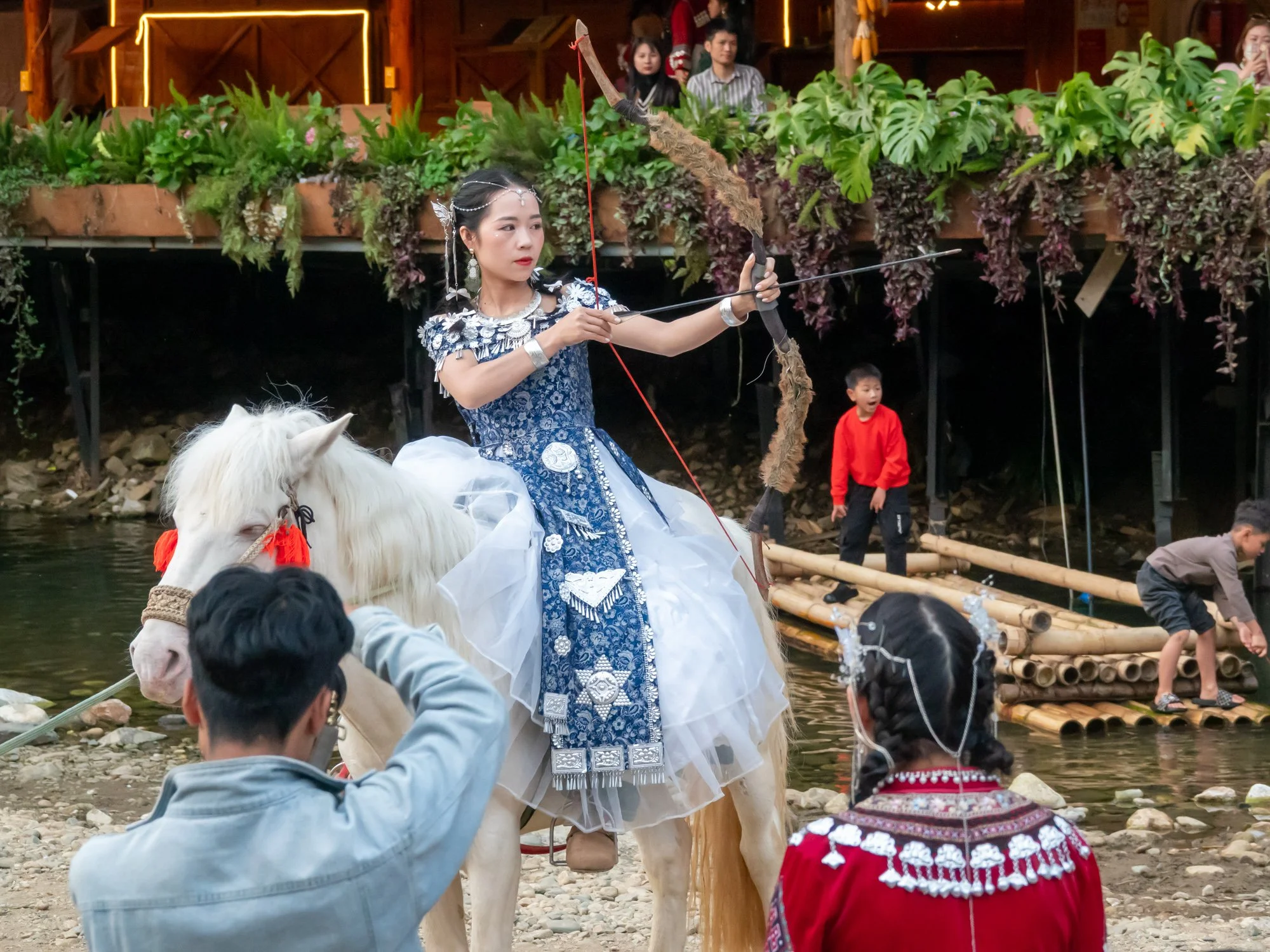
Cat cat village
Cat Cat village is a popular tourist destination near Sapa. It purports to be a genuine Hmong village but it’s really all reconstructed and staged for tourists and not authentic. The environment is lovely with a pair of waterfalls and the Muong Hoa Stream in a picturesque valley.

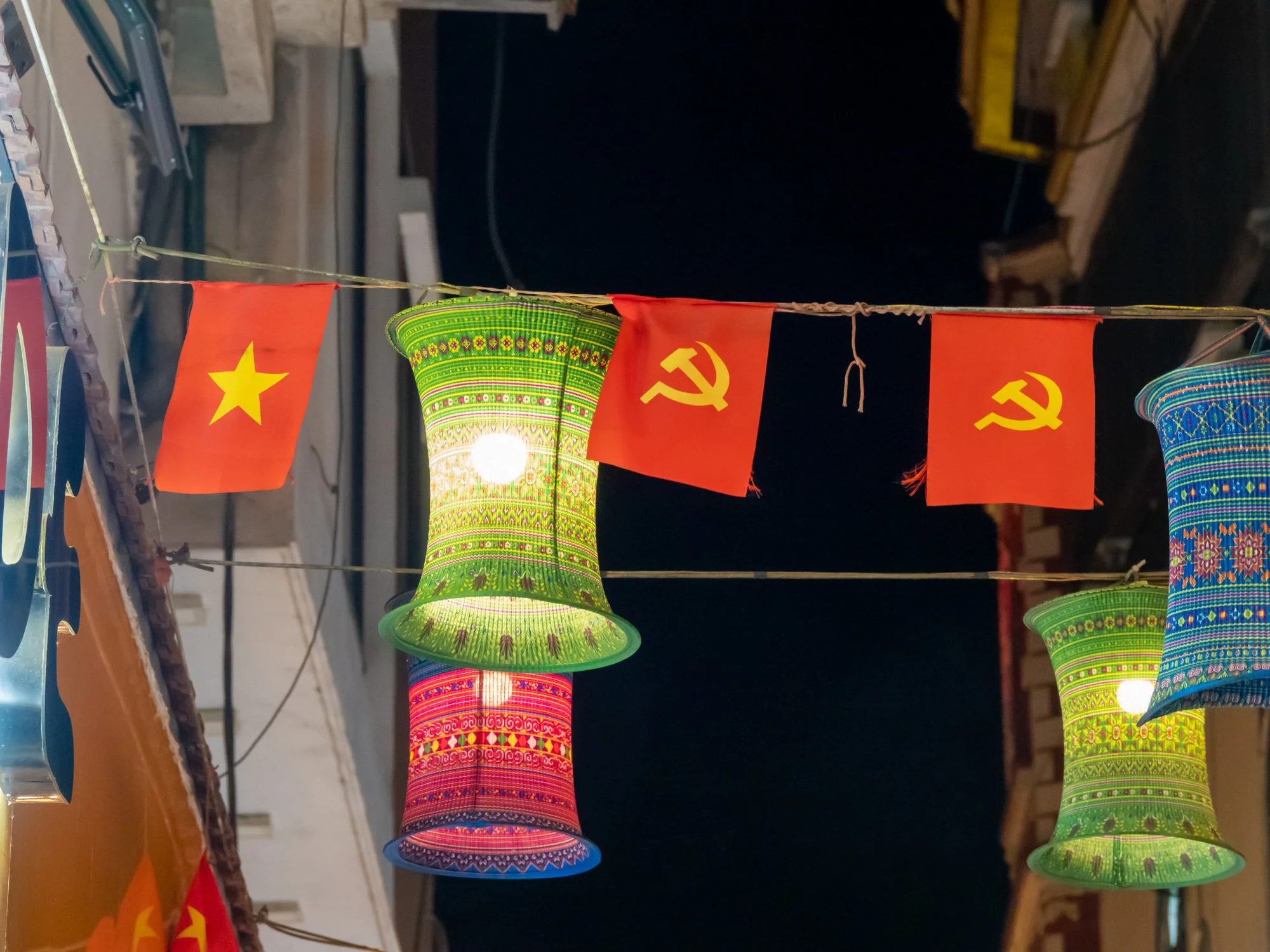
Lanterns are a popular decoration in Vietnam
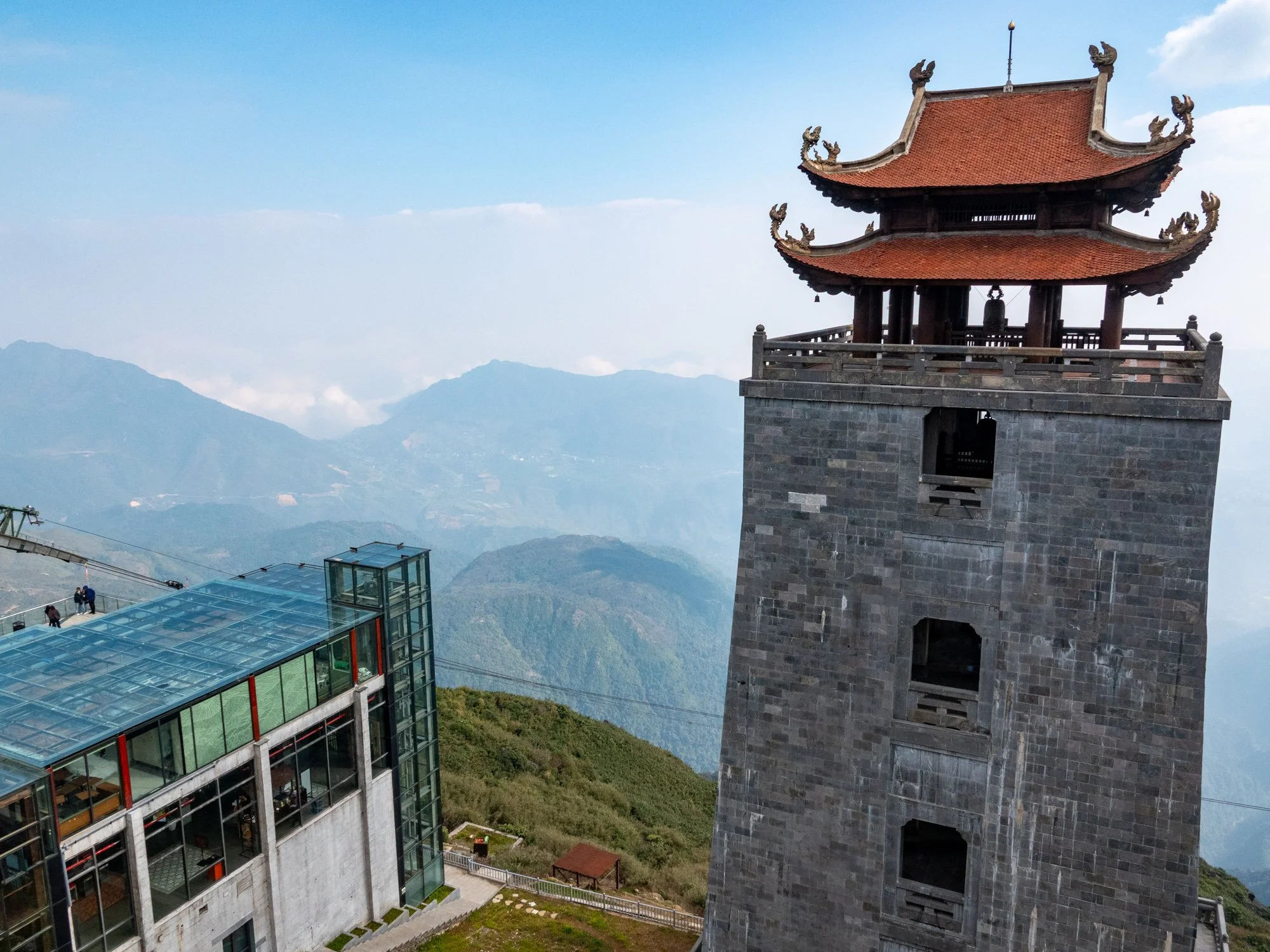
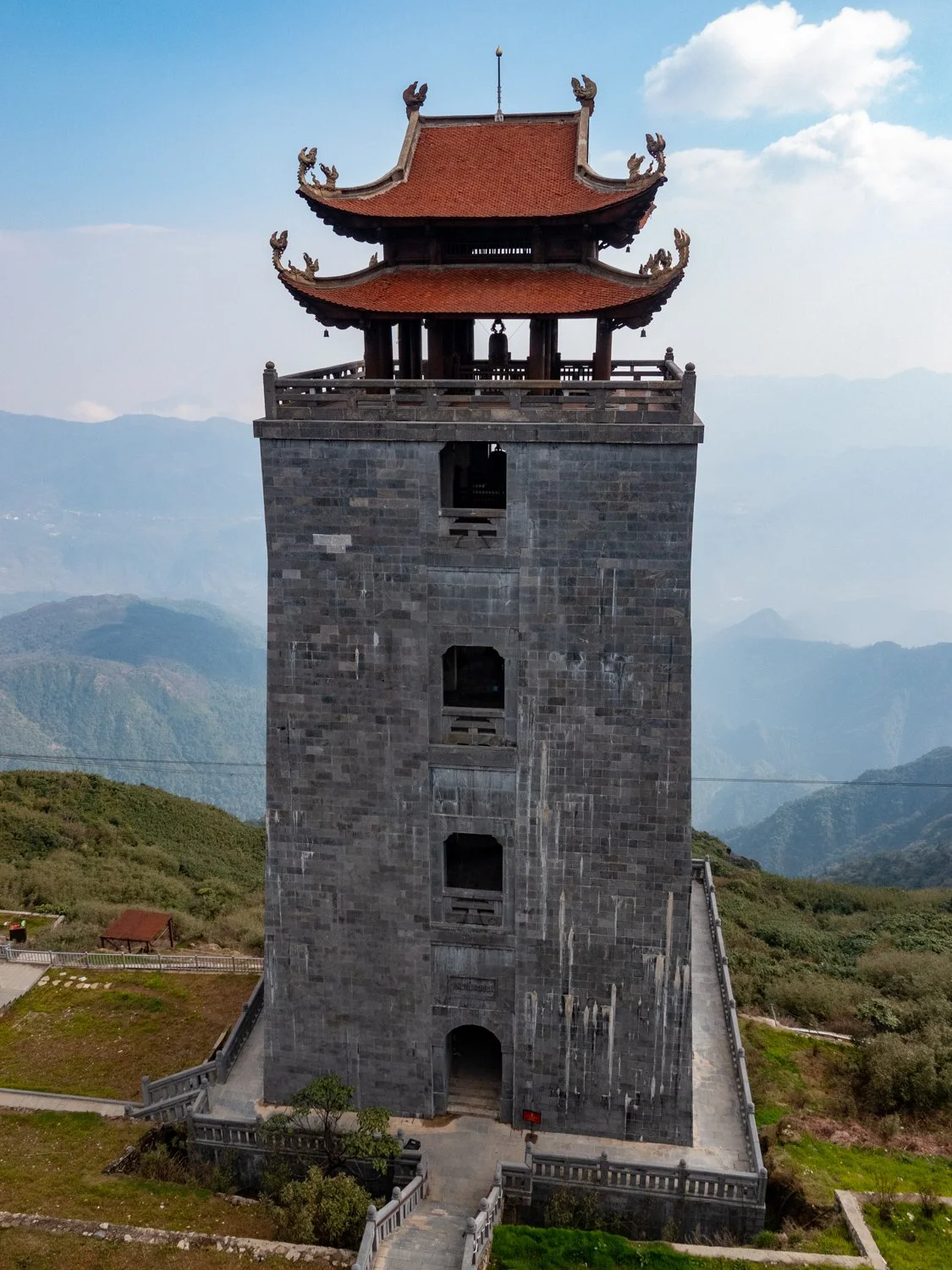
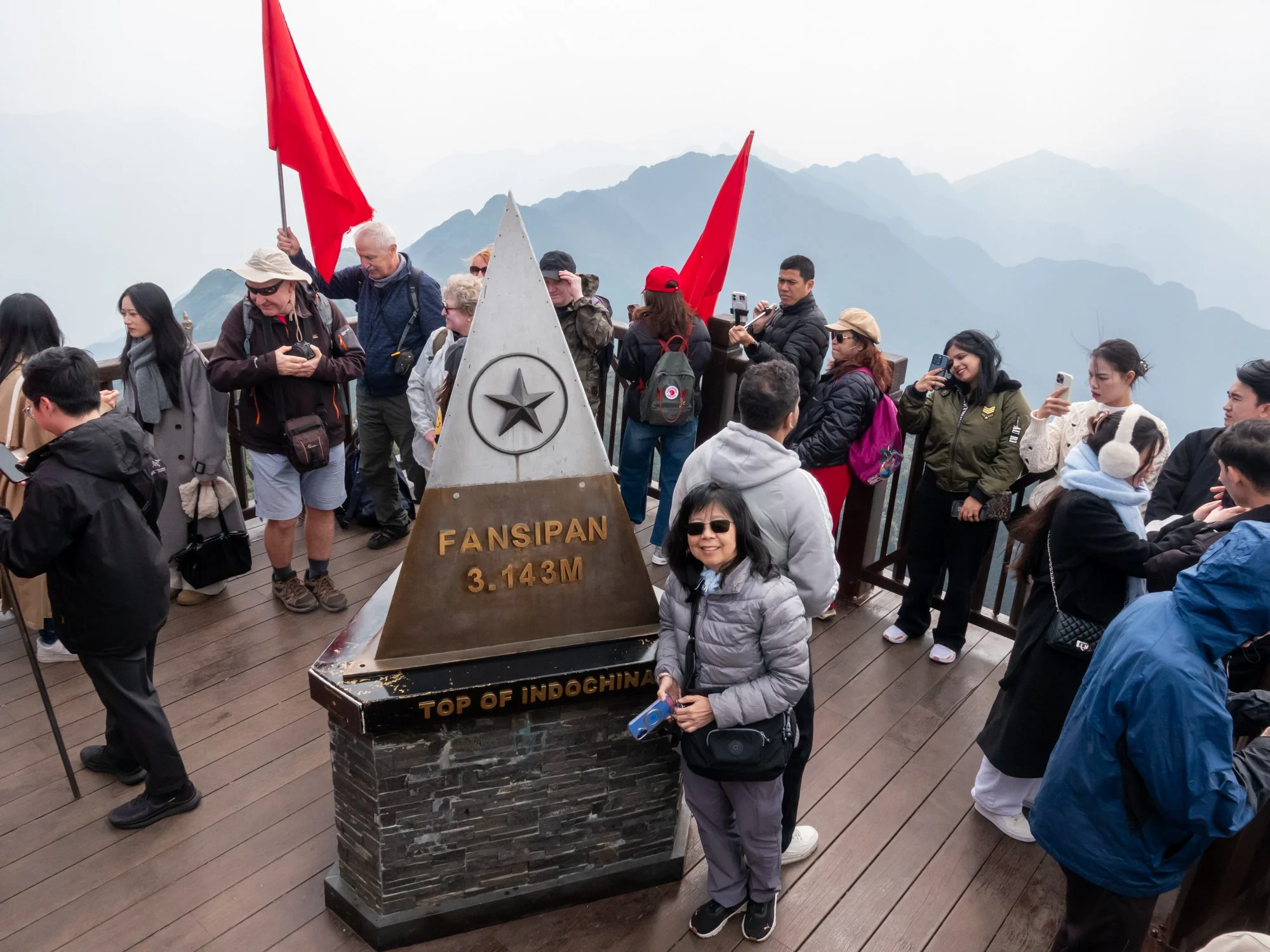
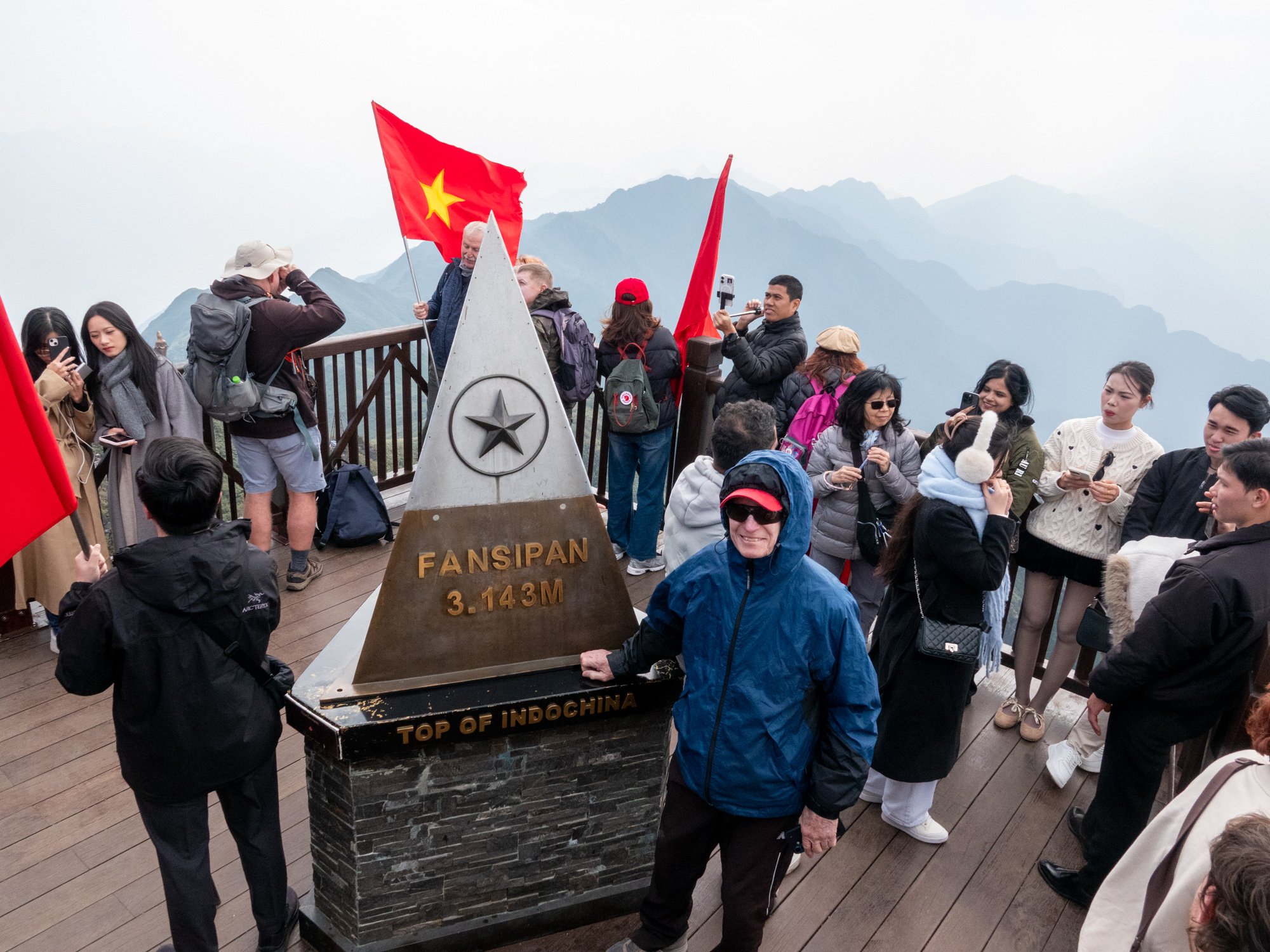
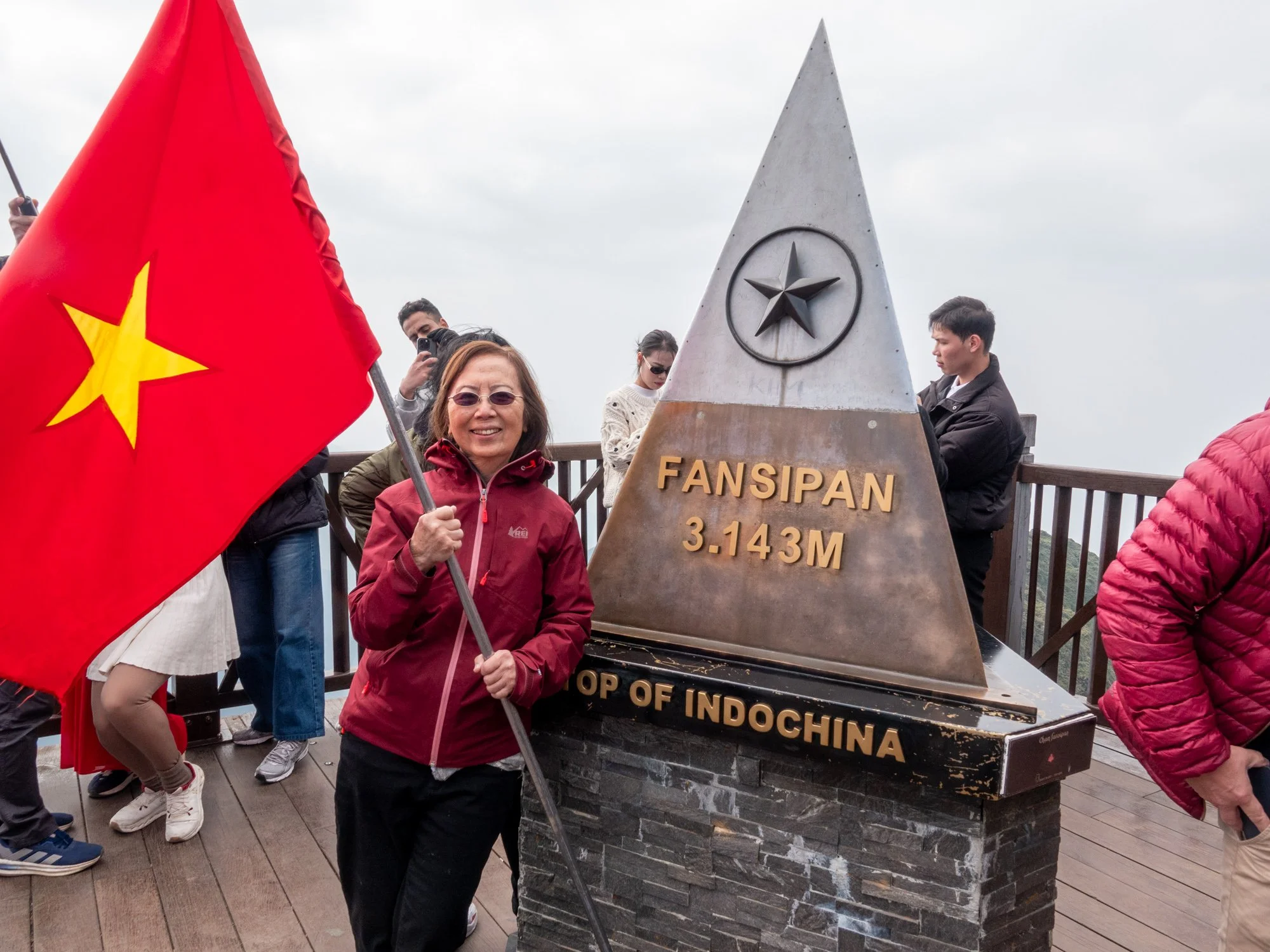
Fansipan
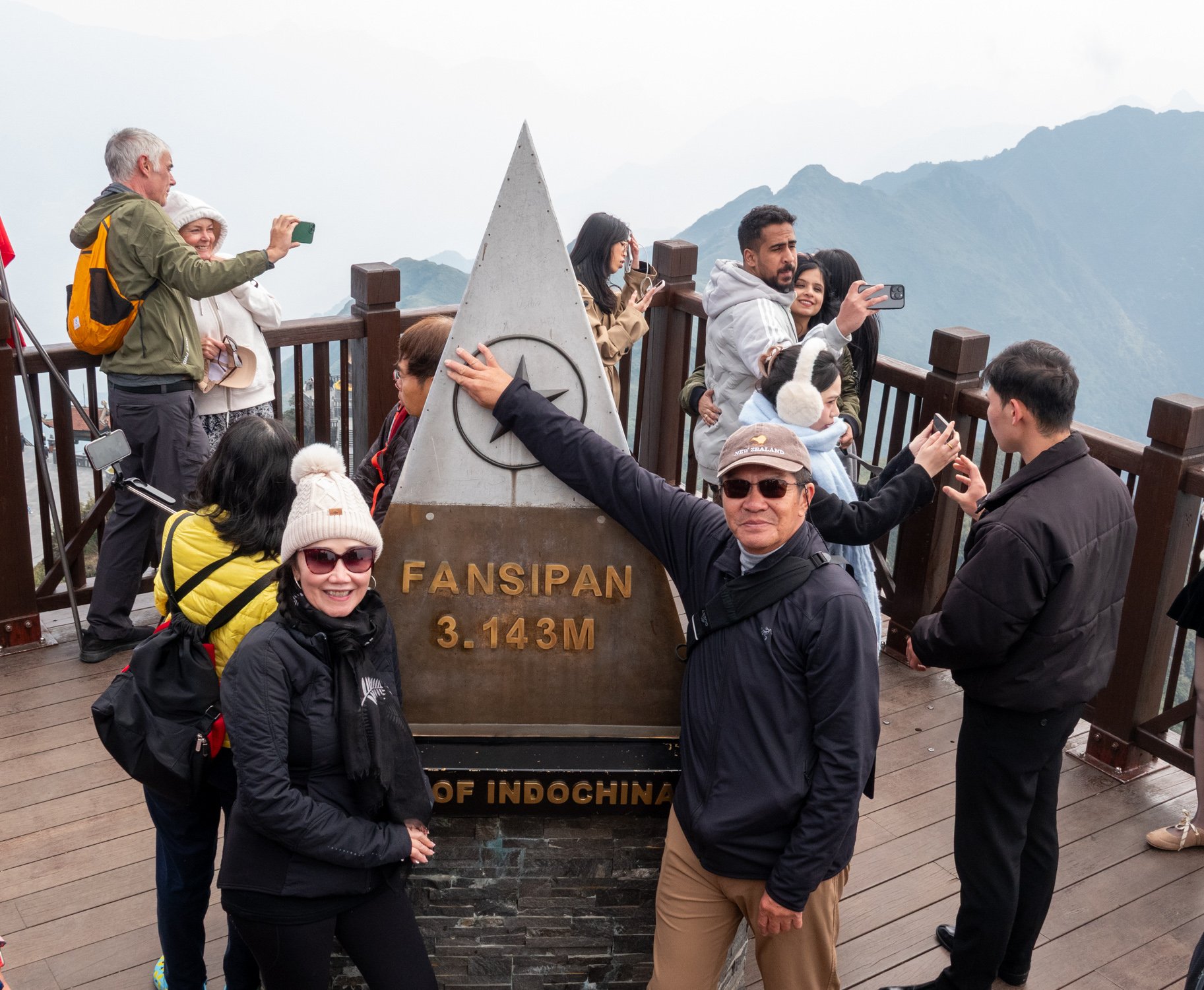
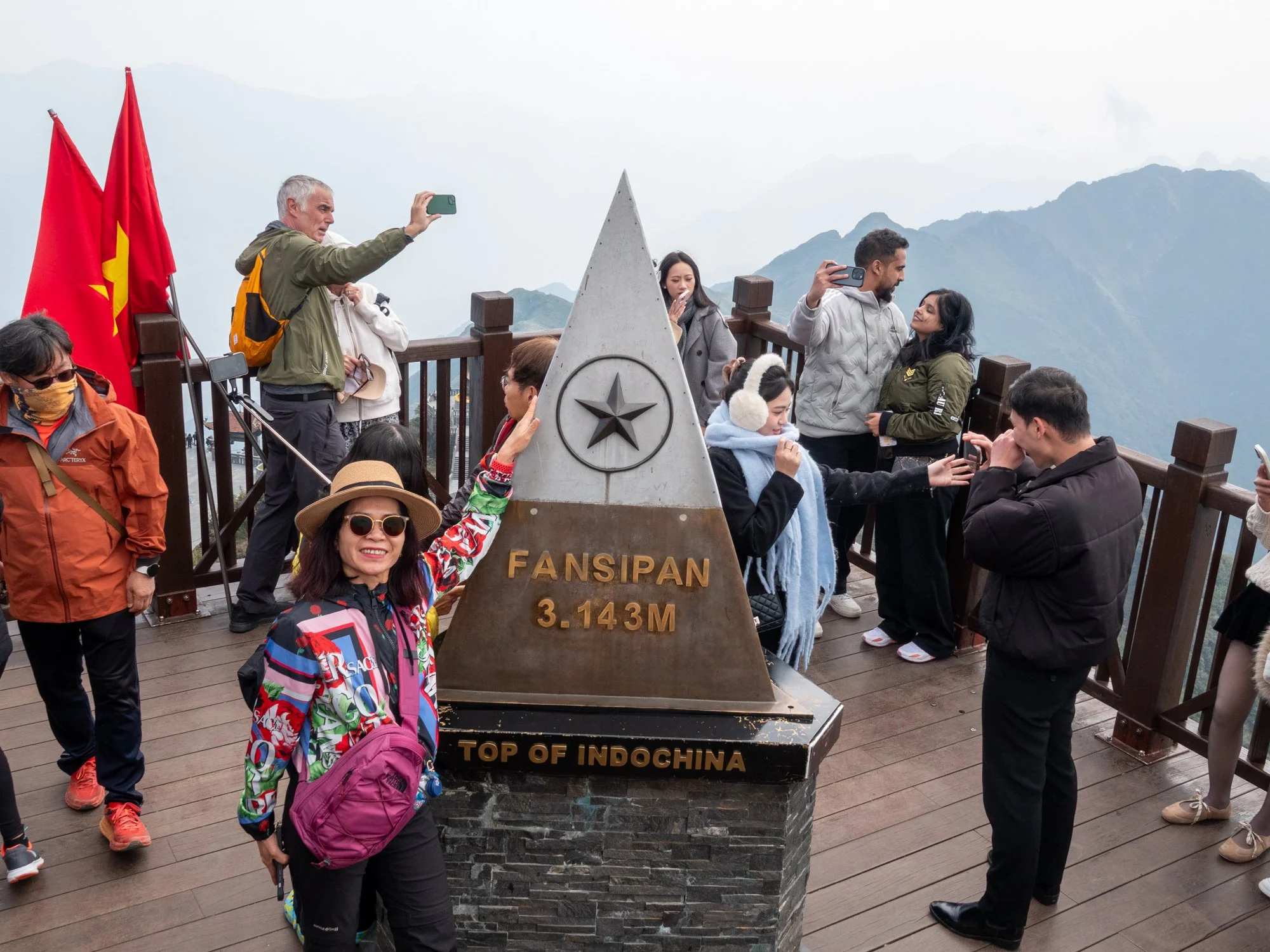
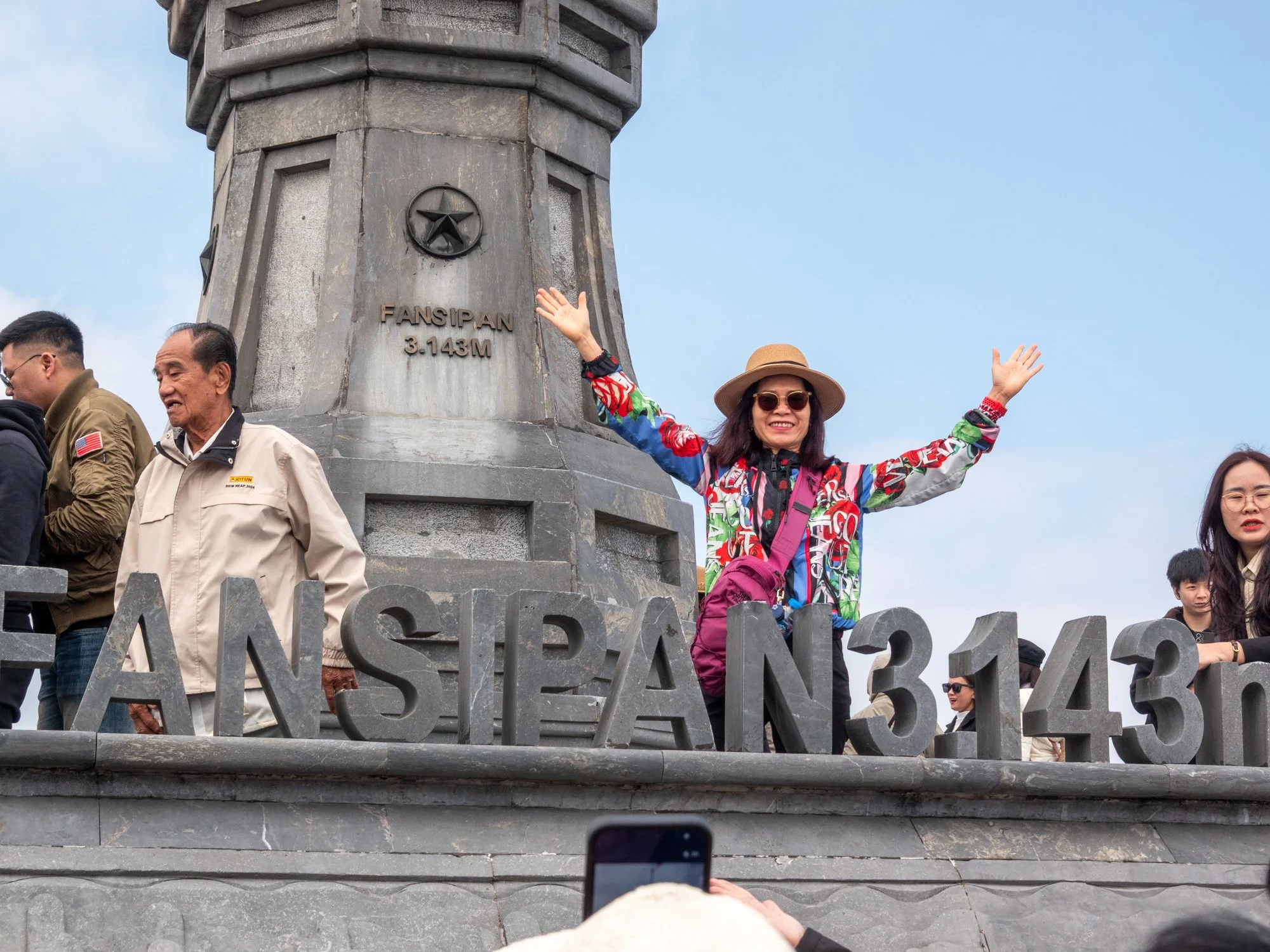
Fansipan is the highest mountain in the Indochinese peninsula (comprising Vietnam, Laos and Cambodia) and is known as the roof of Indochina. The cable car holds the world record for longest and greatest elevation change for a non-stop, three cable car service.
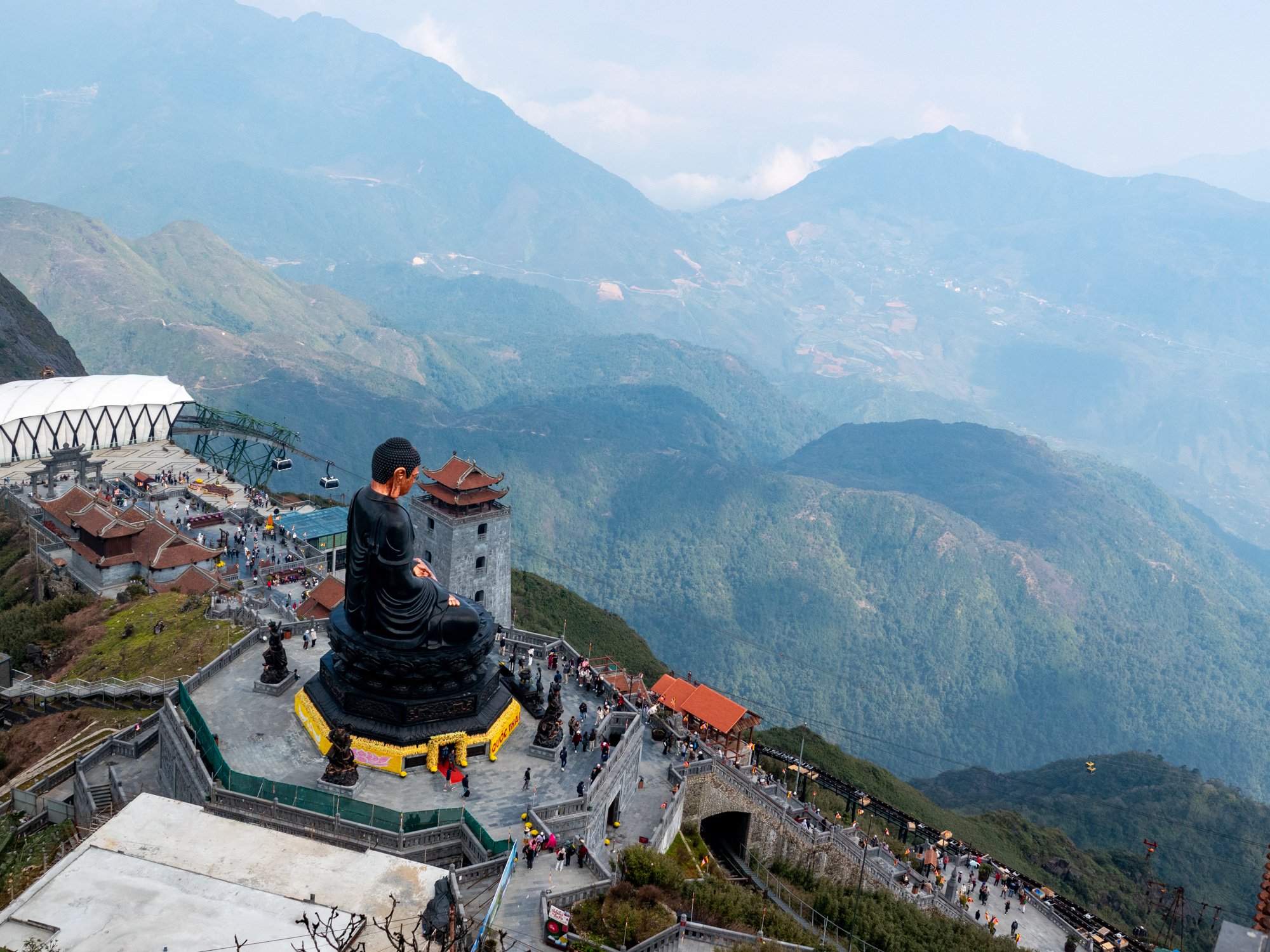
View from the top
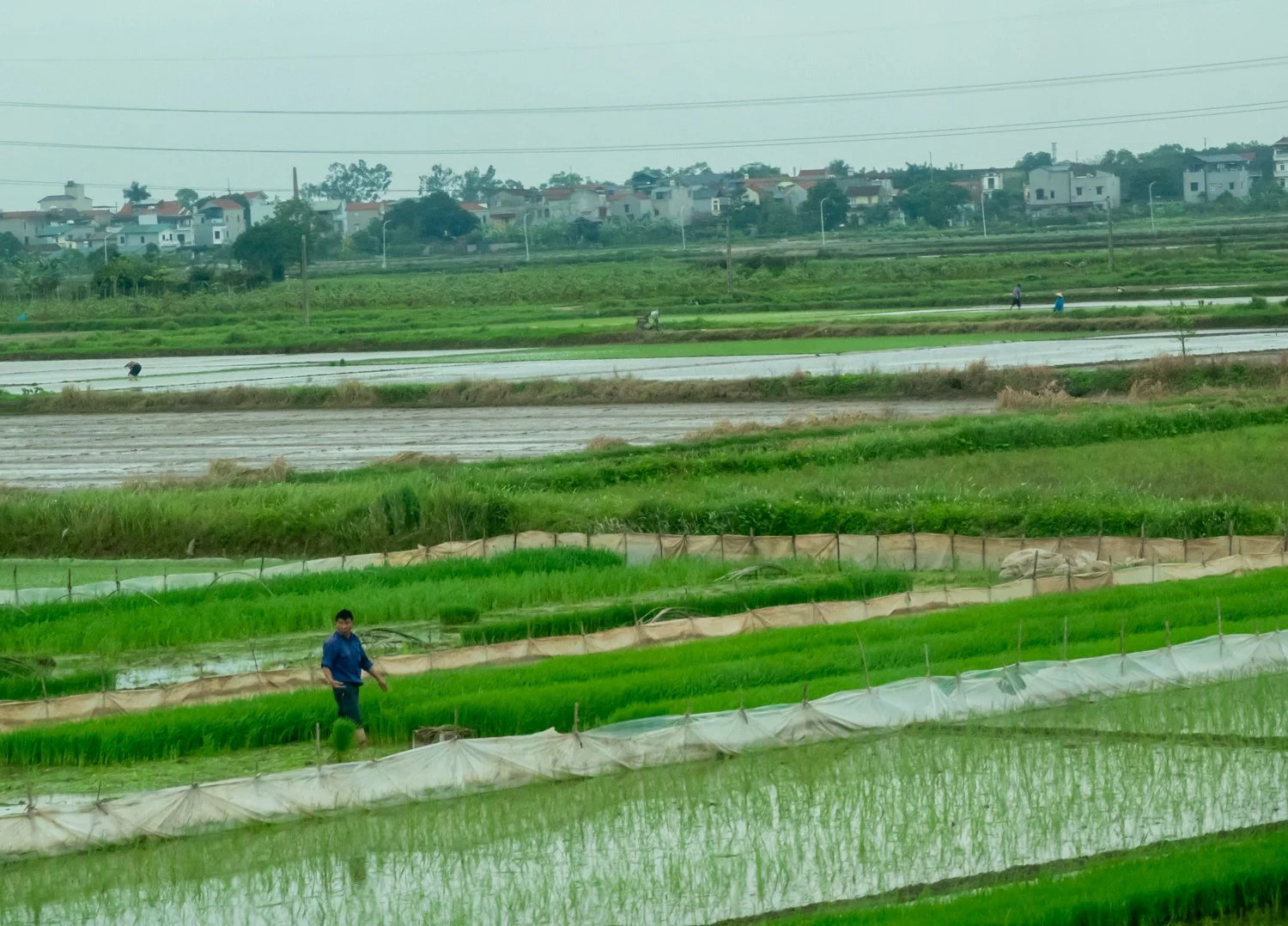
Rice fields are a common sight all over the country.
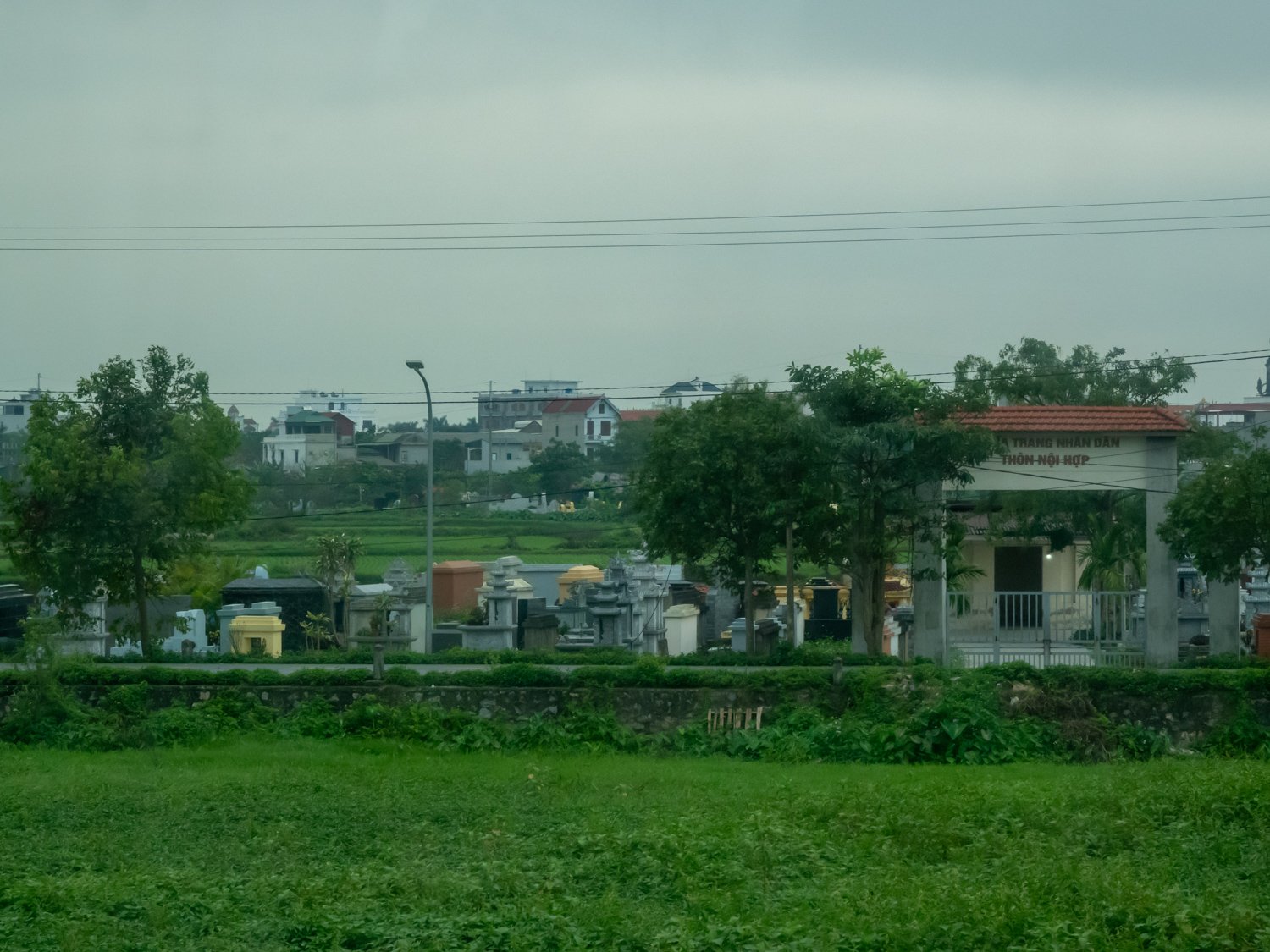
All of the small farming communities have ground set aside for a cemetery.
Ninh Binh
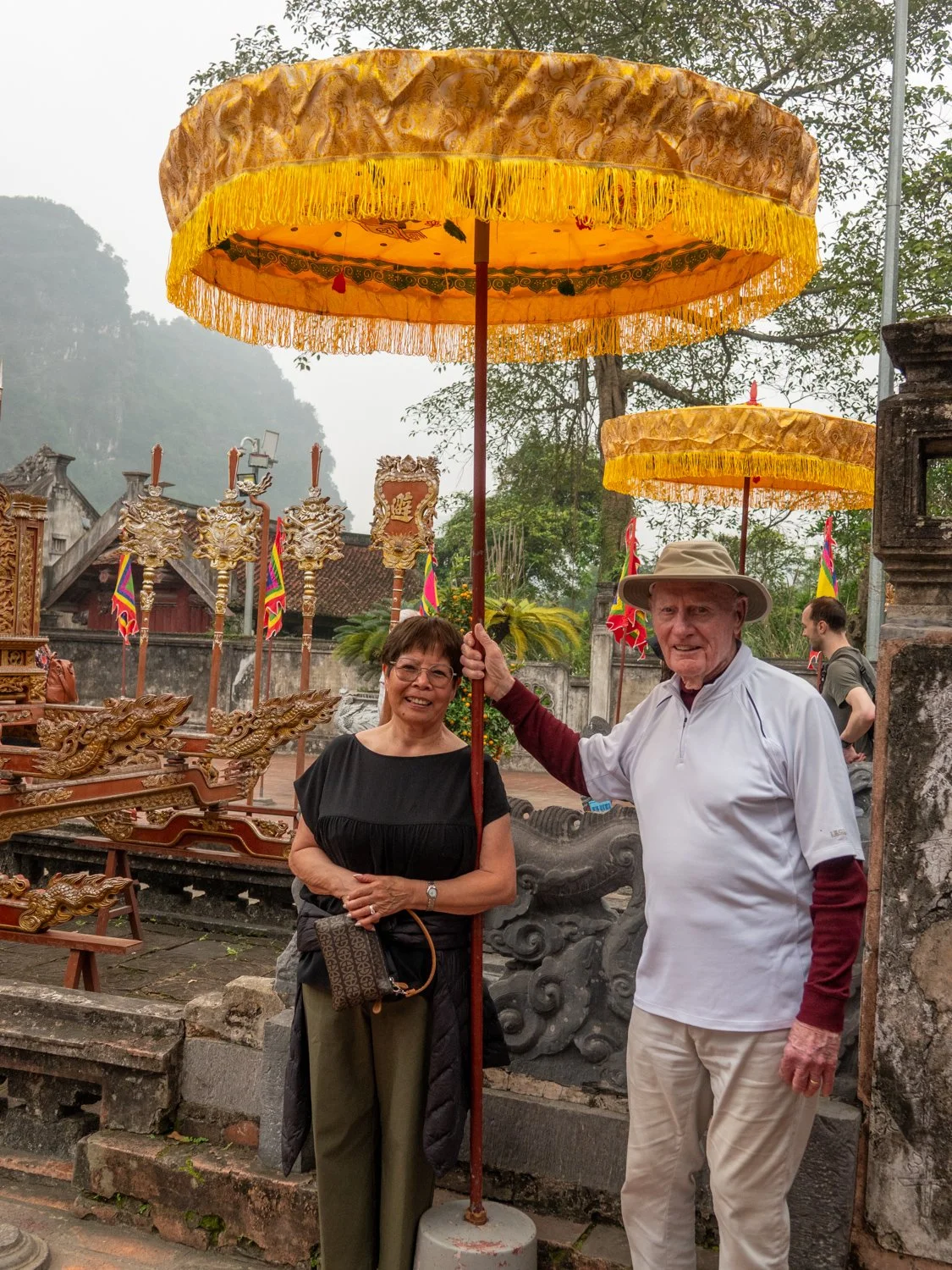
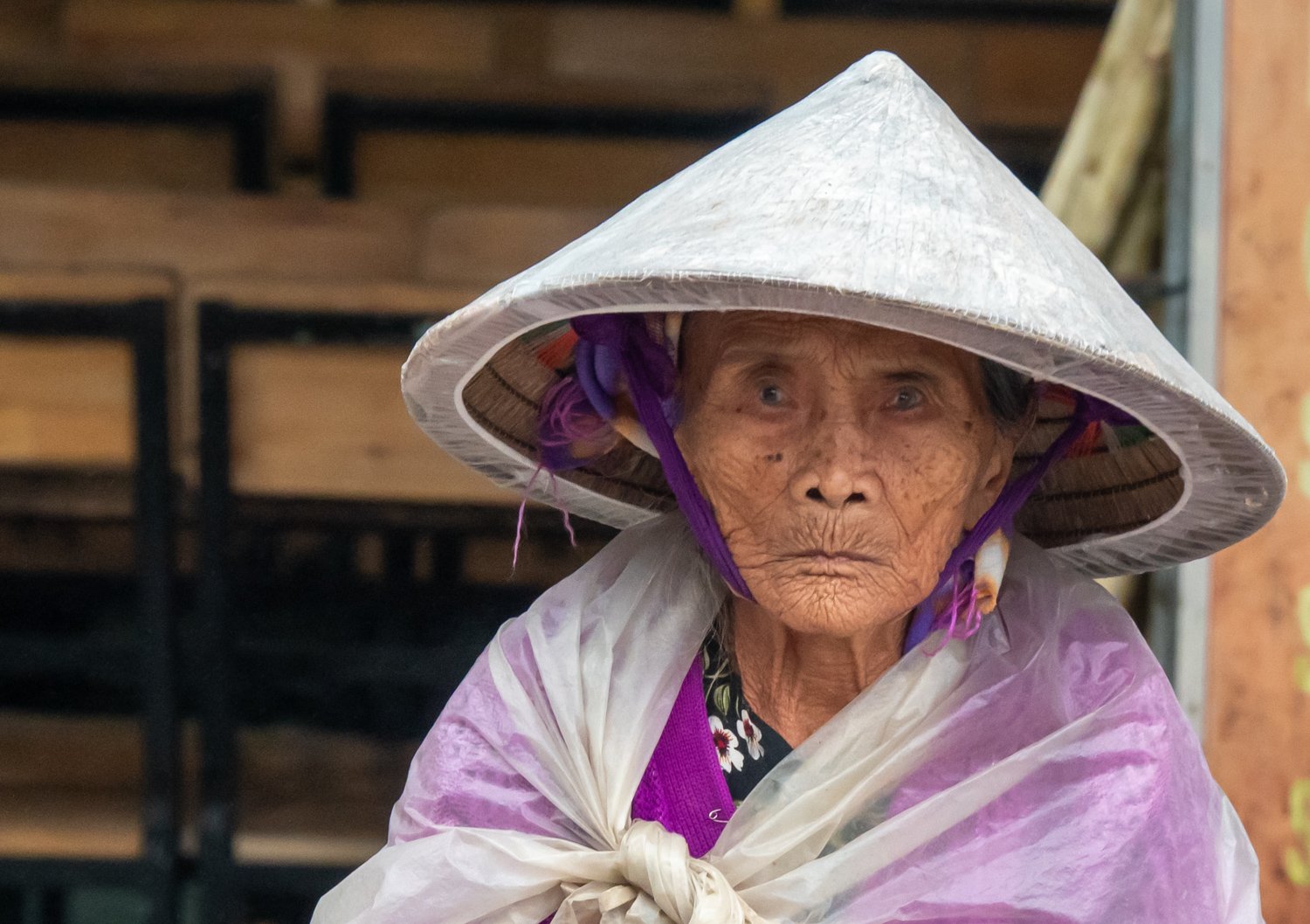
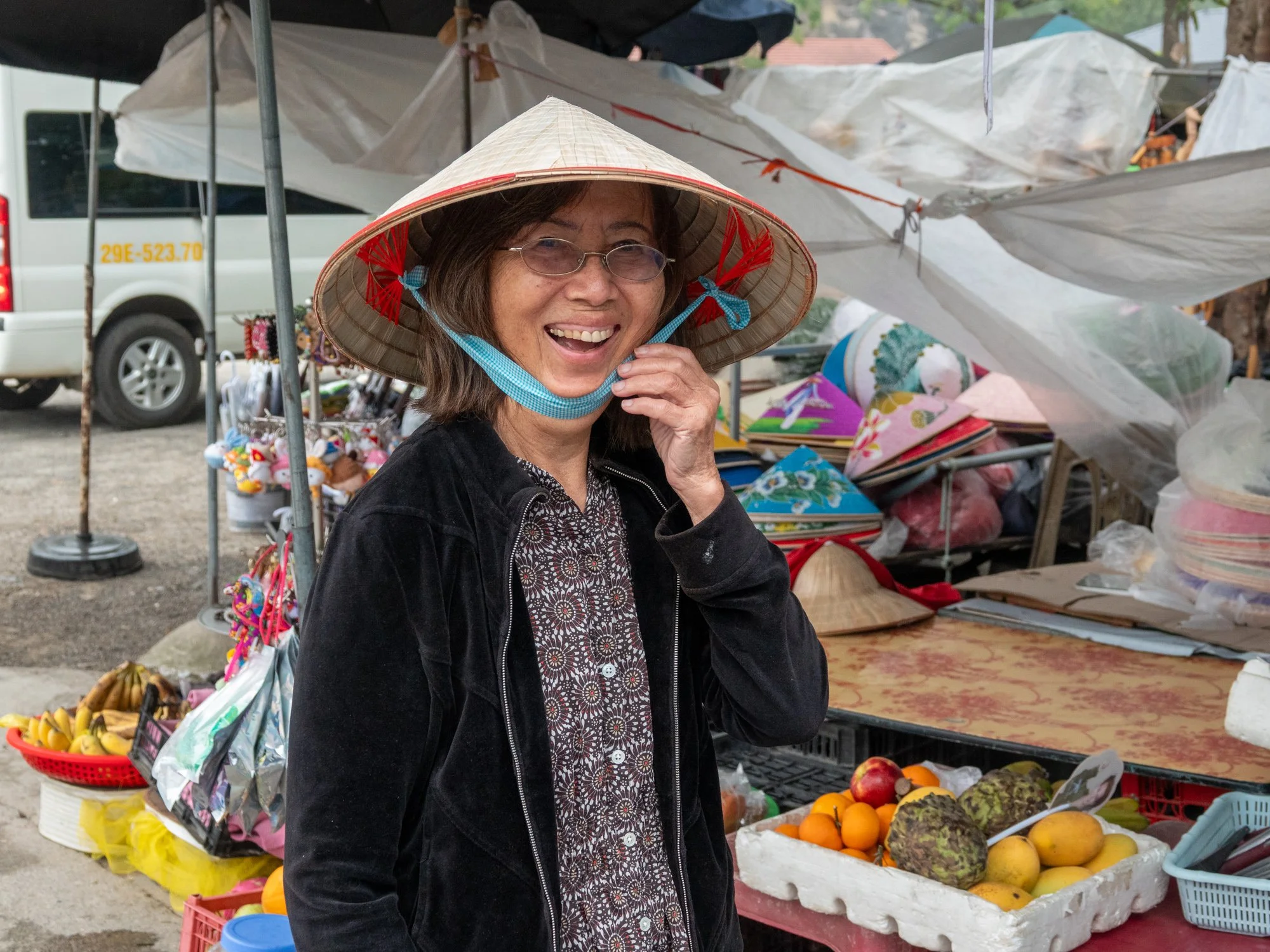
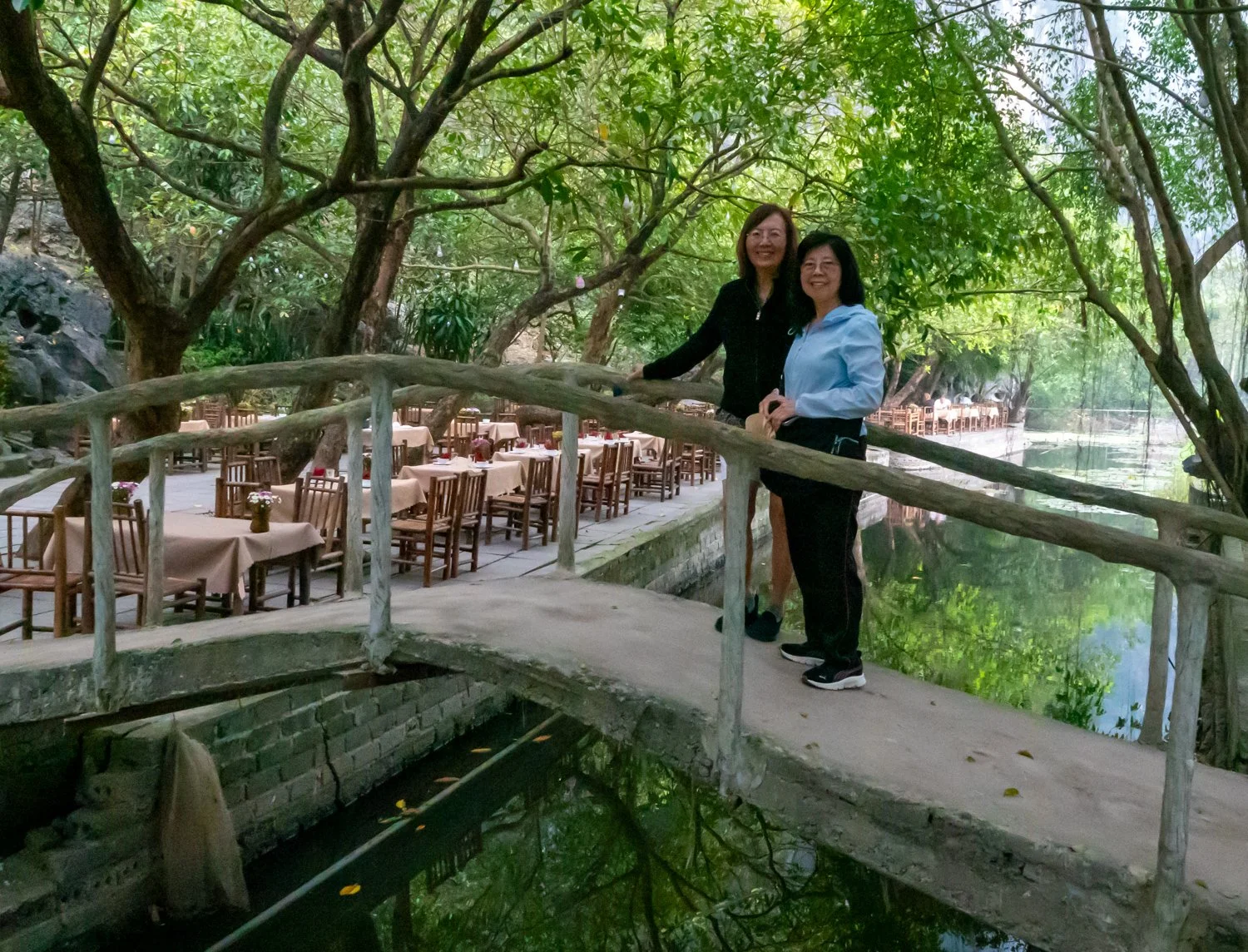
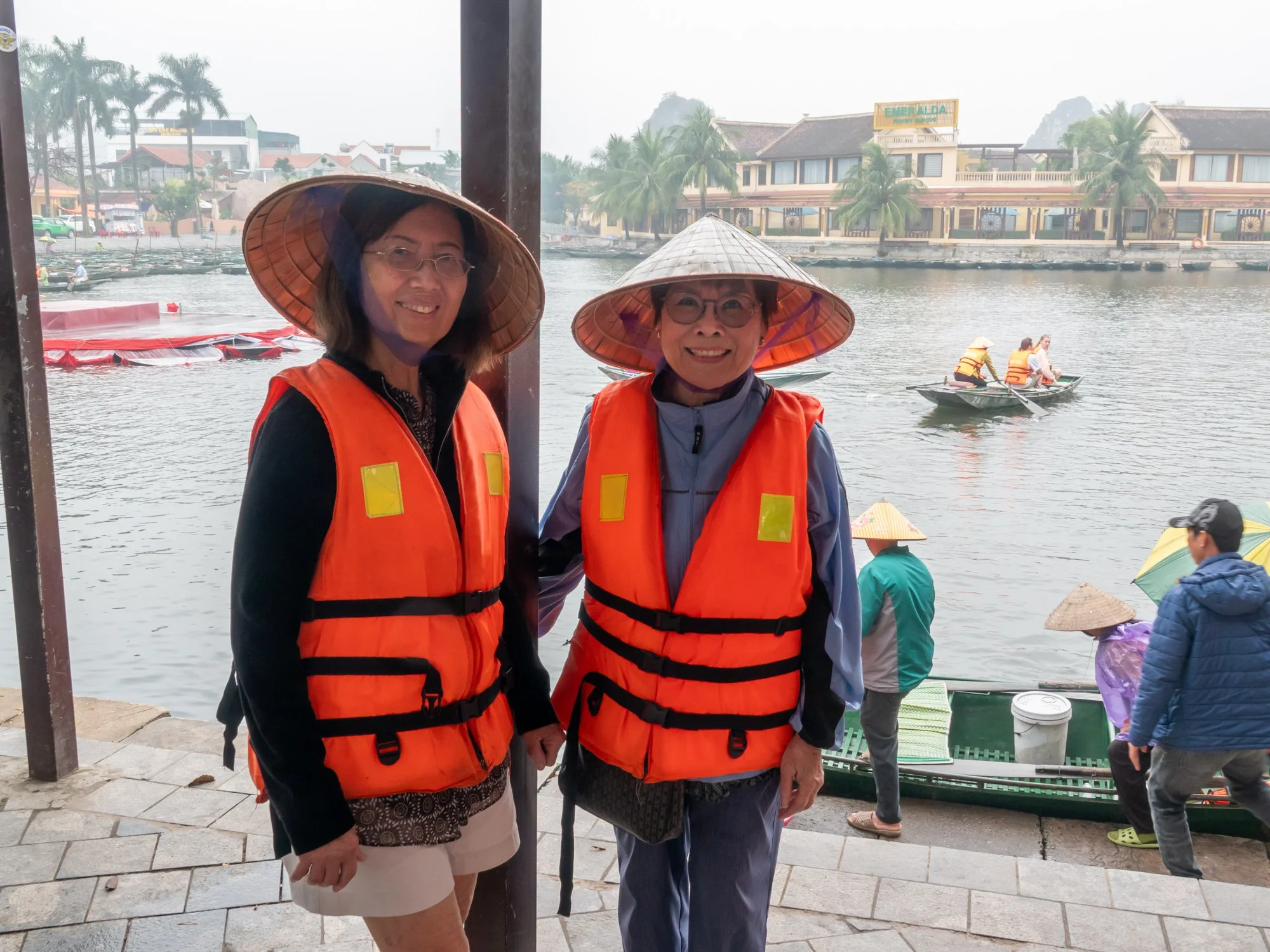
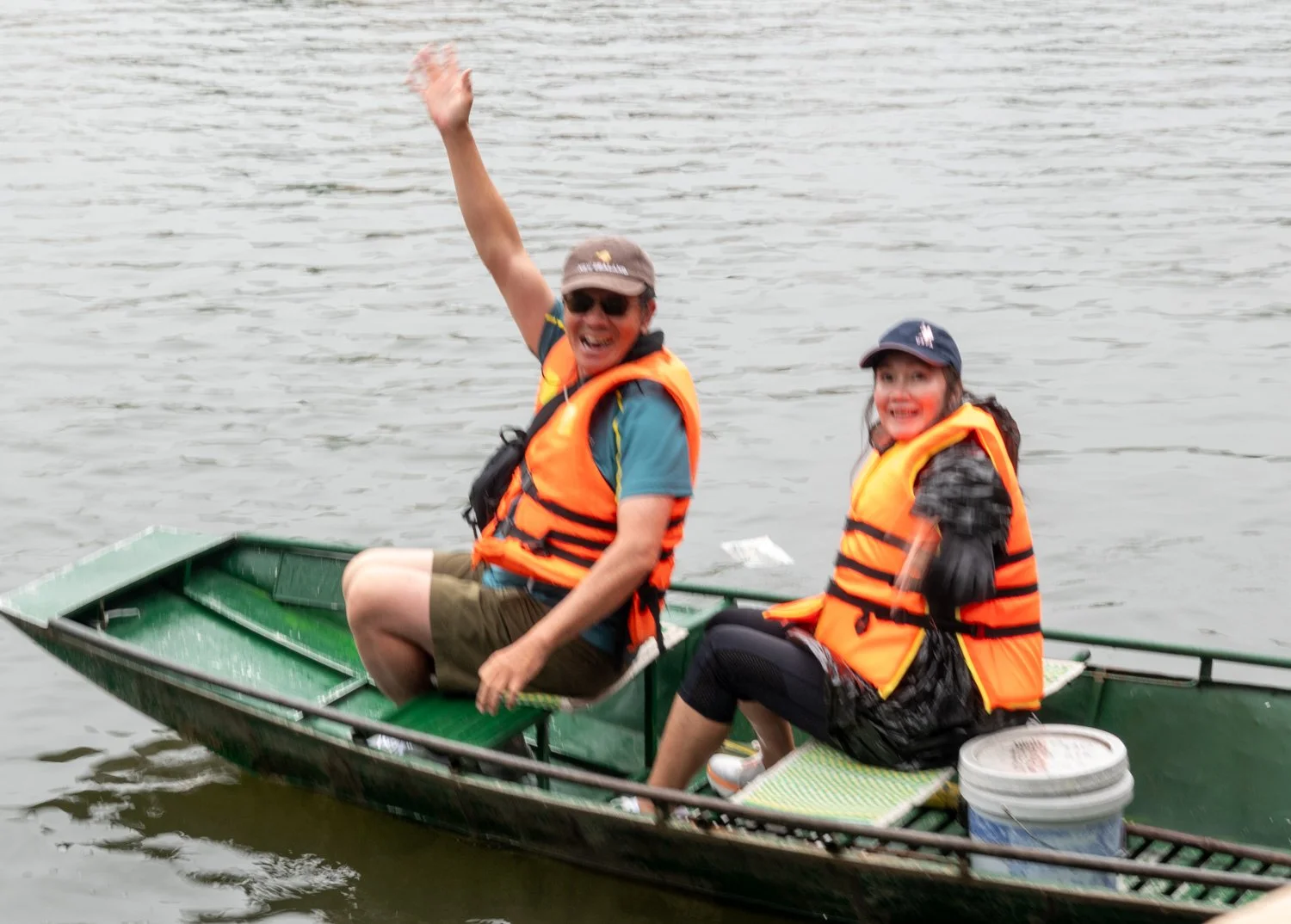
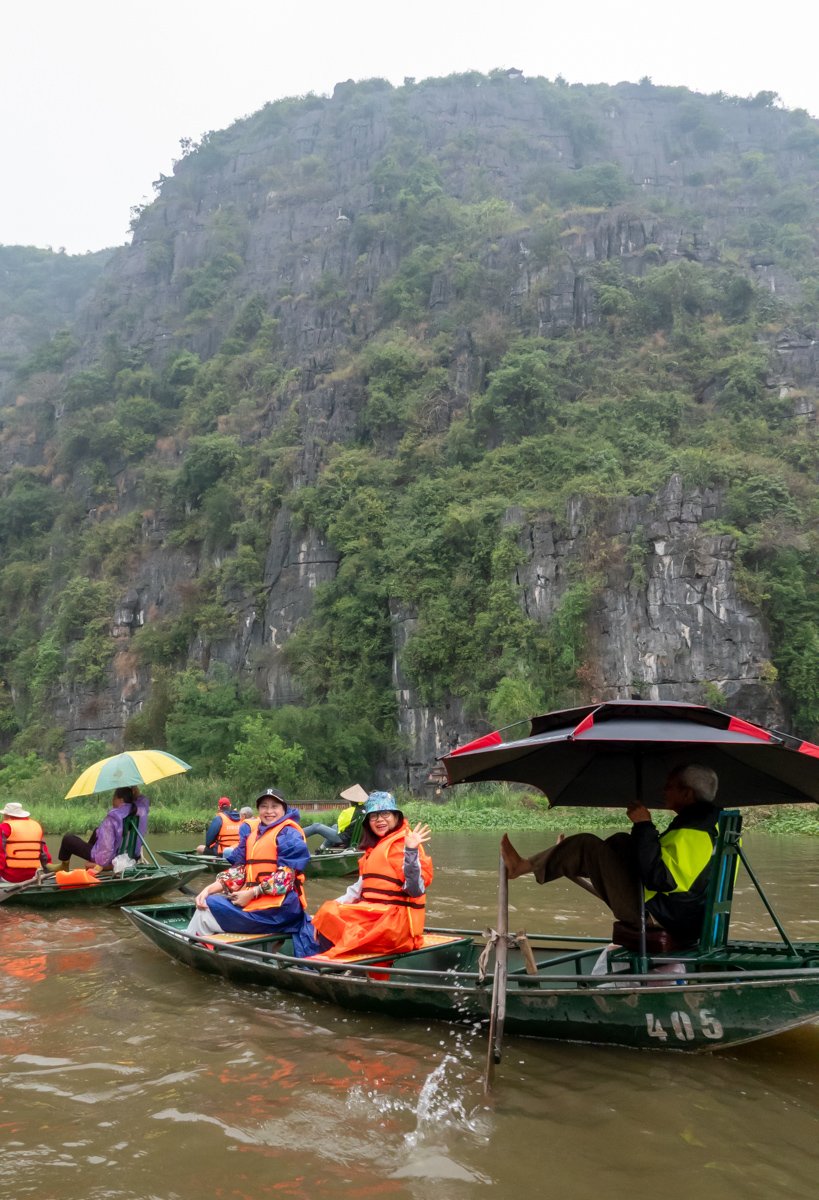
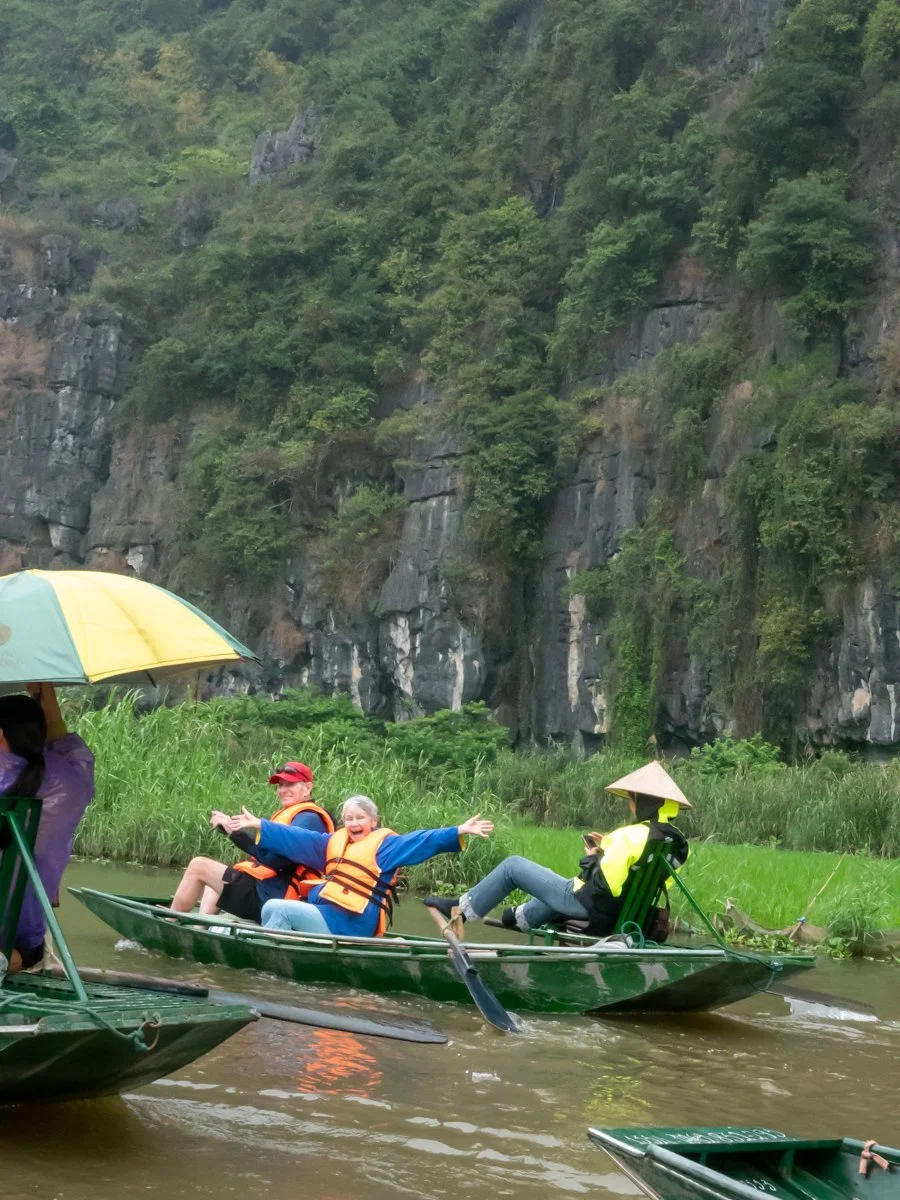
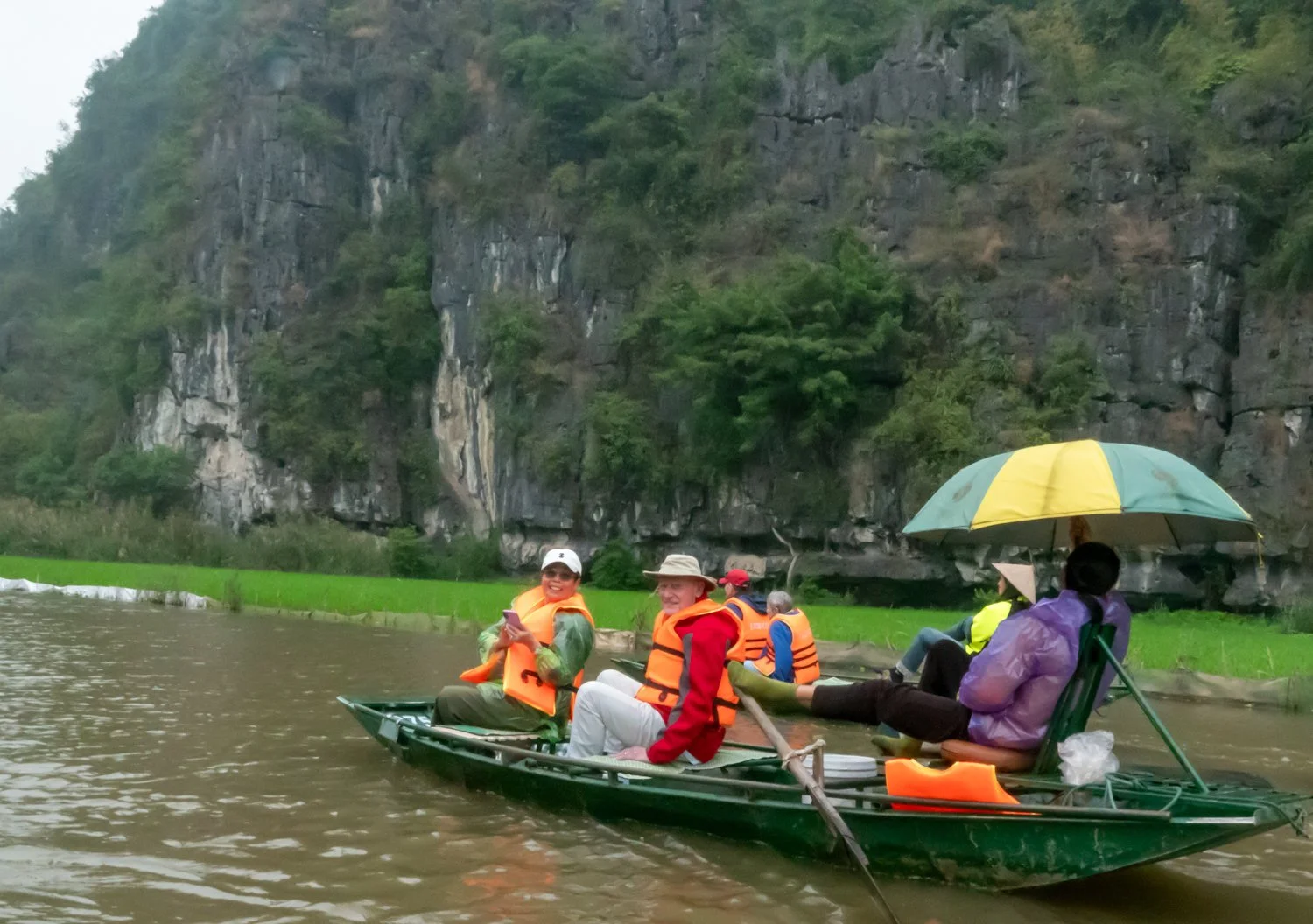
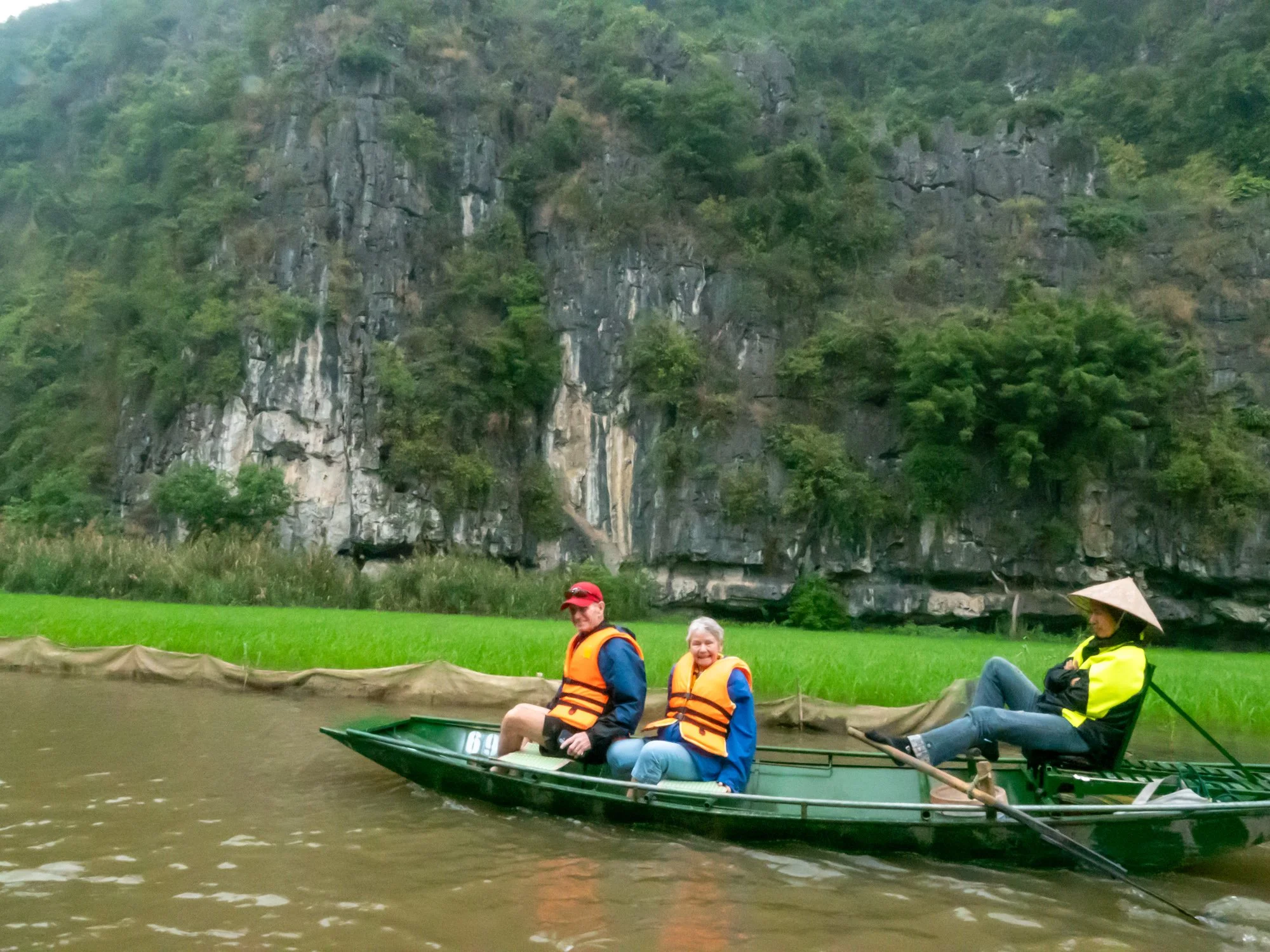
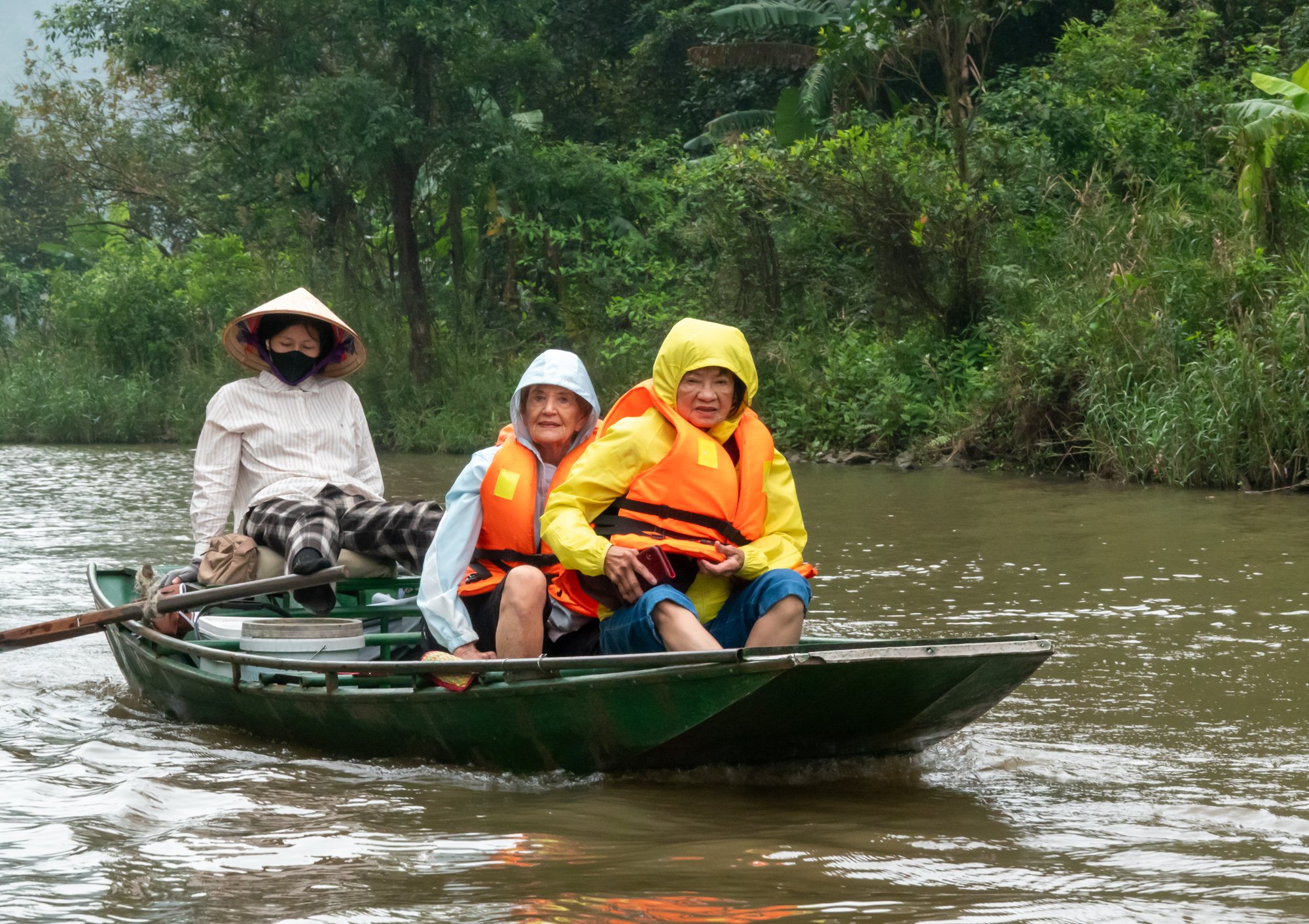
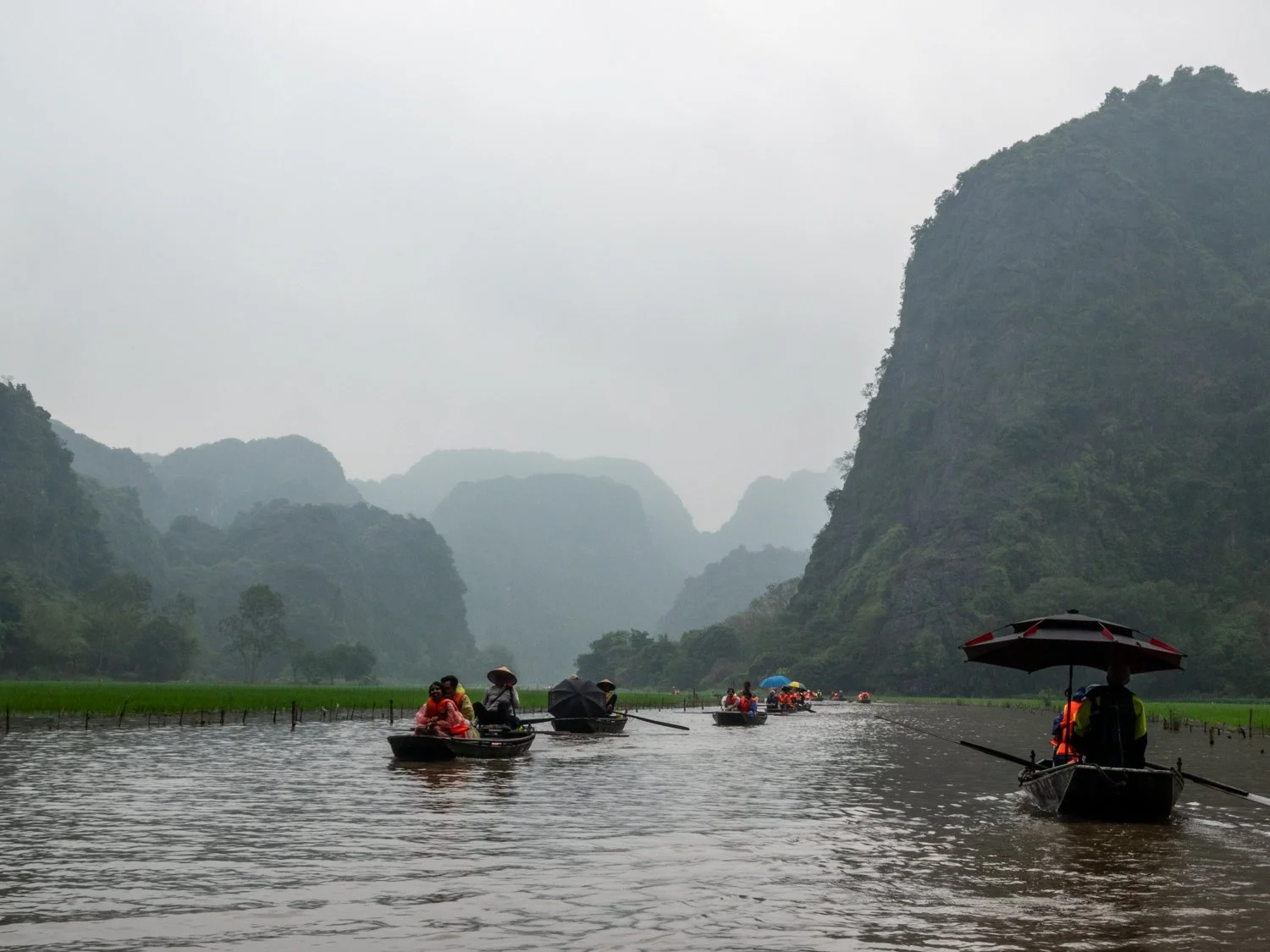
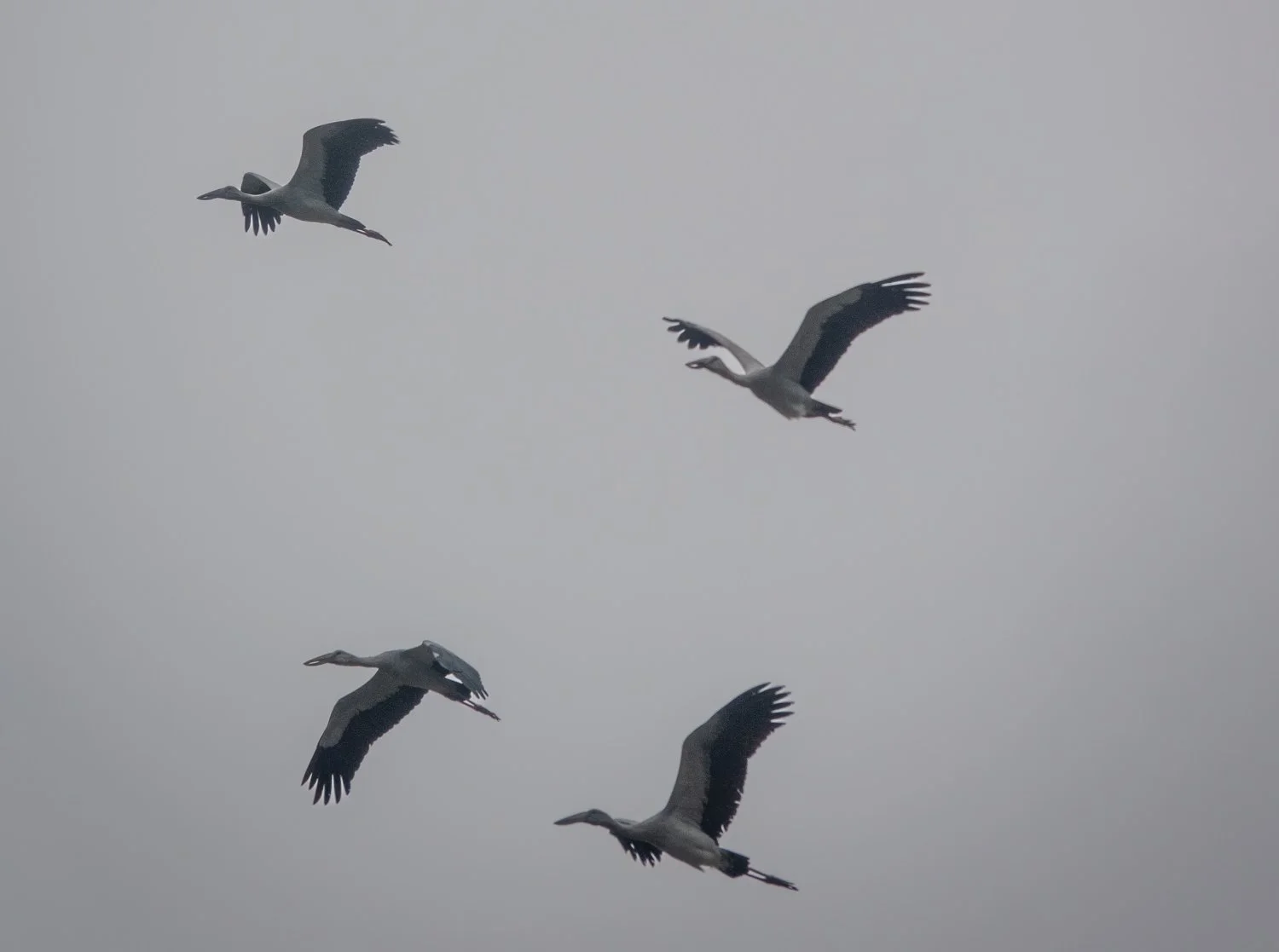
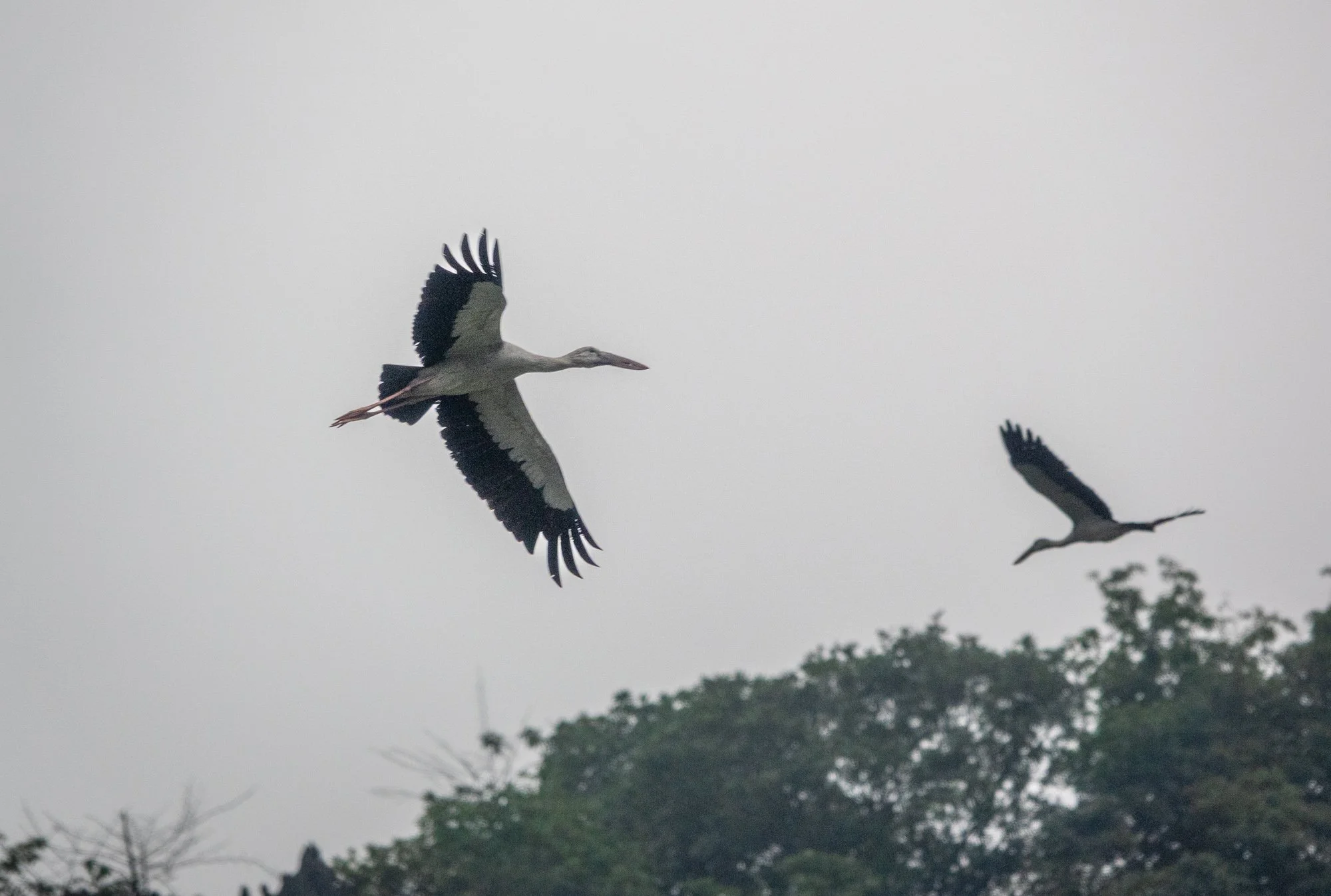
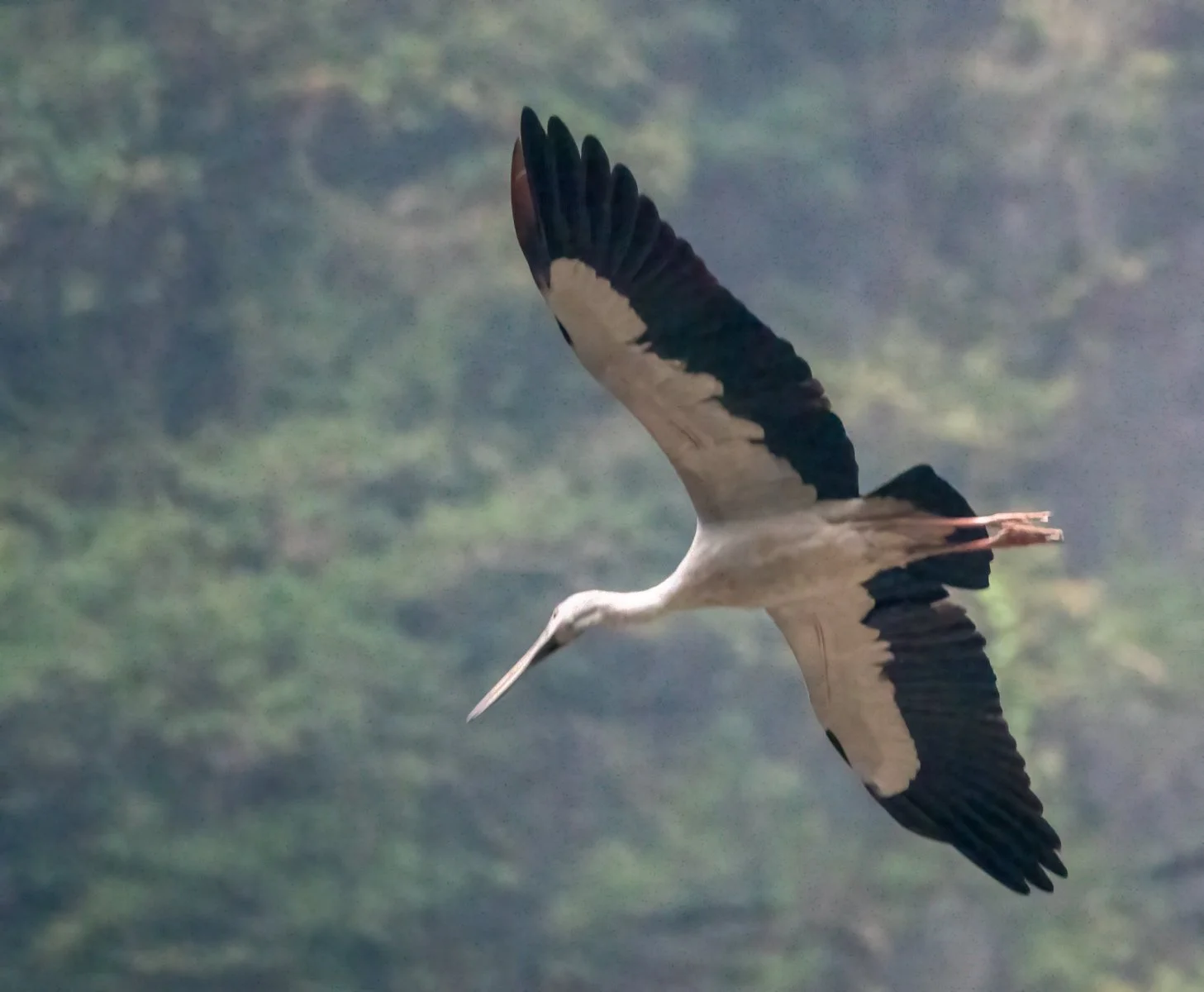
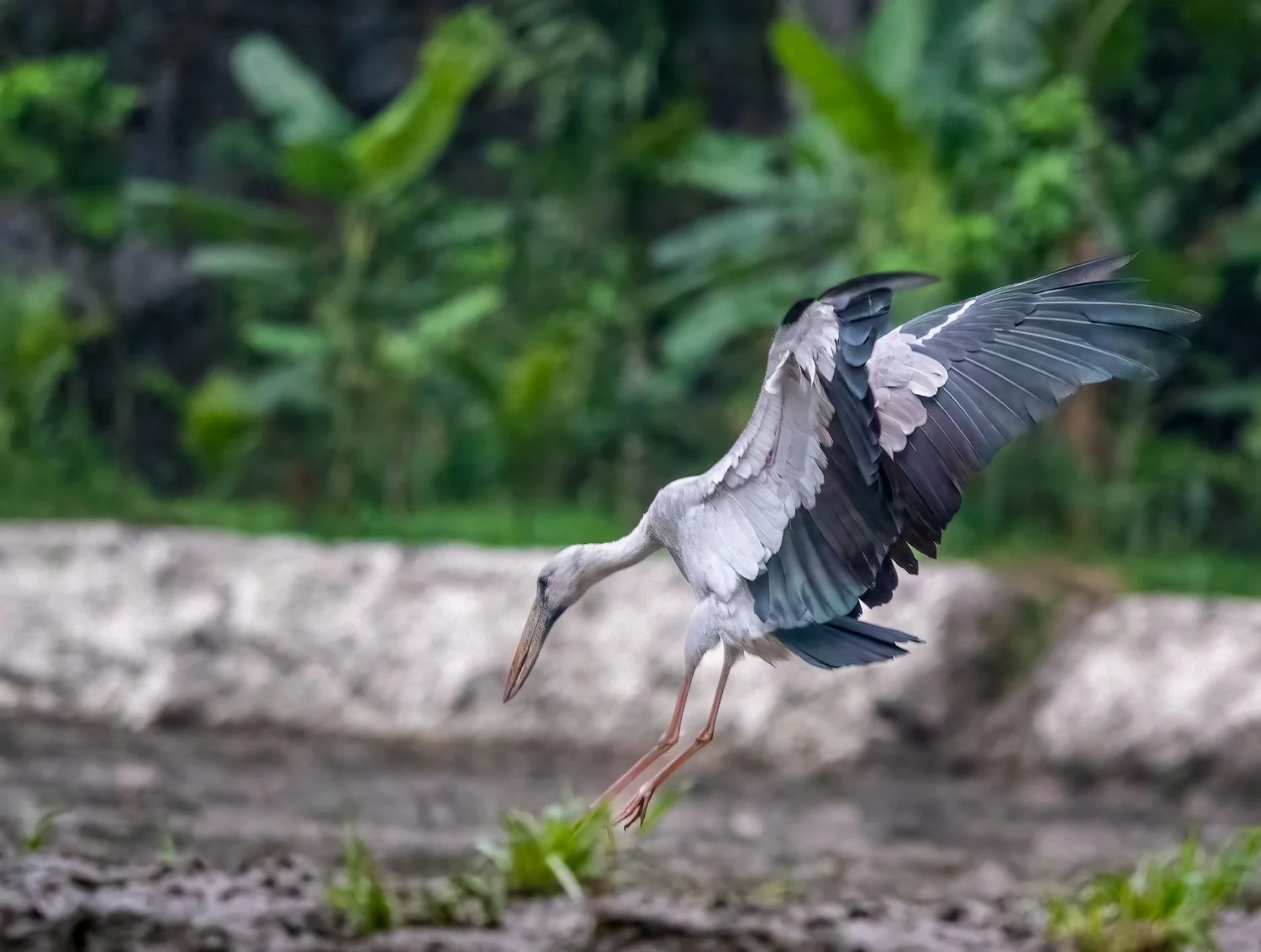
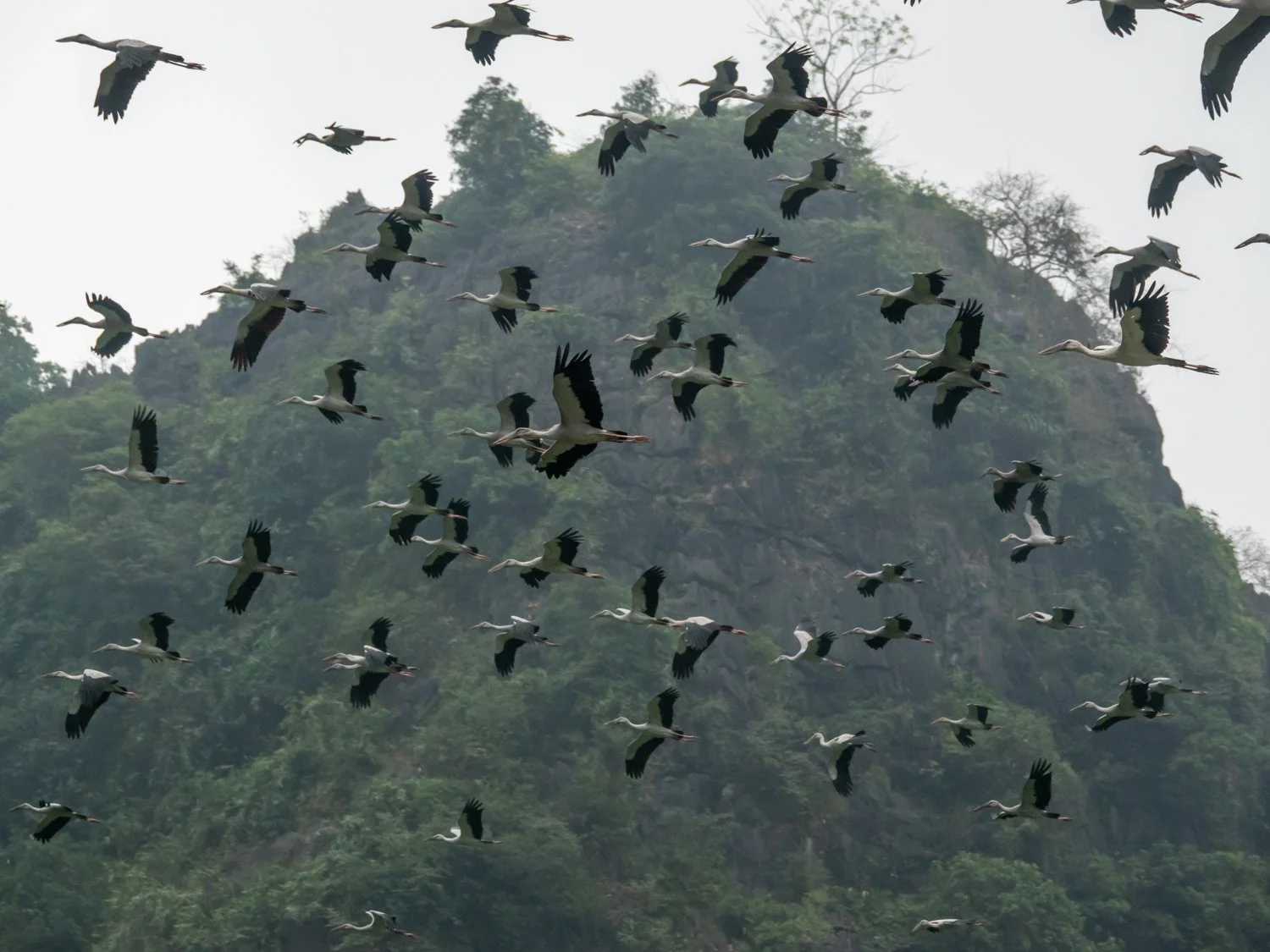
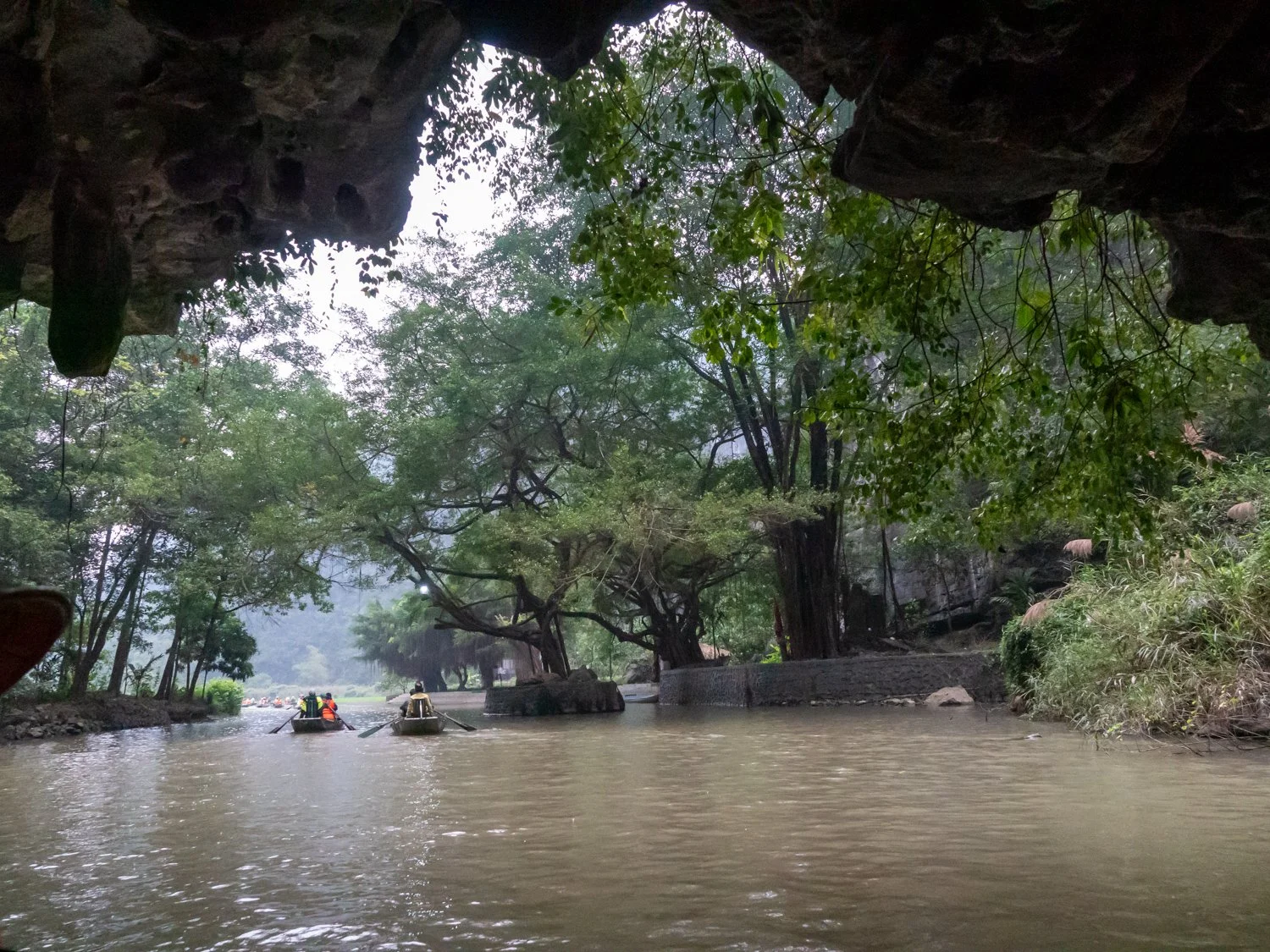
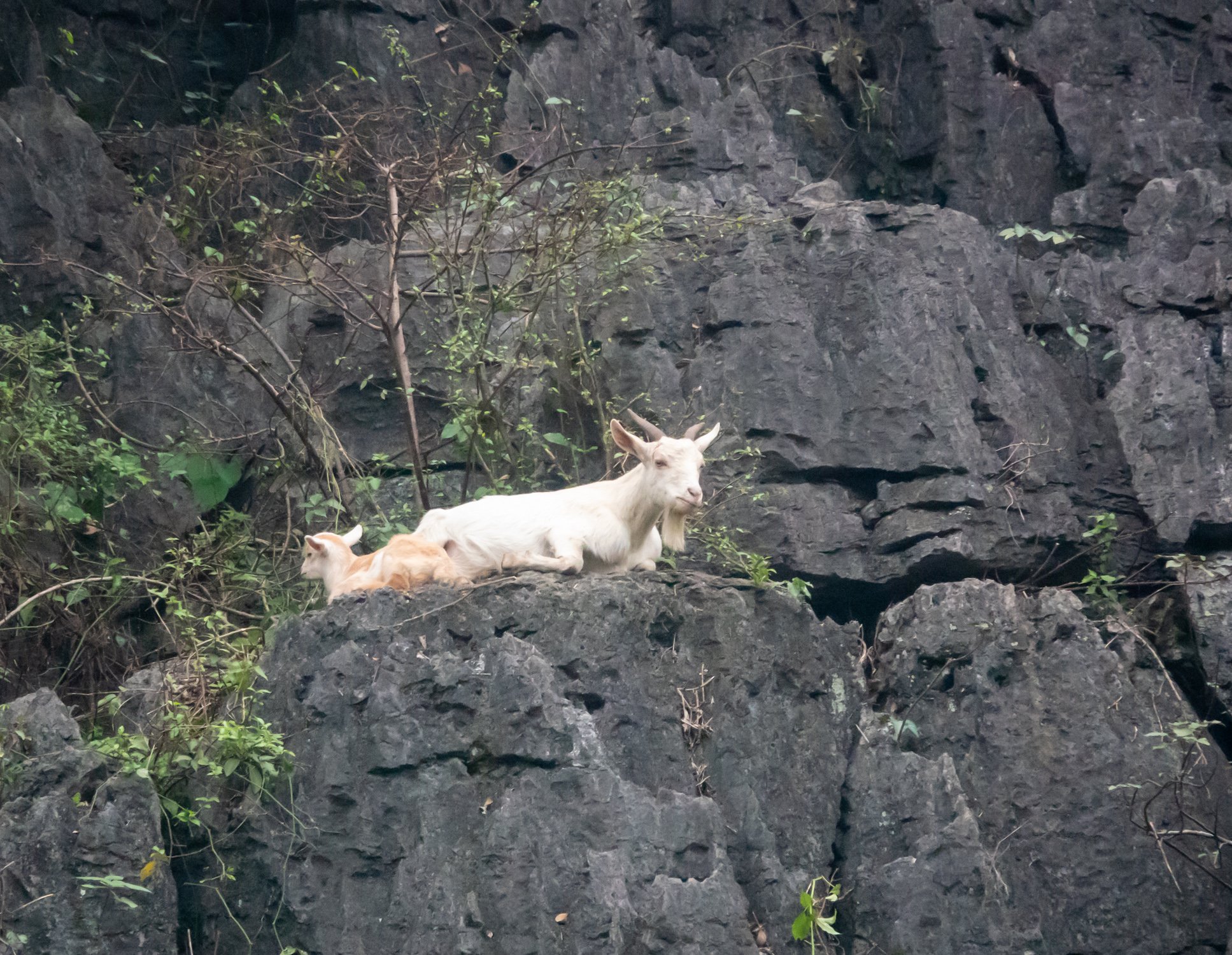
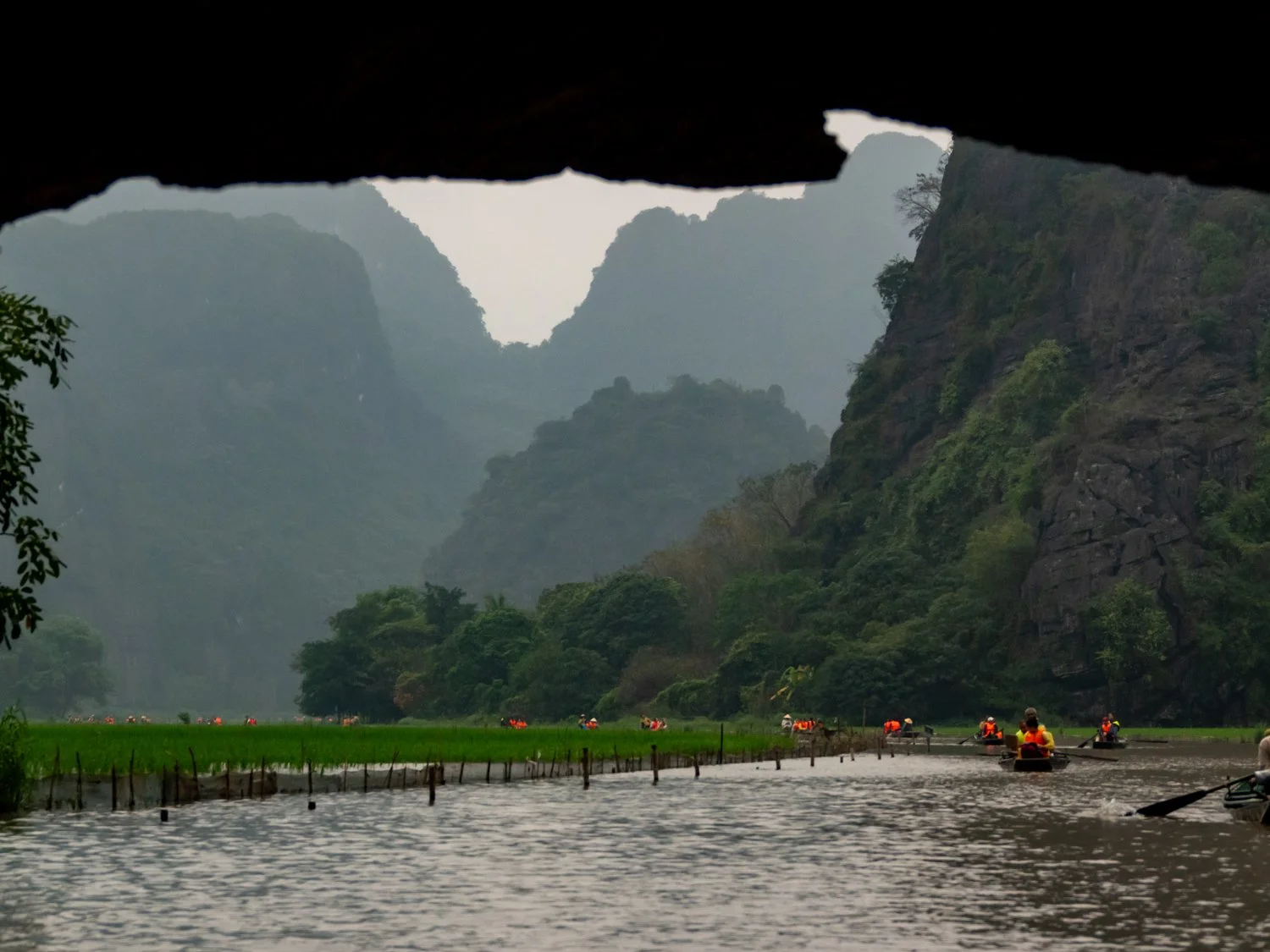
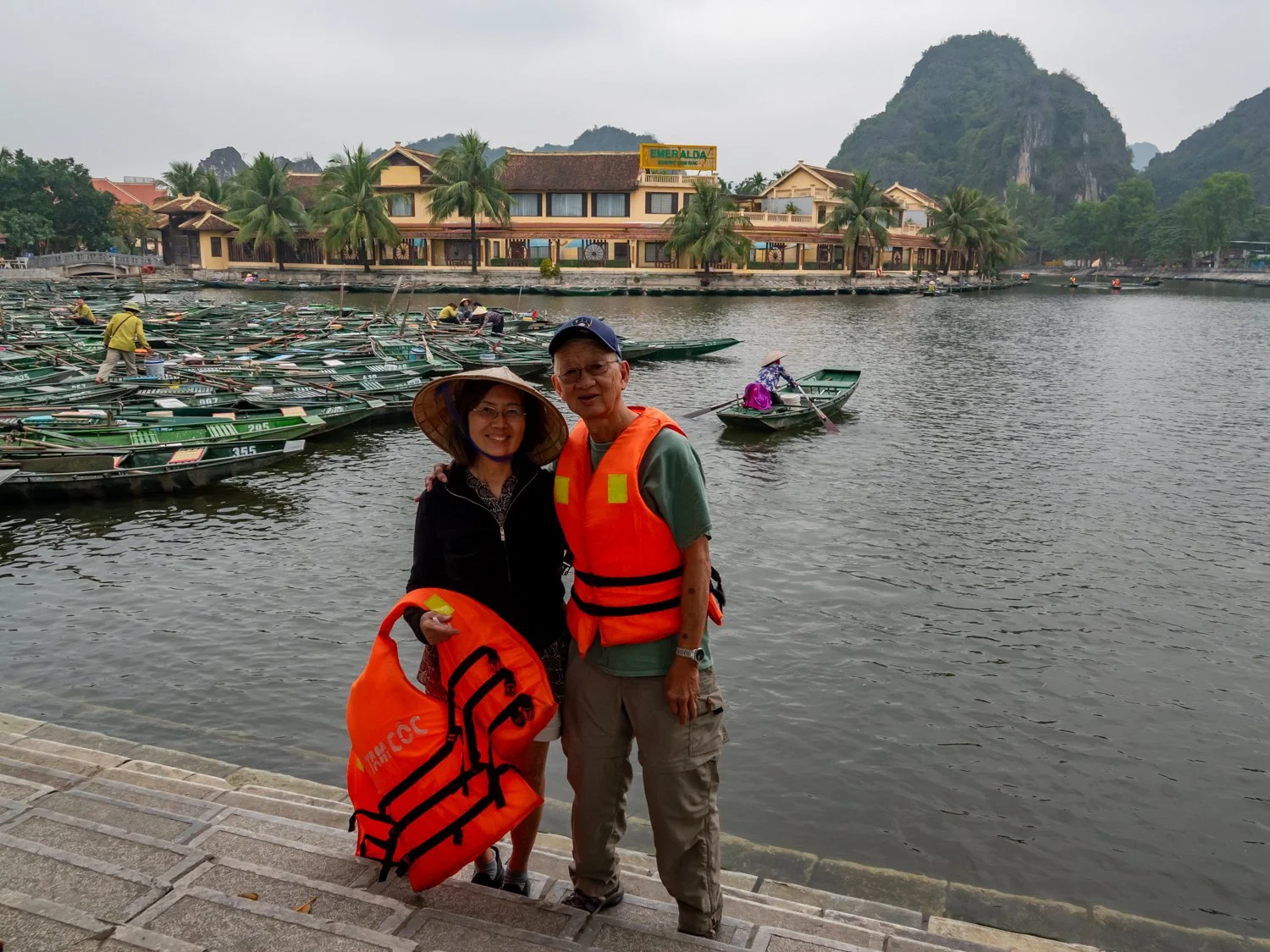
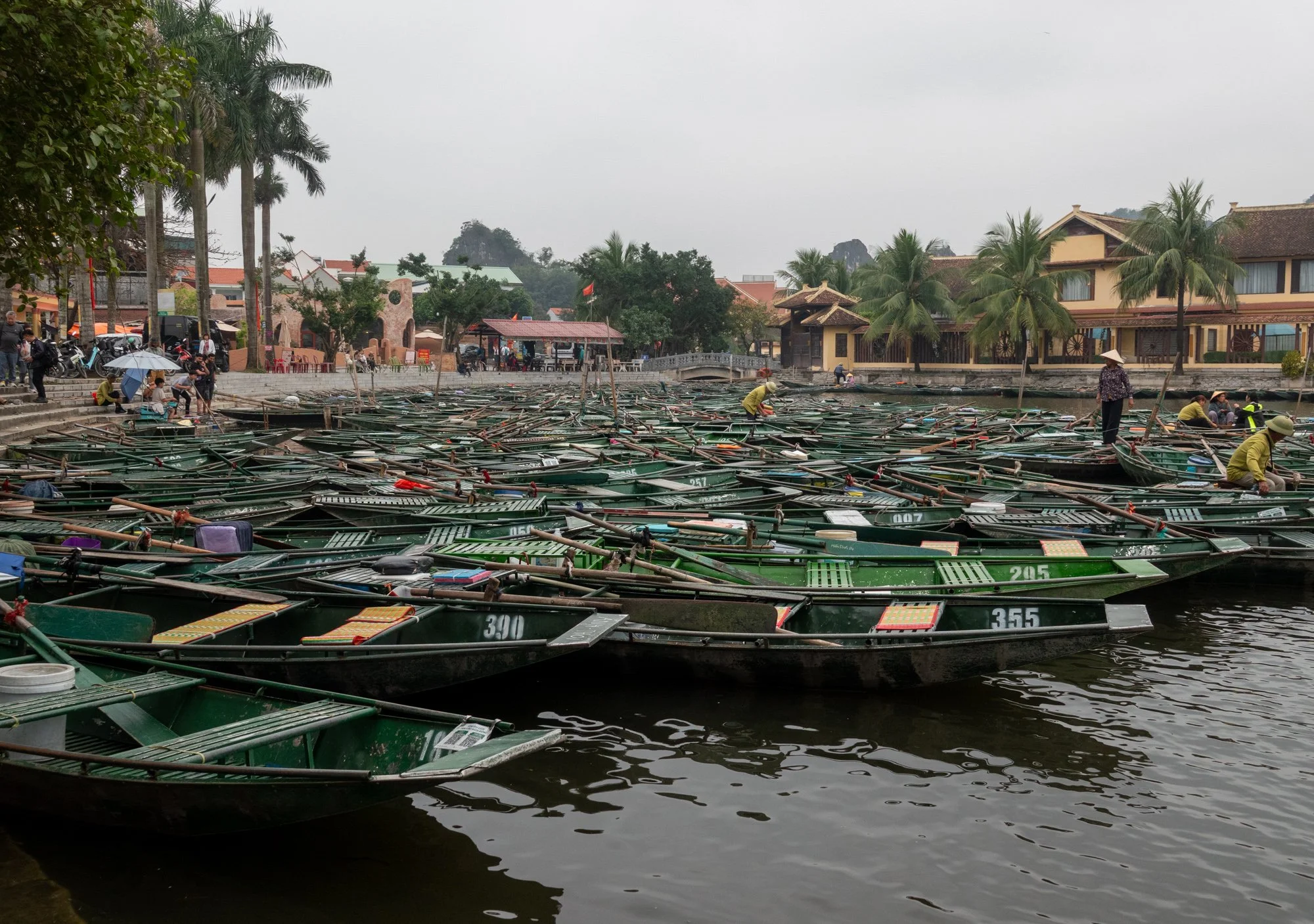
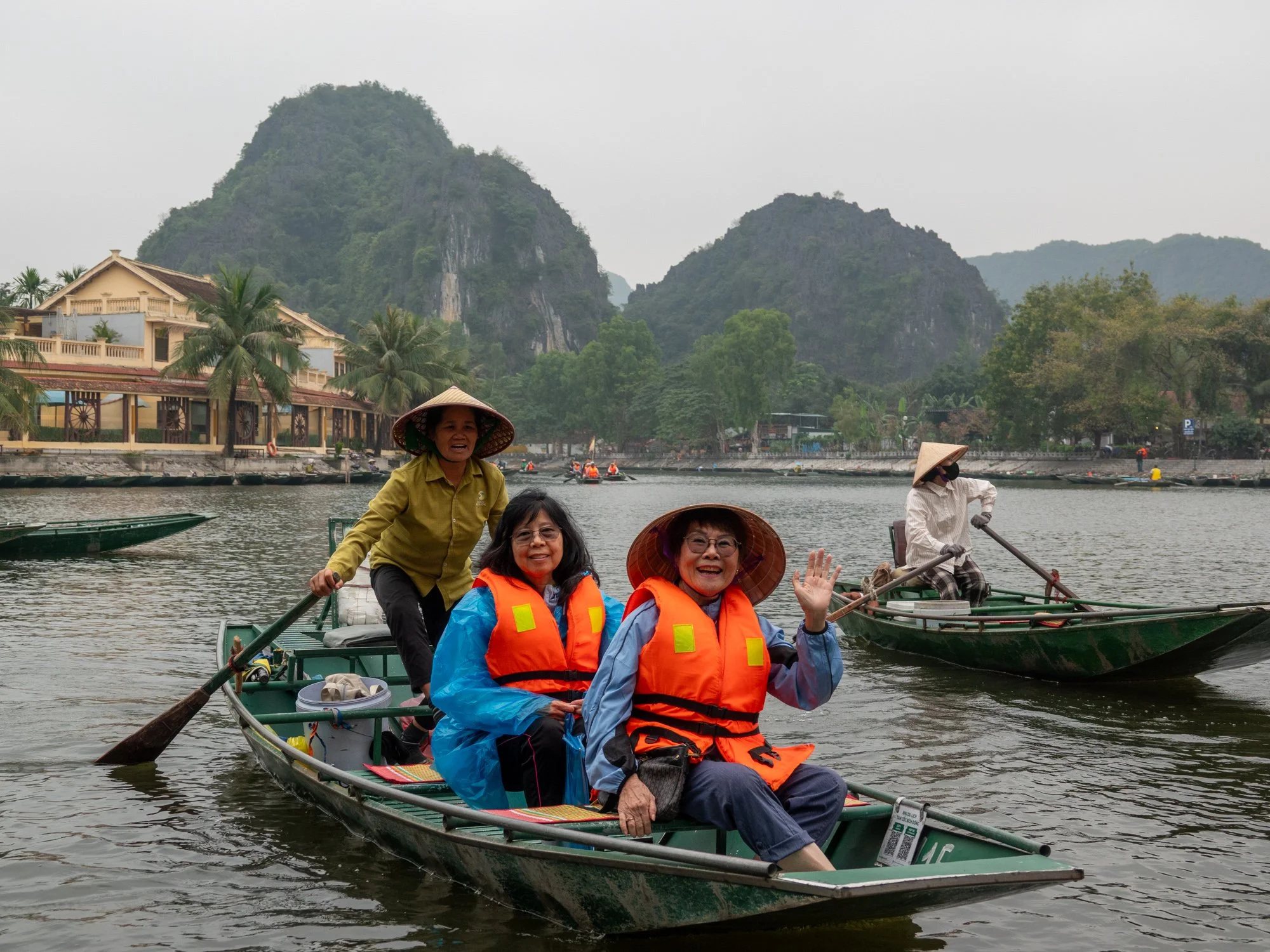
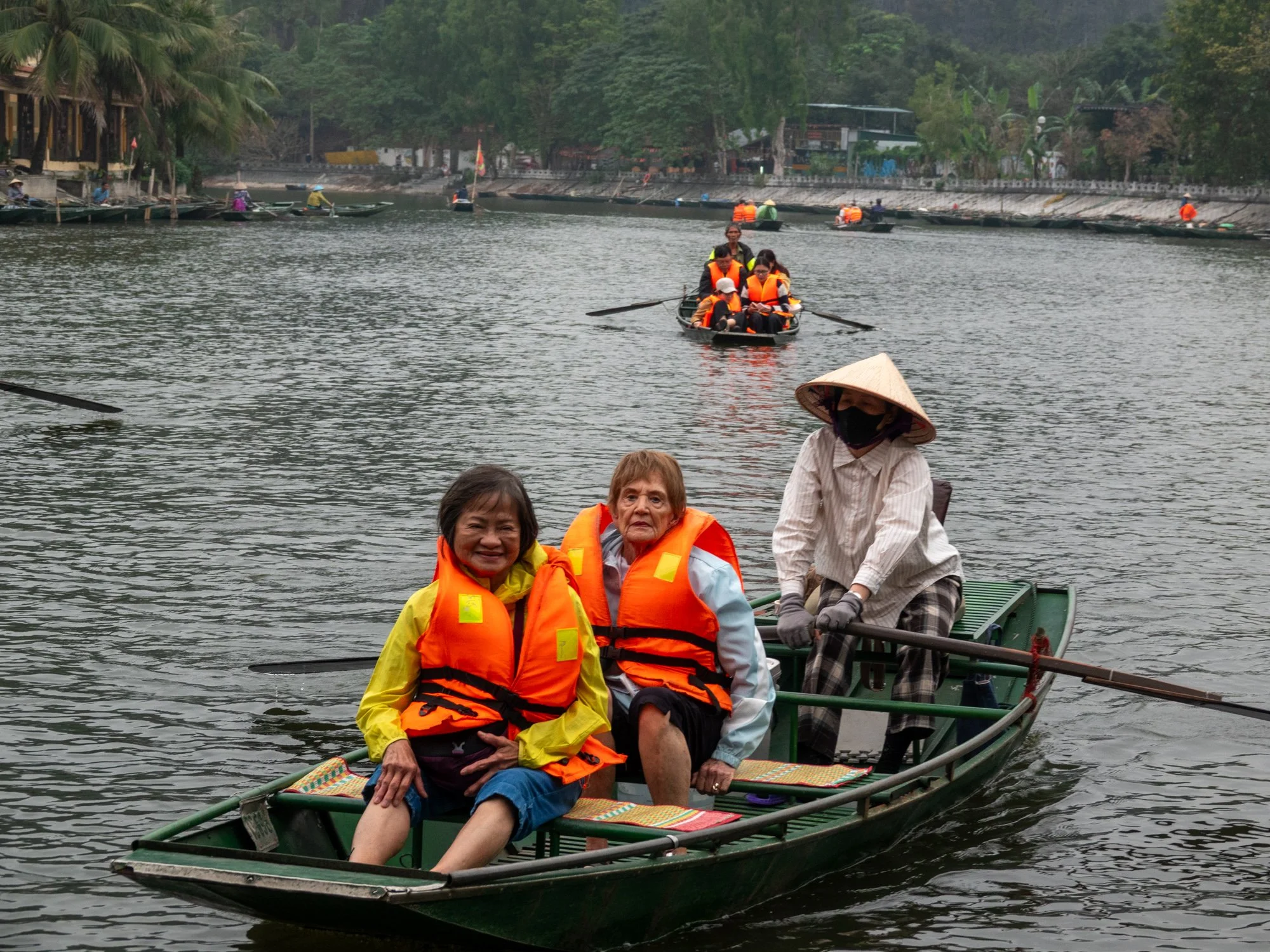
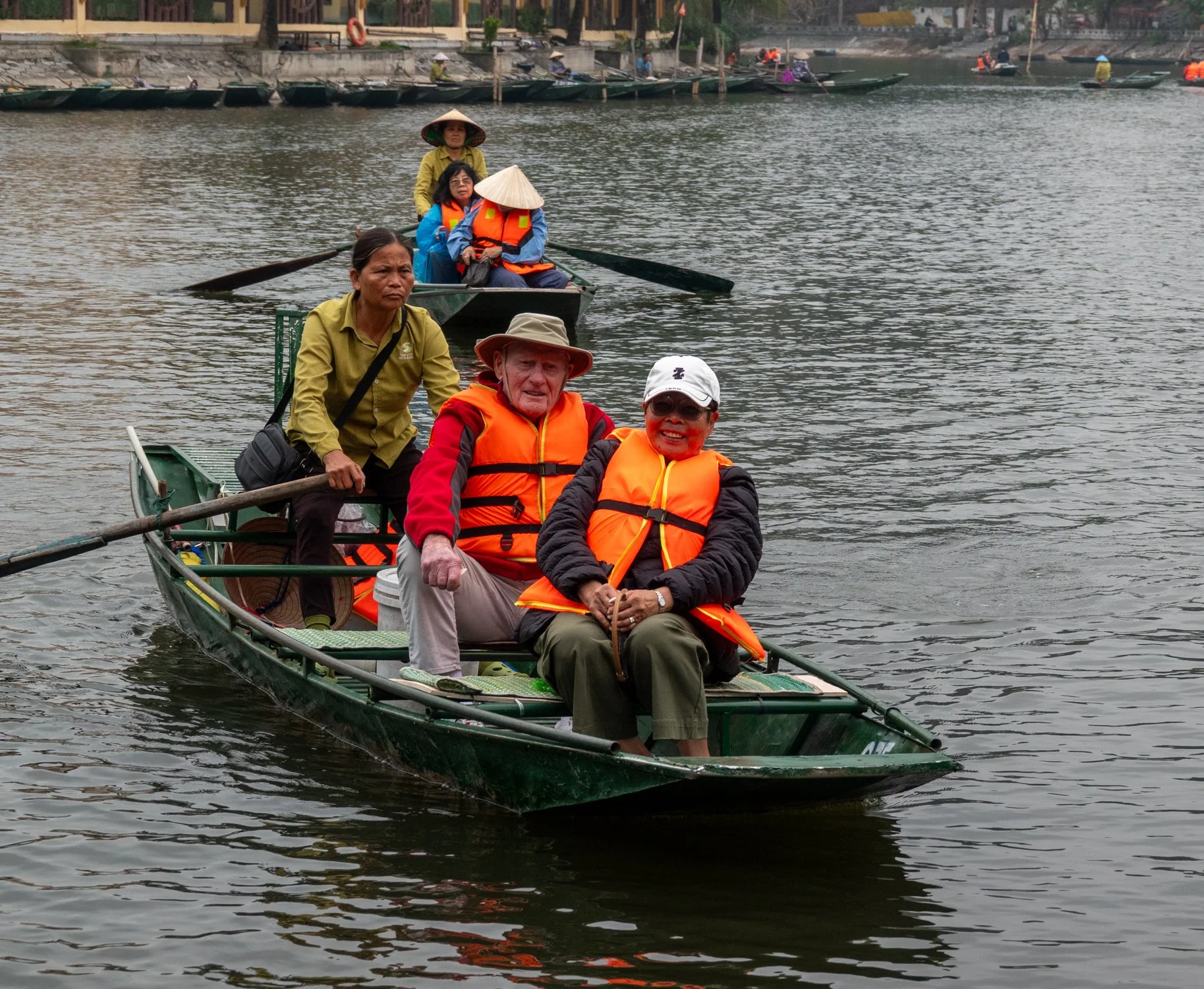
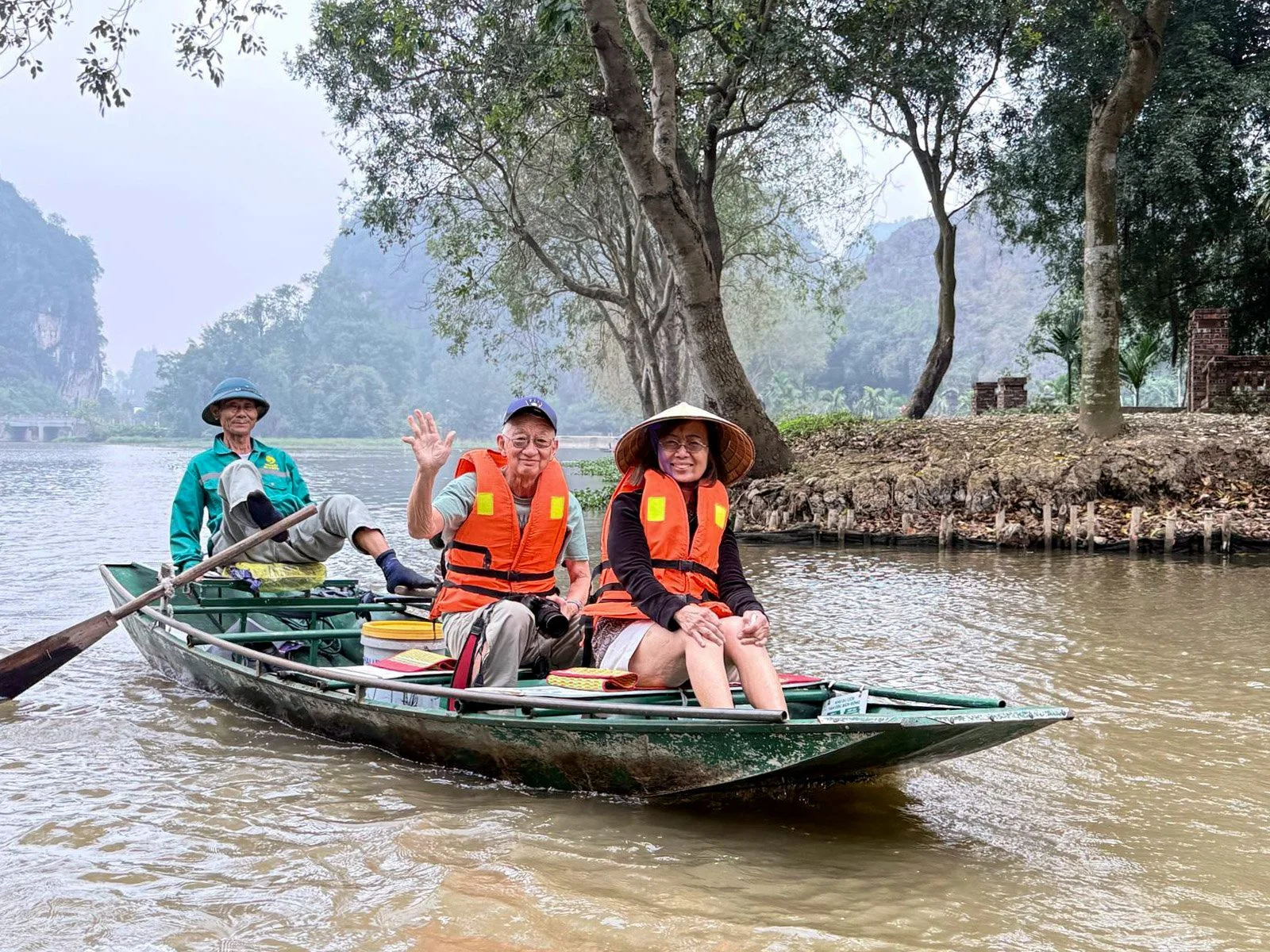
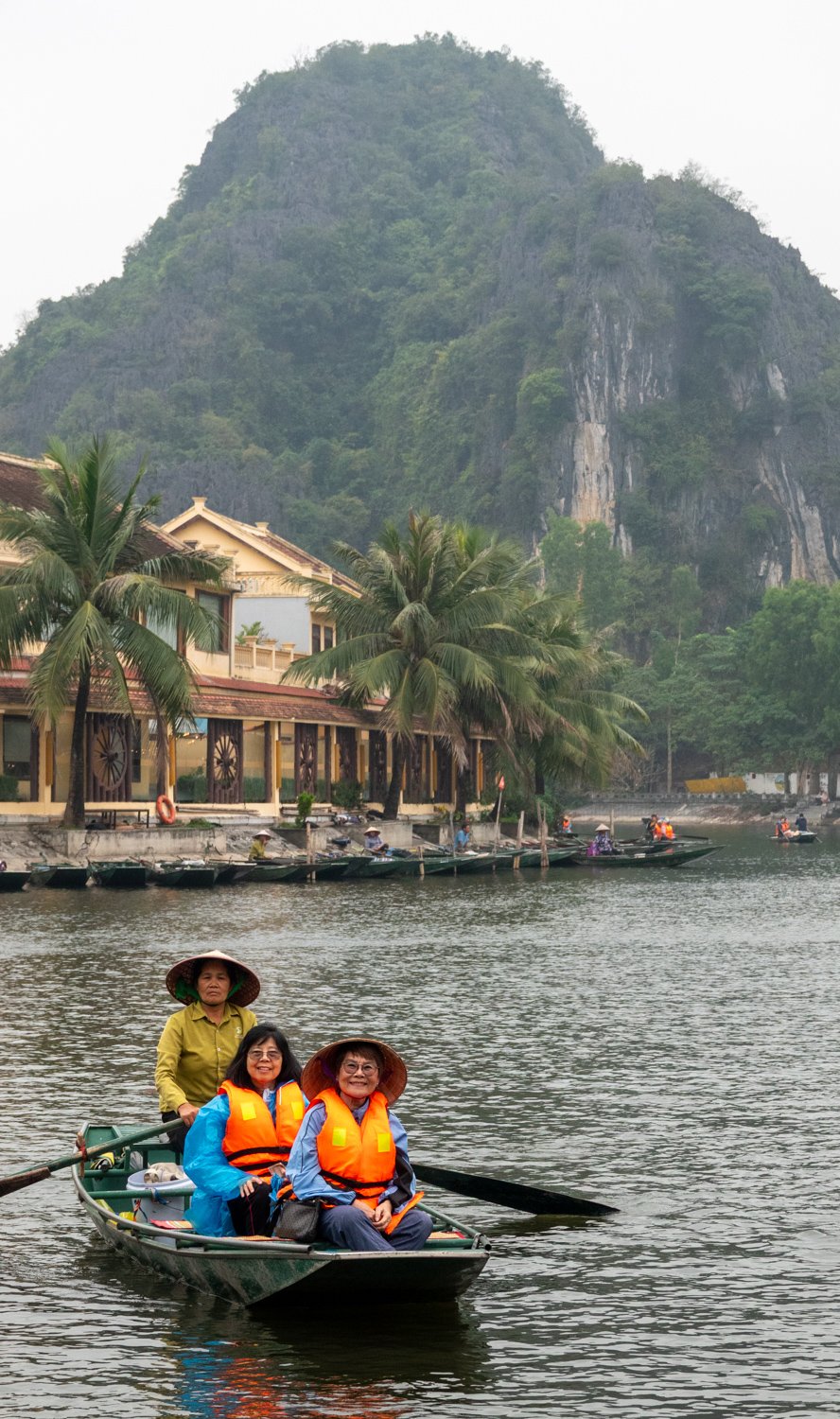
Our main objective in Ninh Binh was to take a boat trip down the Ngo Dong River to see the jungle-covered karsts and limestone caves and admire the boatmen’s unique ‘peddling’ style.
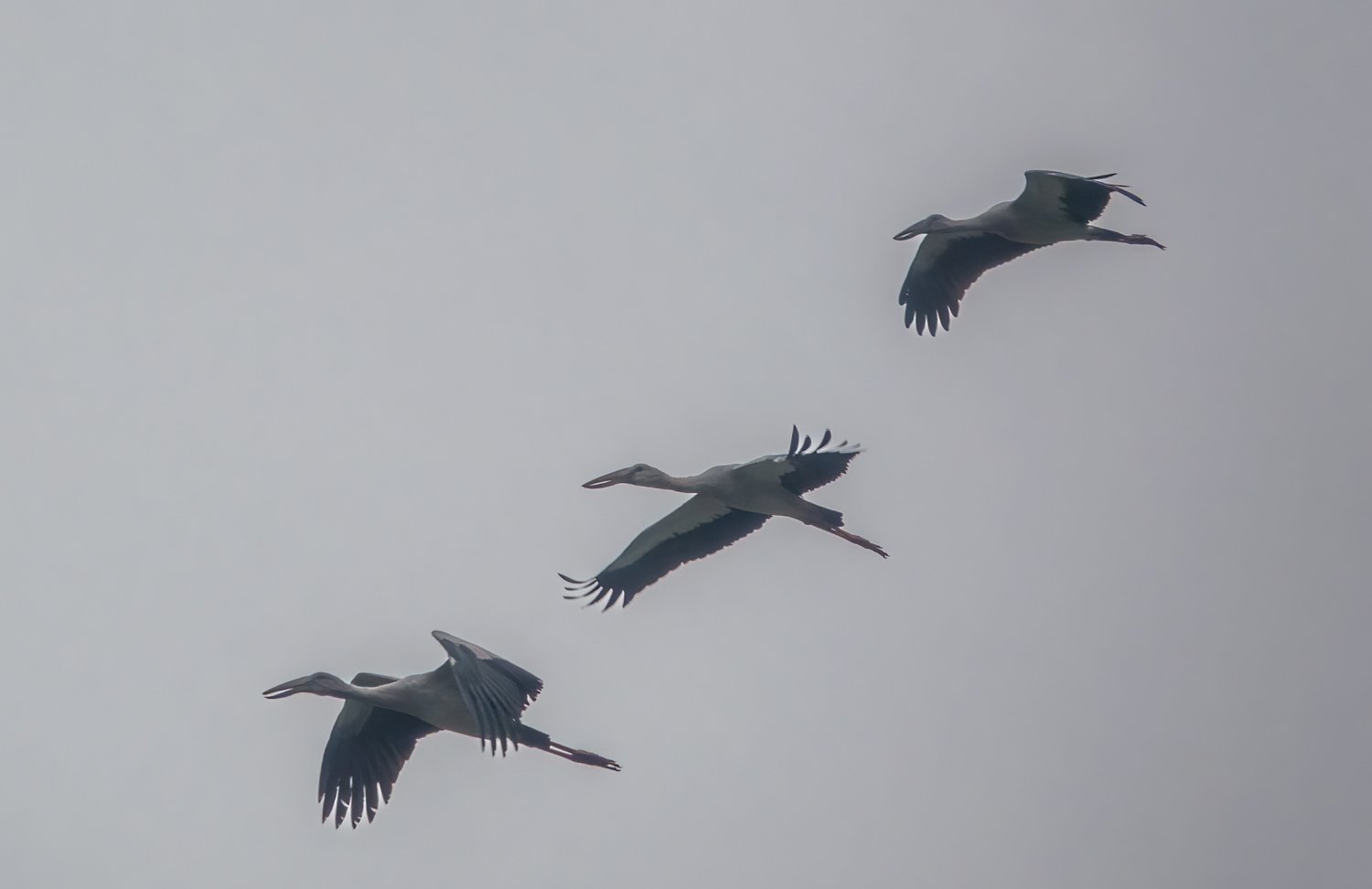
Asian openbill storks
Ha Long Bay
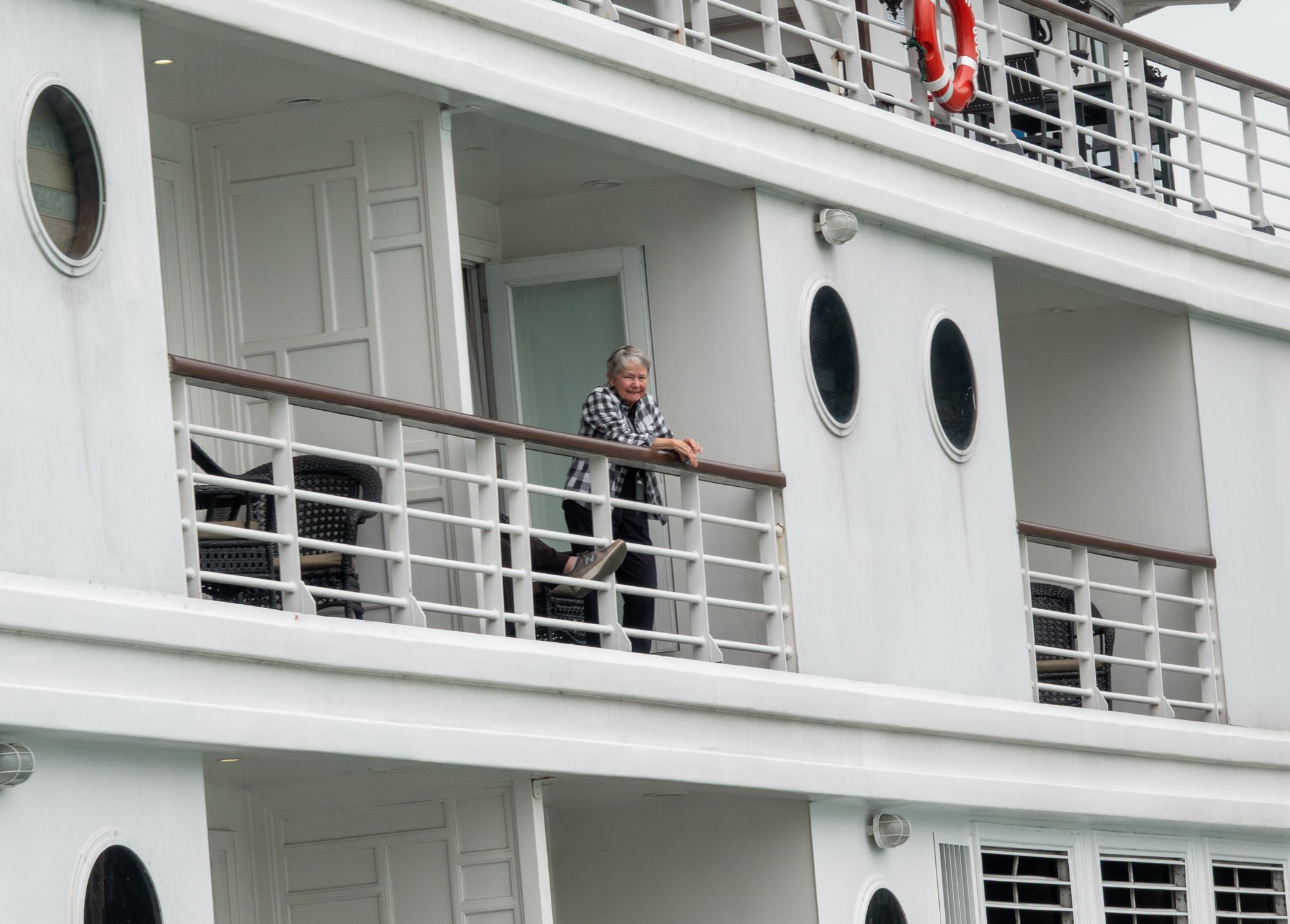
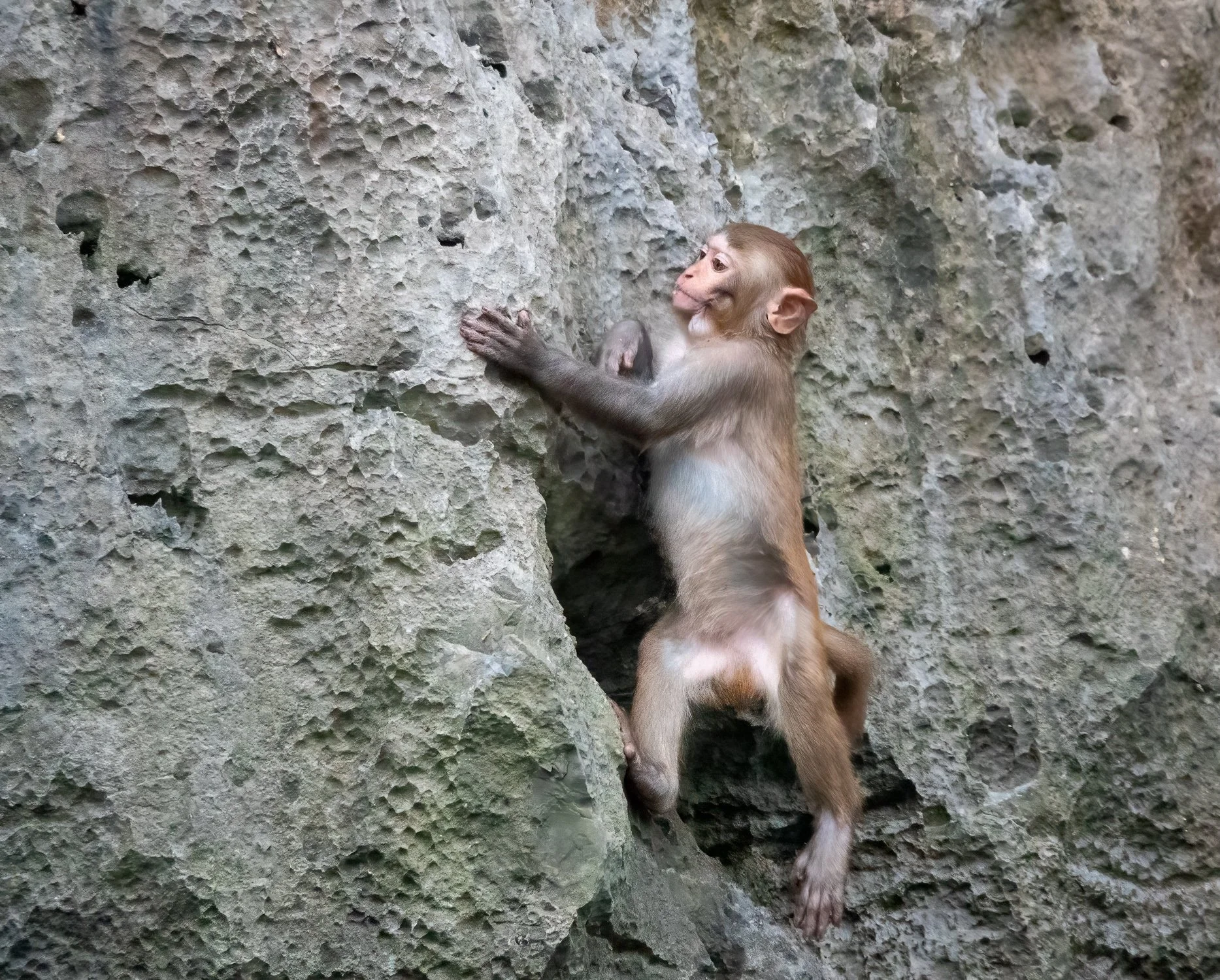
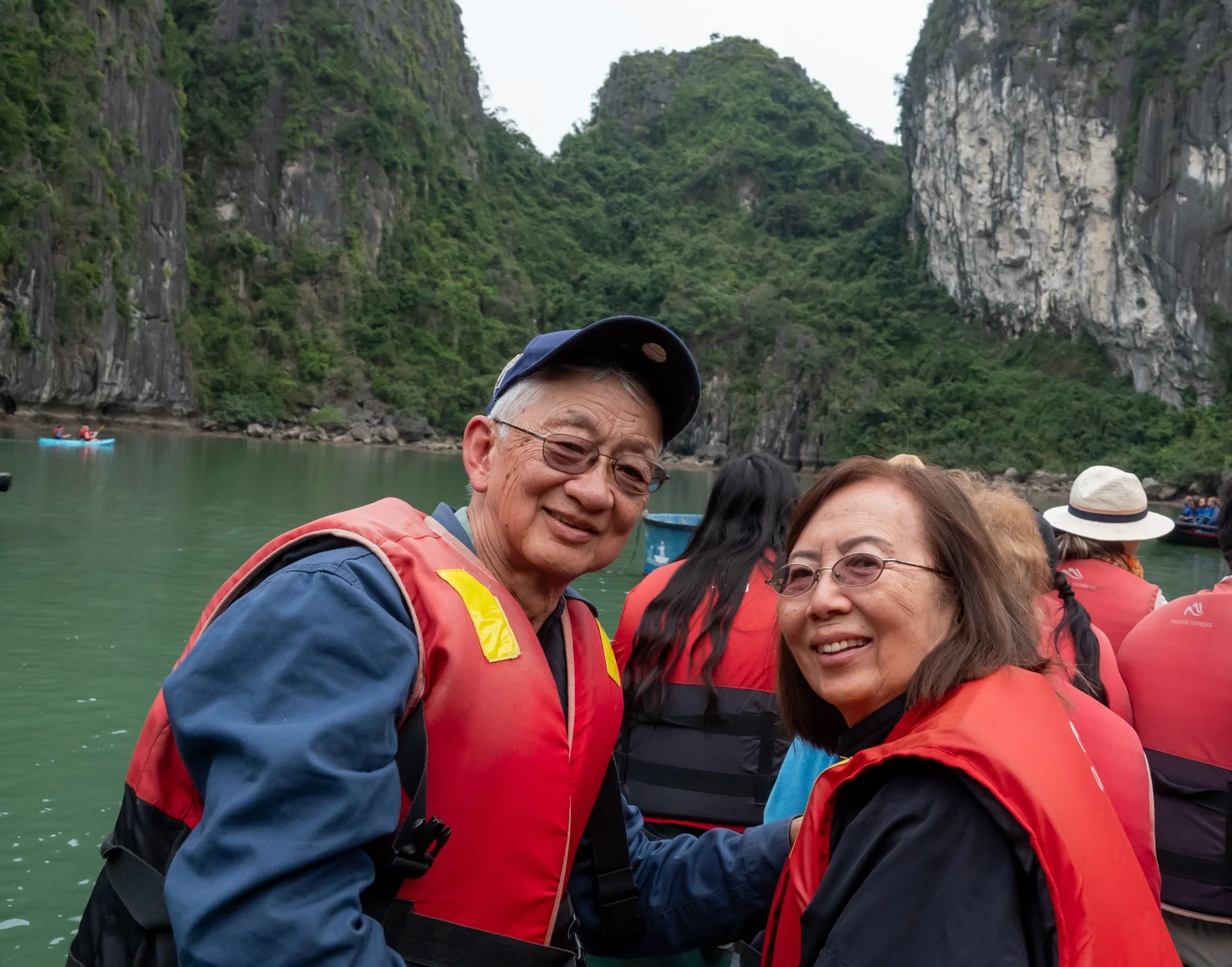
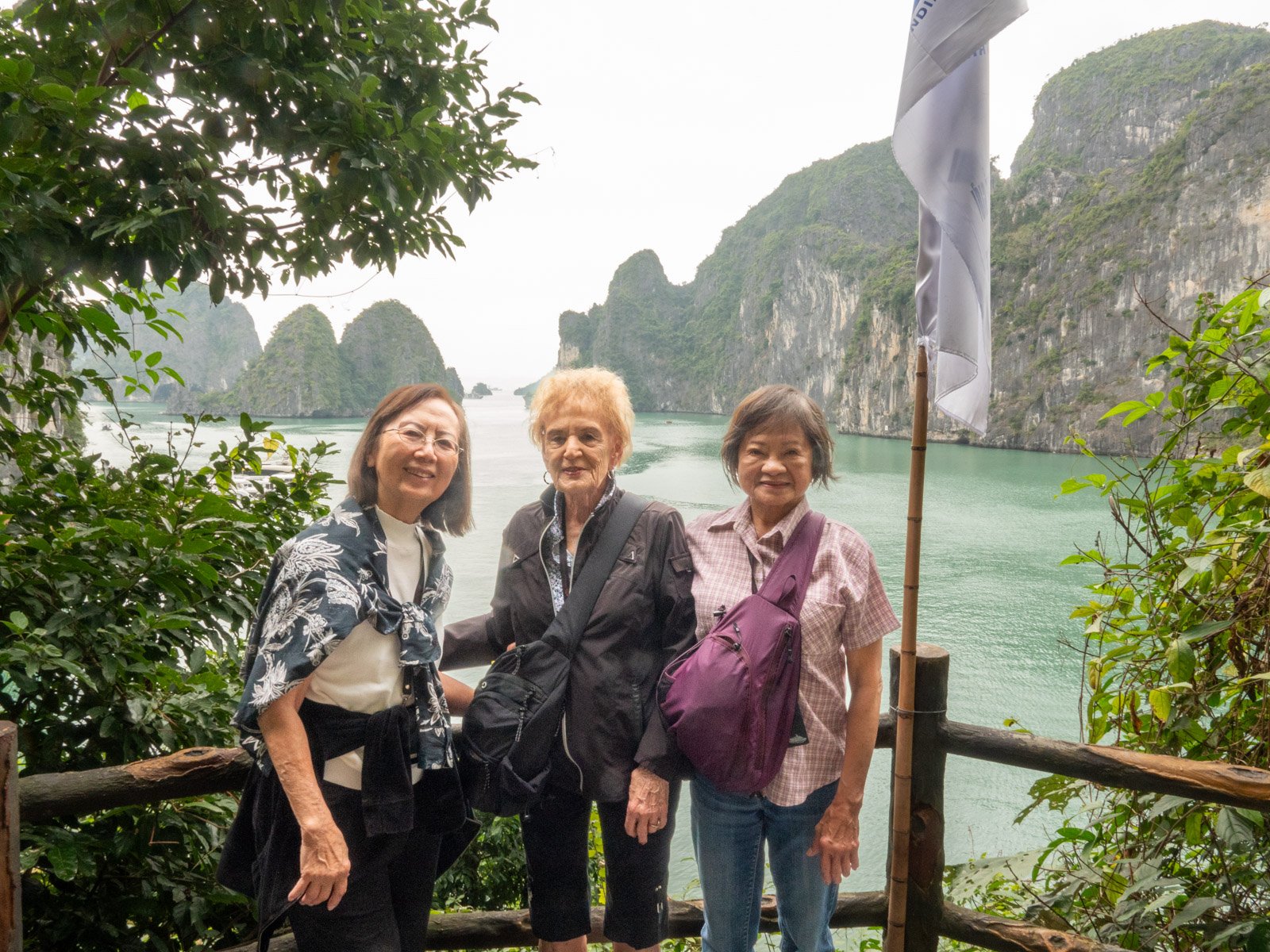
Probably the best known (and most-visited) natural site in Vietnam, Ha Long Bay is impressive despite the massive number of tourists that visit. We had a one night cruise with a fancy meal. The weather was not cooperative for photography, as it was for our entire 5 day stay in N. Vietnam, as it was completely overcast and uniformly grey.
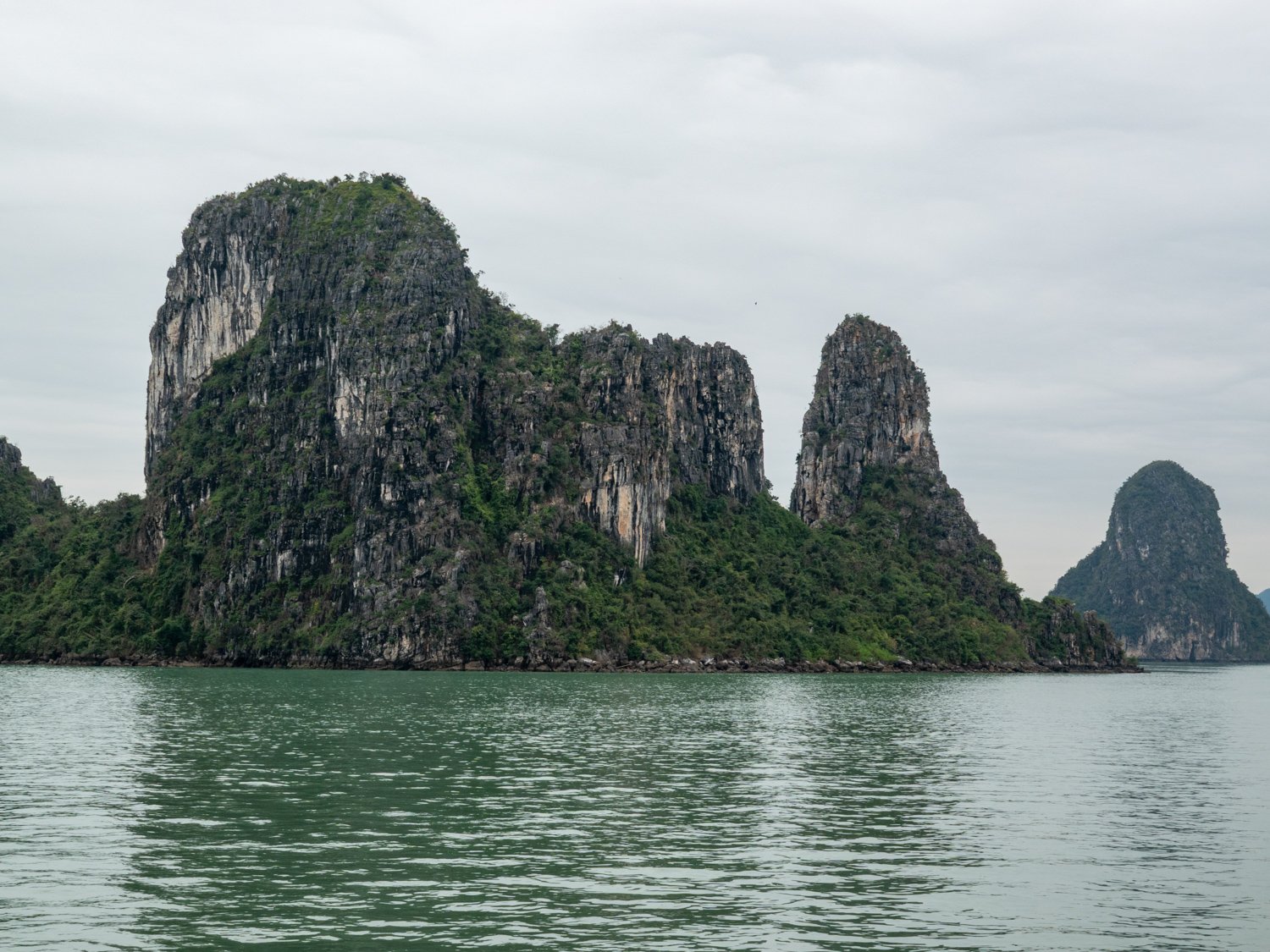
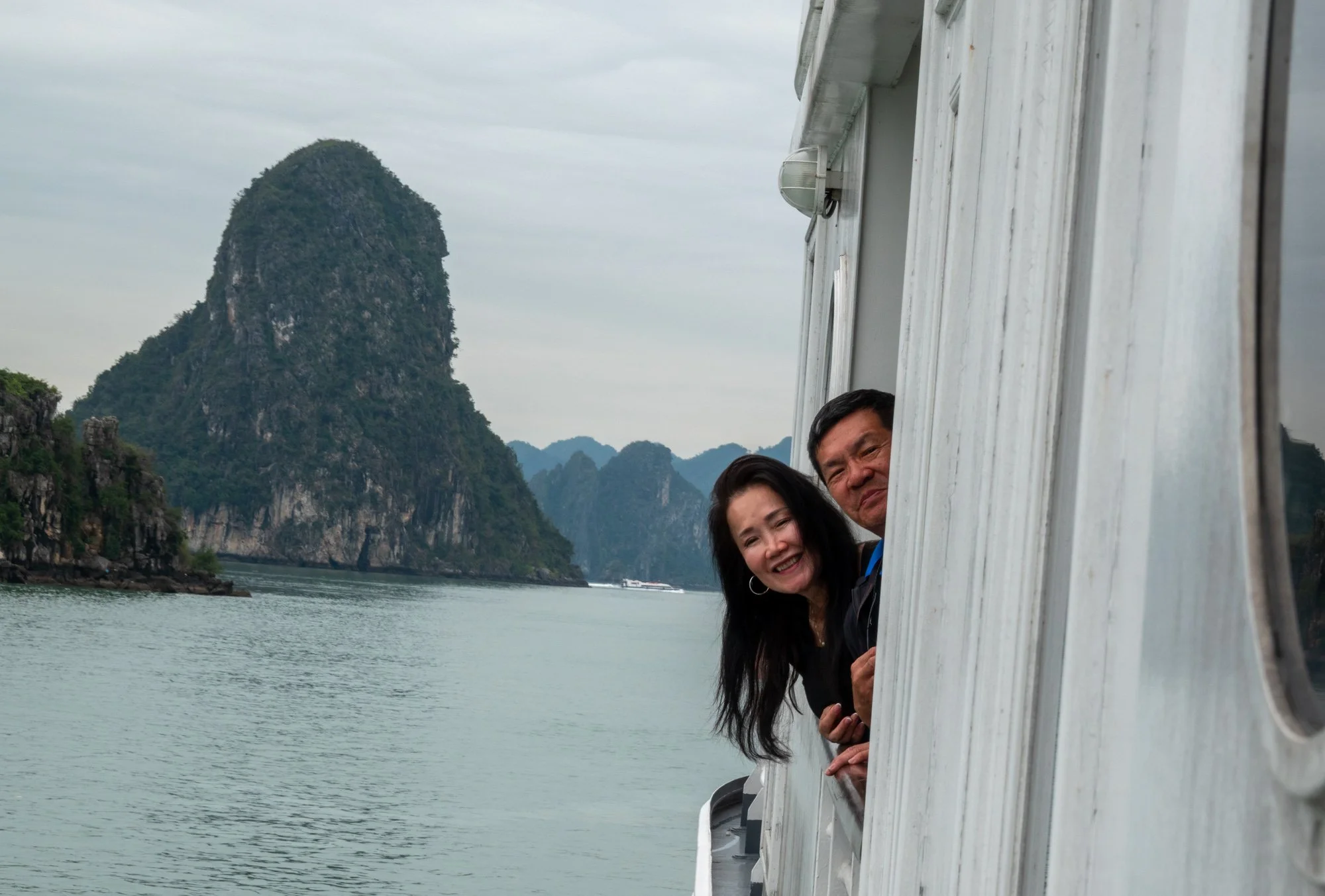
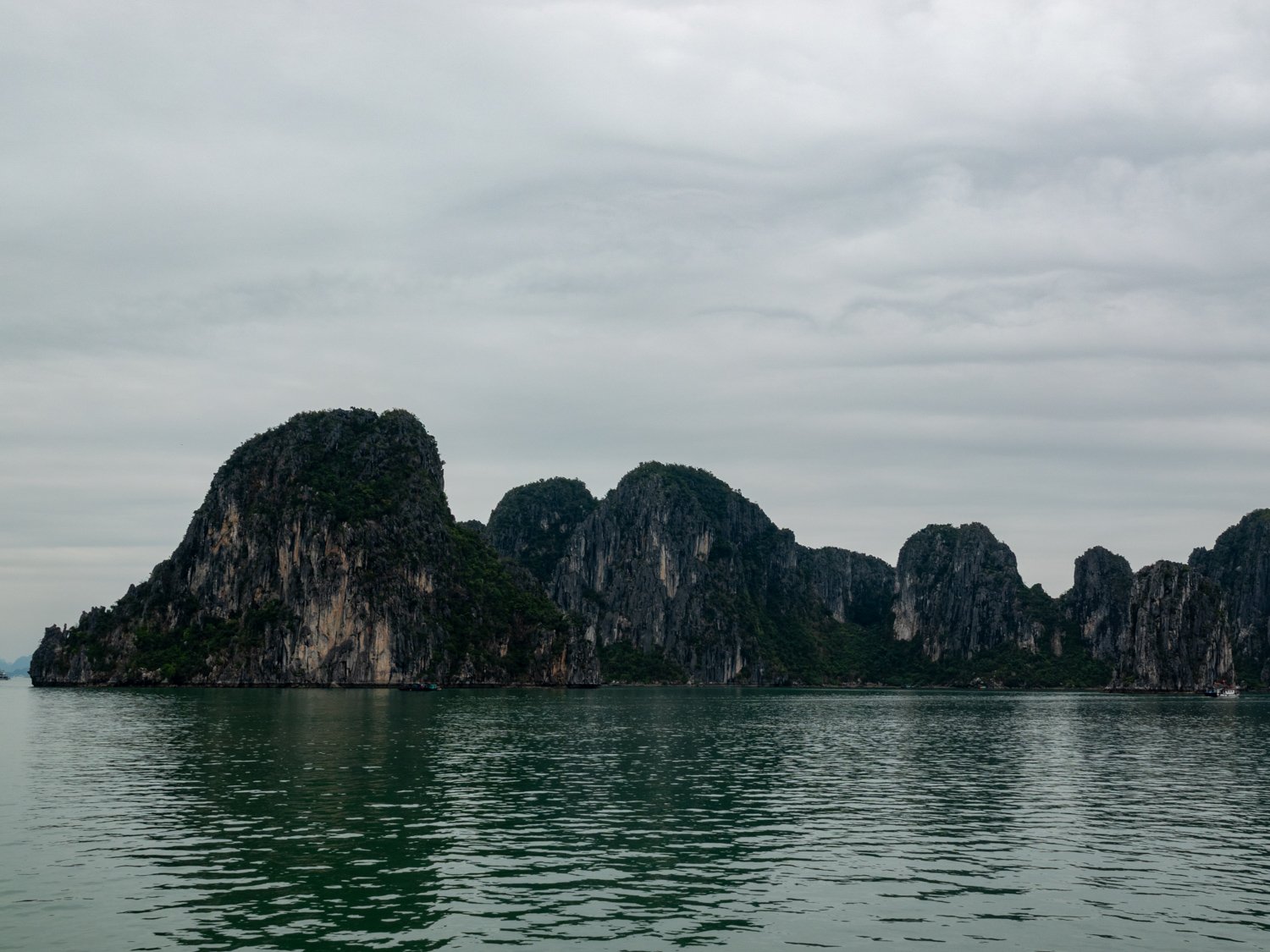
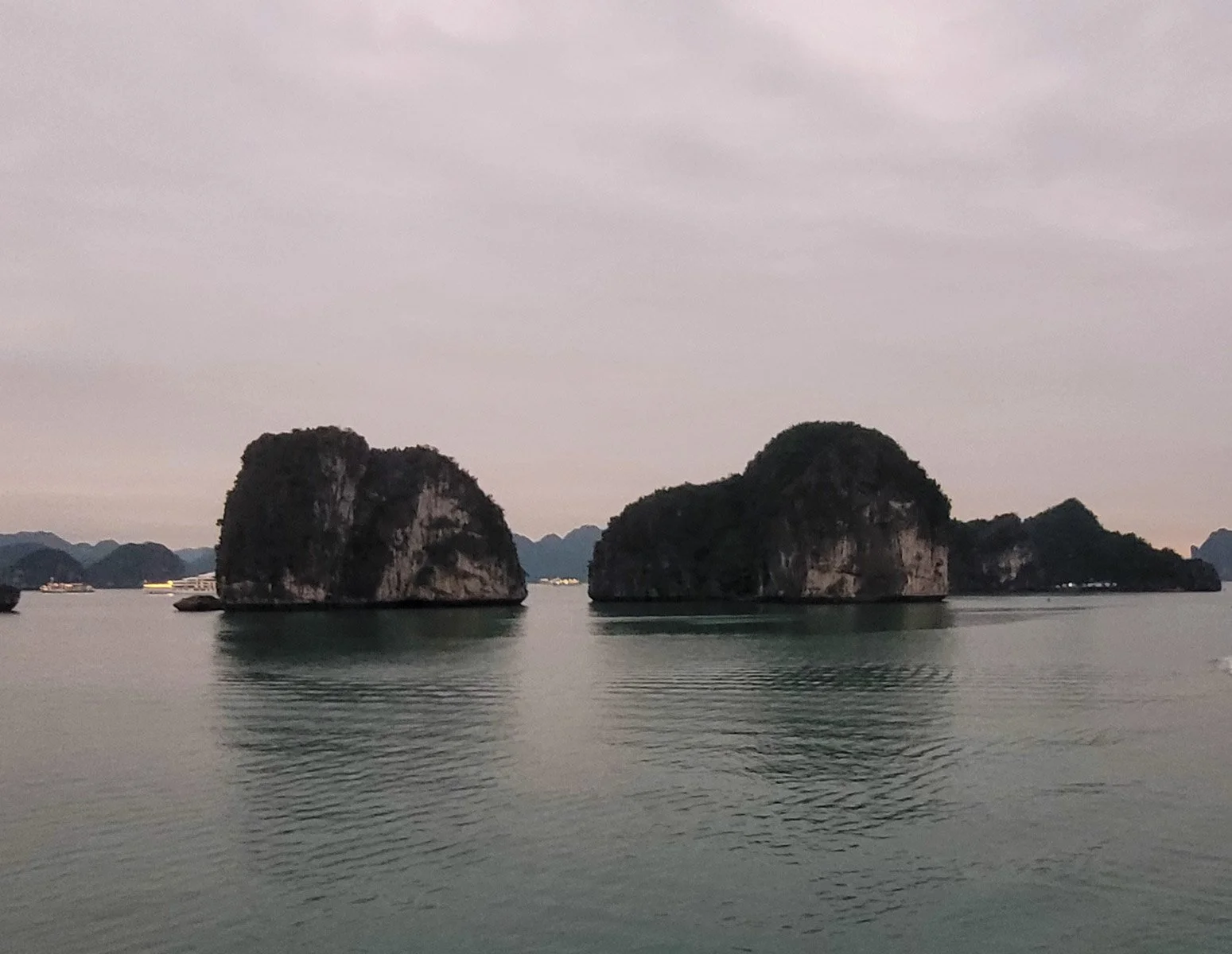
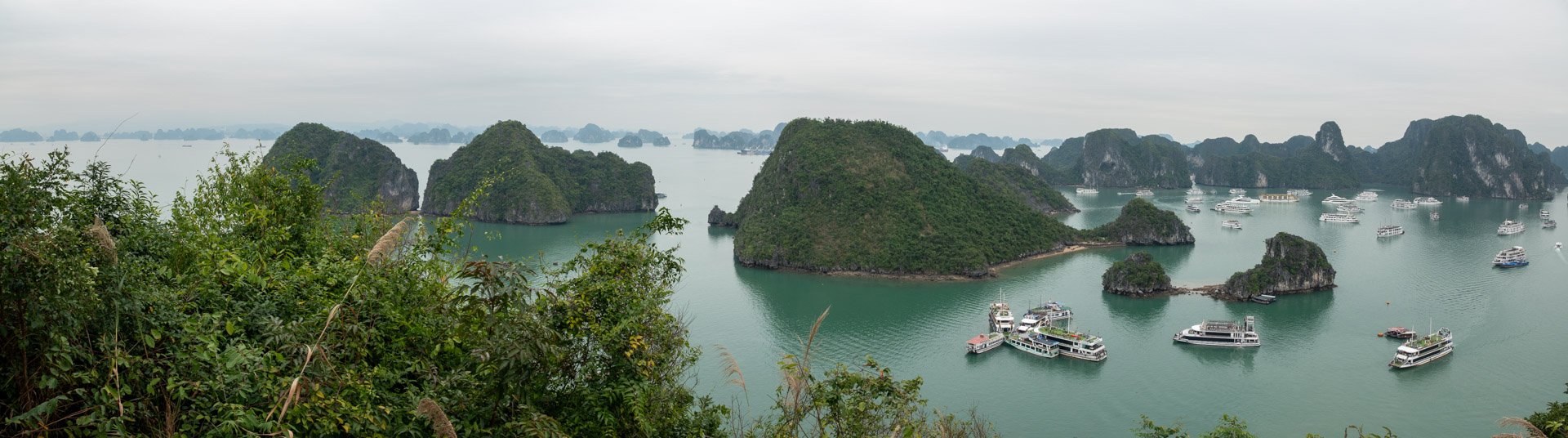
Panoramic view of Ha Long Bay from Titov Island
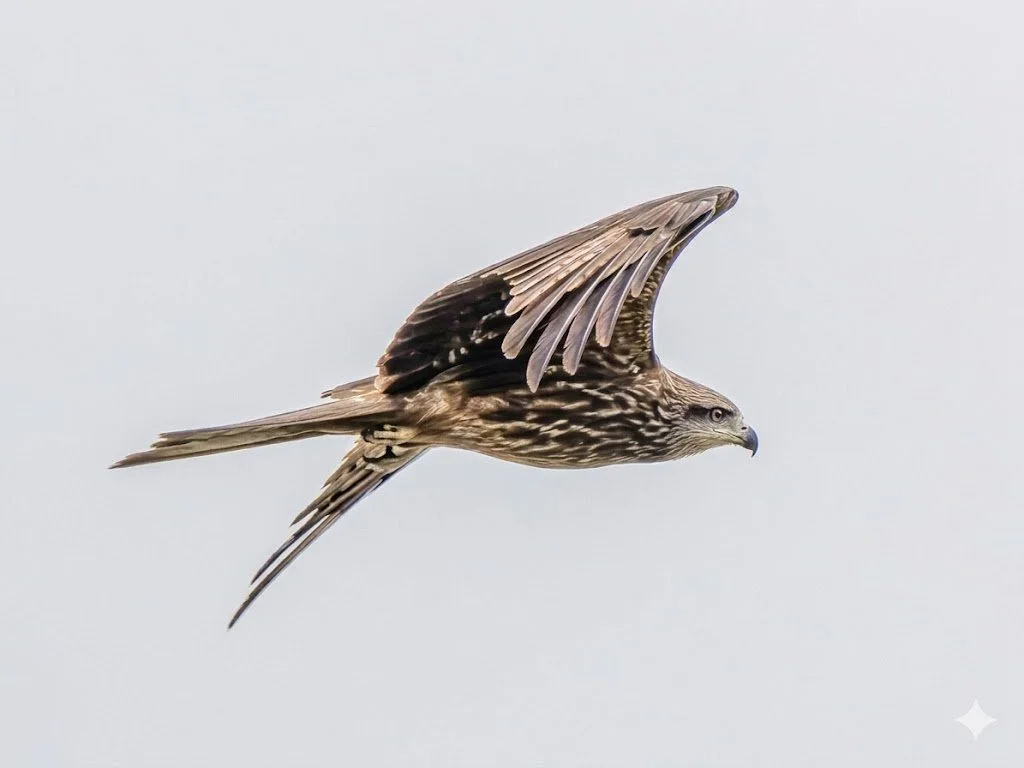
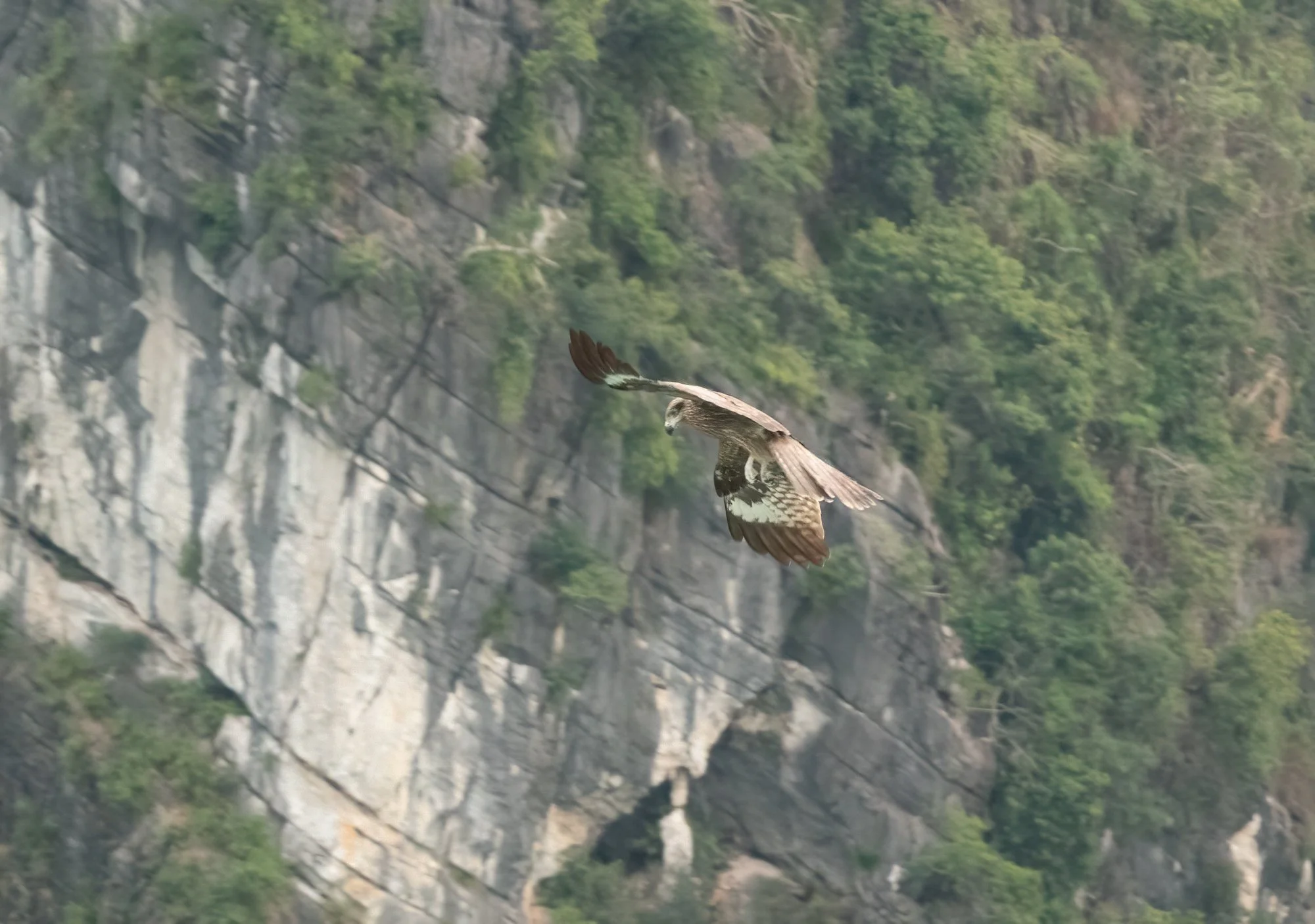
Black kite fishing in Ha Long Bay
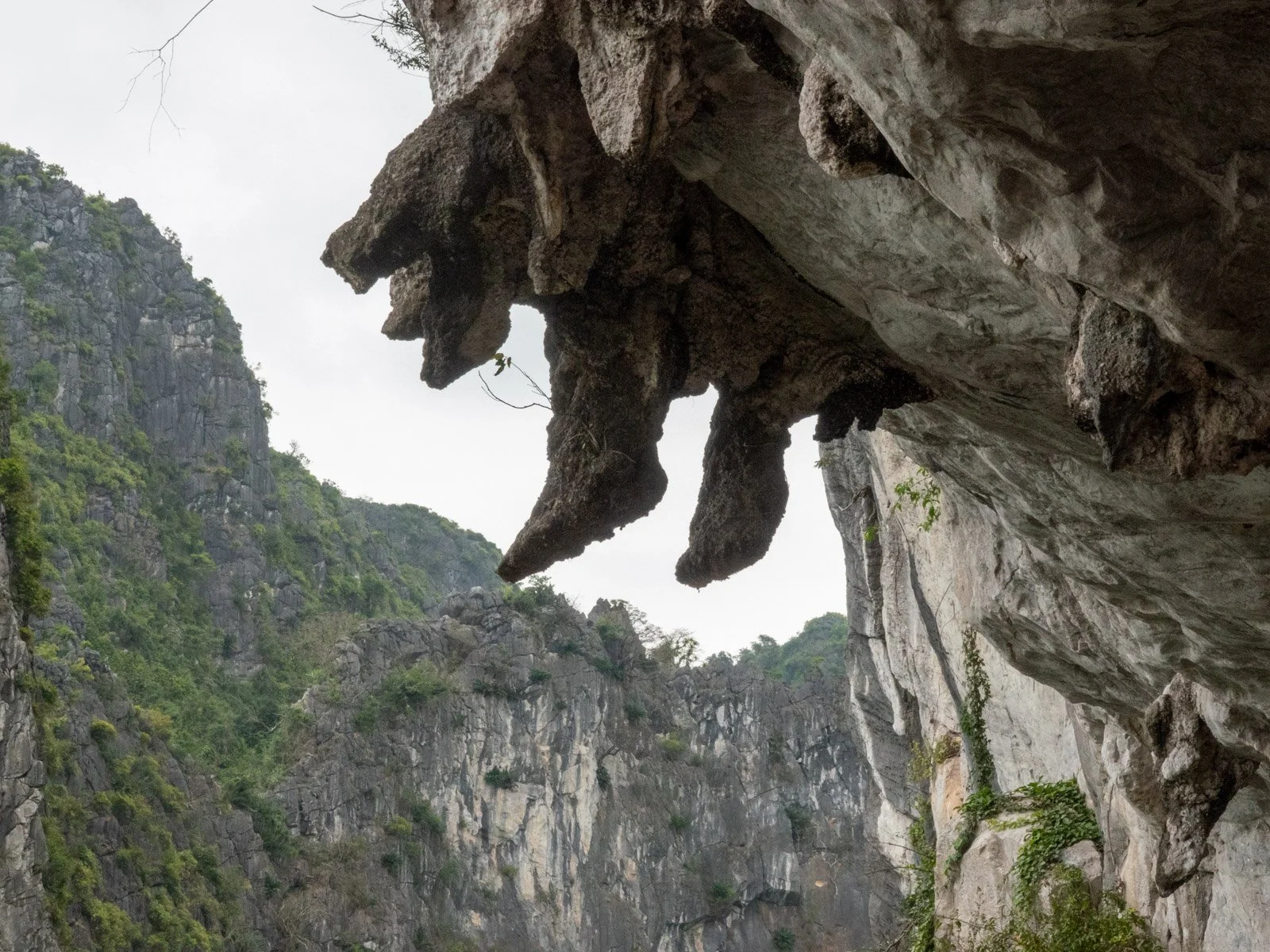
Interesting stalactite formation in Sung Sot Cave in Ha Long Bay.
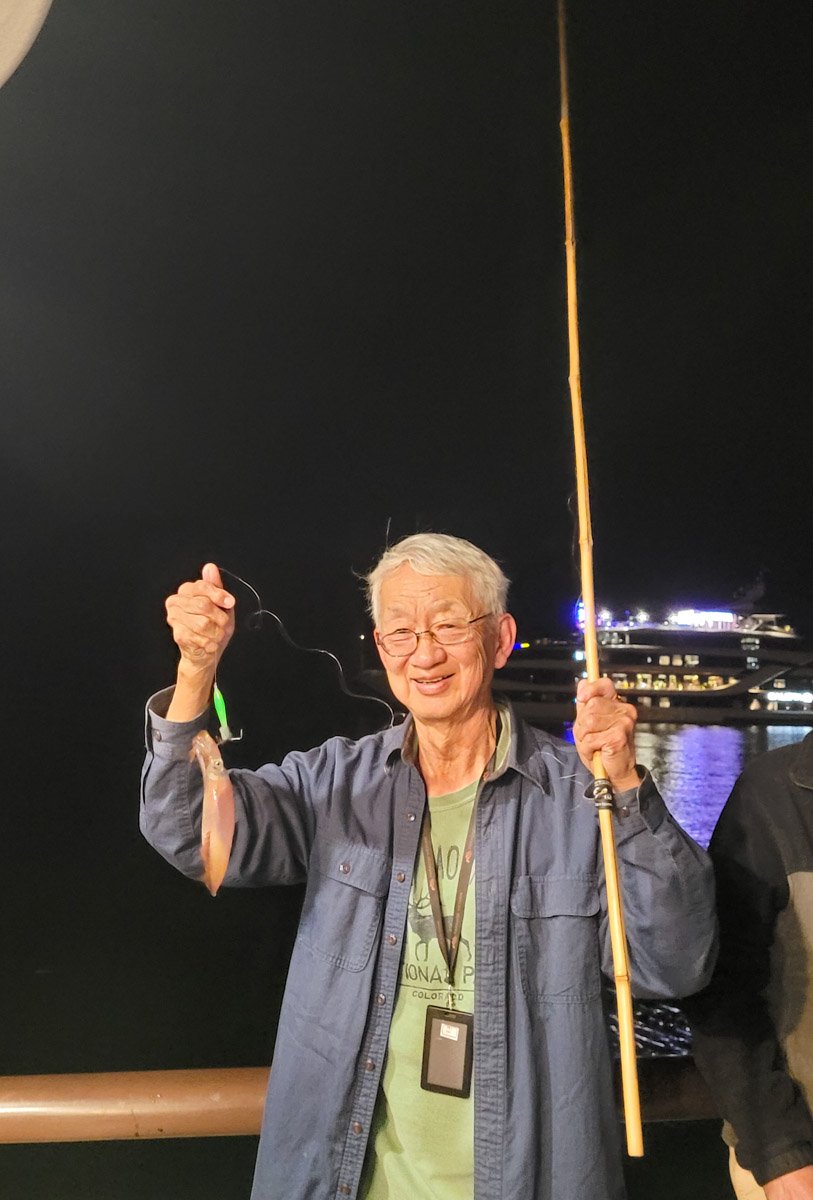
Successful squid fishing at night.
Hoi An
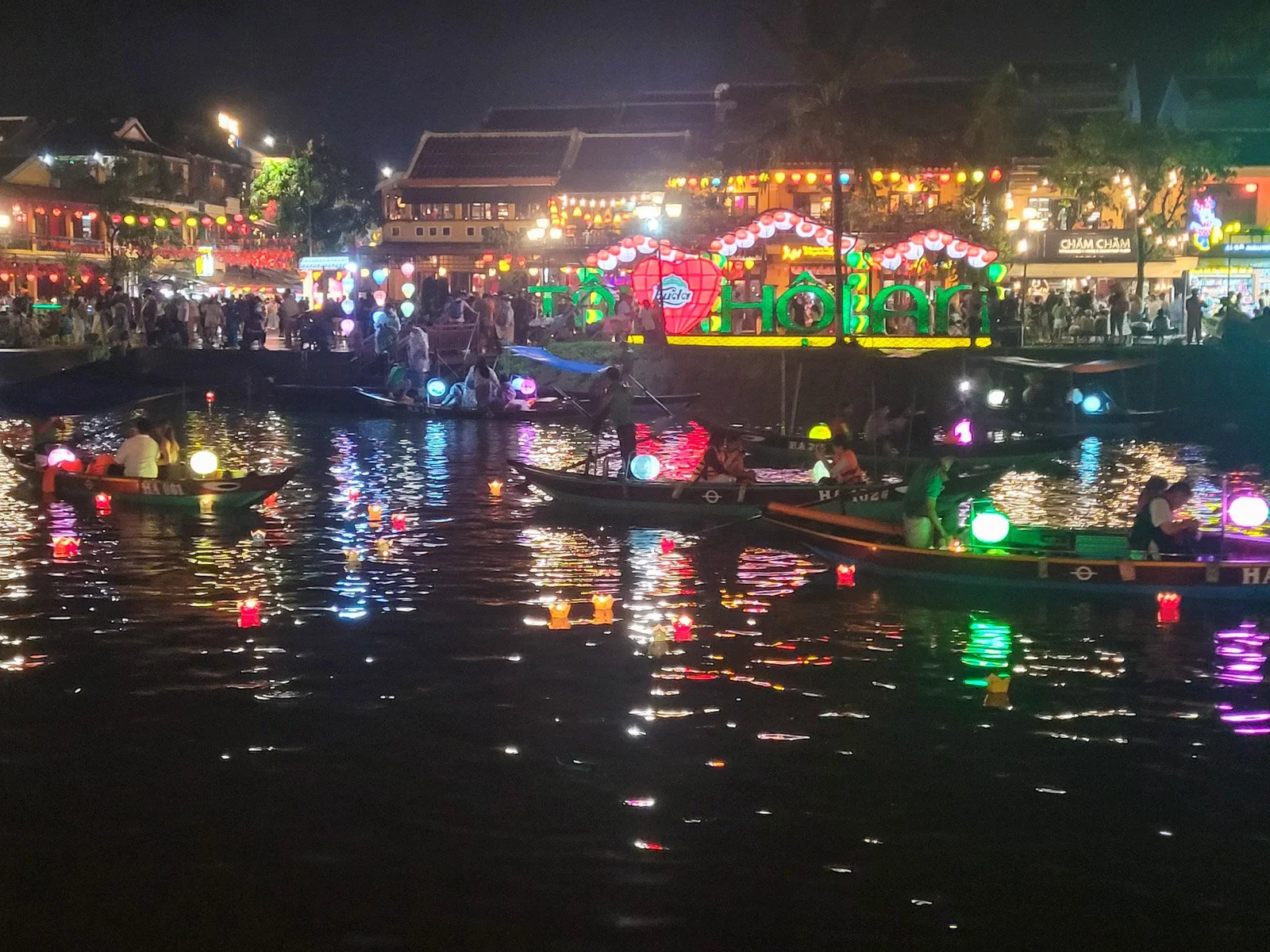
The lively night market on the river
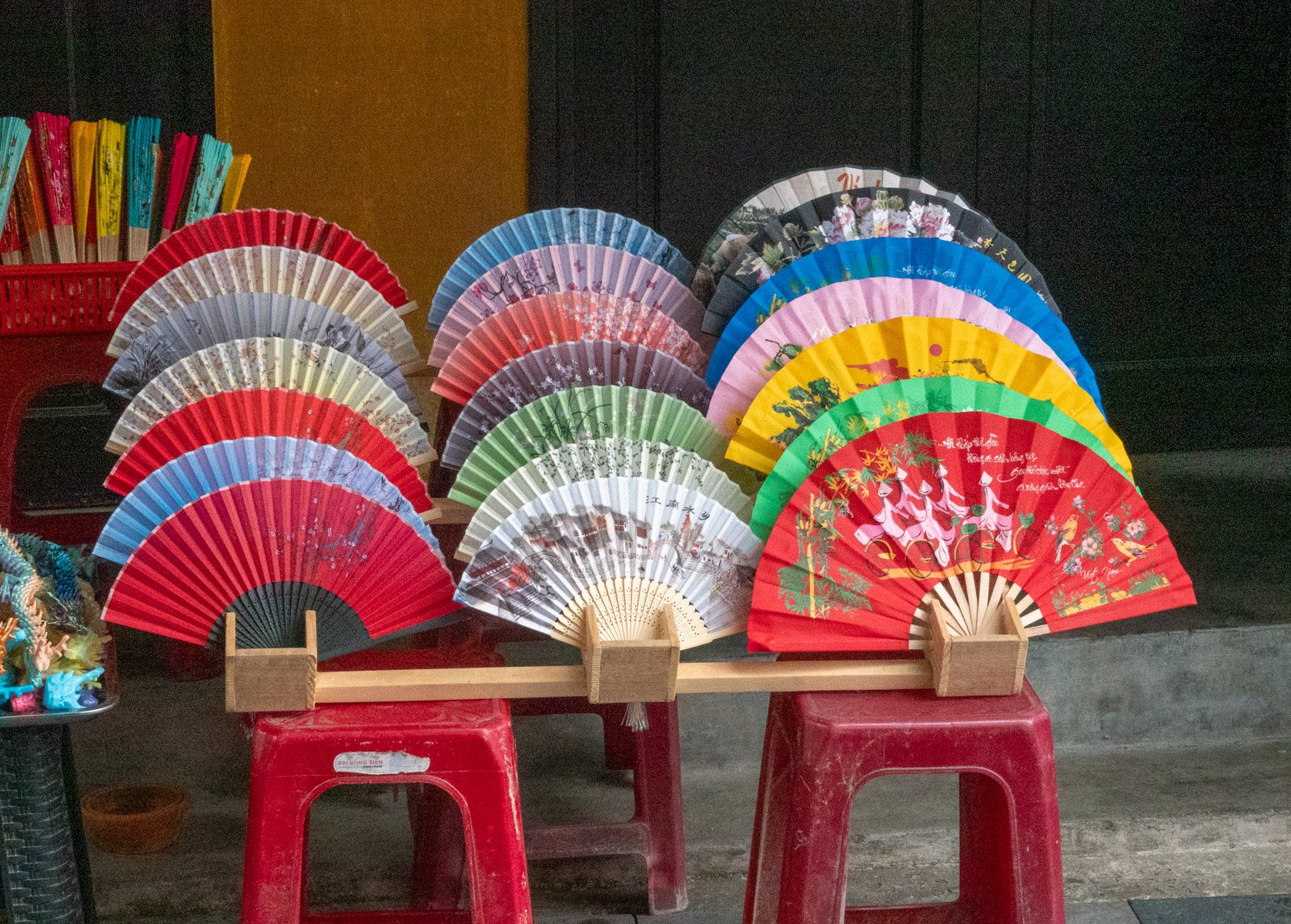
Red Bridge cooking school
One morning we went to the Red Bridge cooking school for lessons on how to make spring rolls and the rice paper wrappers, which we then had for lunch.
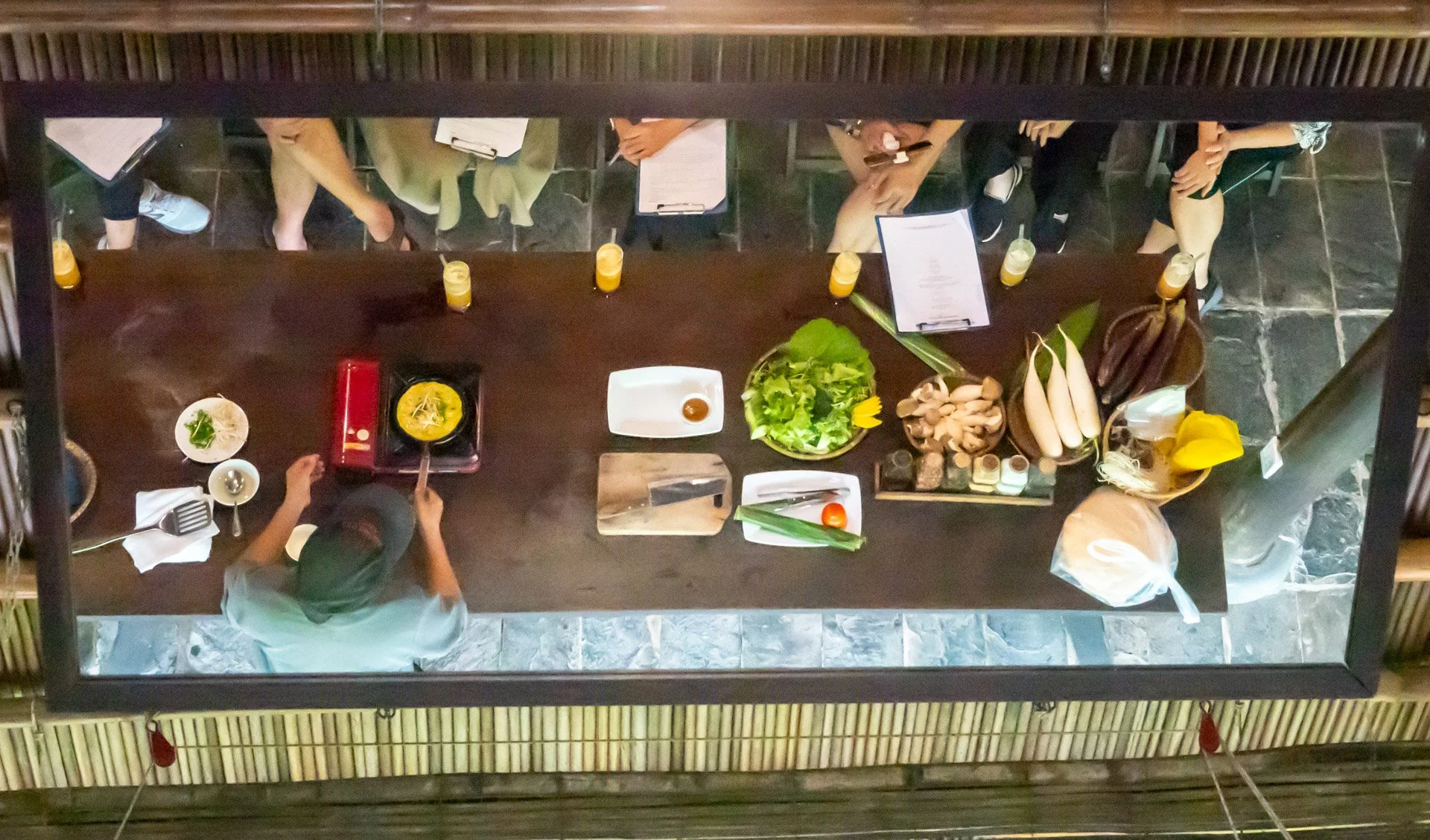
This is the view of the cook demonstrating the techniques as seen from the overhead mirror.
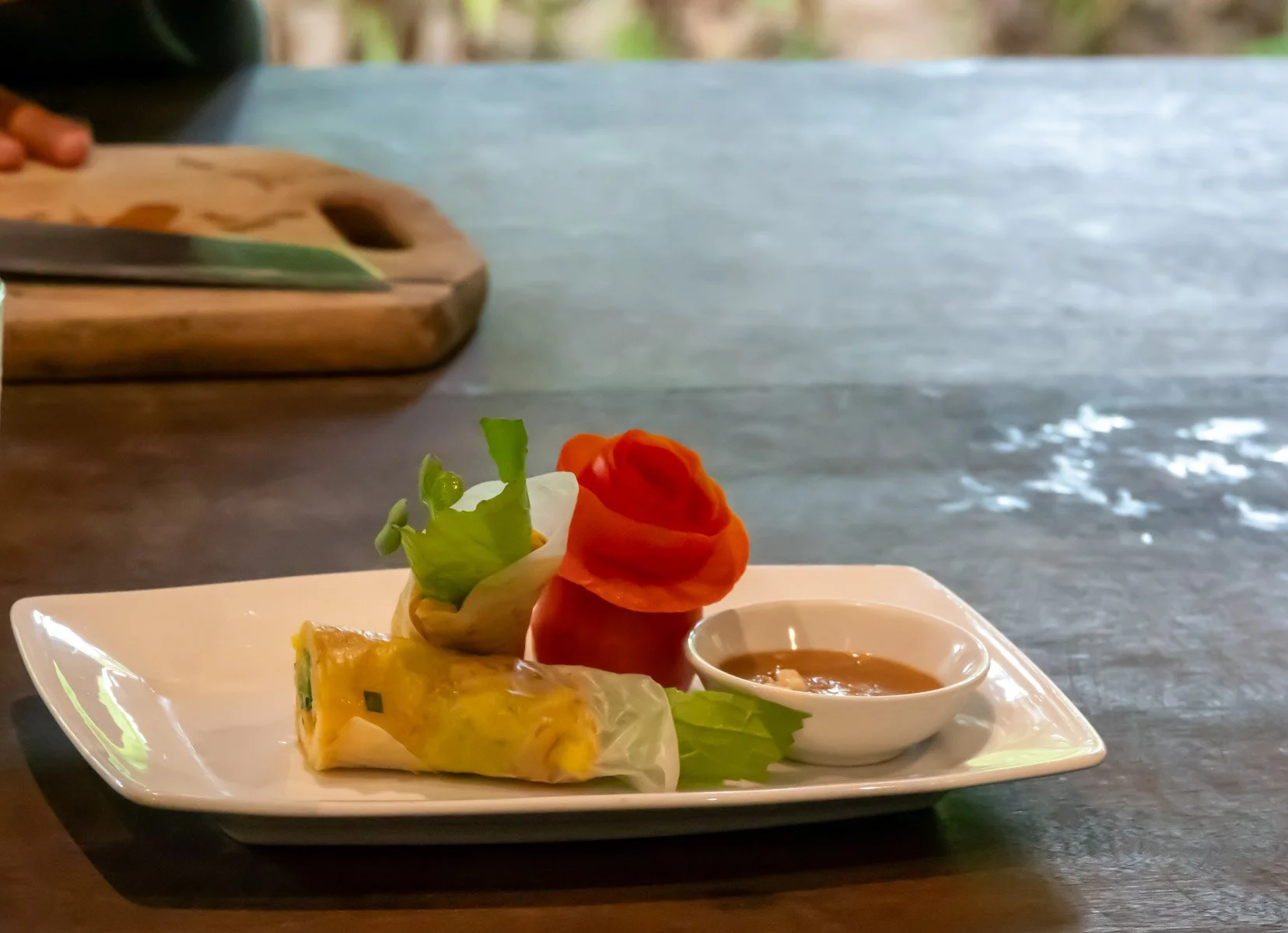
Our lunch
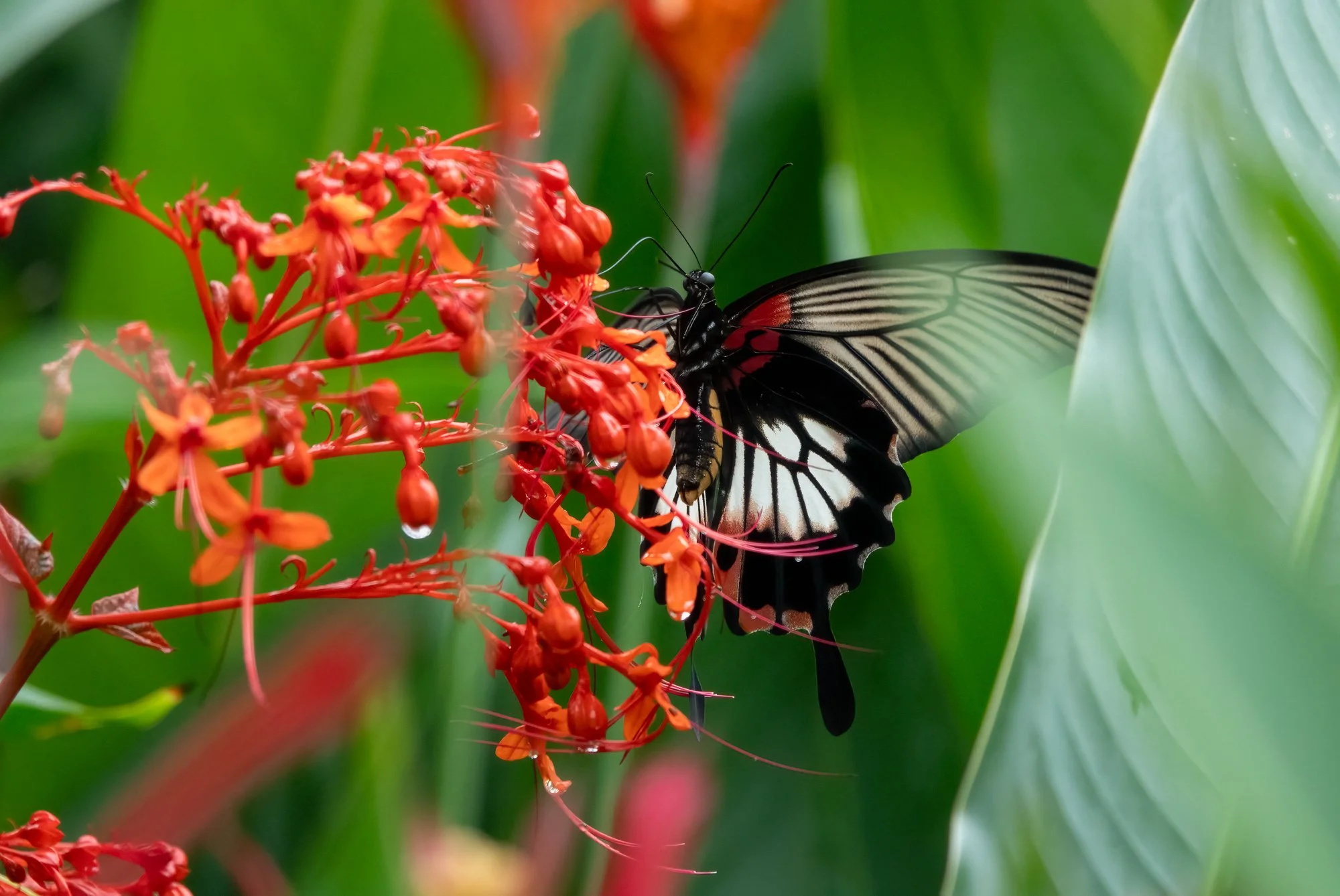
Bamboo basket boat ride
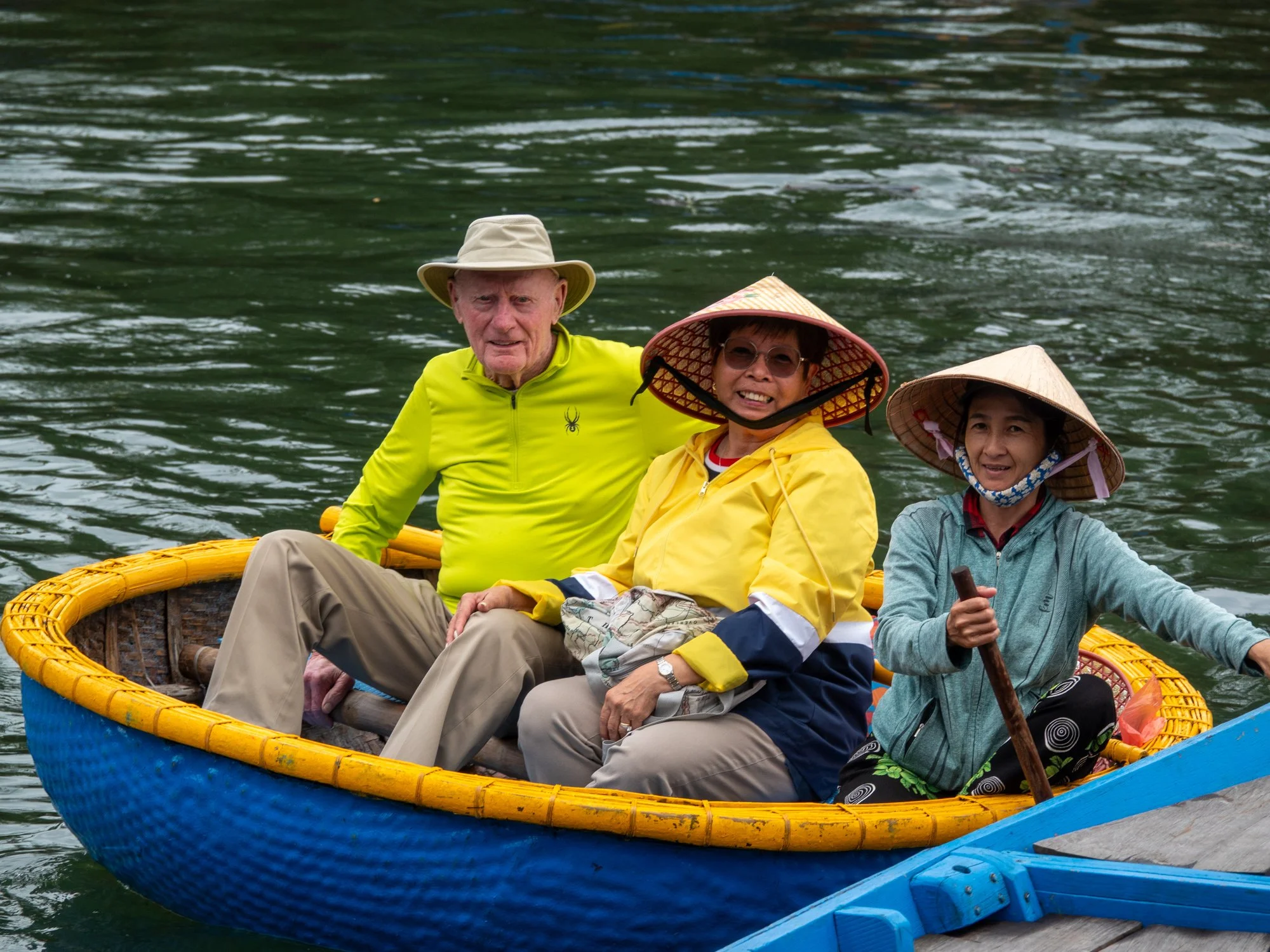
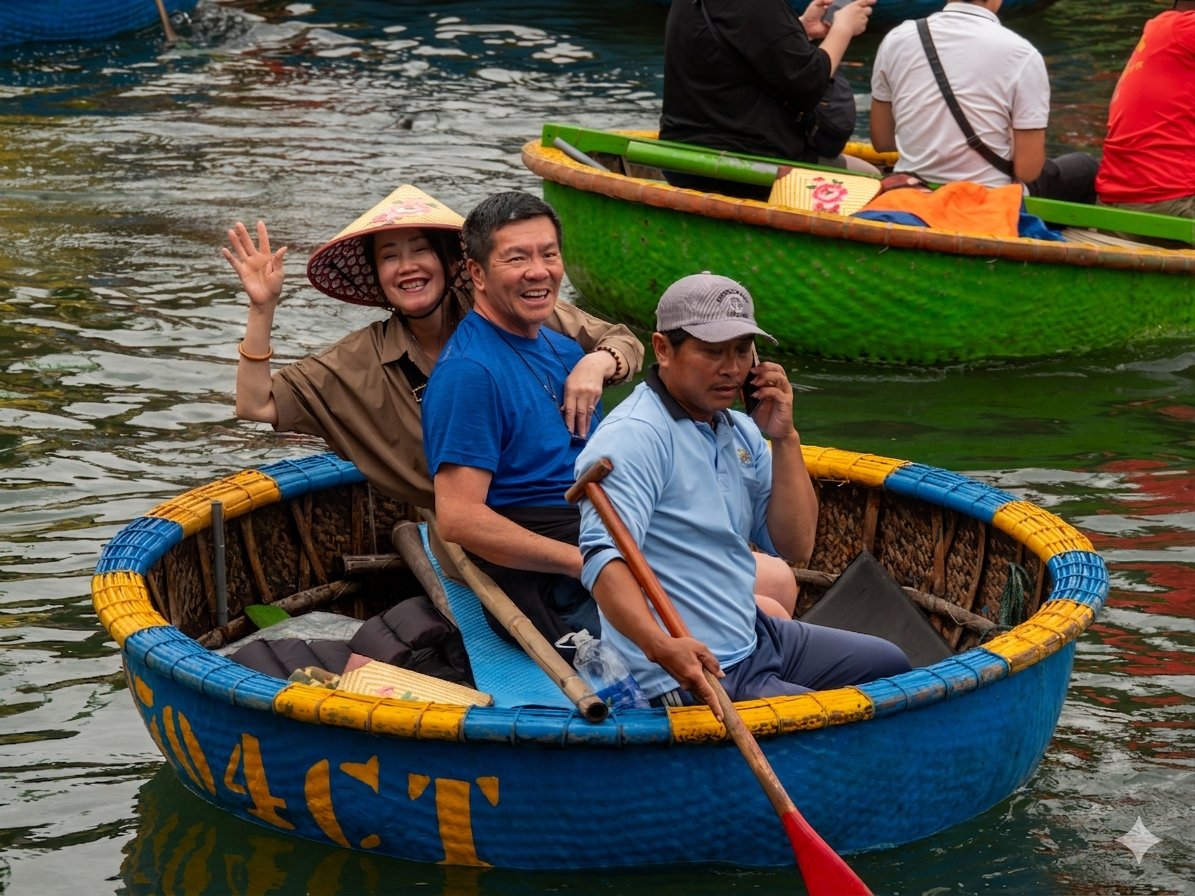
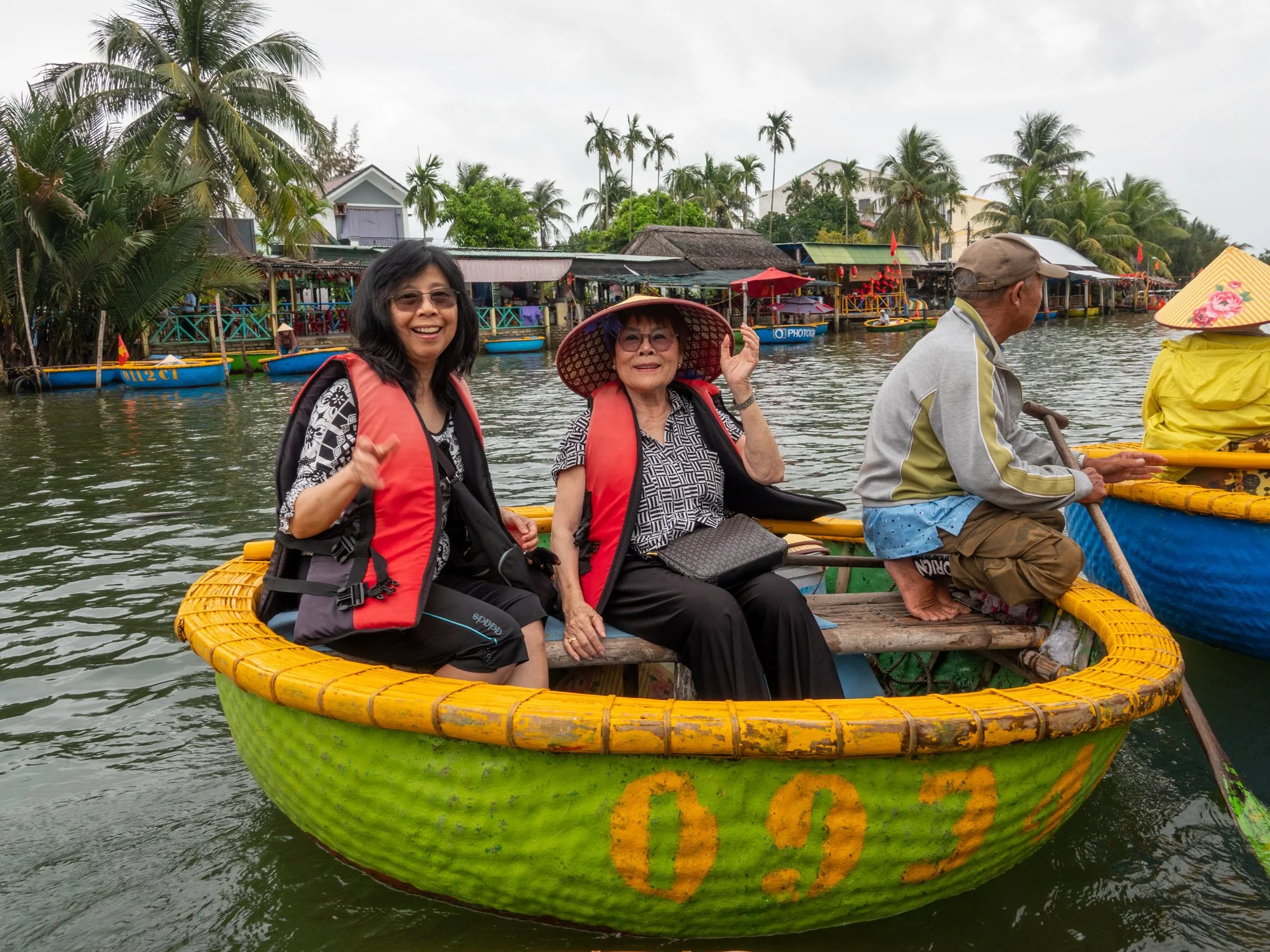
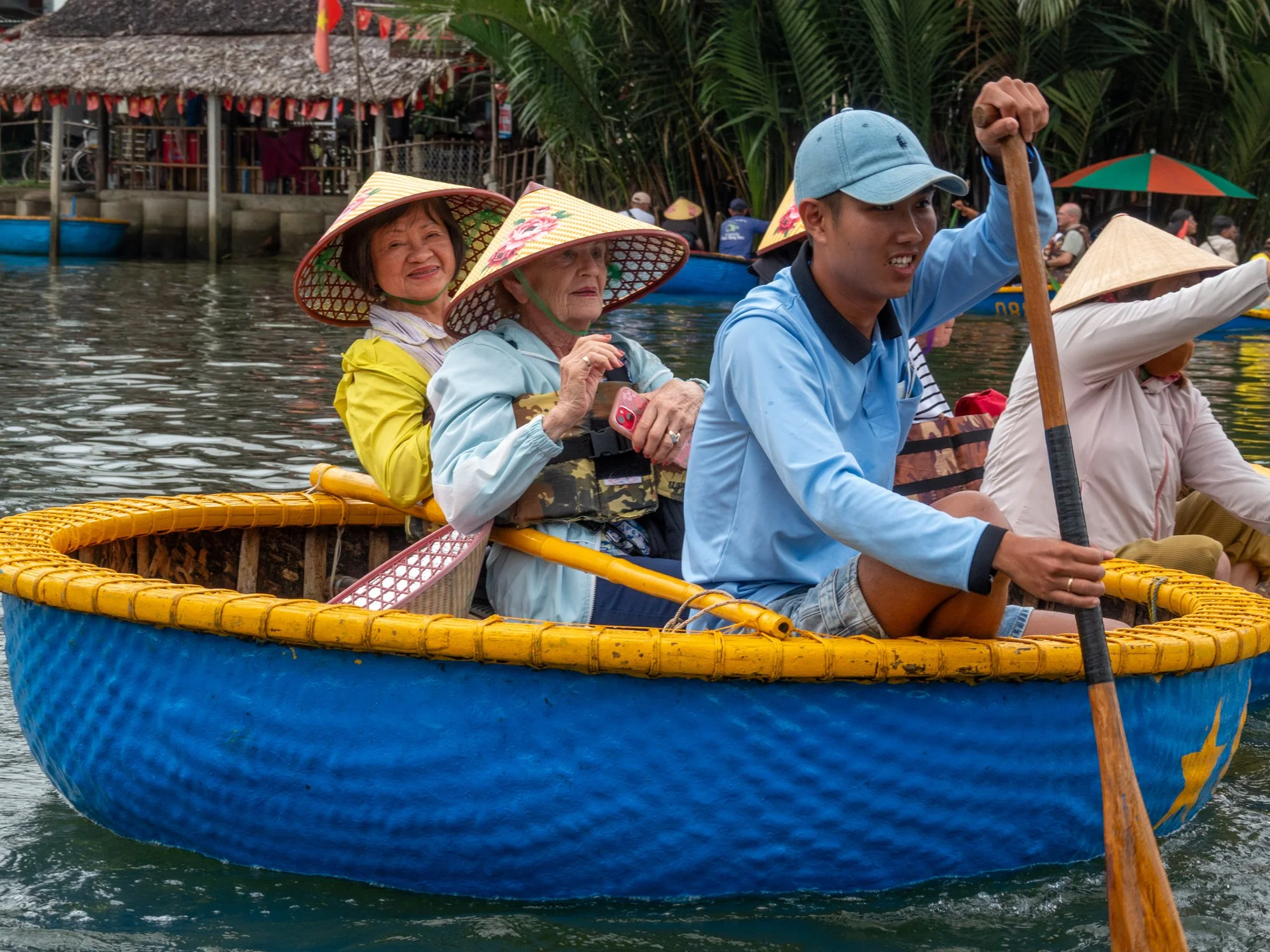
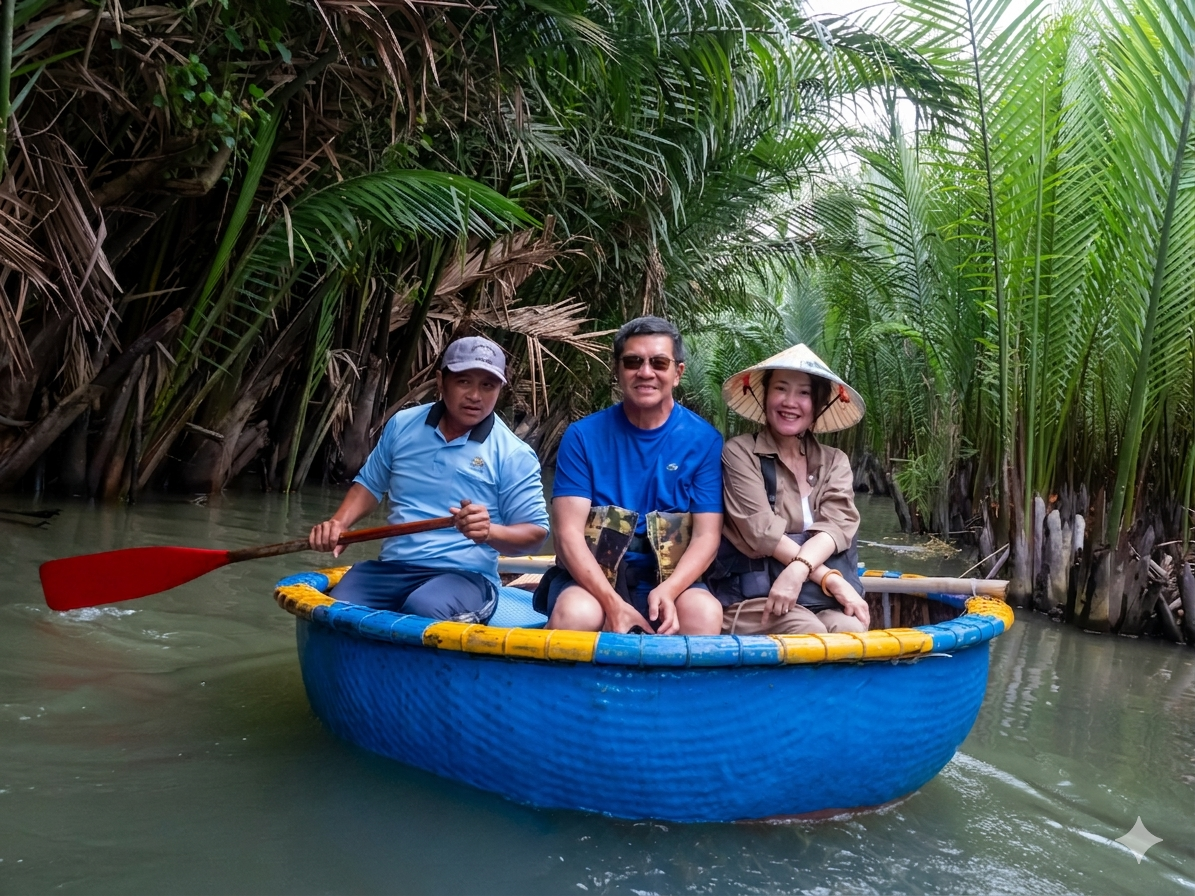
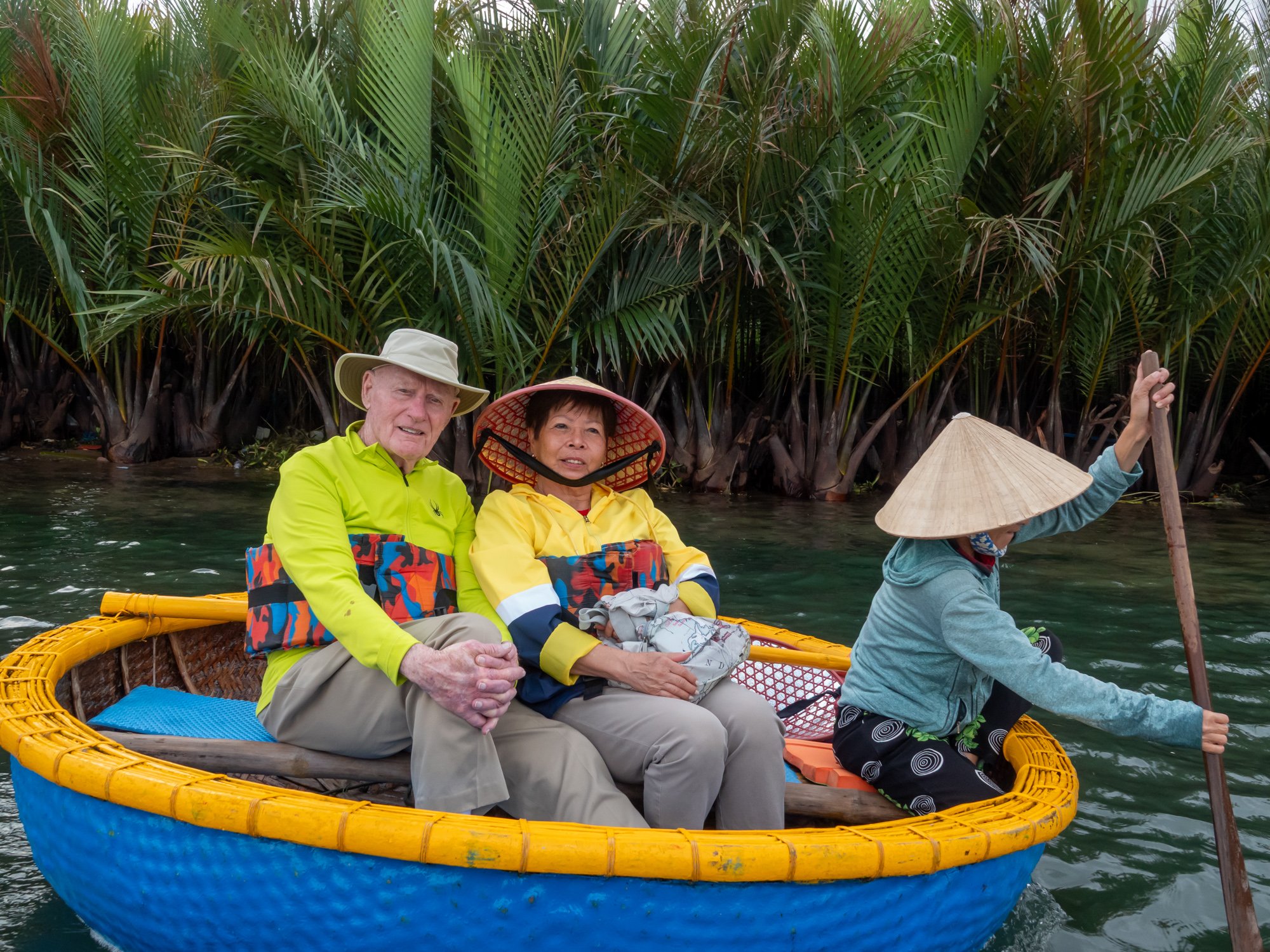
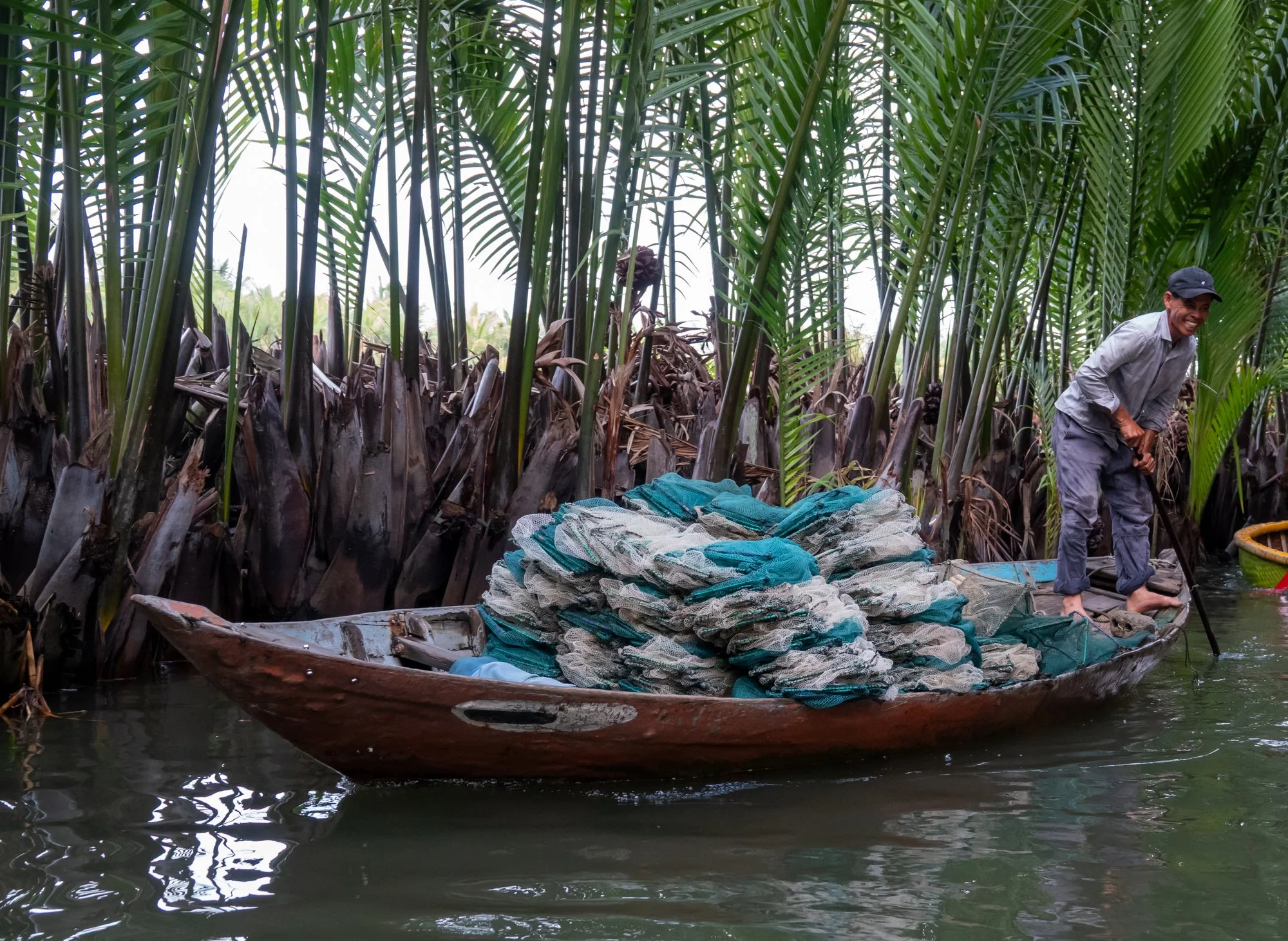
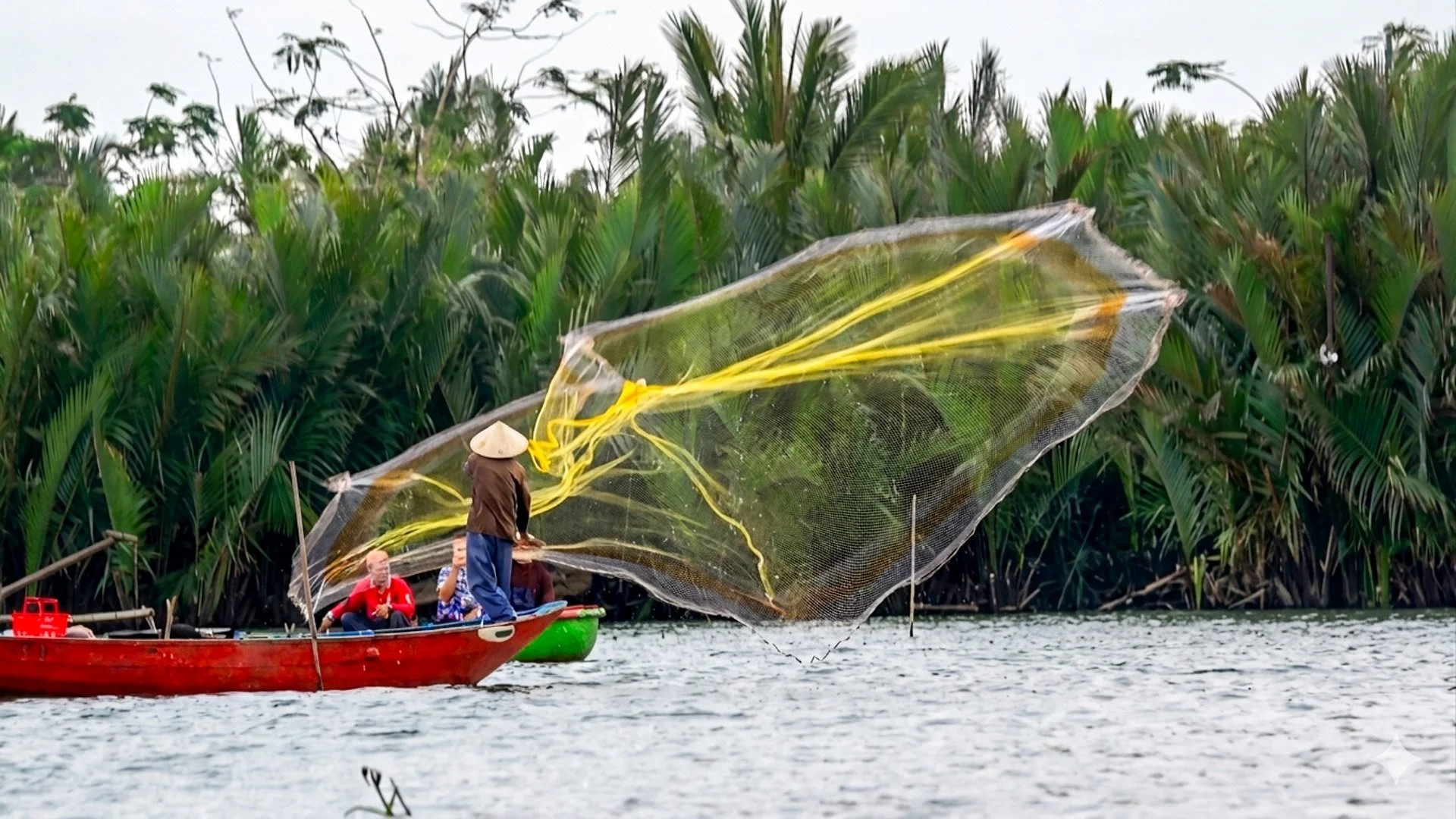
Casting a net.
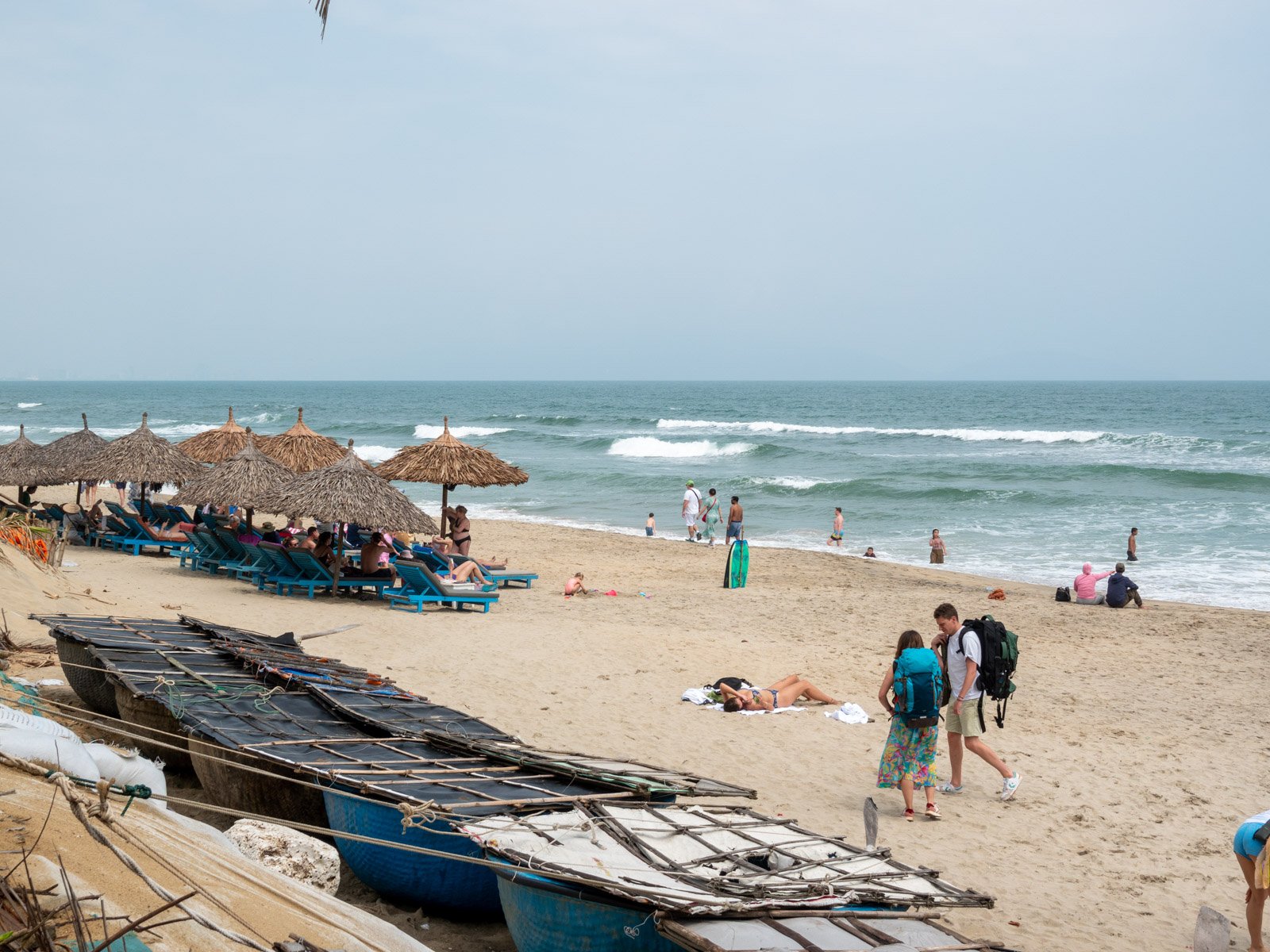
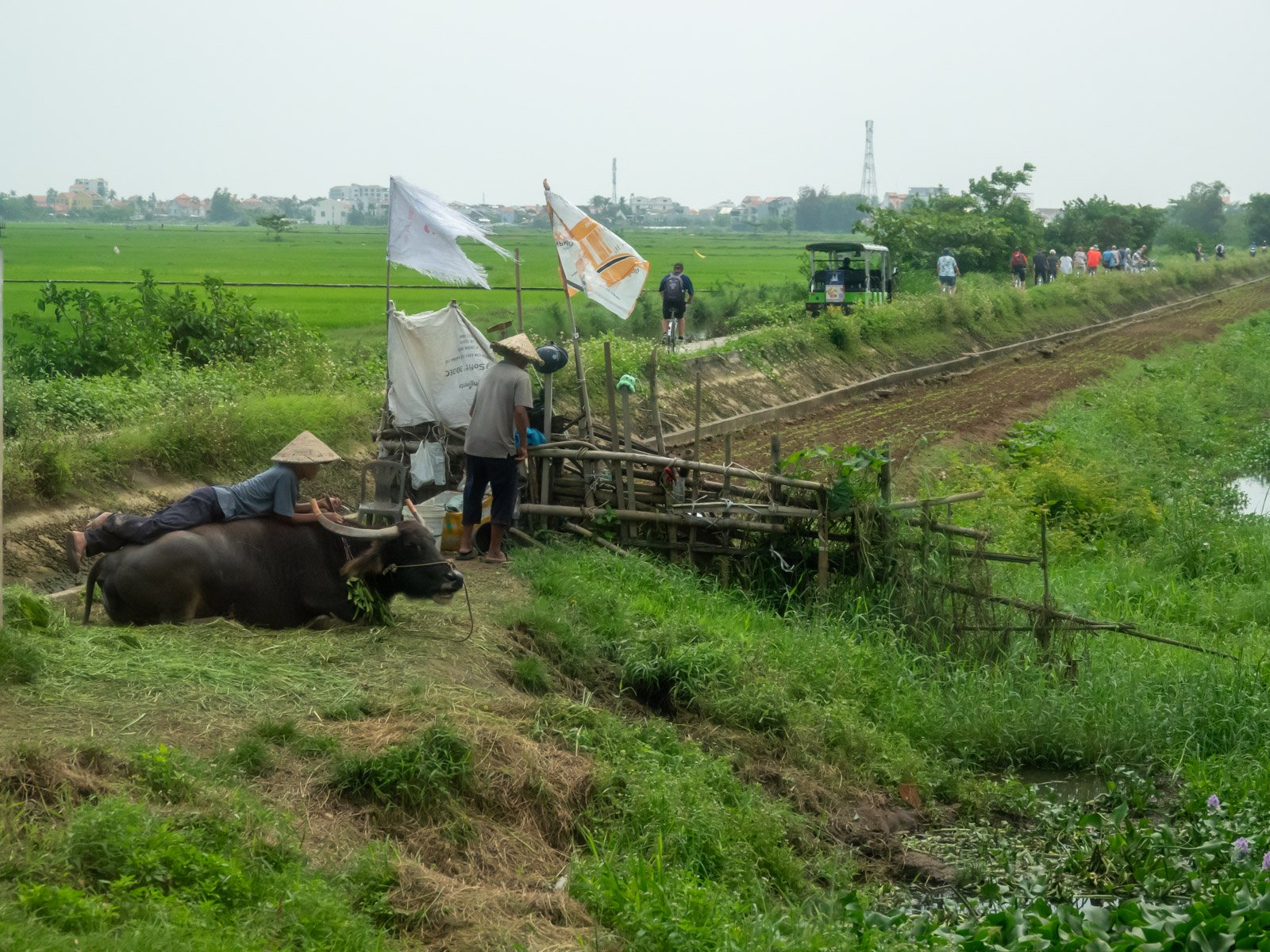
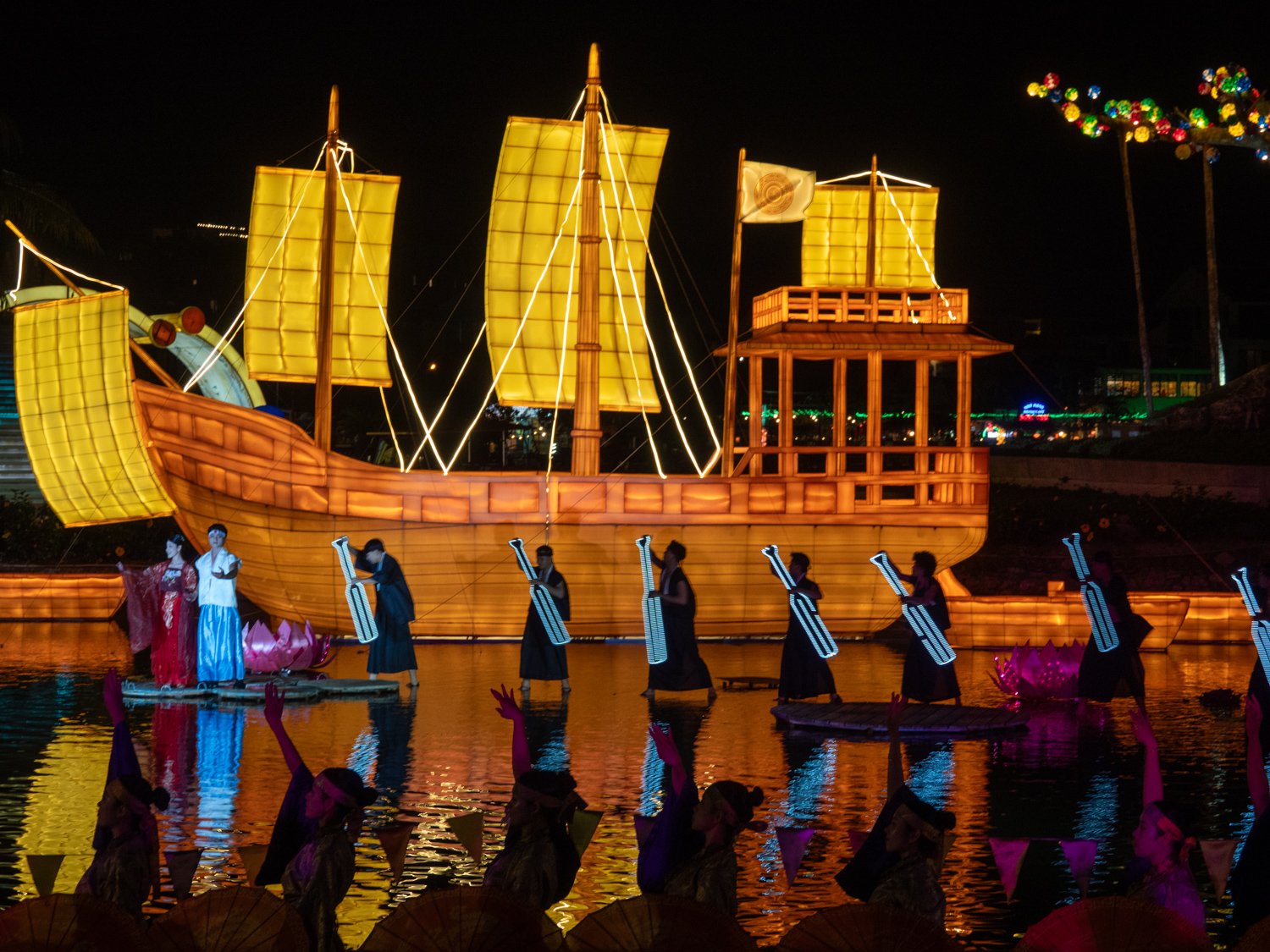
Hoi An Memories show
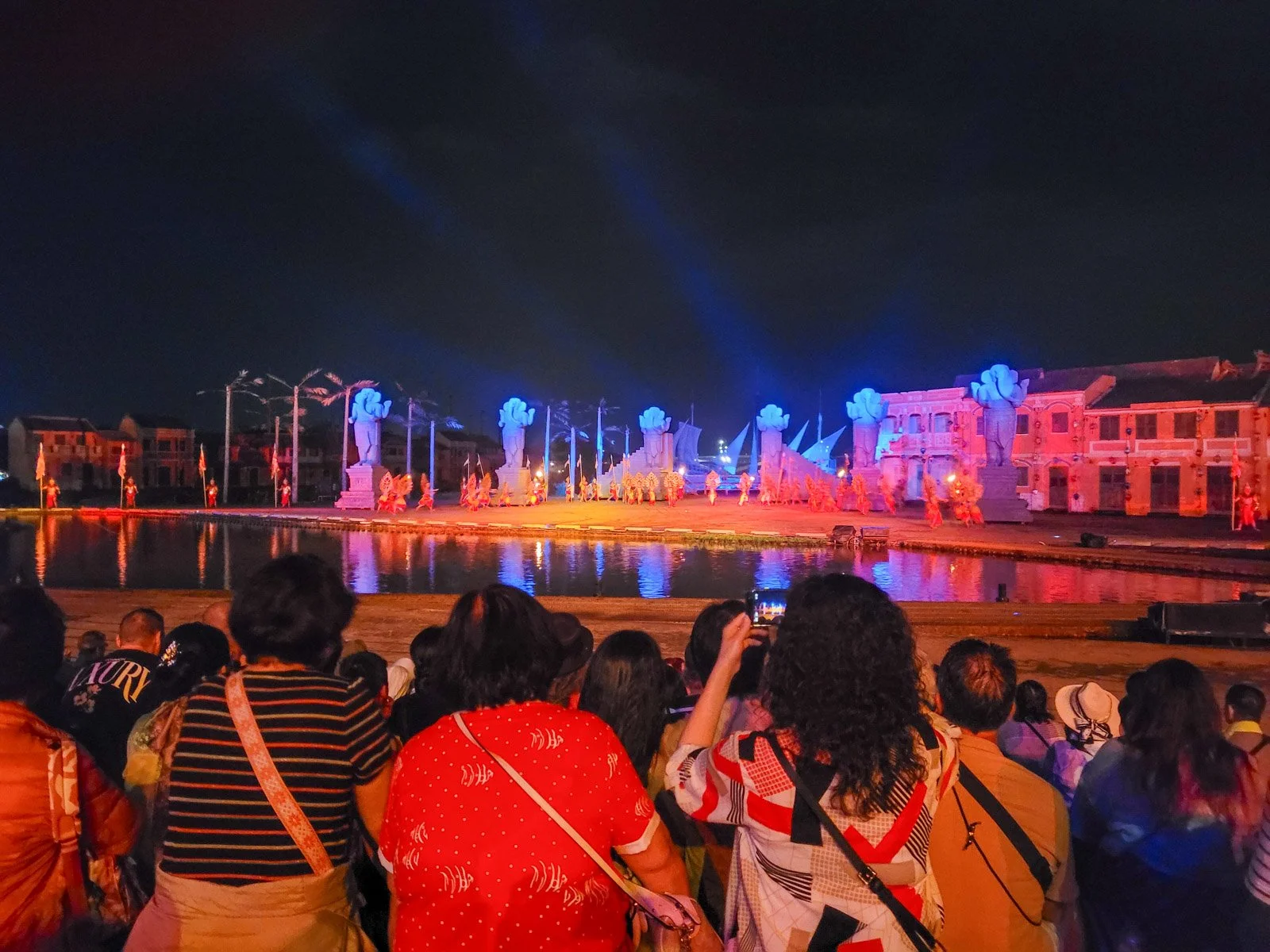
One evening we attended the Hoi An Memories show which is set in a large amphitheater with a massive stage. The staging, lighting, dancing and music were well-done and would have been better if we could understand the language and knew more of the history of the country.
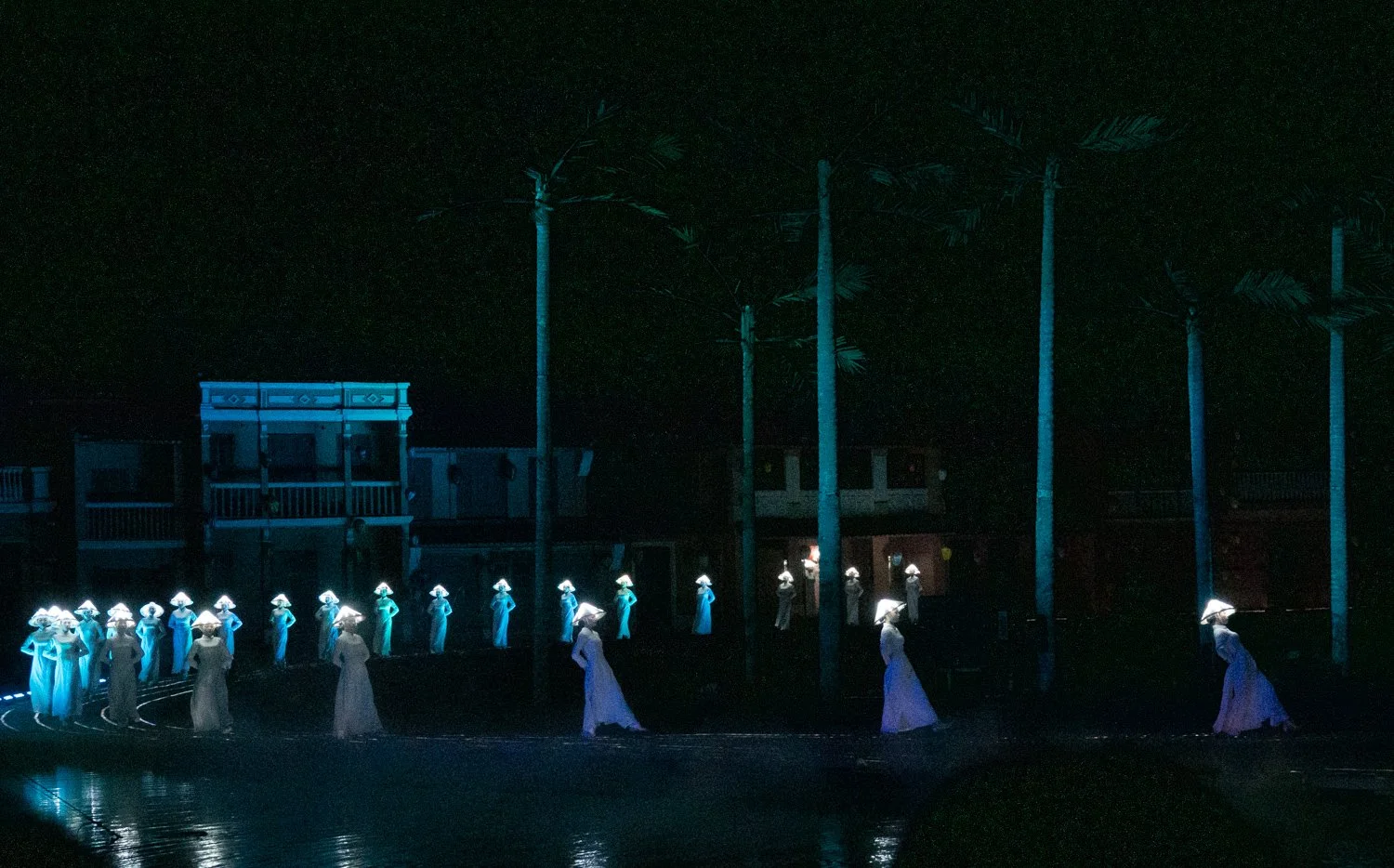
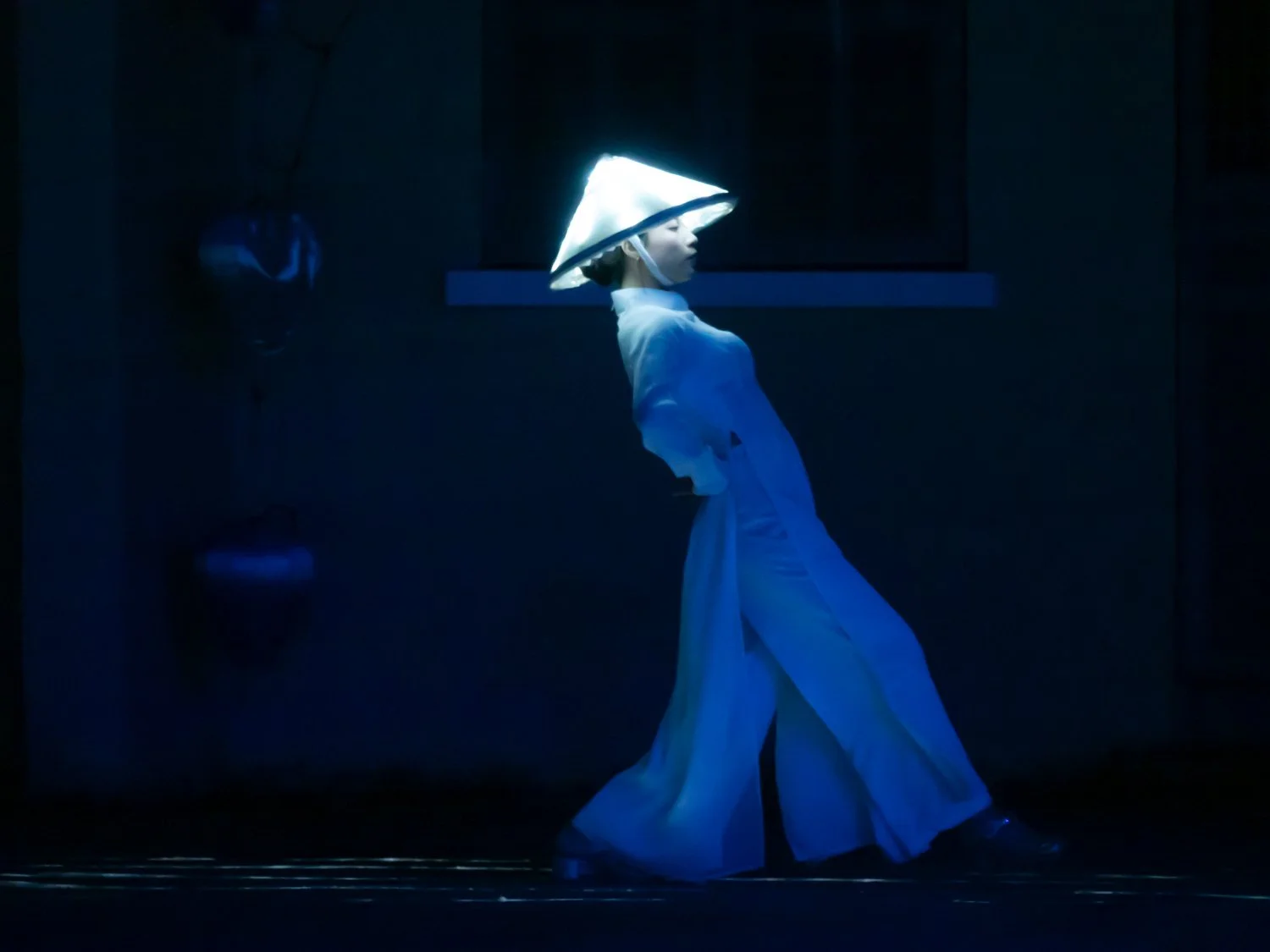
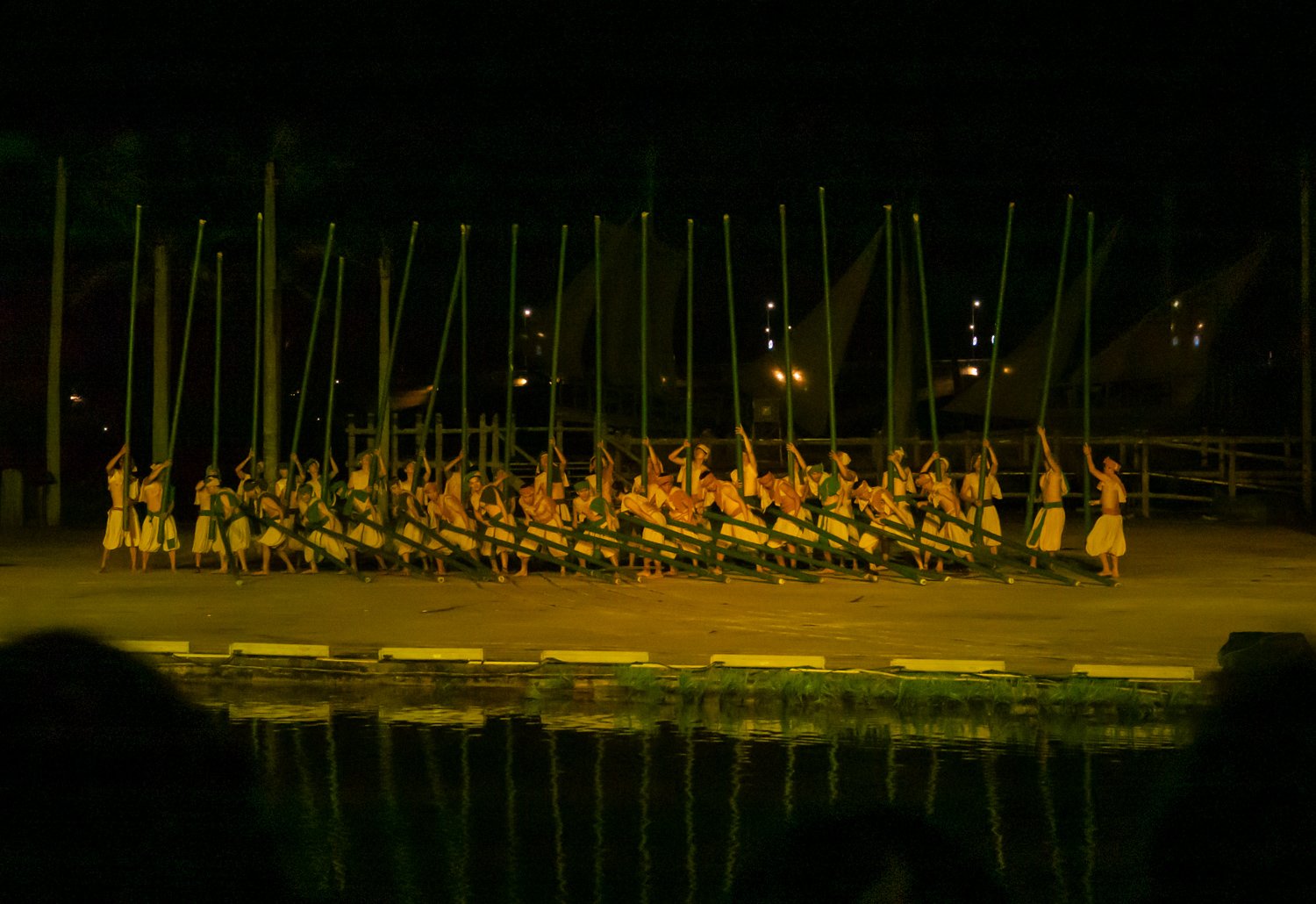
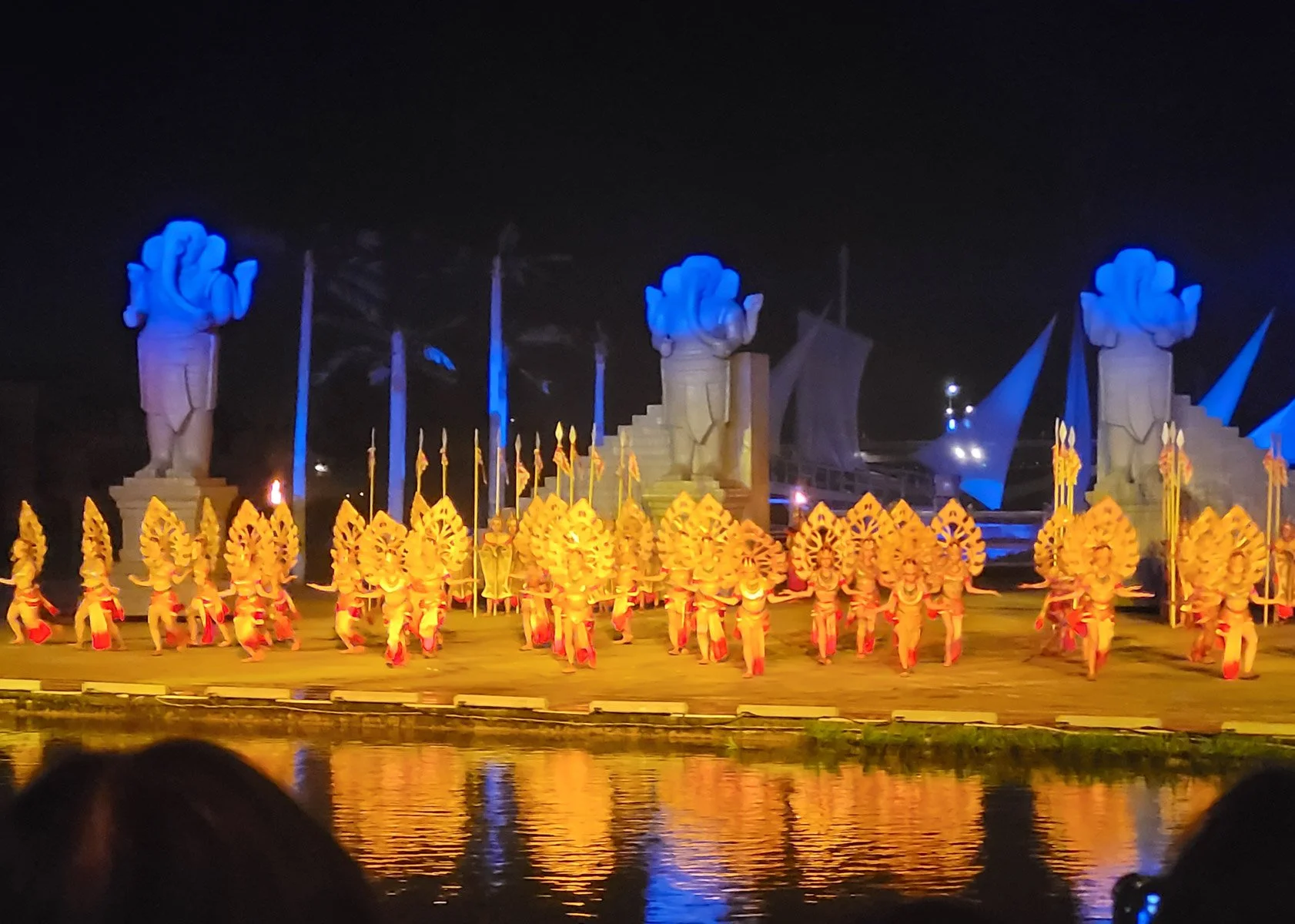
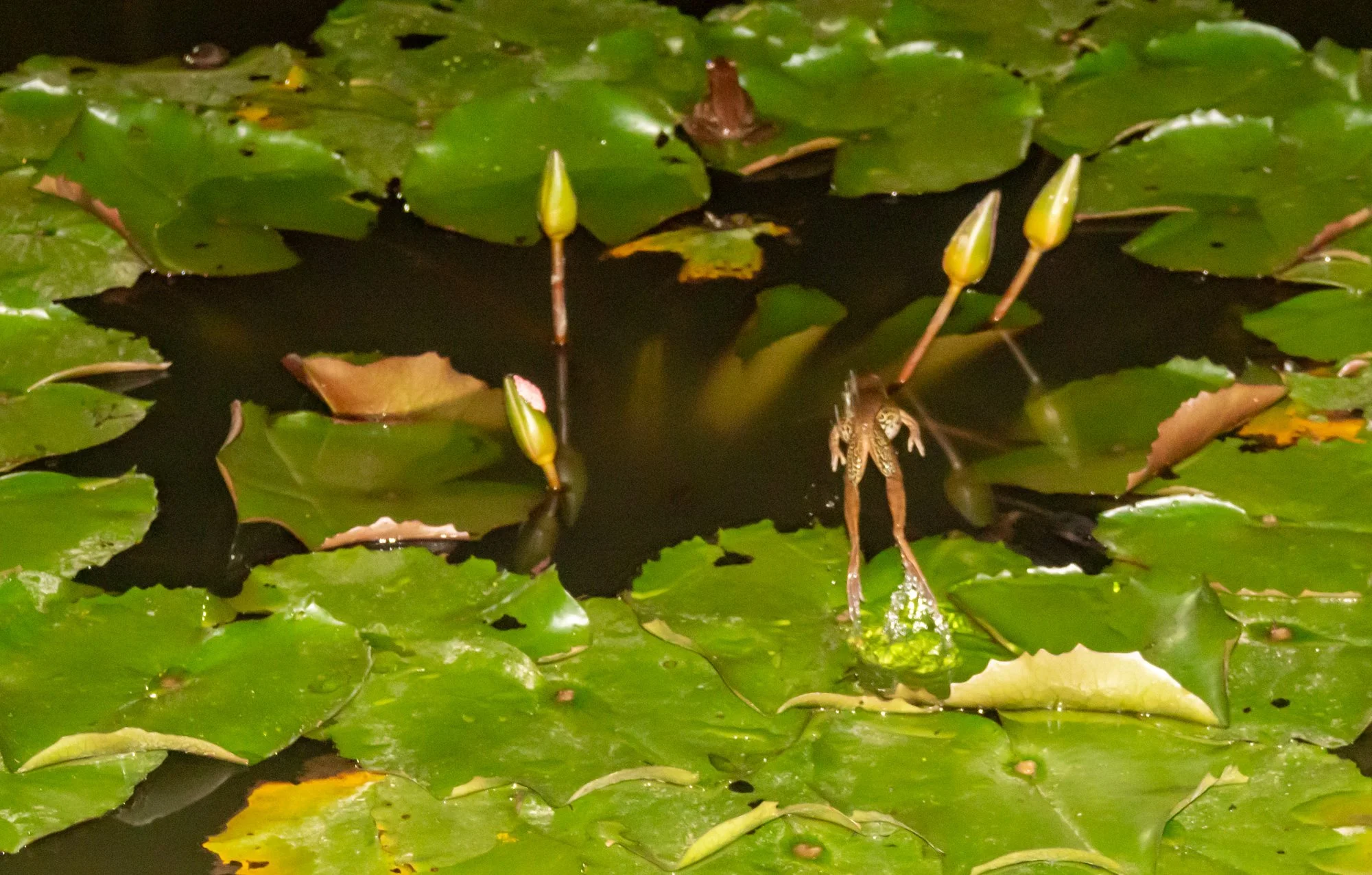
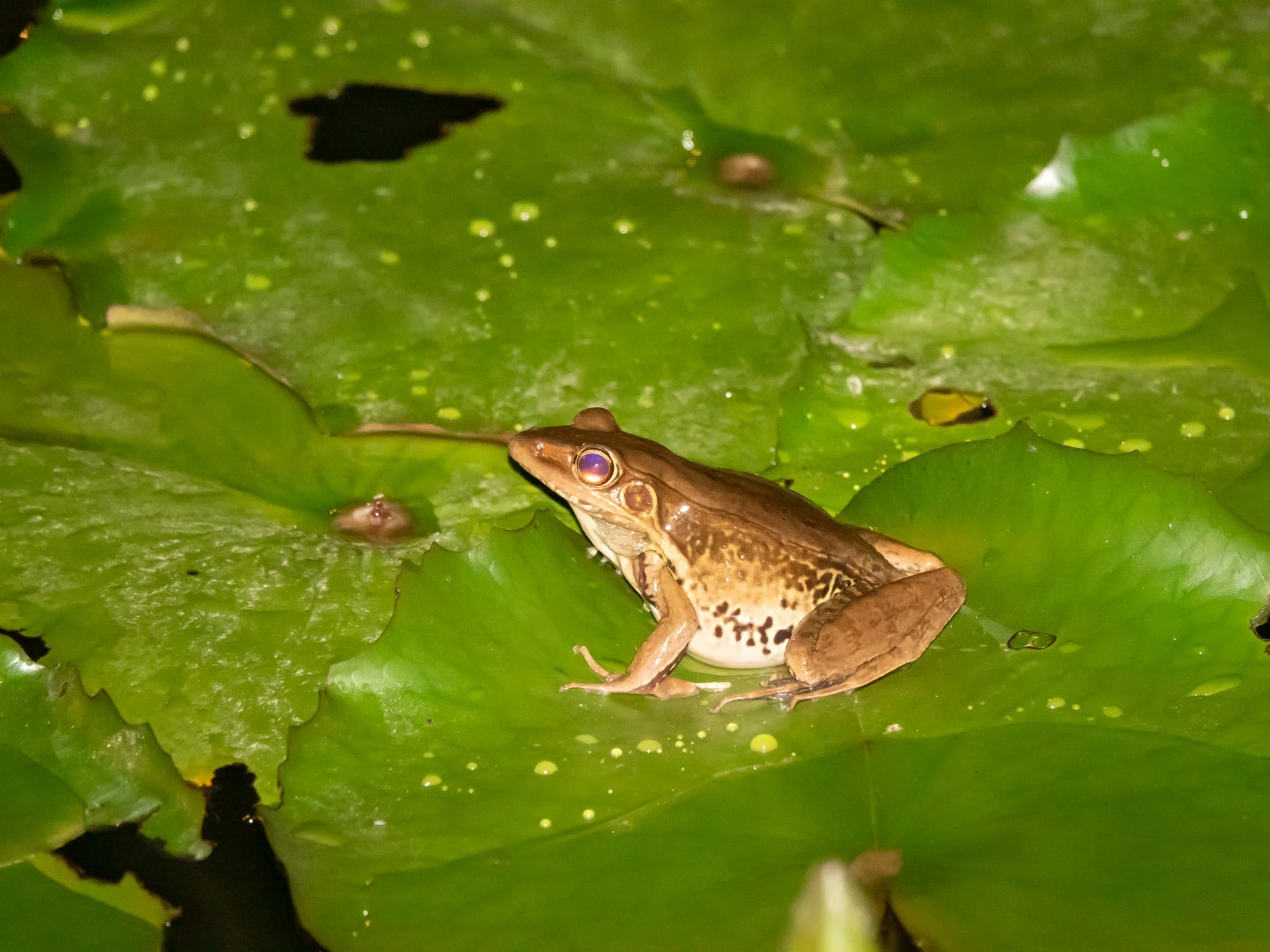
As we left the show I heard frogs croaking from the ponds along the way.
Ho Chi Minh (formerly Saigon)
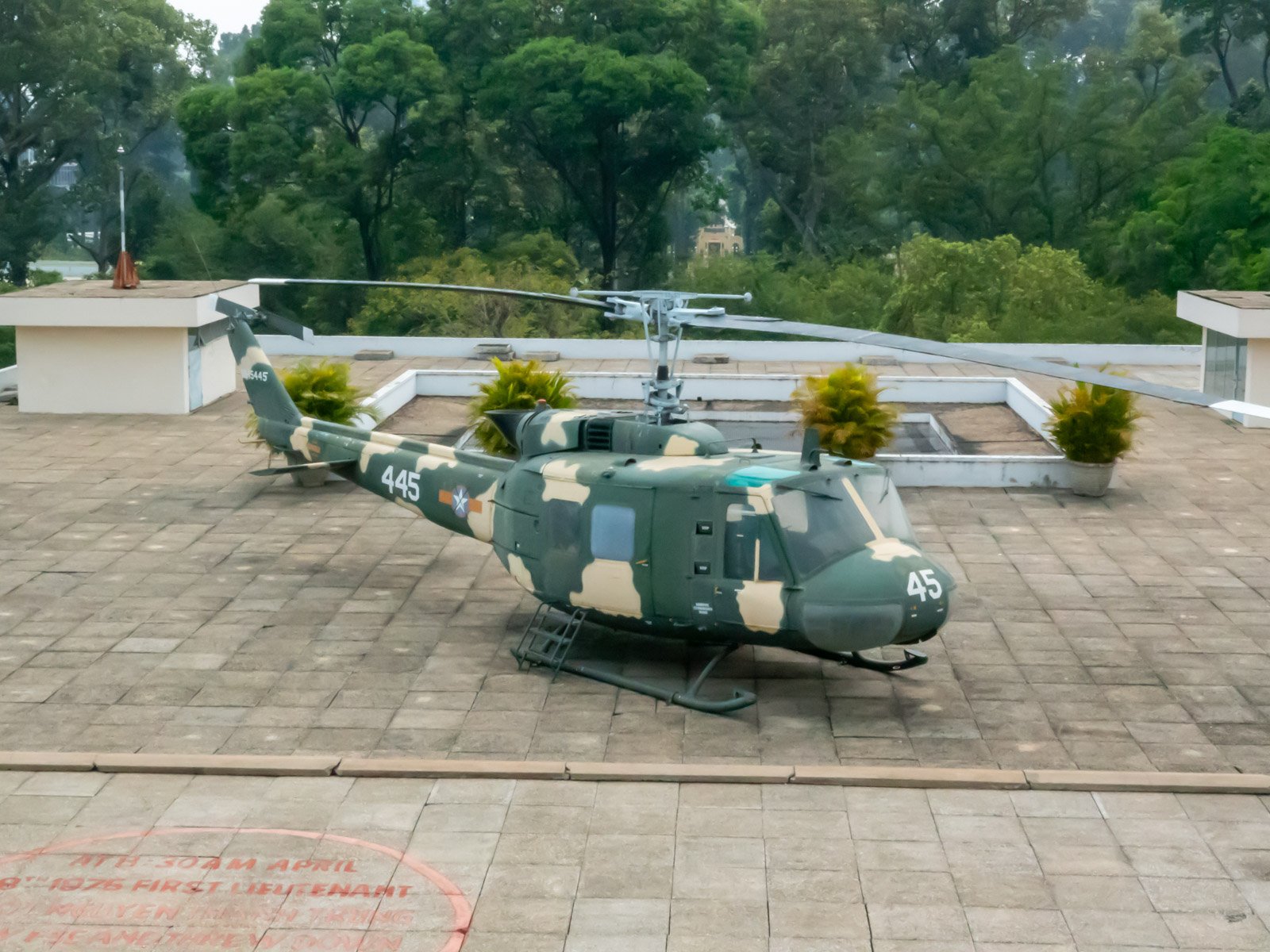
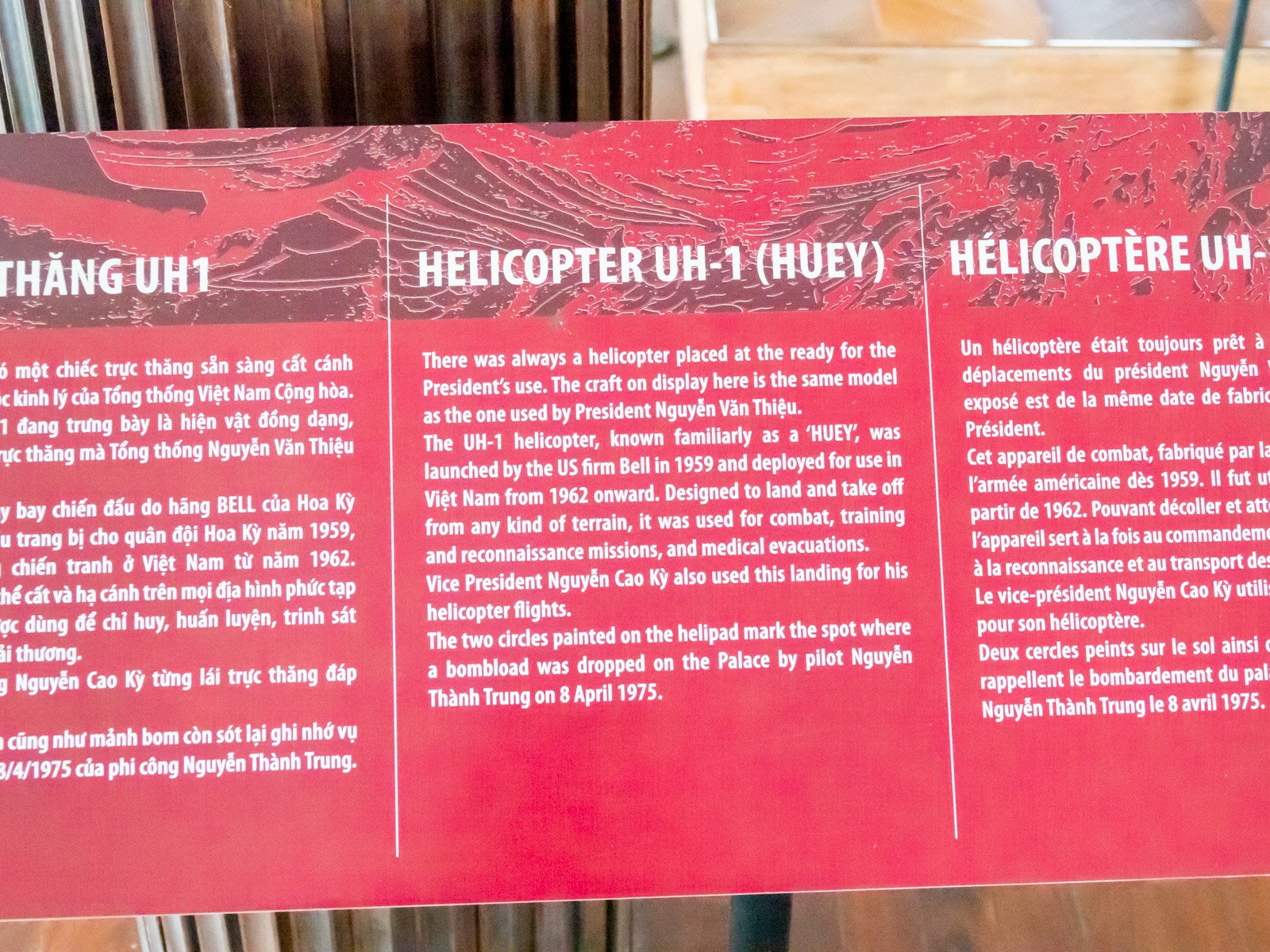
At the old Presidential palace they show an old USA “Huey” helicopter which was kept at the helipad for use by the President in case of emergencies.
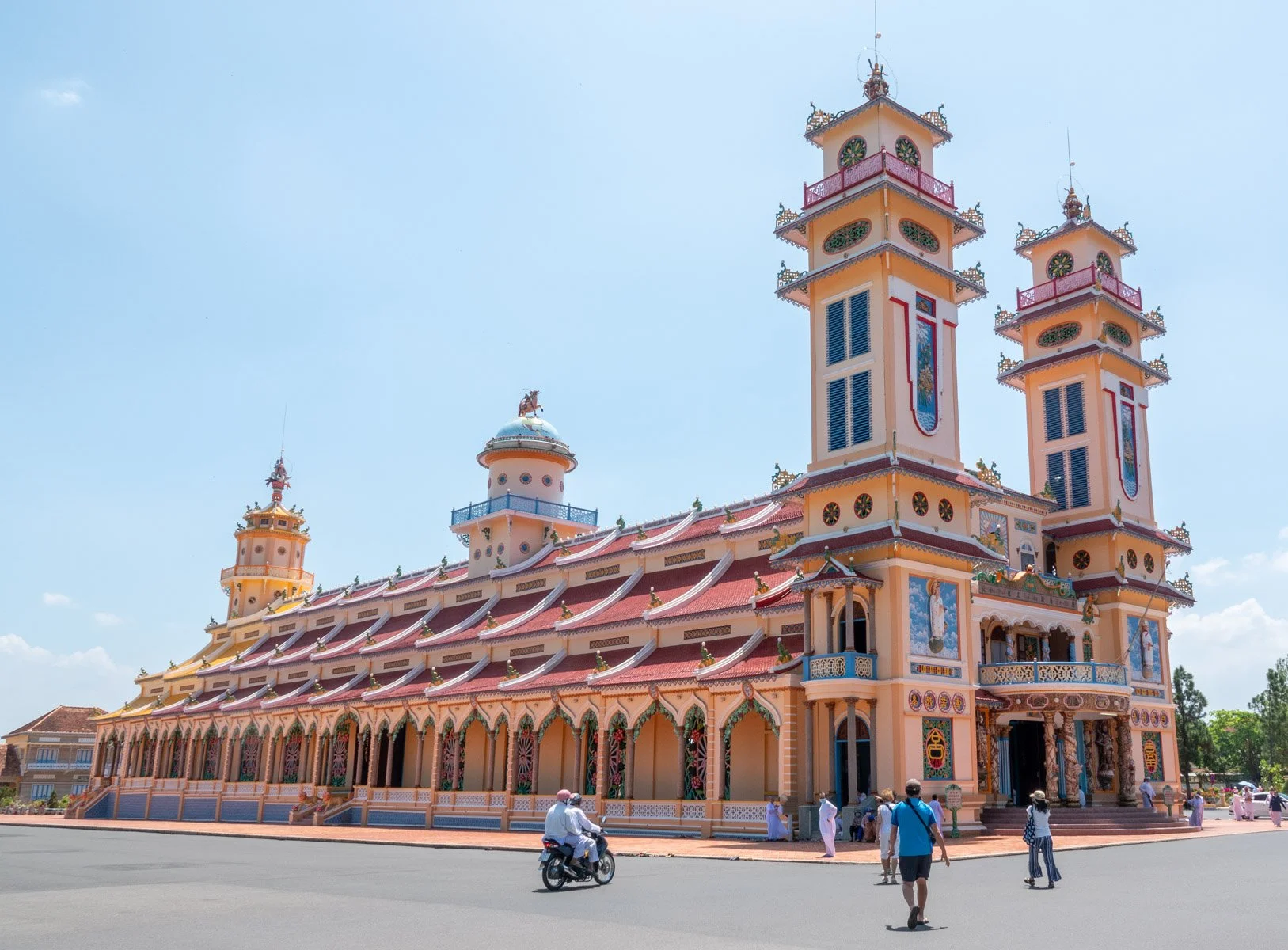
Cao Dai Temple in Tay Ninh
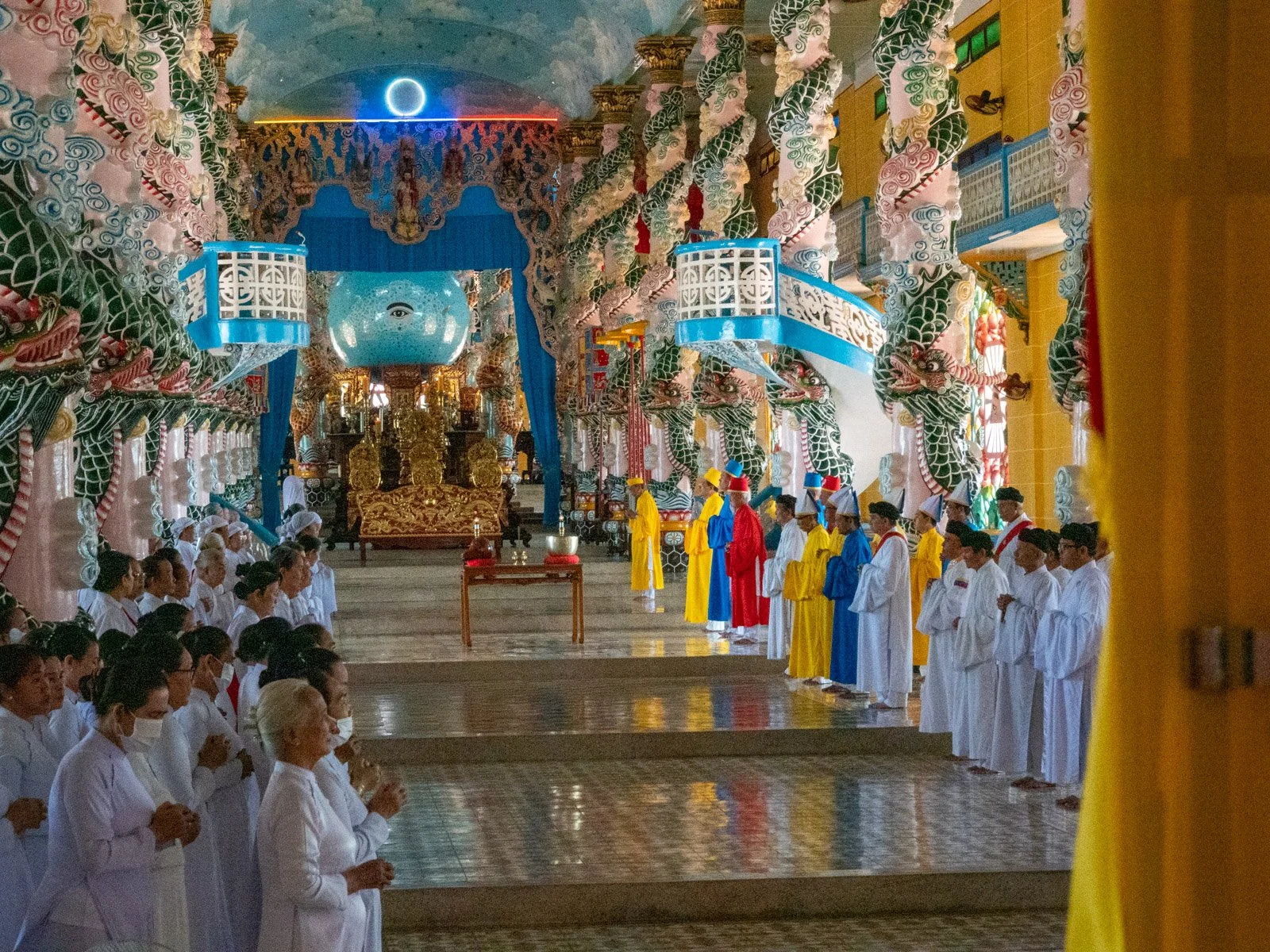
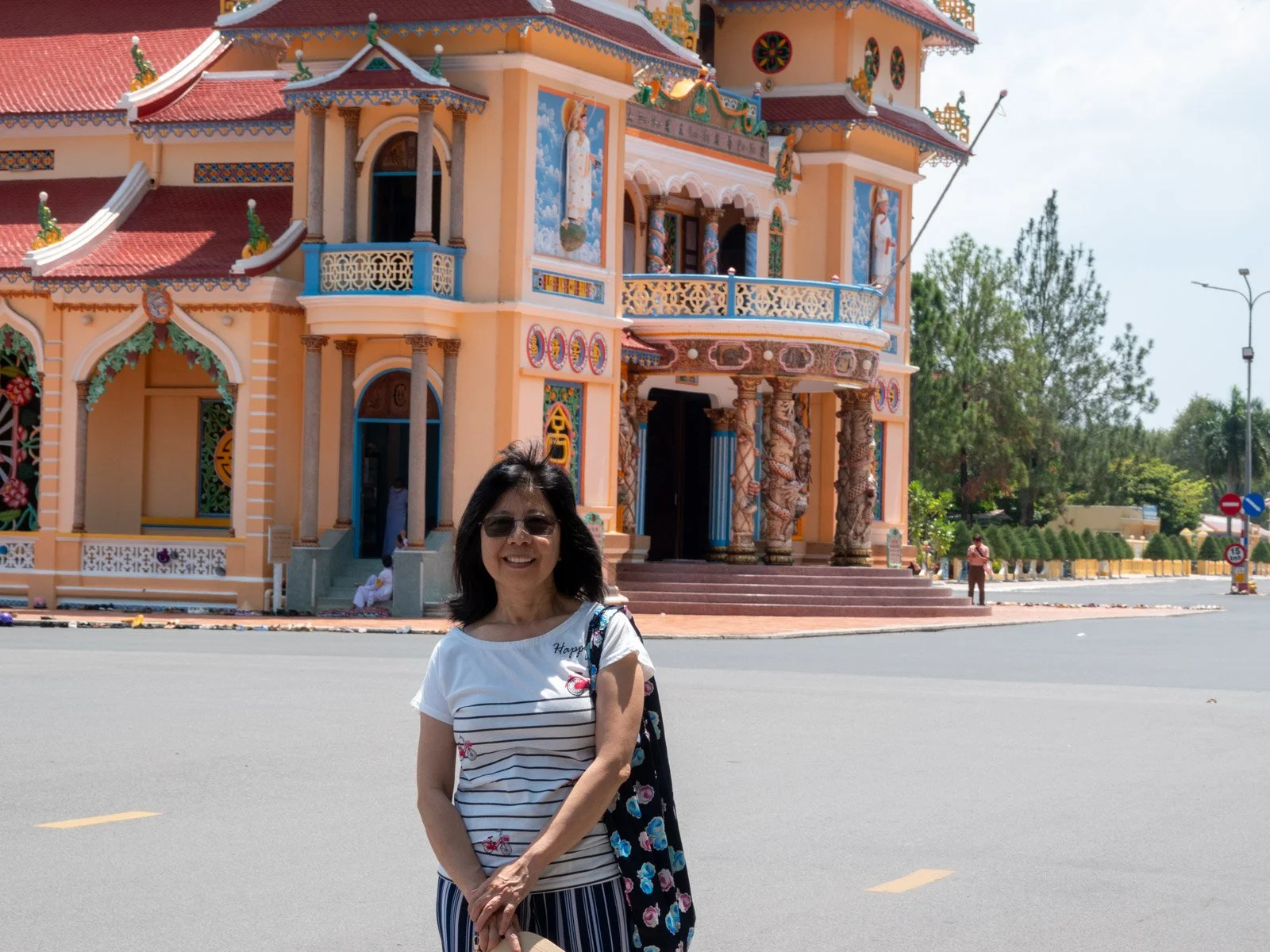
One of our days in Ho Chi Minh city we took a 6-7 hour bus ride to see the Cao Dai temple which represents an interesting religious site with a mixture of Buddhist, Confucian, and Catholic faiths. We only spent about 20 minutes at the temple which was definitely not worth the time and effort.
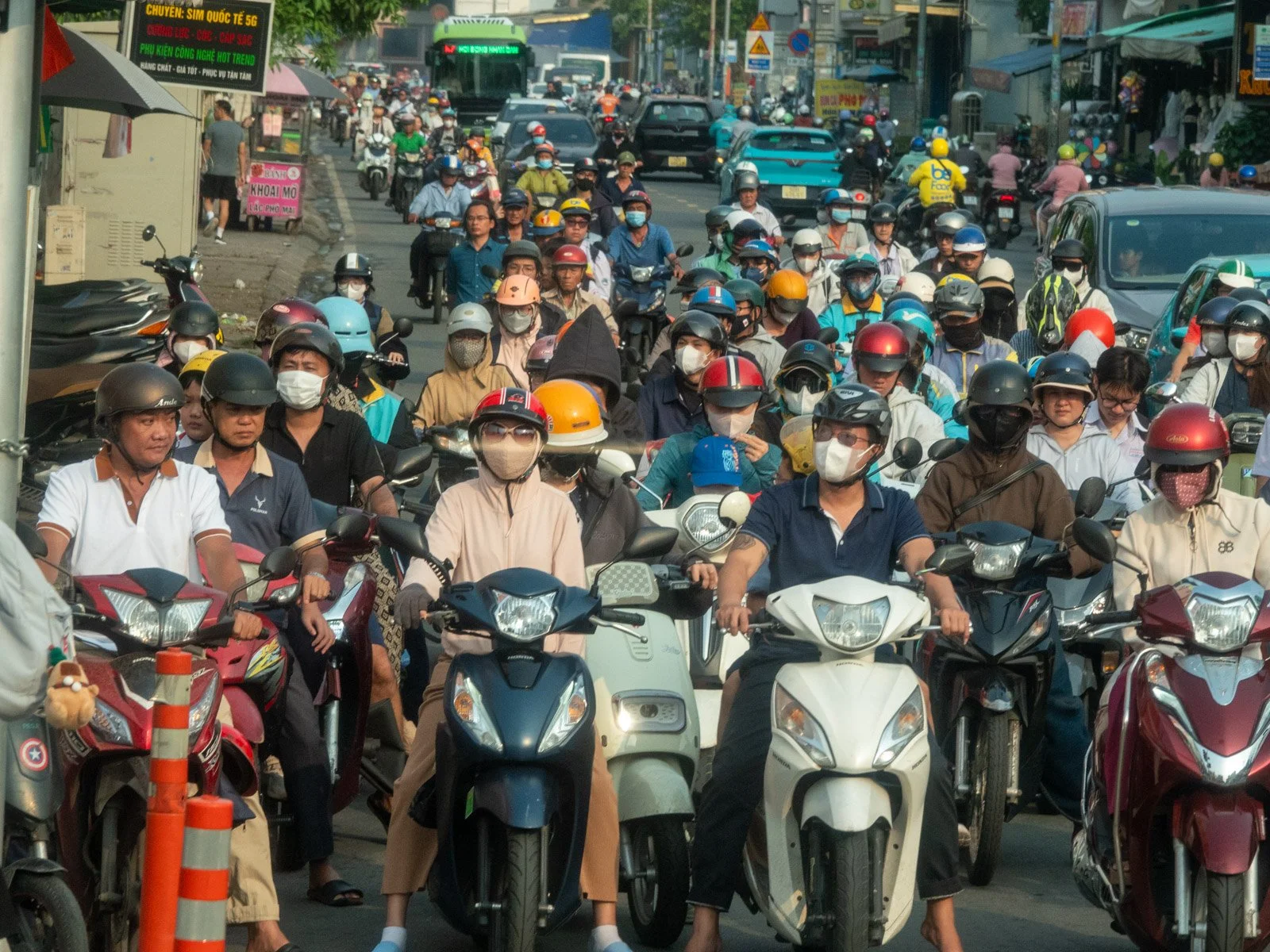
A typical street scene in Vietnam.
Thien Hau Pagoda
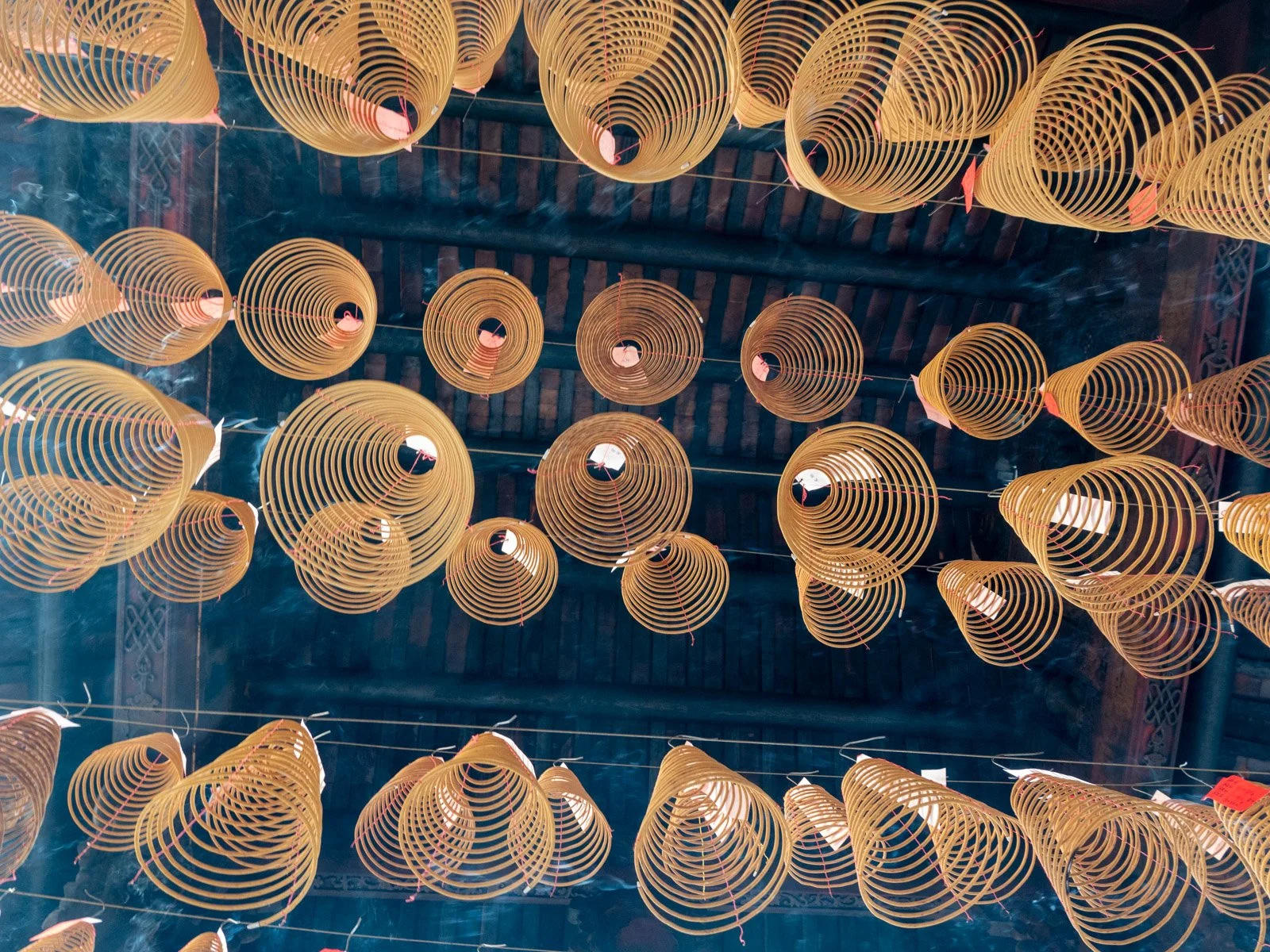
The incense coils make interesting patterns.
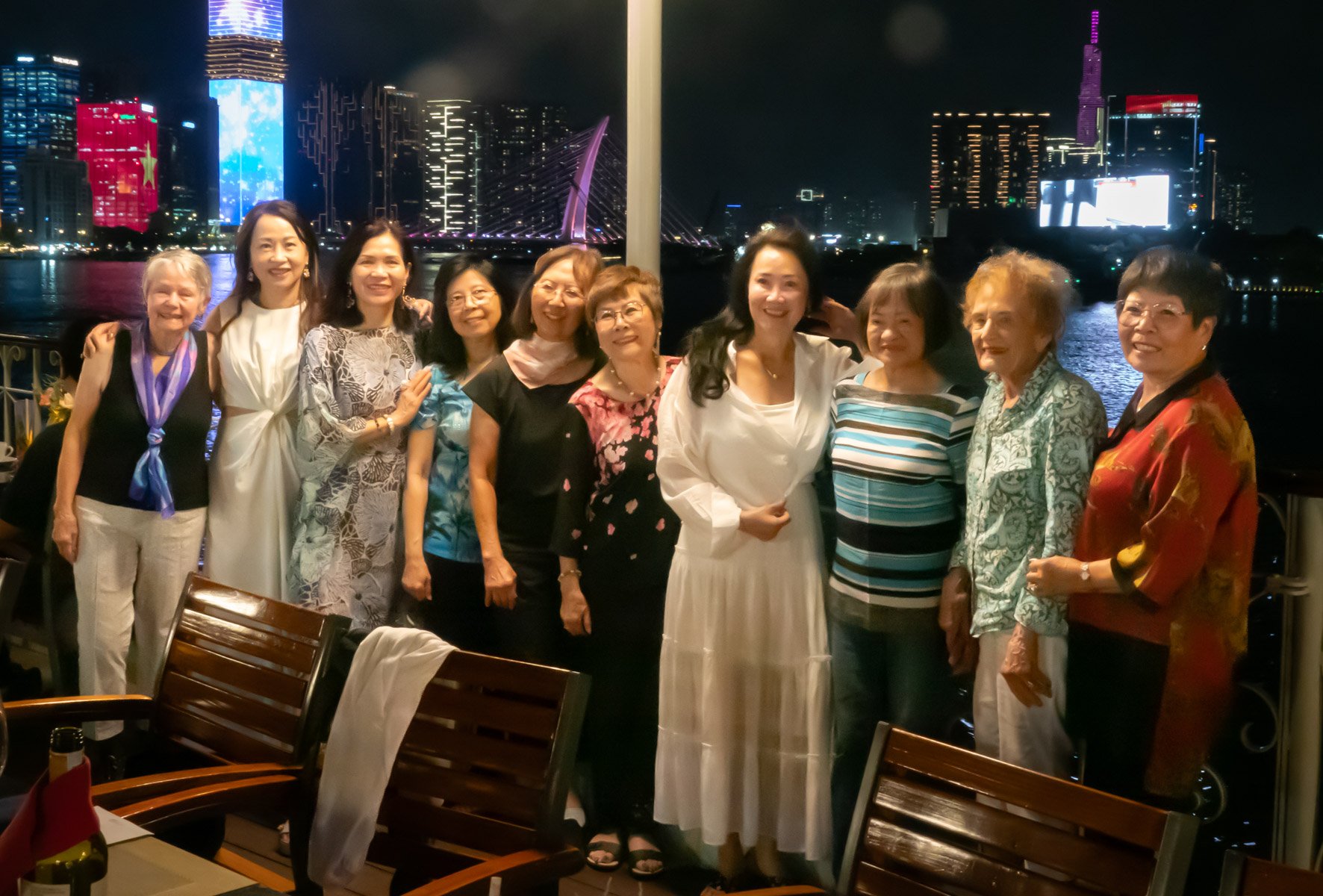
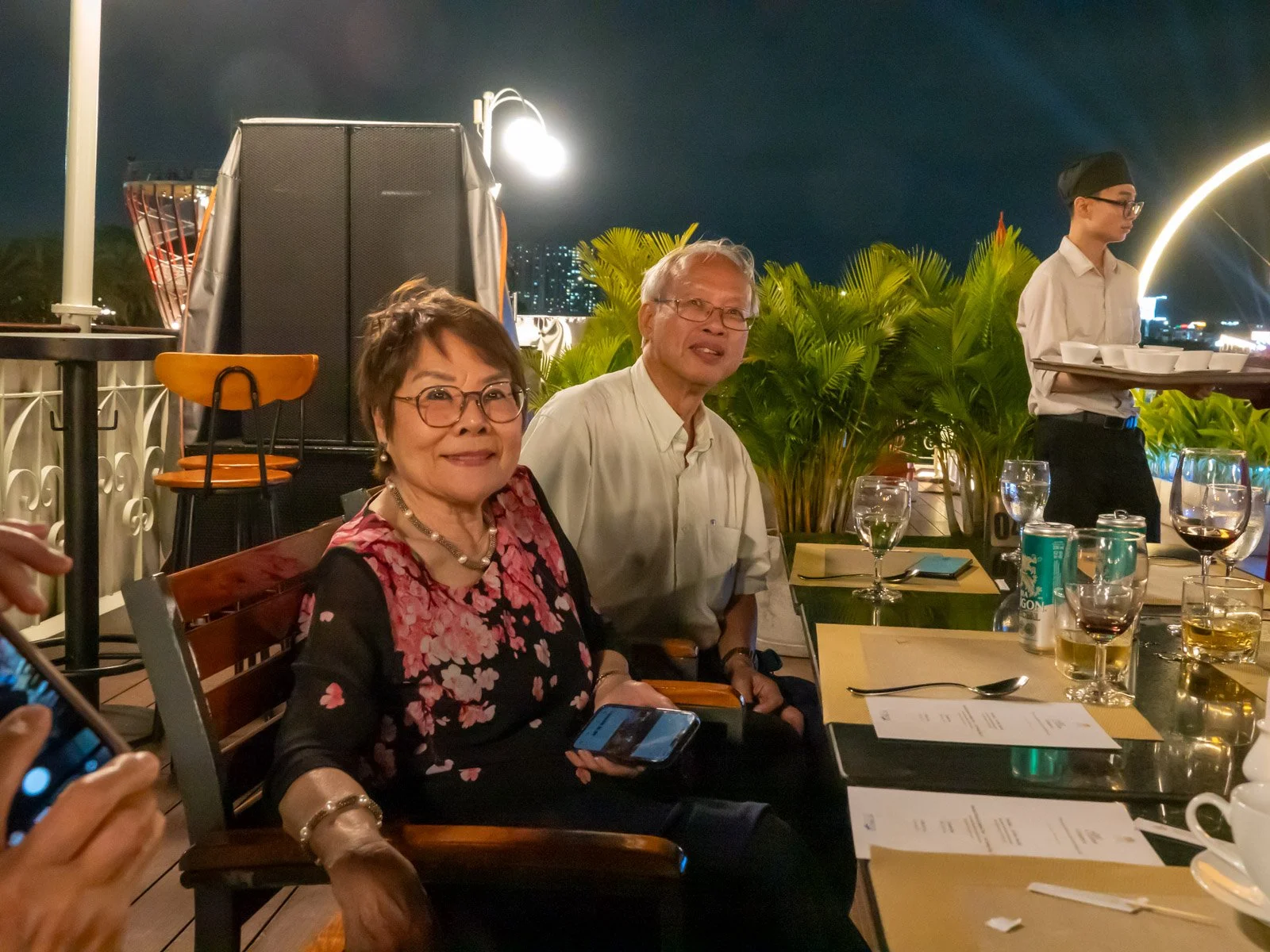
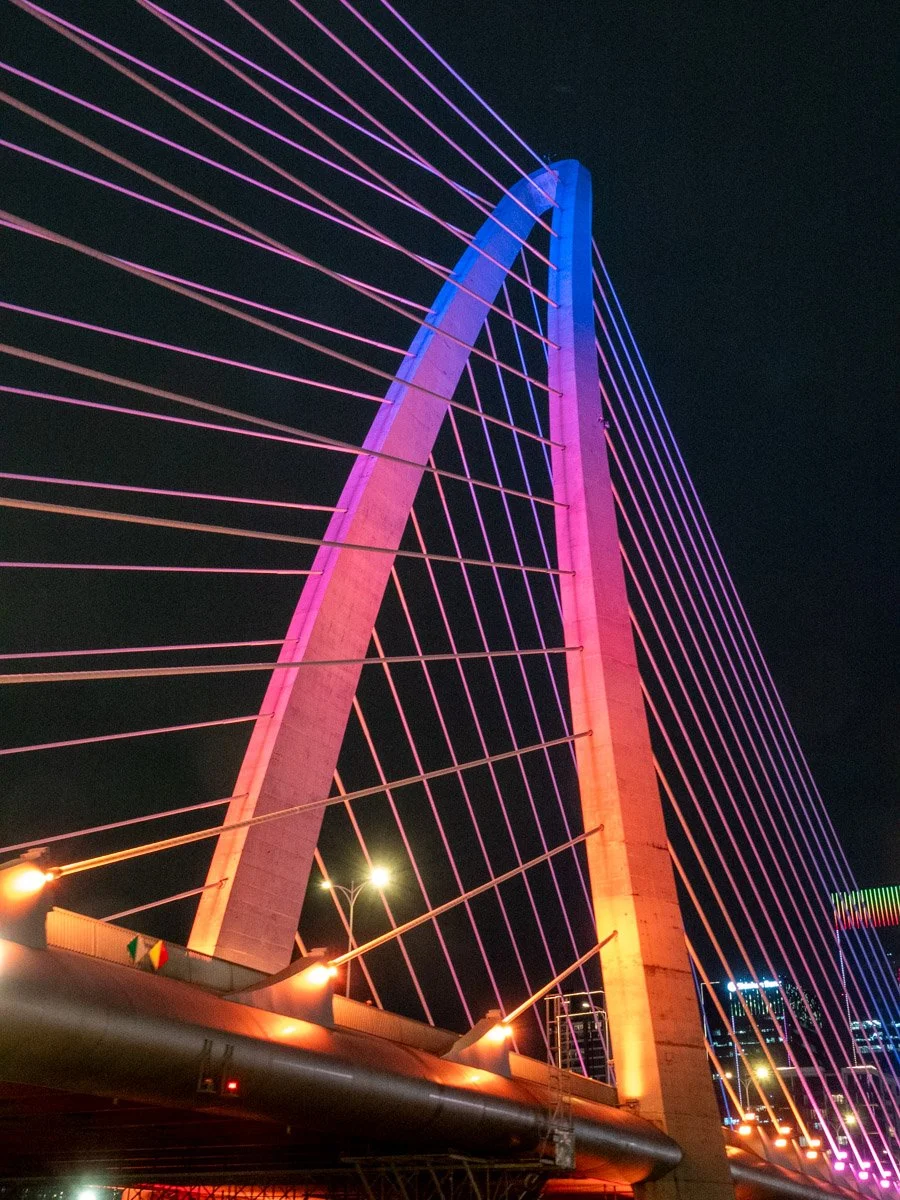
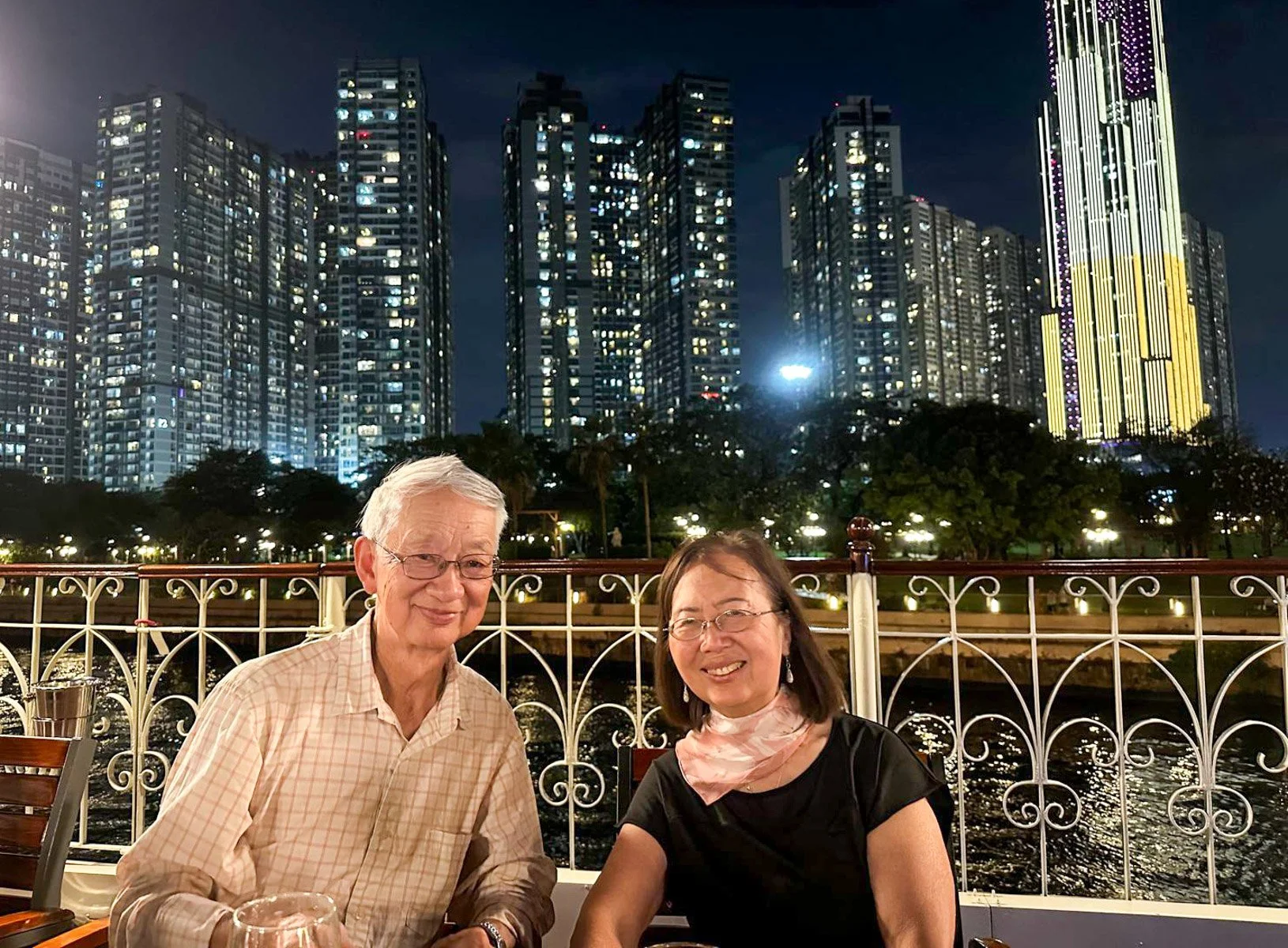
Dinner cruise on Saigon Princess
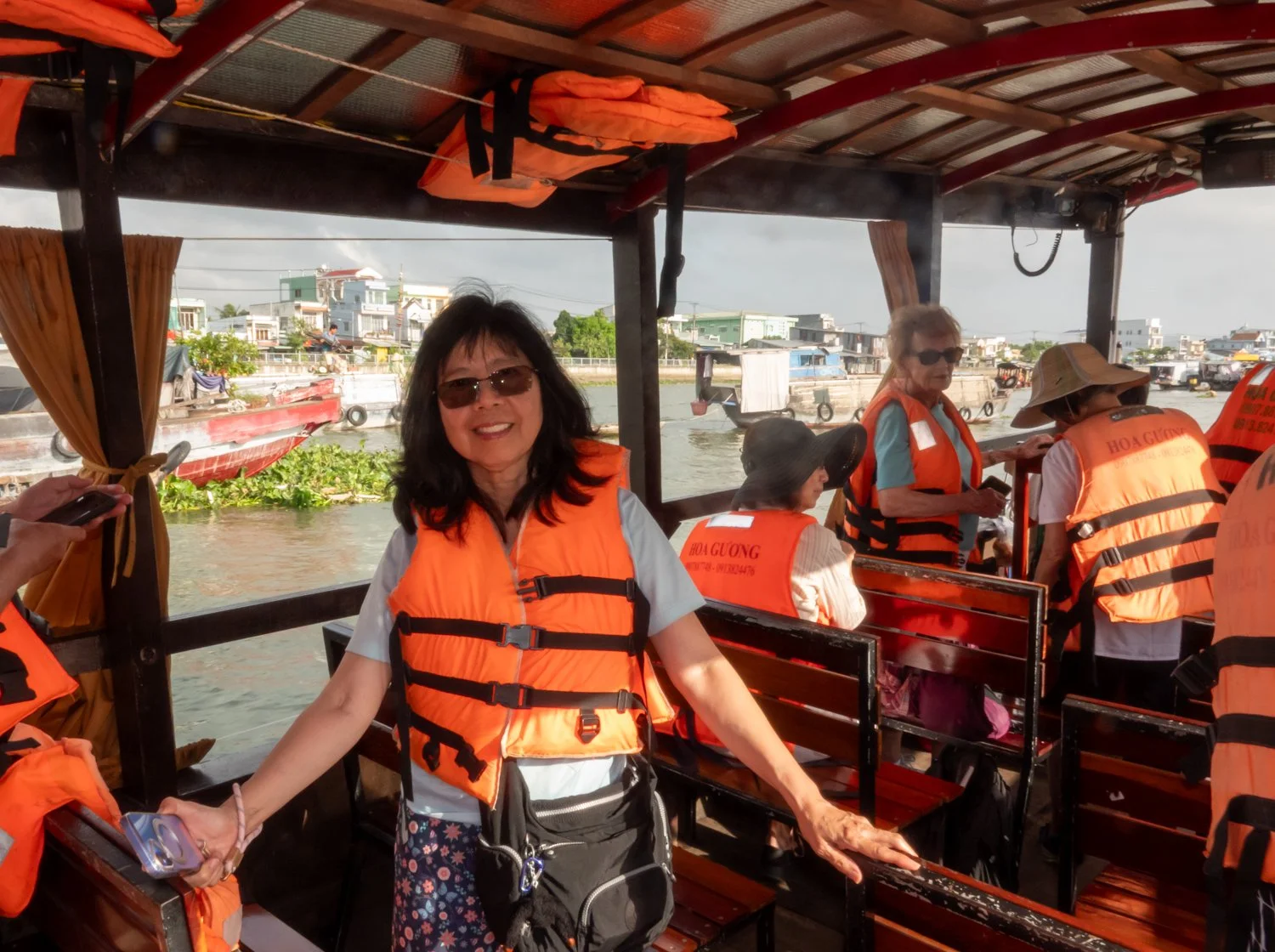
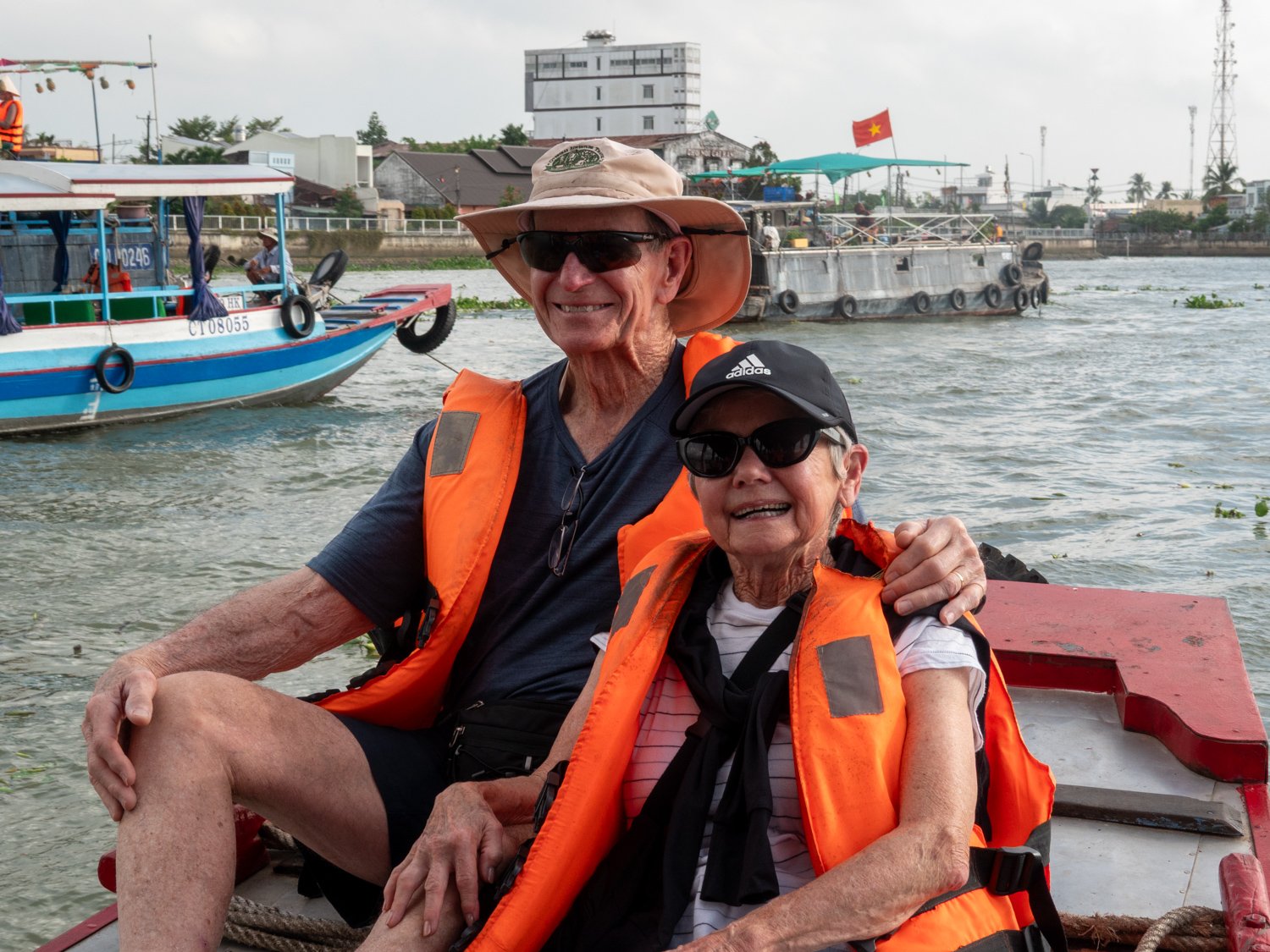
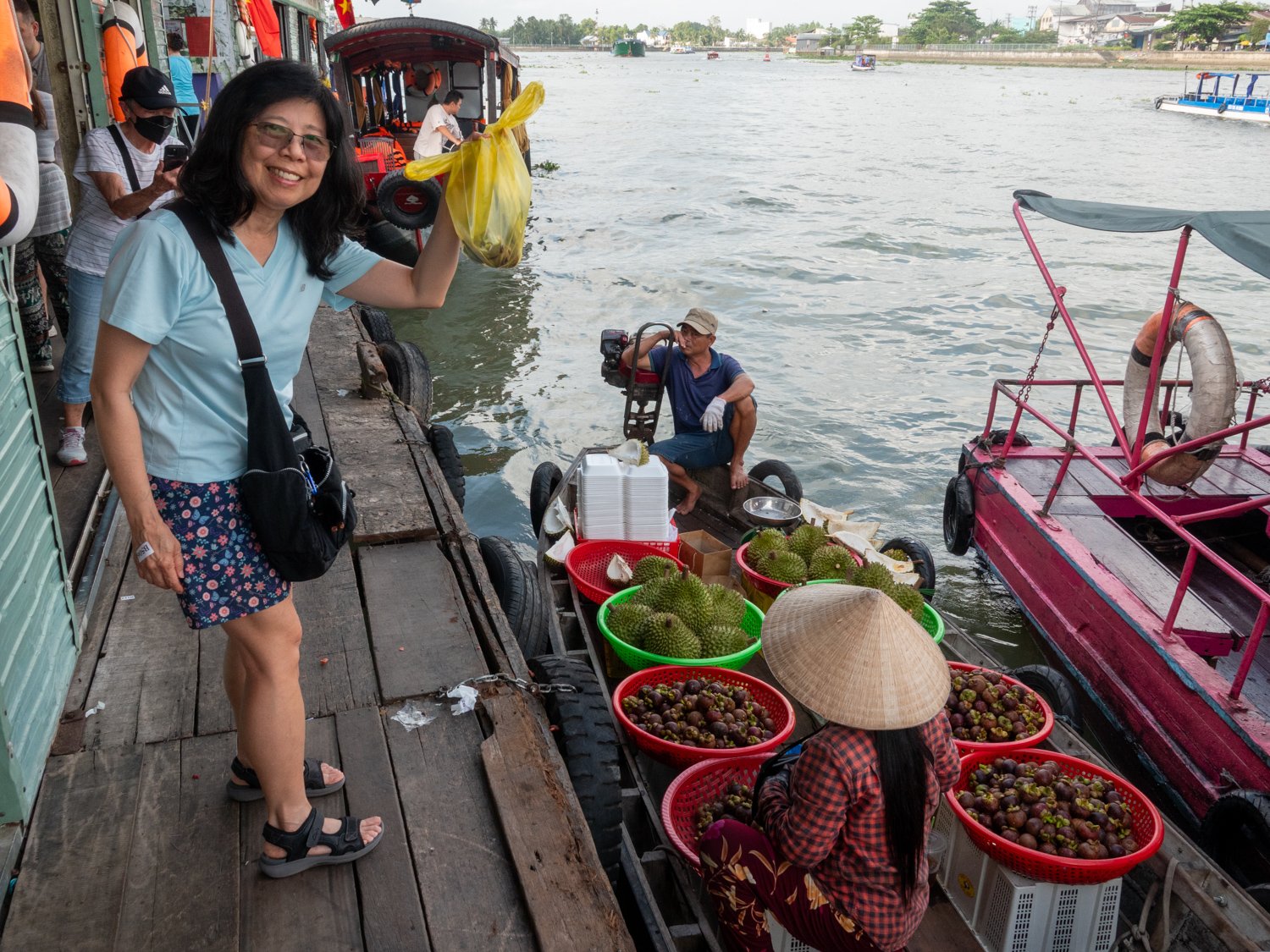
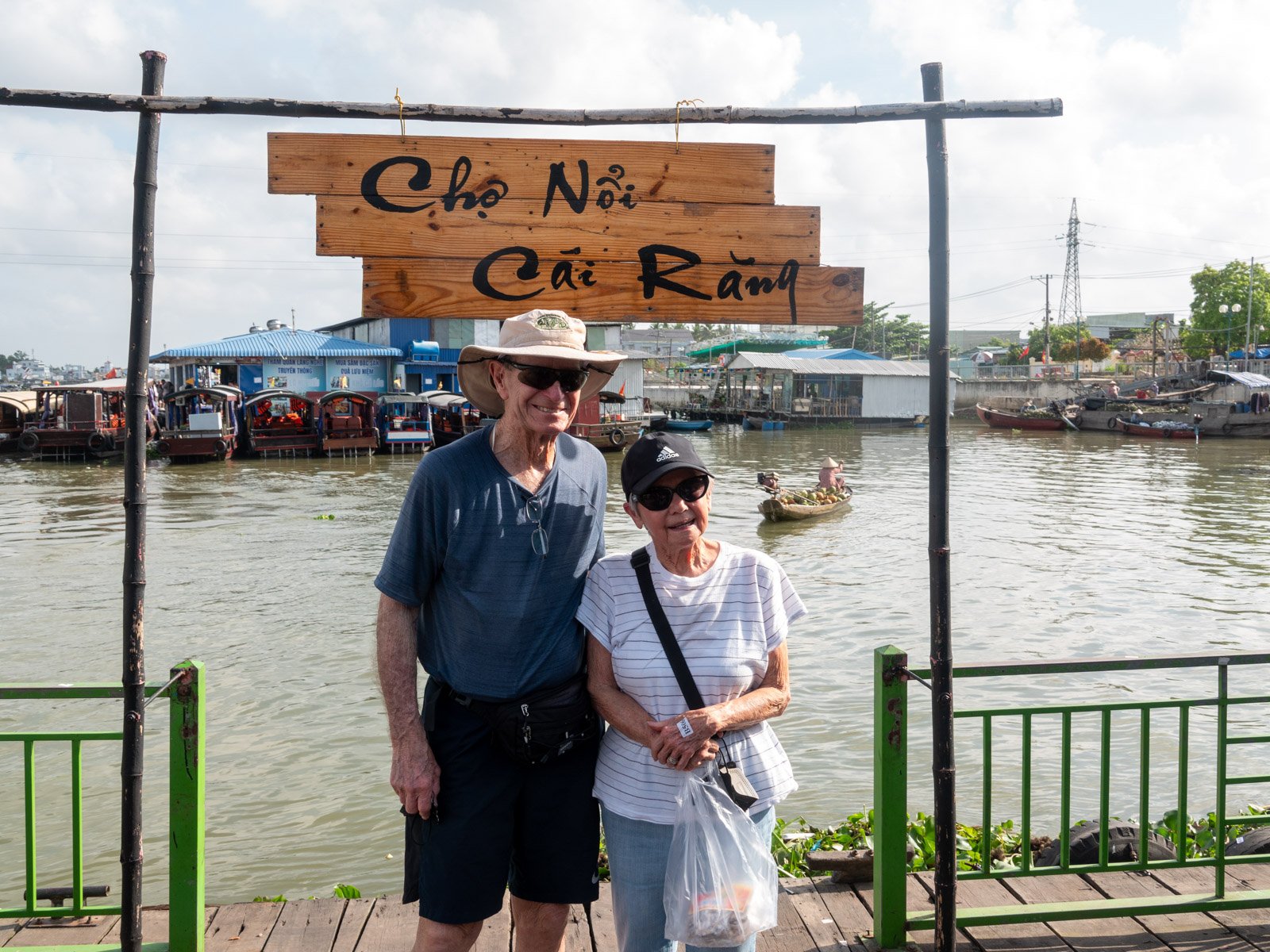
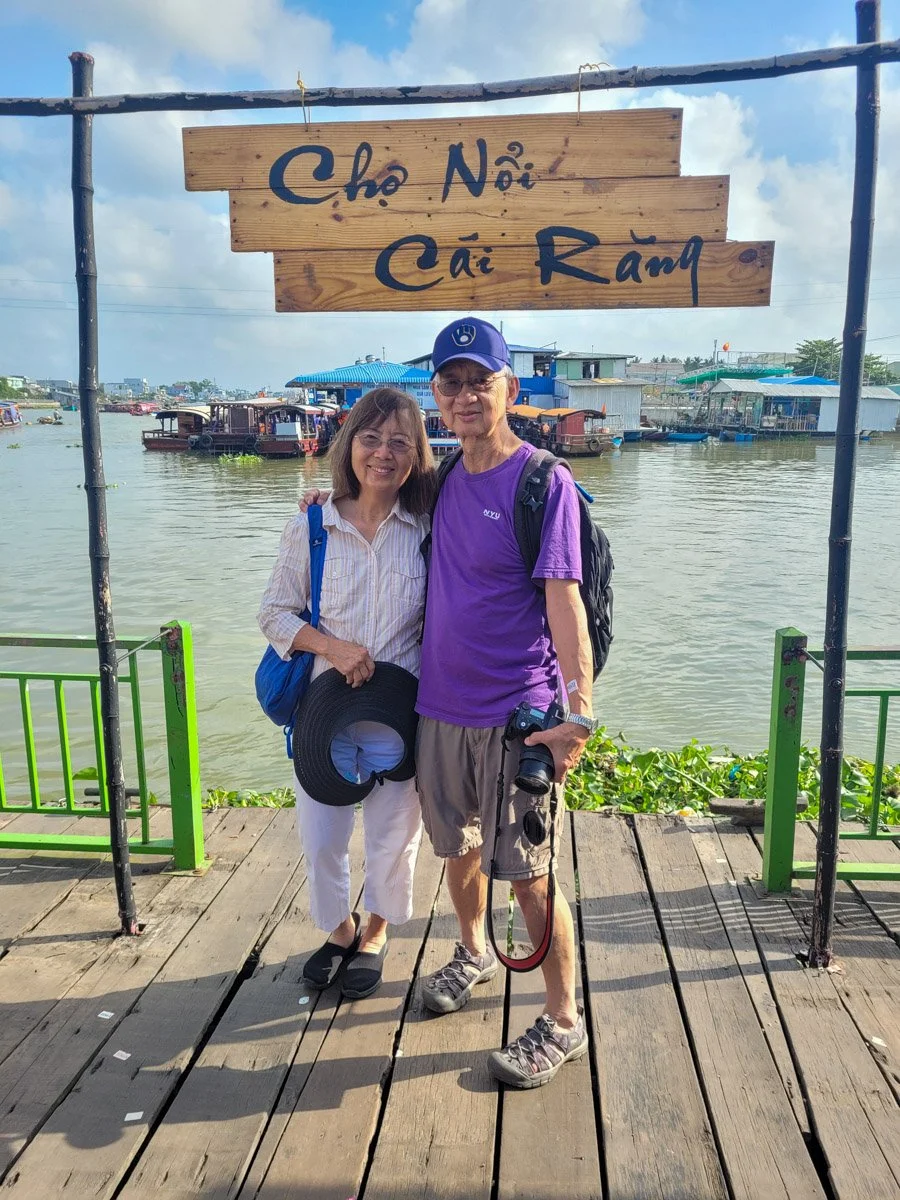
Cai Rang Floating market
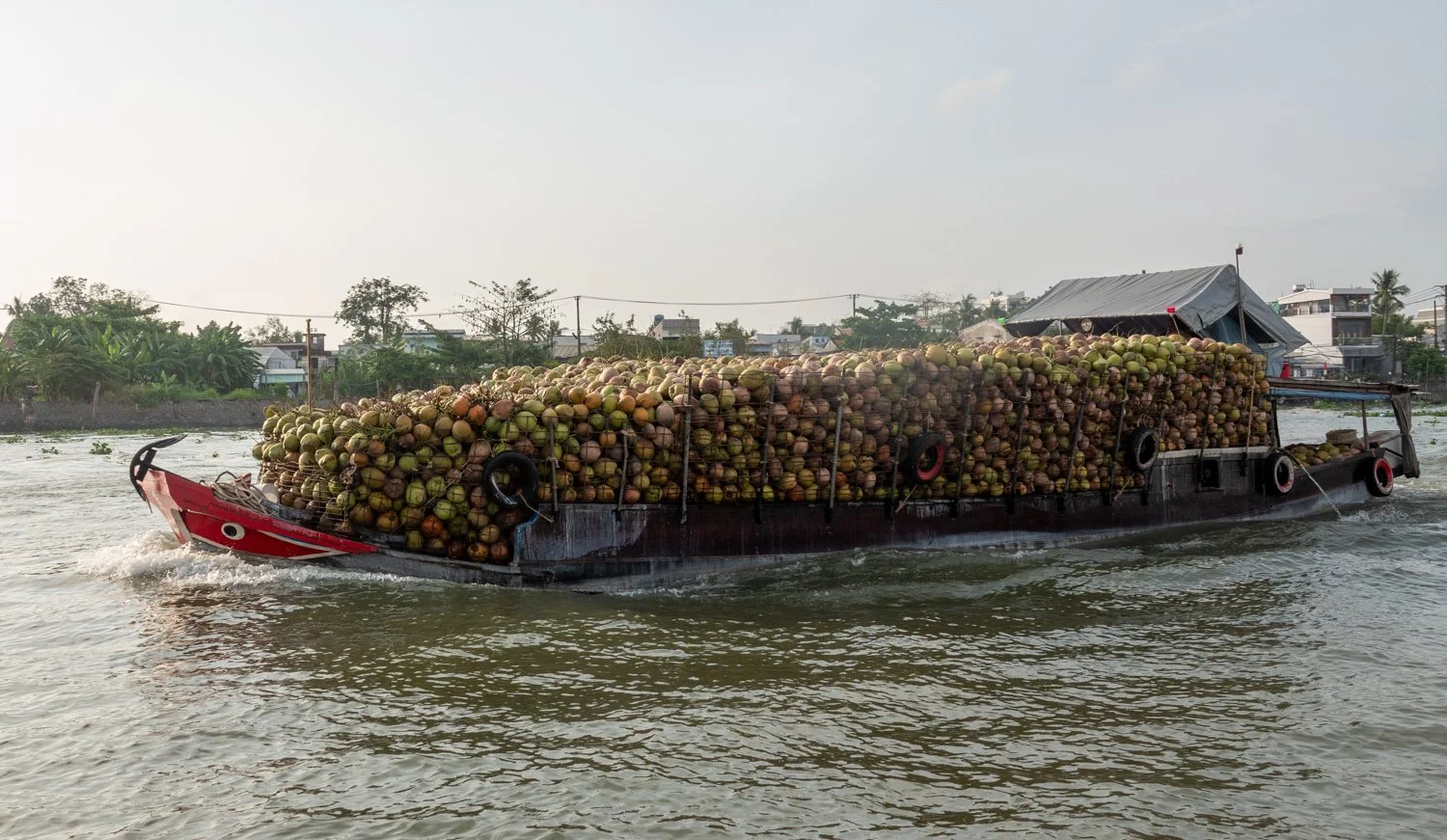
Coconuts are a major industry in this part of the country.
Maui
Hana
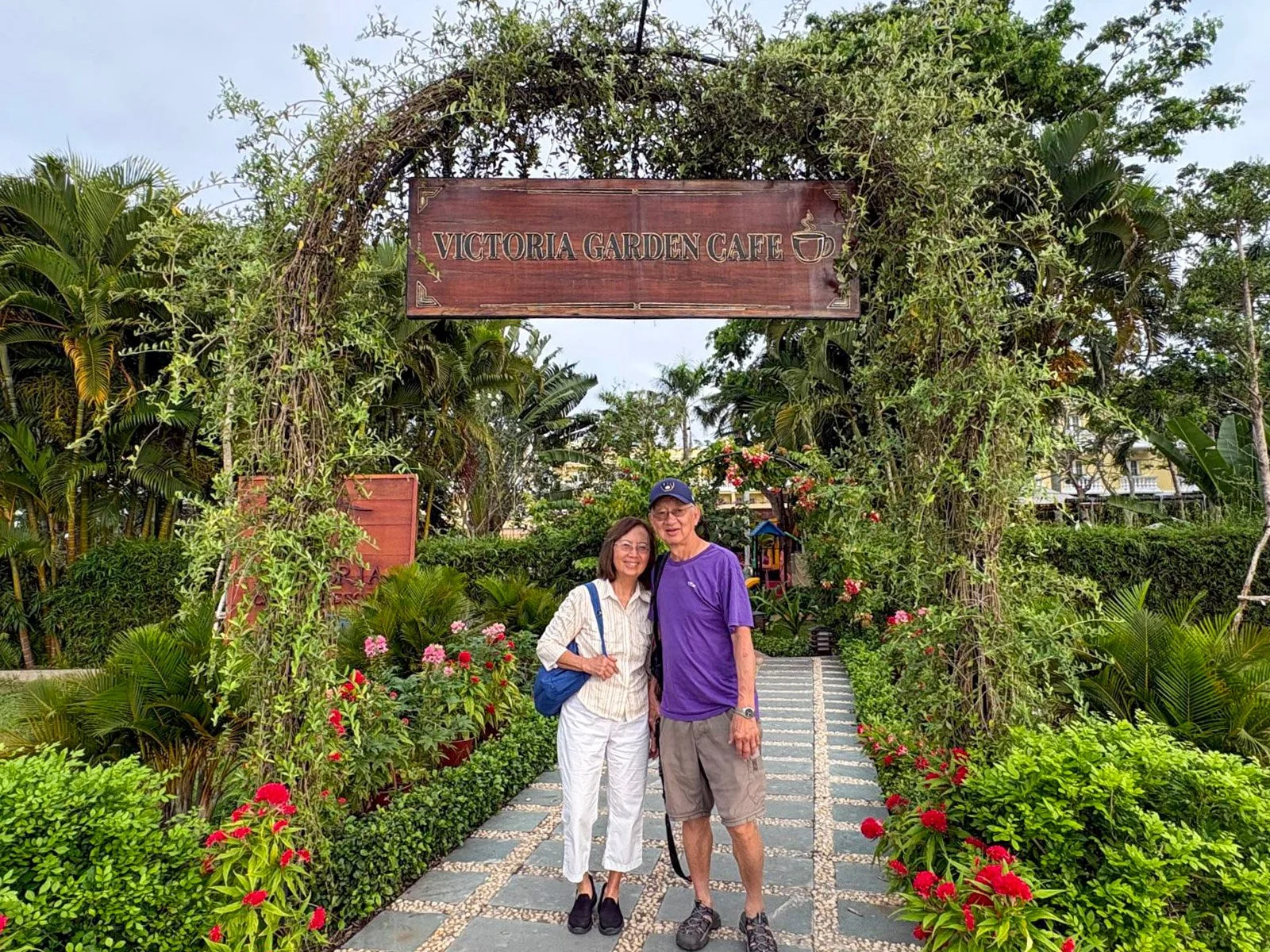
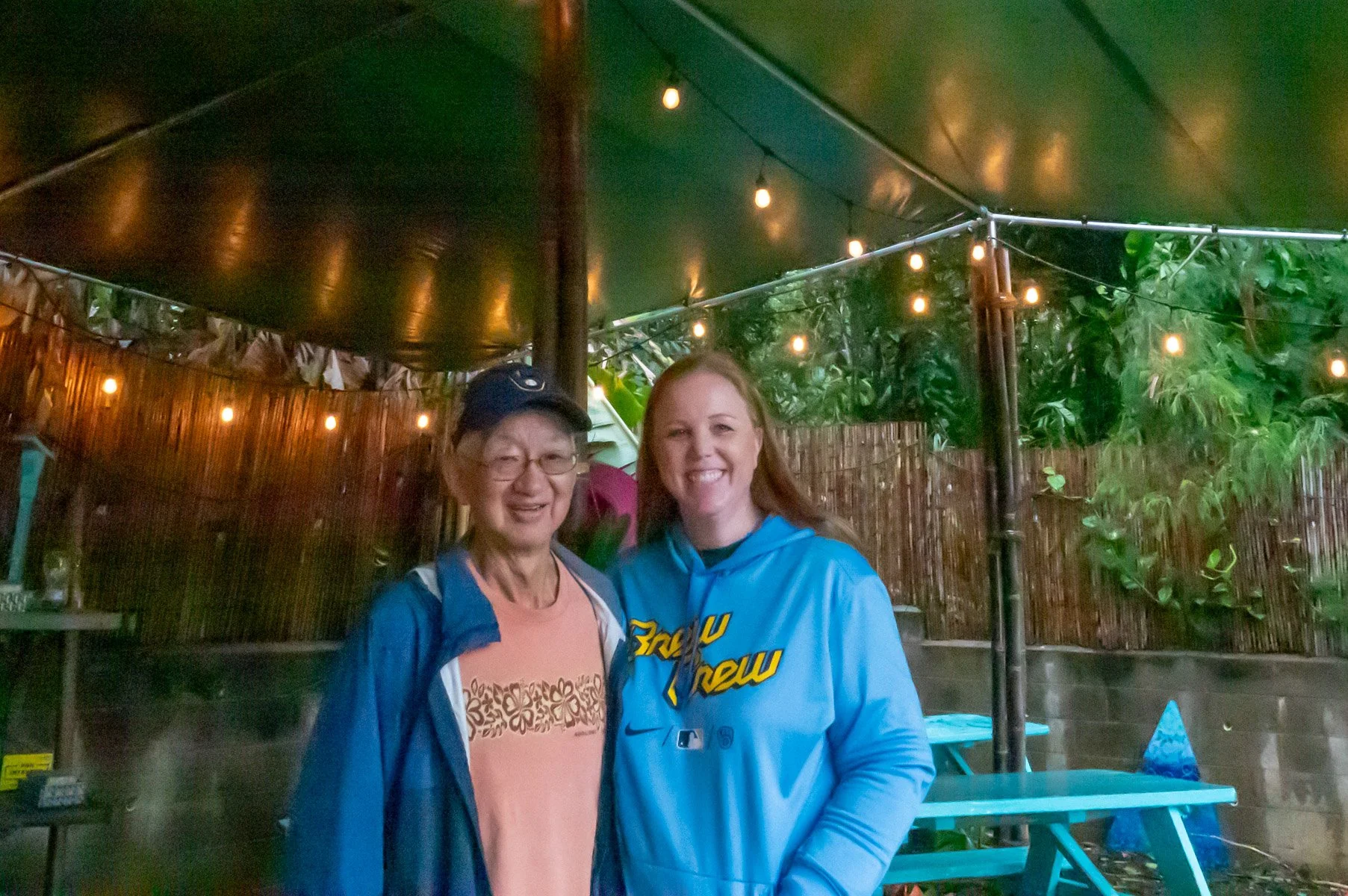
On our return to the US, we made a 5-day layover in Maui to break up the long flight. Our timing was bad though, as we were in the small town of Hana during a historic tropical storm which paralyzed the island. We were in an Airbnb near Hana when the storm hit which resulted in loss of power, internet, and closure of all restaurants and cafes. Luckily, the first night we found a food truck which ran on a generator and was the only thing open in town. There we were surprised to run into a couple from Wisconsin and remarkably we were both wearing our Brewer gear.
For two days we hunkered down in the Airbnb, unable to do much of anything besides gin rummy. On the third night we were scheduled to move to Kihei on the western side of the island. Luckily the road from Hana was open, though precarious.
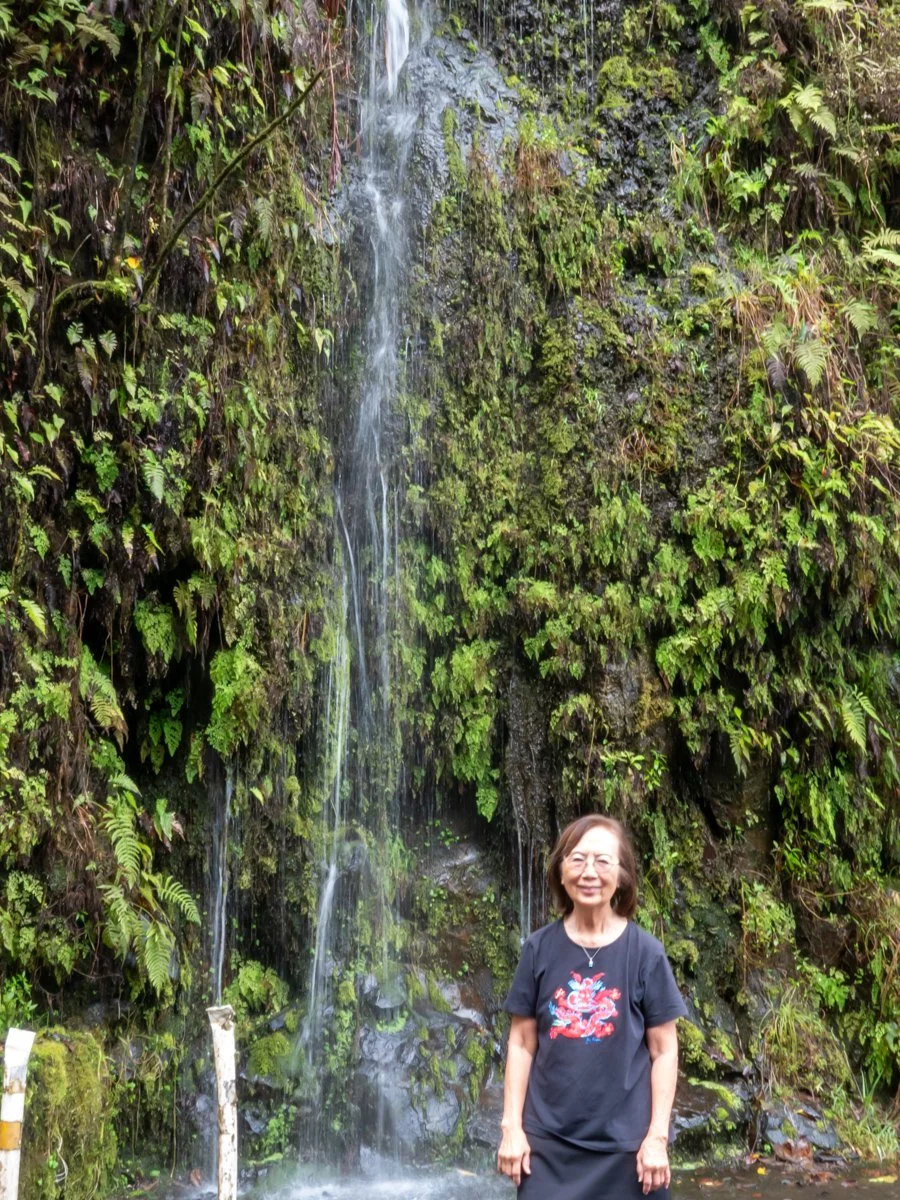
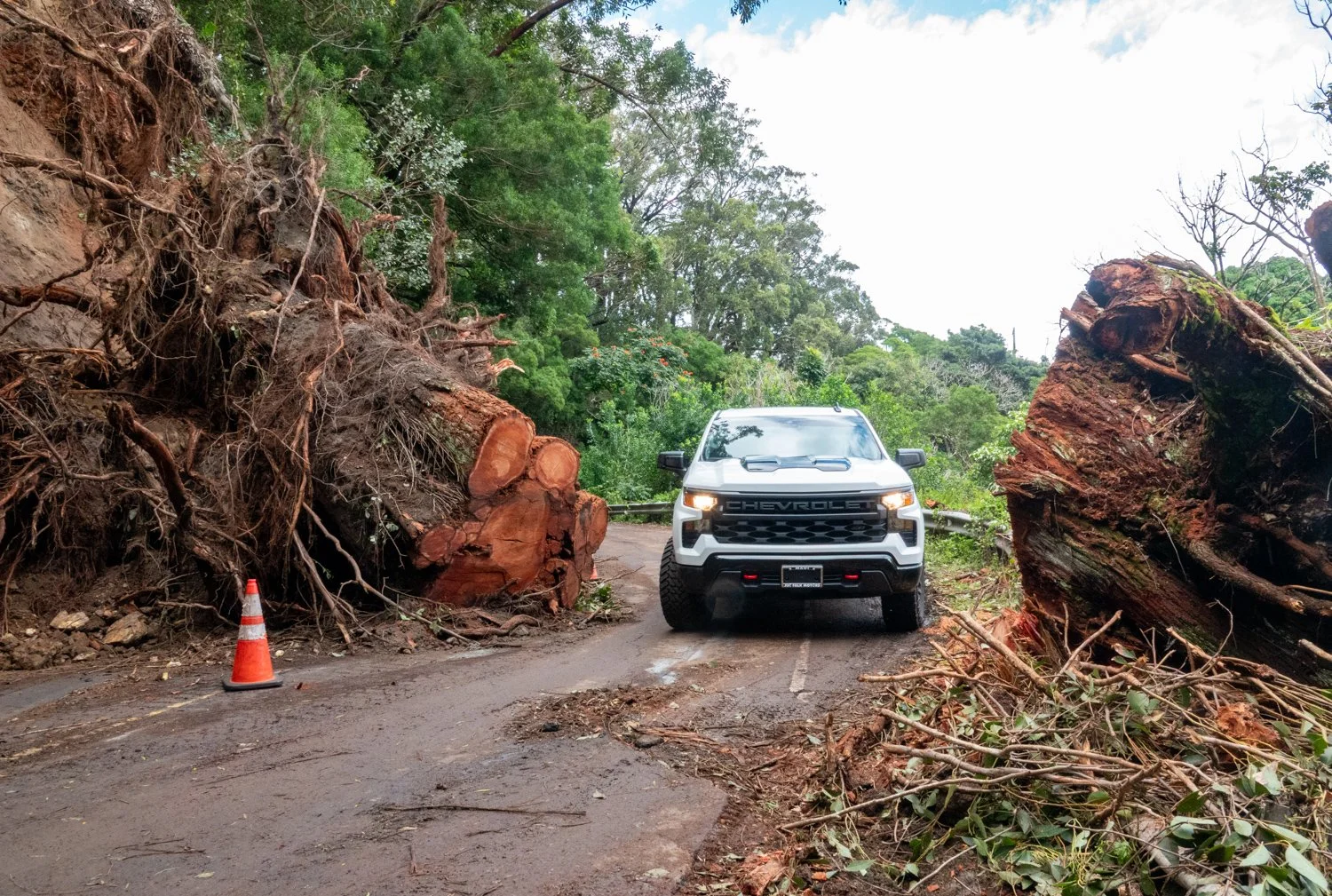
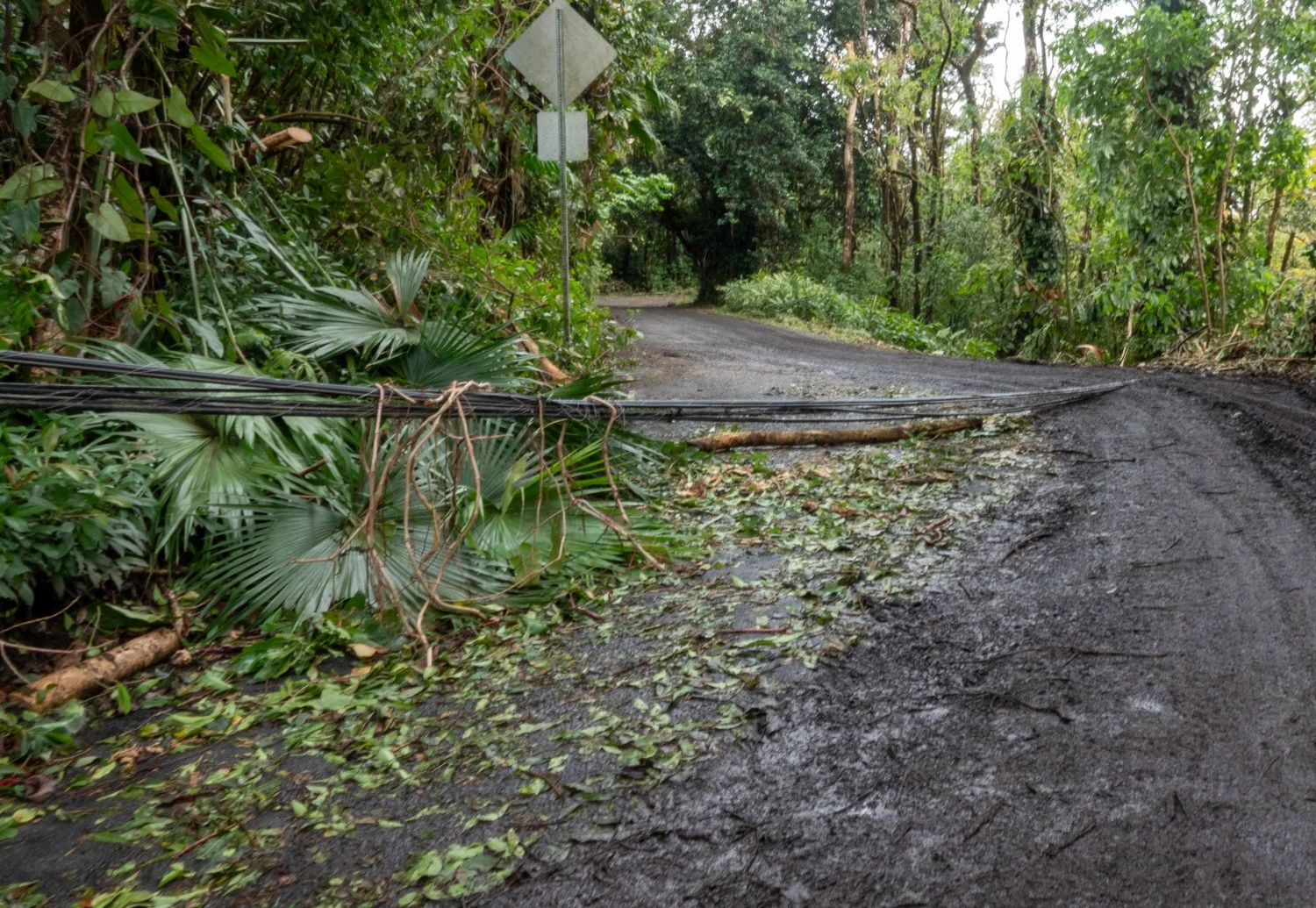
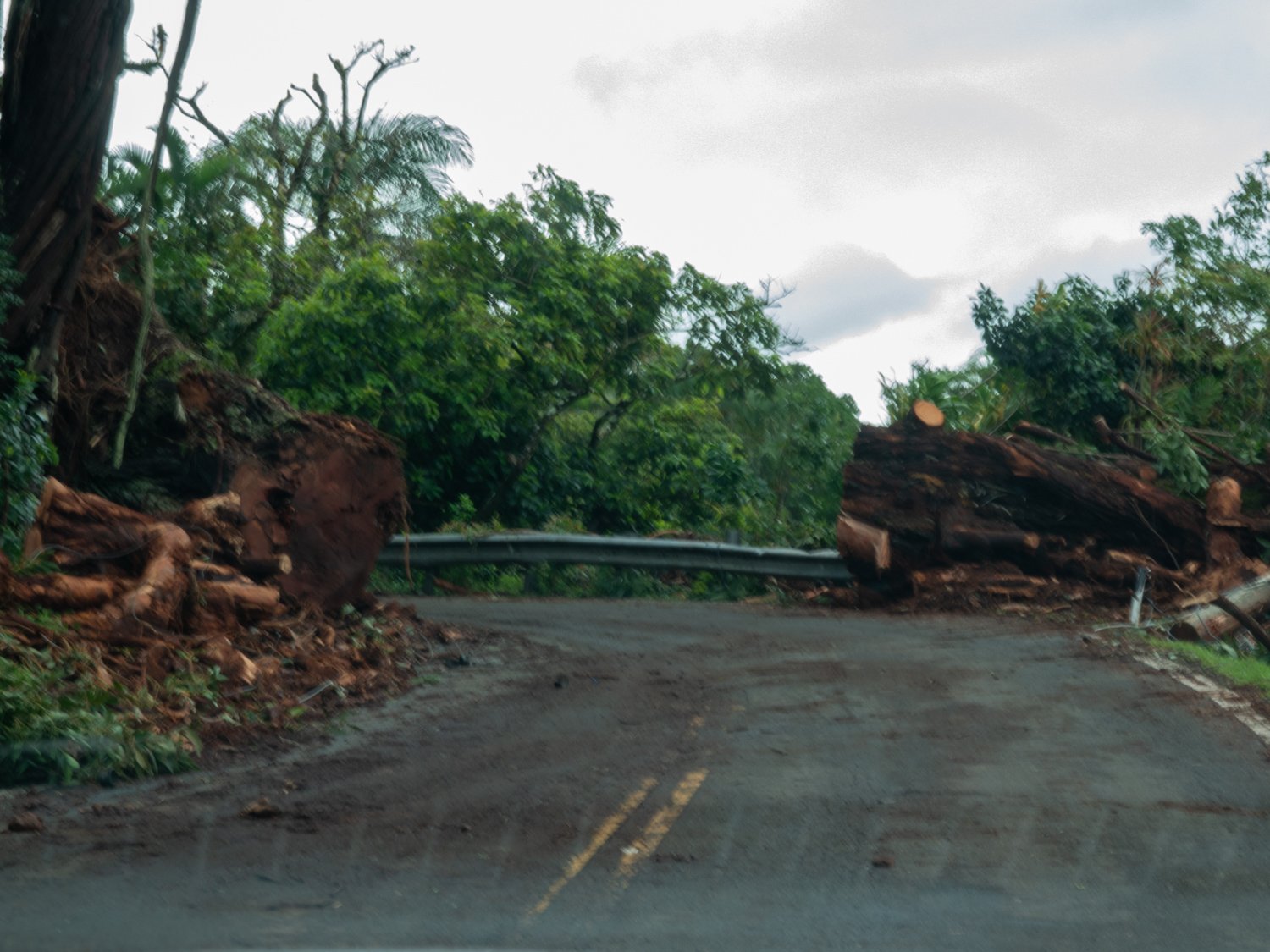
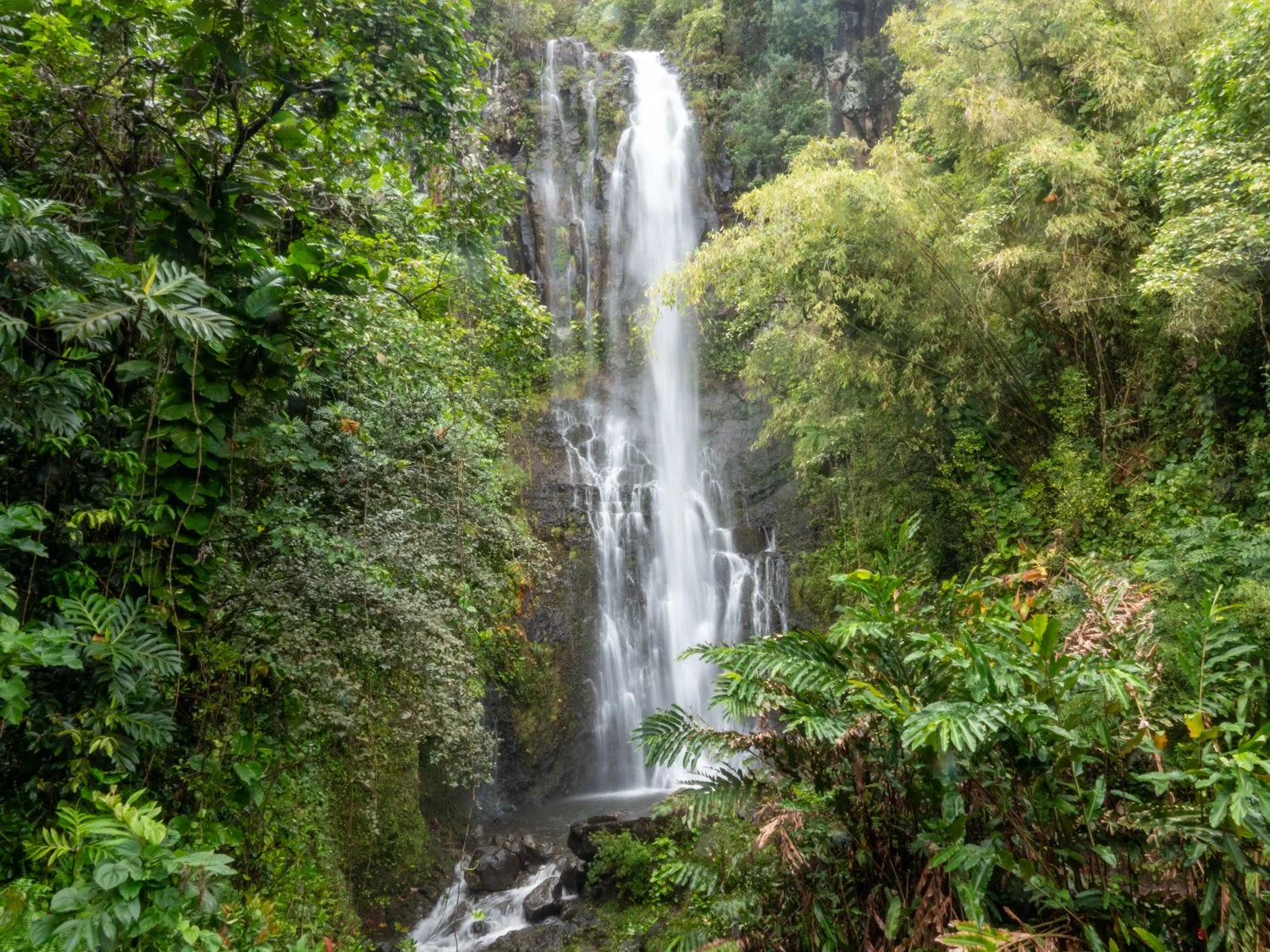
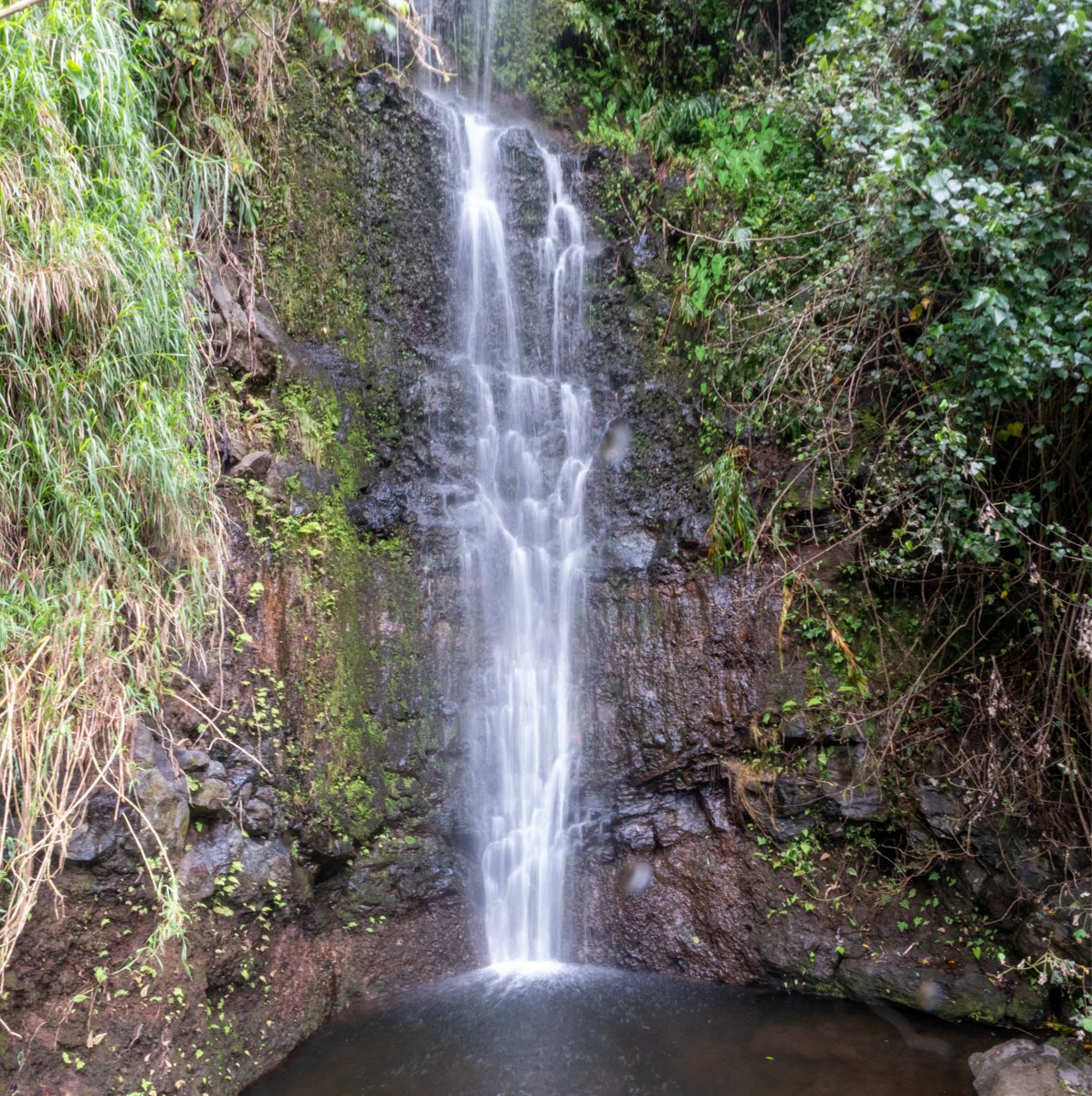
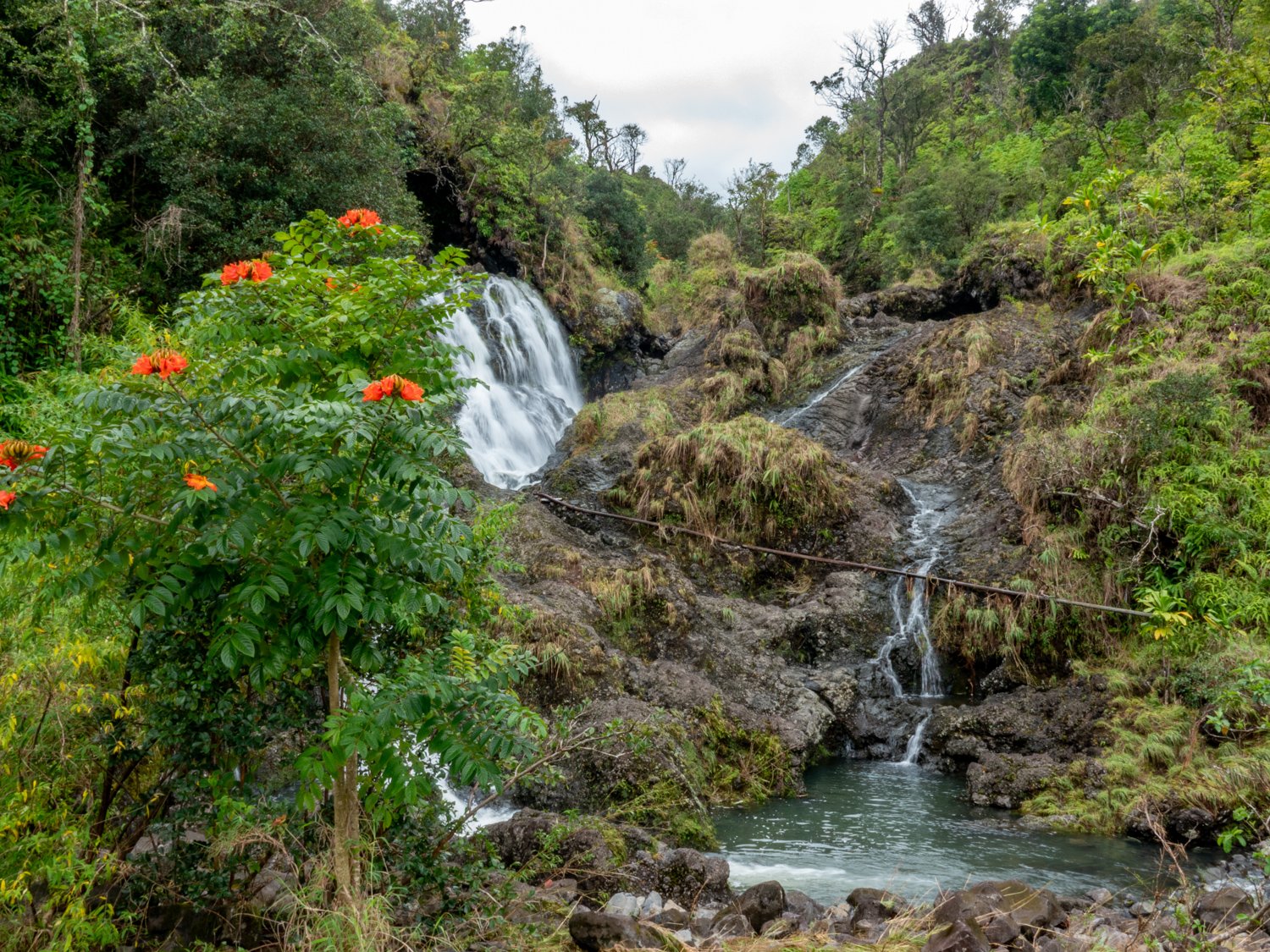
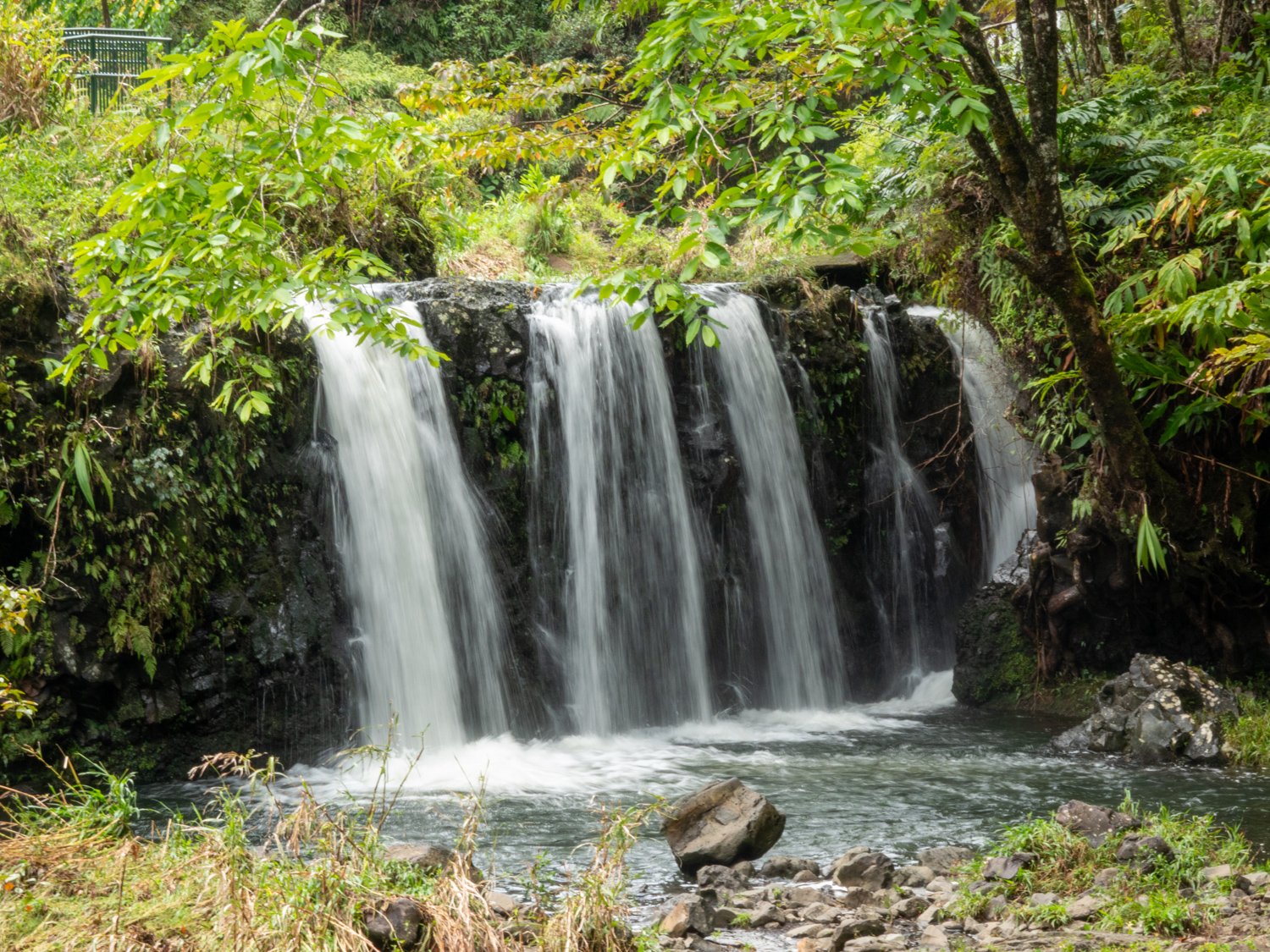
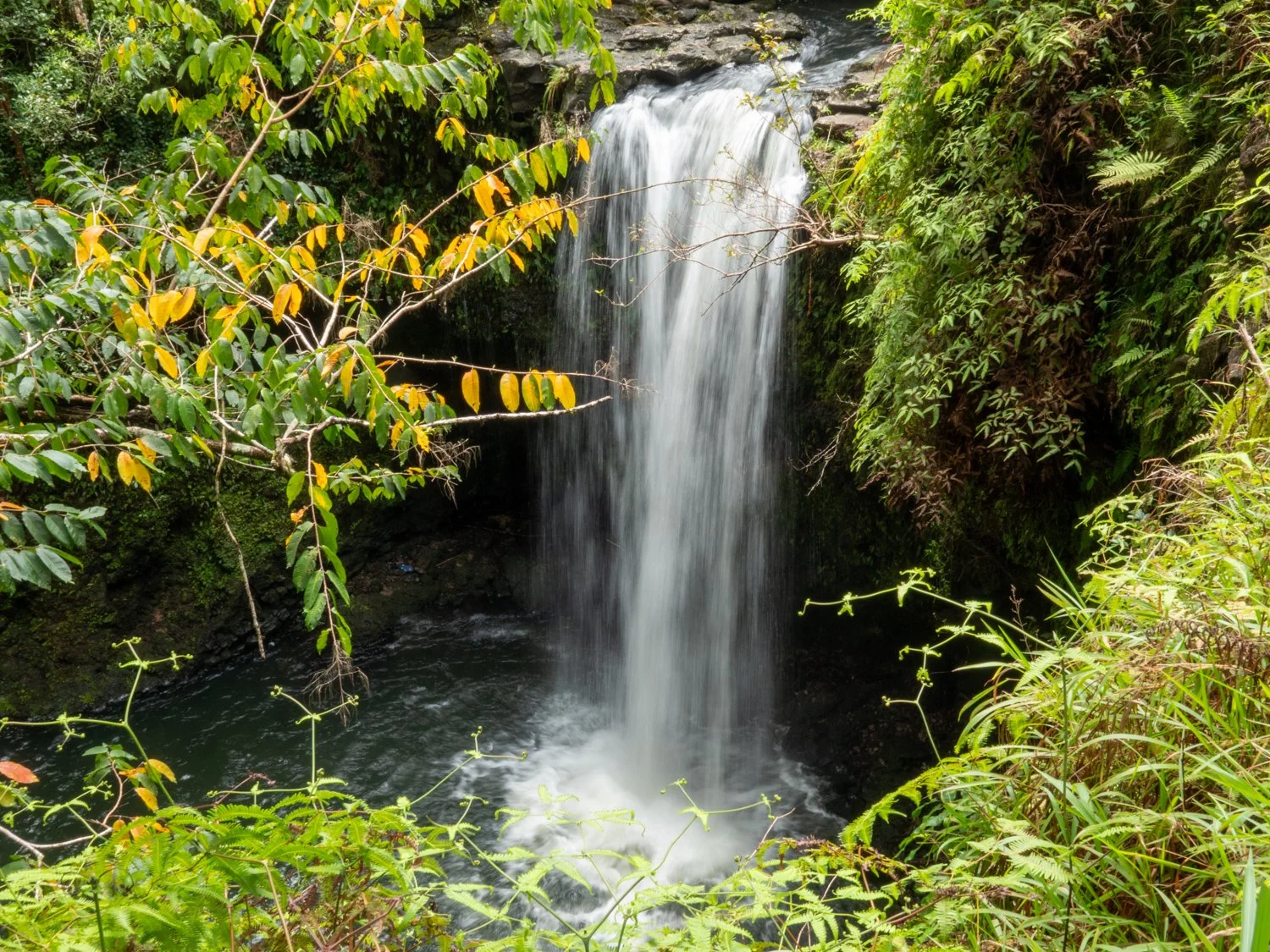
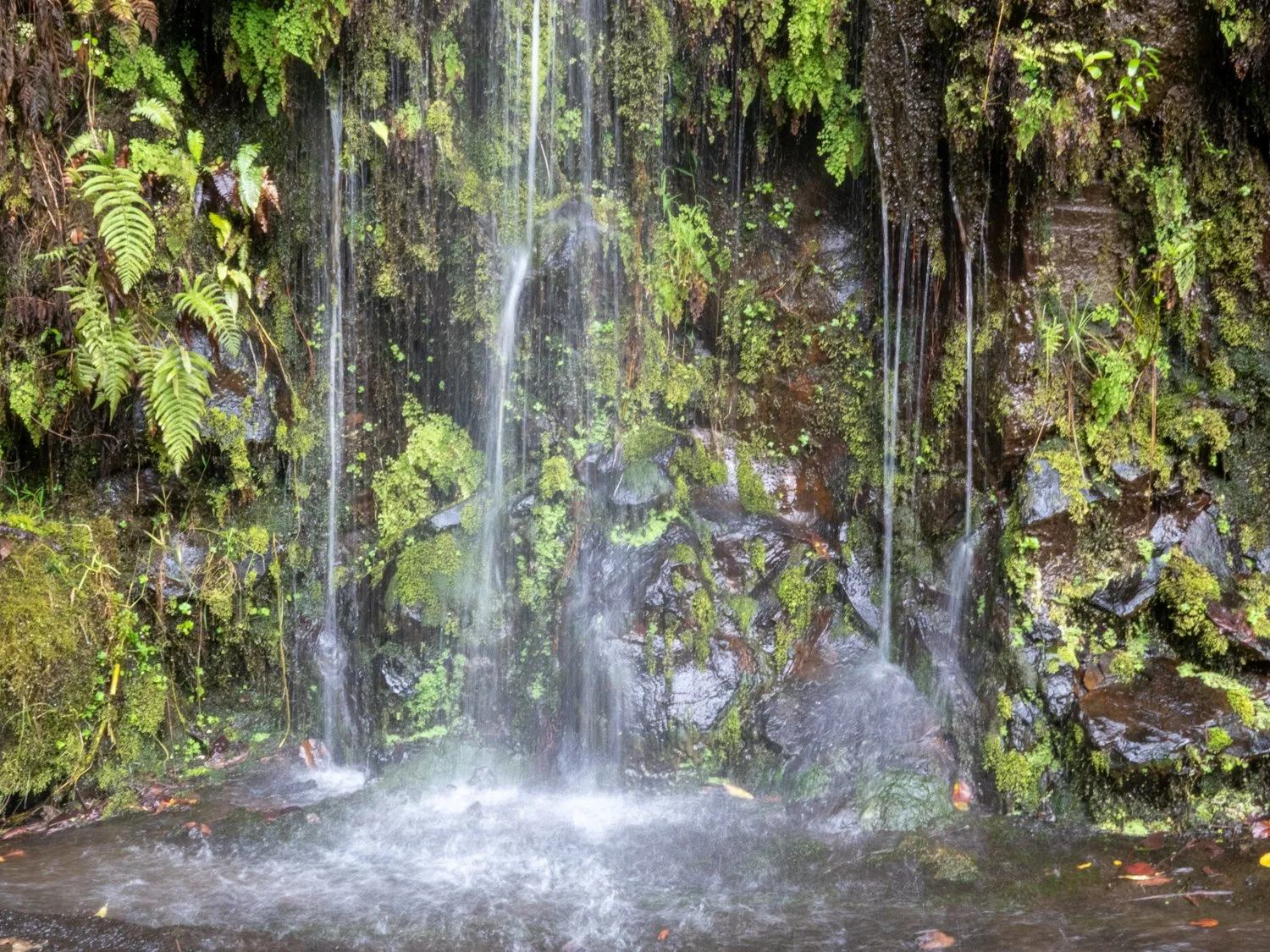
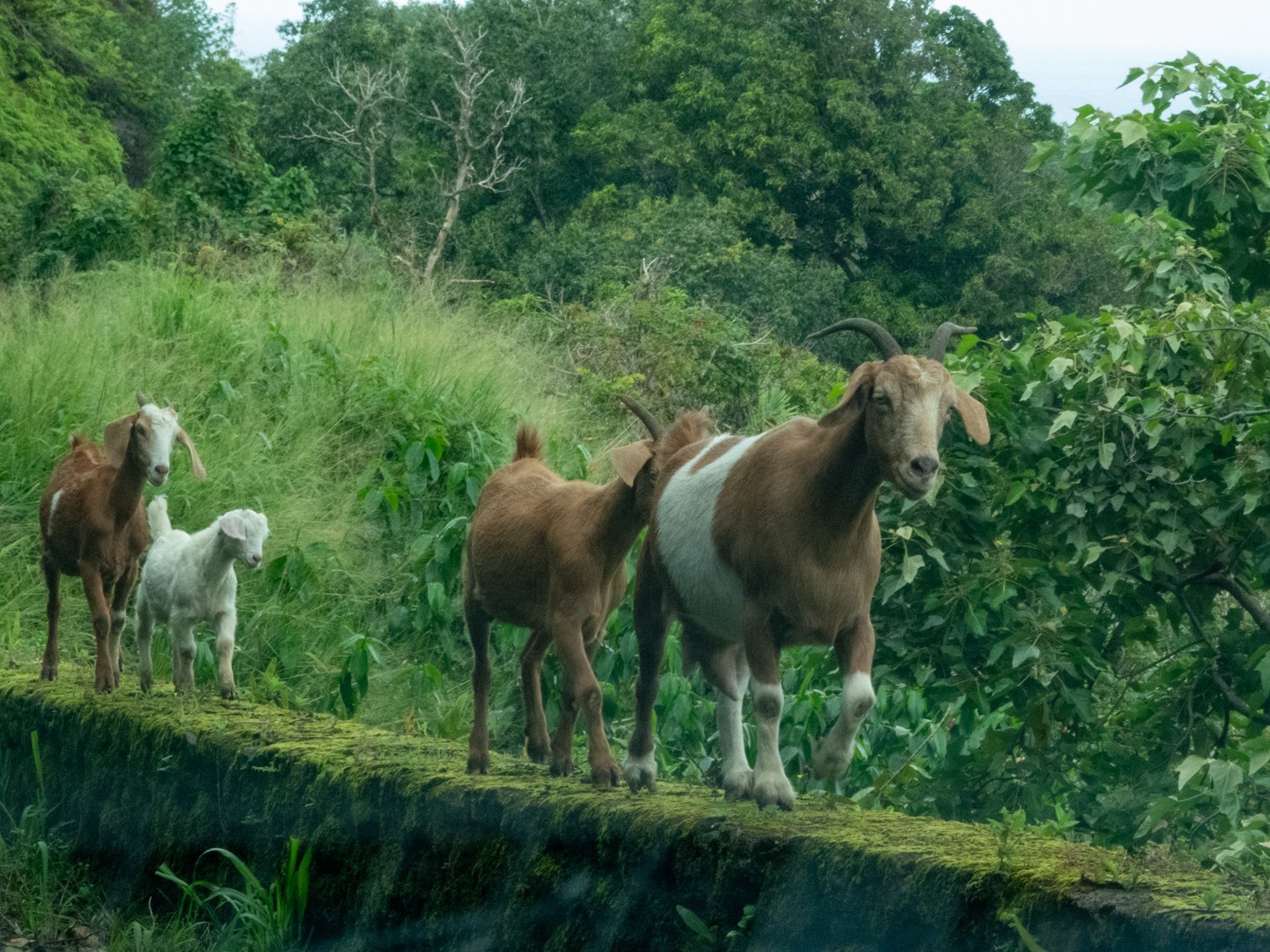
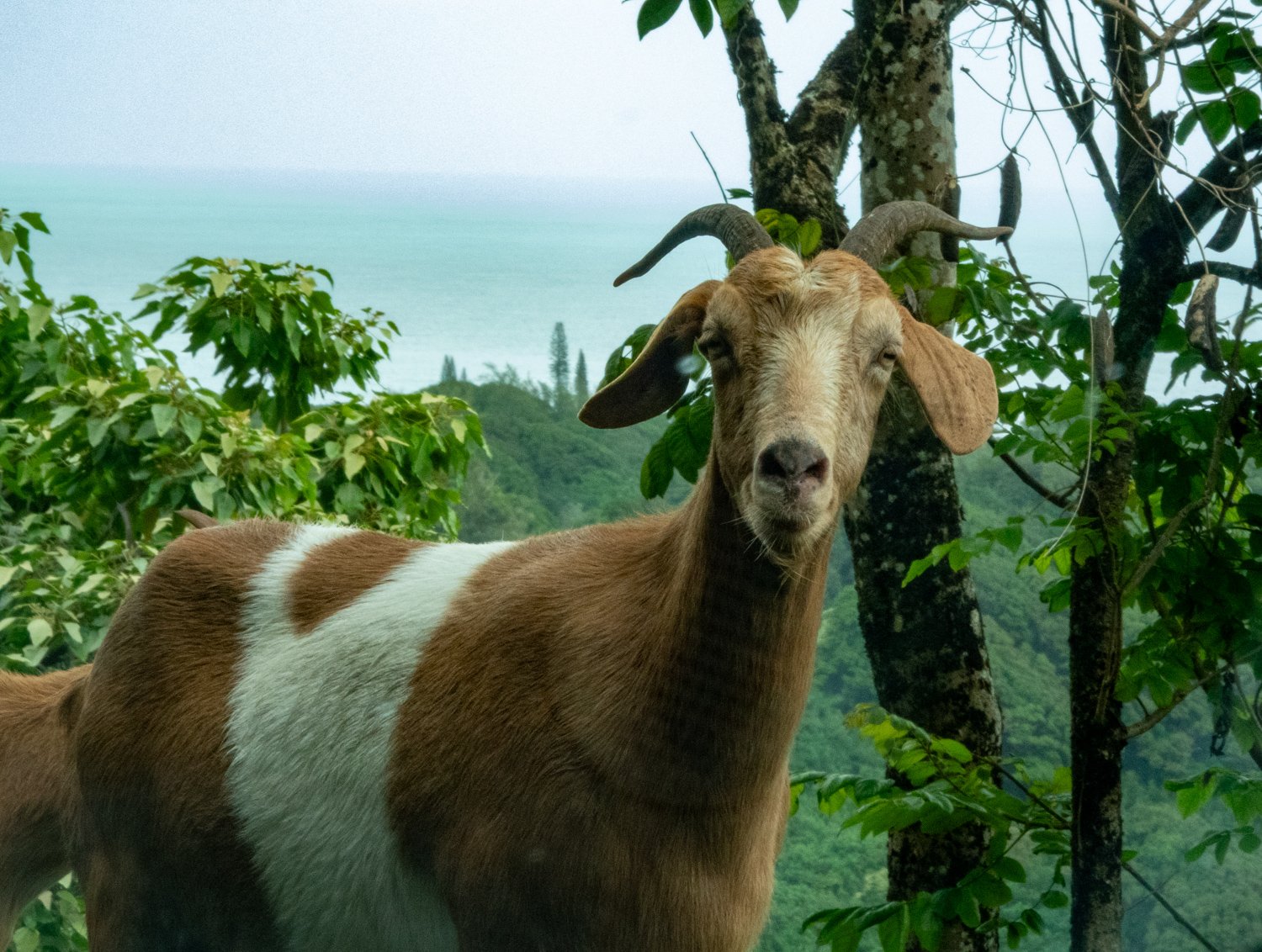
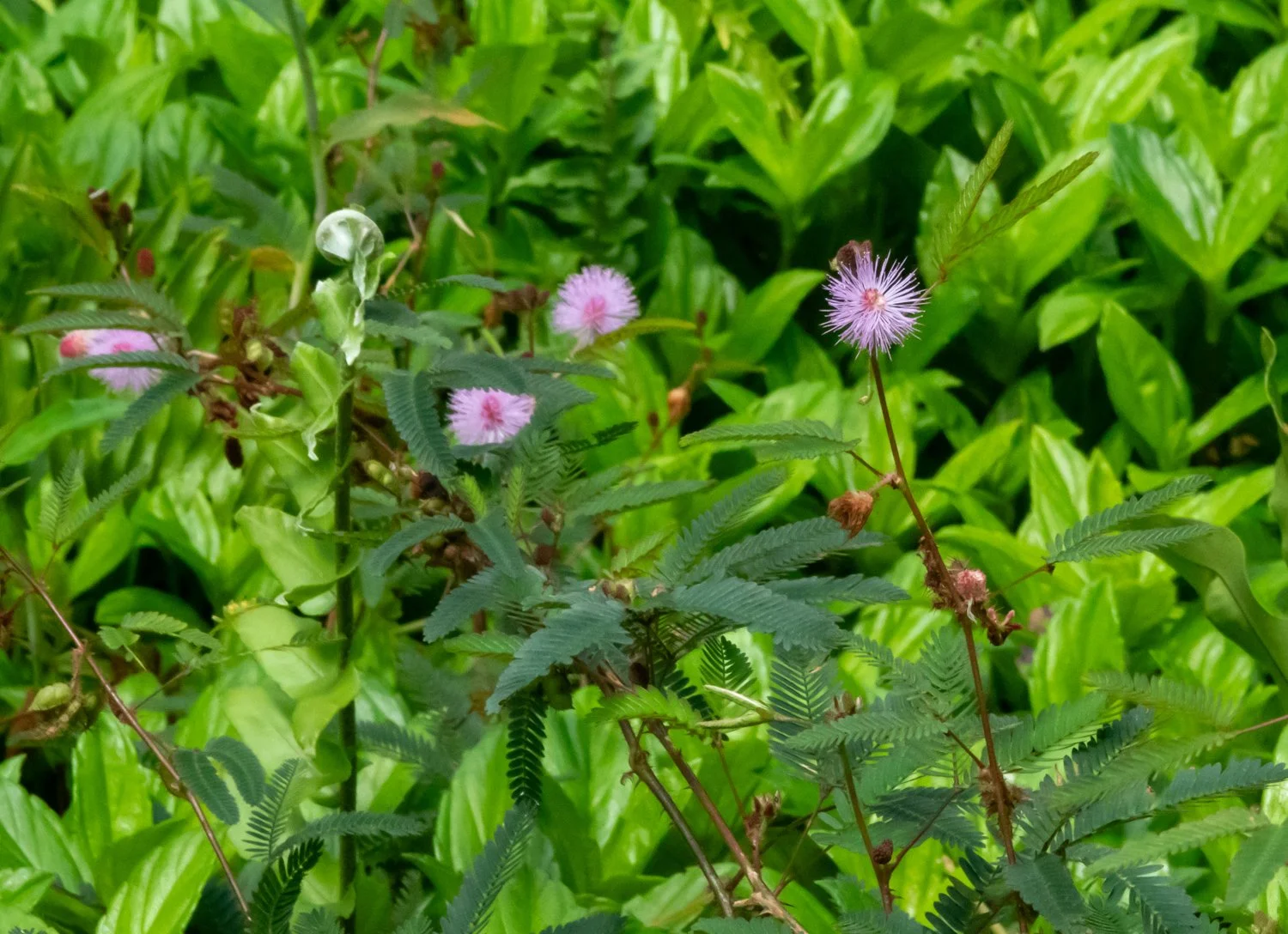
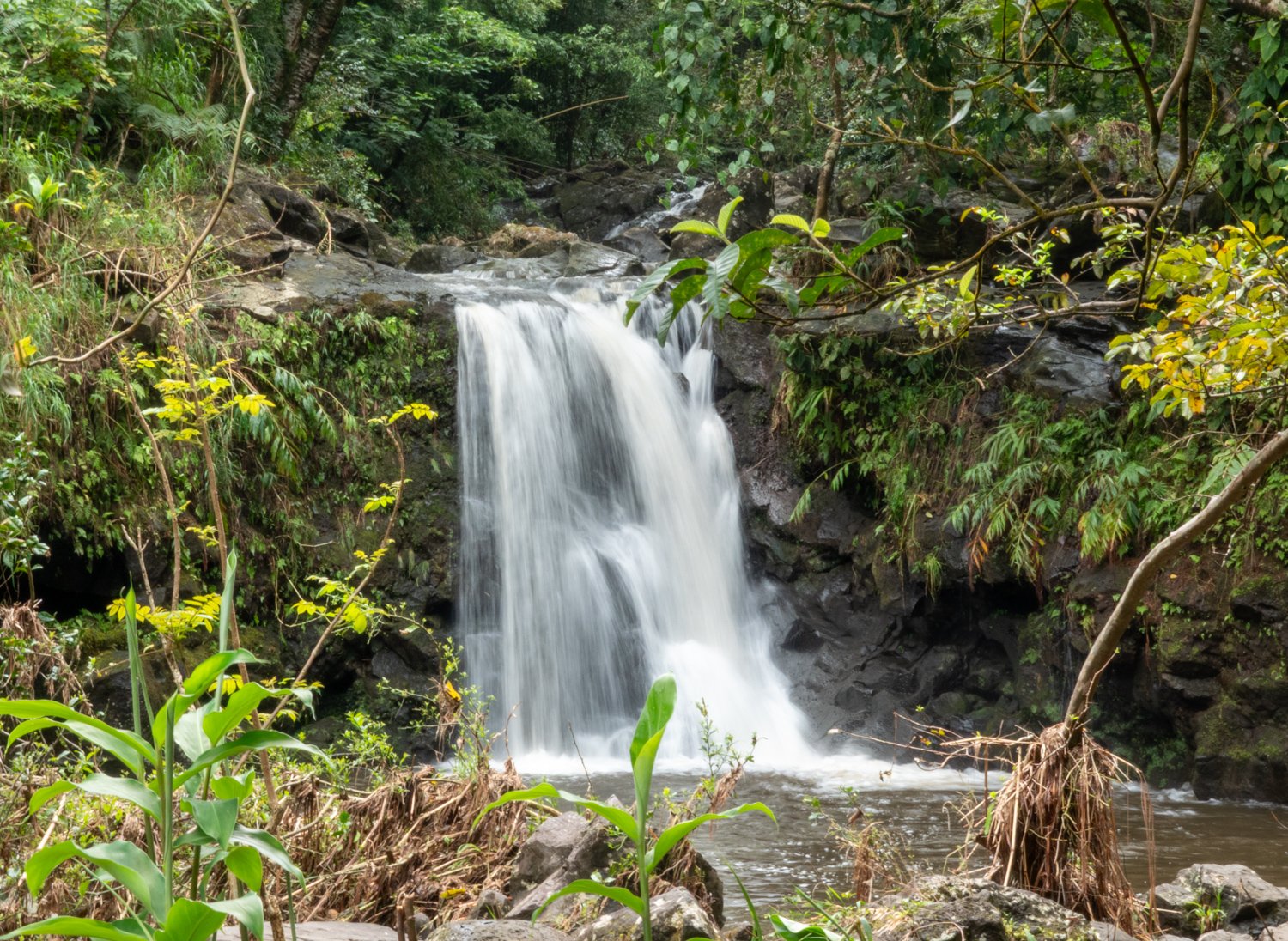
The upside of driving the road at this time was the lack of traffic and the waterfalls were in full view. We stopped at just about every waterfall.
Highlight
On the dinner cruise in Ho Chi Minh we were entertained by a delightful baby who was dancing on her grandfather’s hand while the band played. I later met the Korean family and sent them the video of the dancing. It was definitely one of the highlights of our trip to Vietnam.